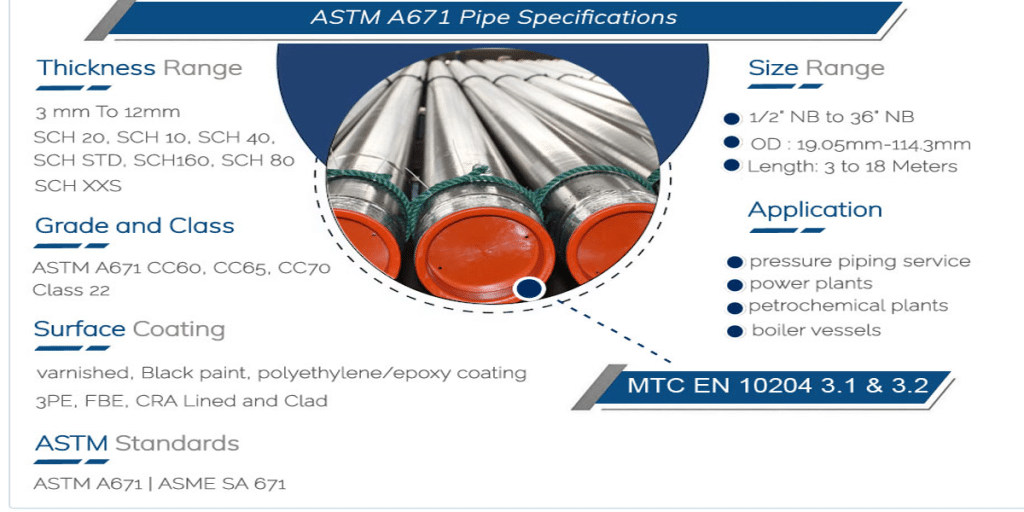
- 1. Understanding LSAW, SSAW, and ERW Steel Pipes
- 2. Manufacturing Processes: Step-by-Step Comparison
- 3. Specifications and Technical Comparison
- 4. Applications and Decision Factors for Procurement
- 5. Advantages and Limitations: Why Choose LSAW Pipes?
- 6. Conclusion
- 7. FAQ
- 8. Request a Quote from LONGMA — Your API 5L Line Pipe Supplier
Choosing between LSAW, SSAW and ERW pipe requires an assessment of dimensions, material properties, weld inspection and the service environment. These processes produce different seam configurations and offer different manufacturing advantages. Compliance with API 5L or ISO 3183 depends on the ordered grade, PSL, edition and supplementary requirements. LONGMA manufactures round ERW and LSAW pipes; SSAW is included here as an industry comparison to help procurement teams evaluate alternatives.
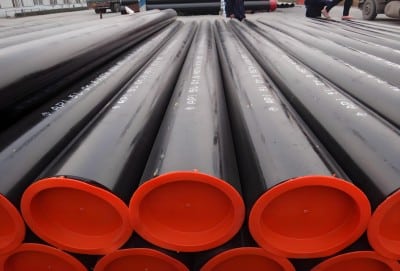
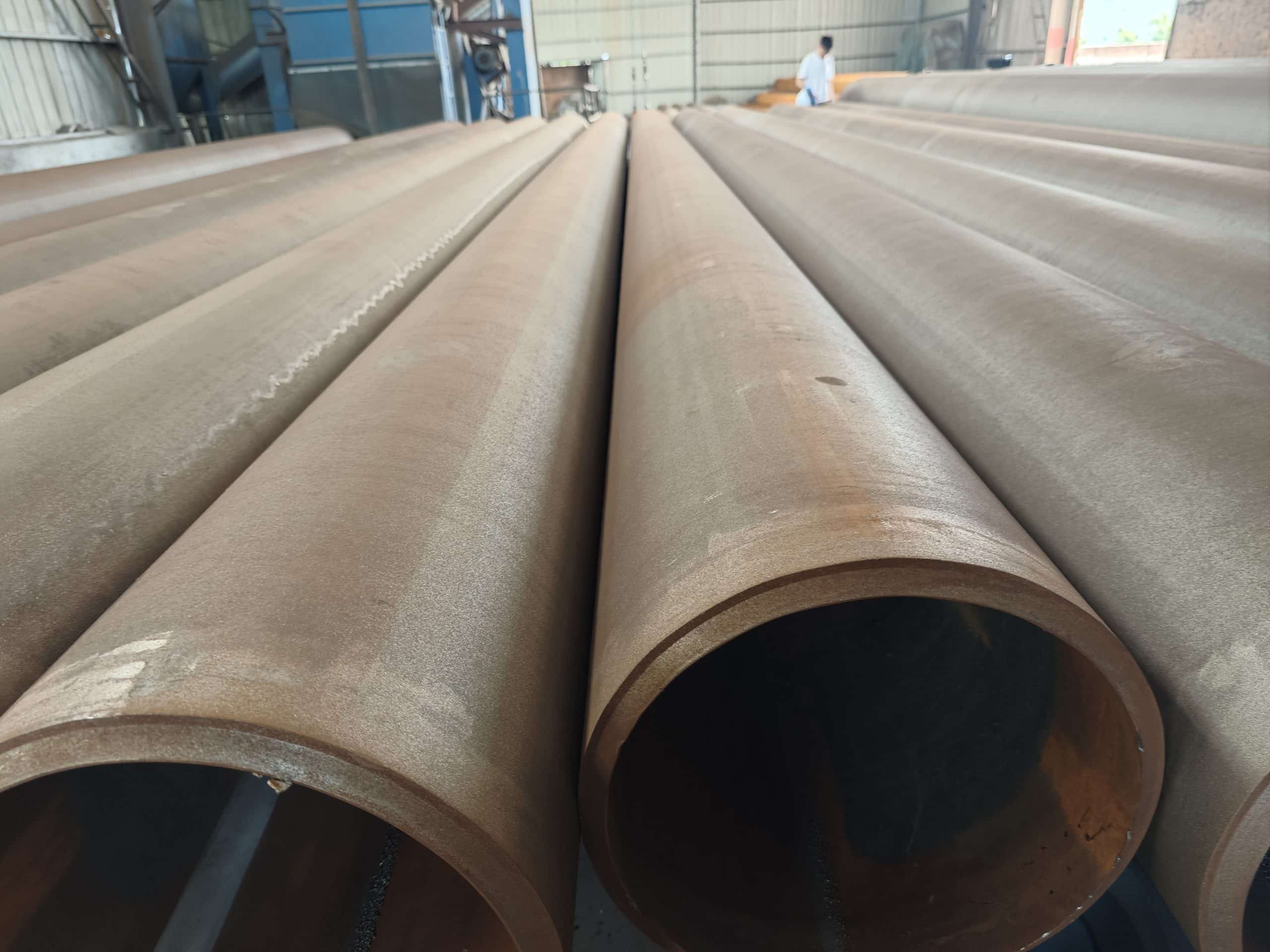
Understanding LSAW, SSAW, and ERW Steel Pipes
API 5L was updated to its 47th edition in June 2026. ISO 3183:2019 is the fourth edition and supplements API 5L, 46th edition (2018), with stated exceptions and additions. The purchase order should identify the applicable editions and any project supplements.
What Is an LSAW Pipe?
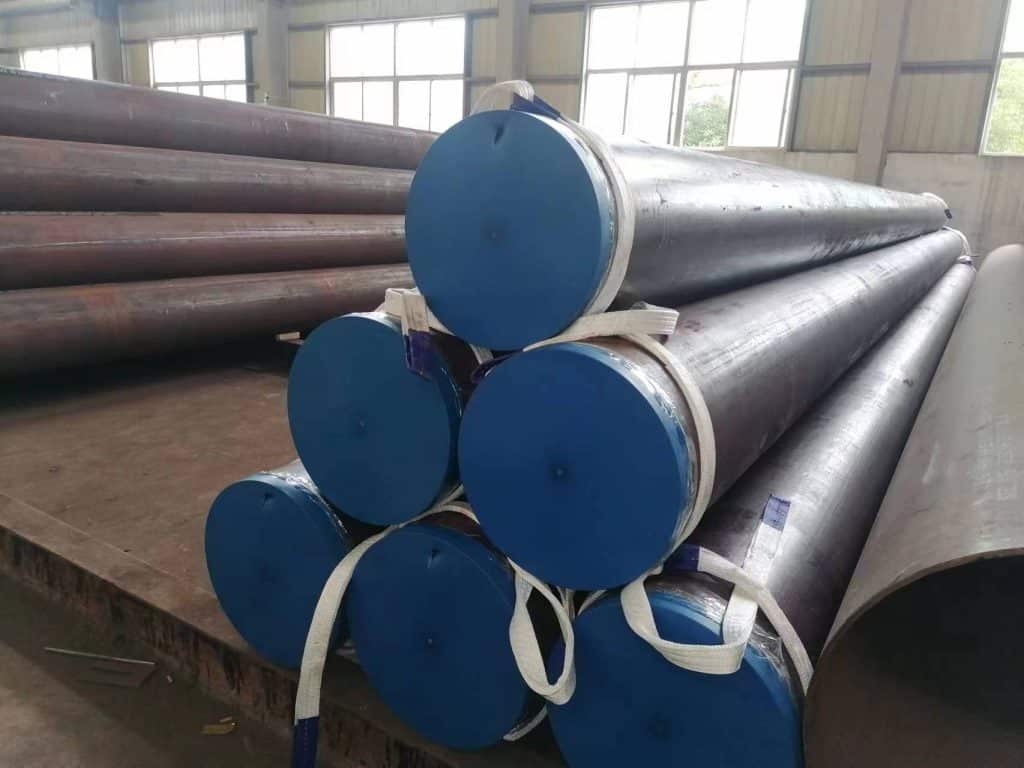
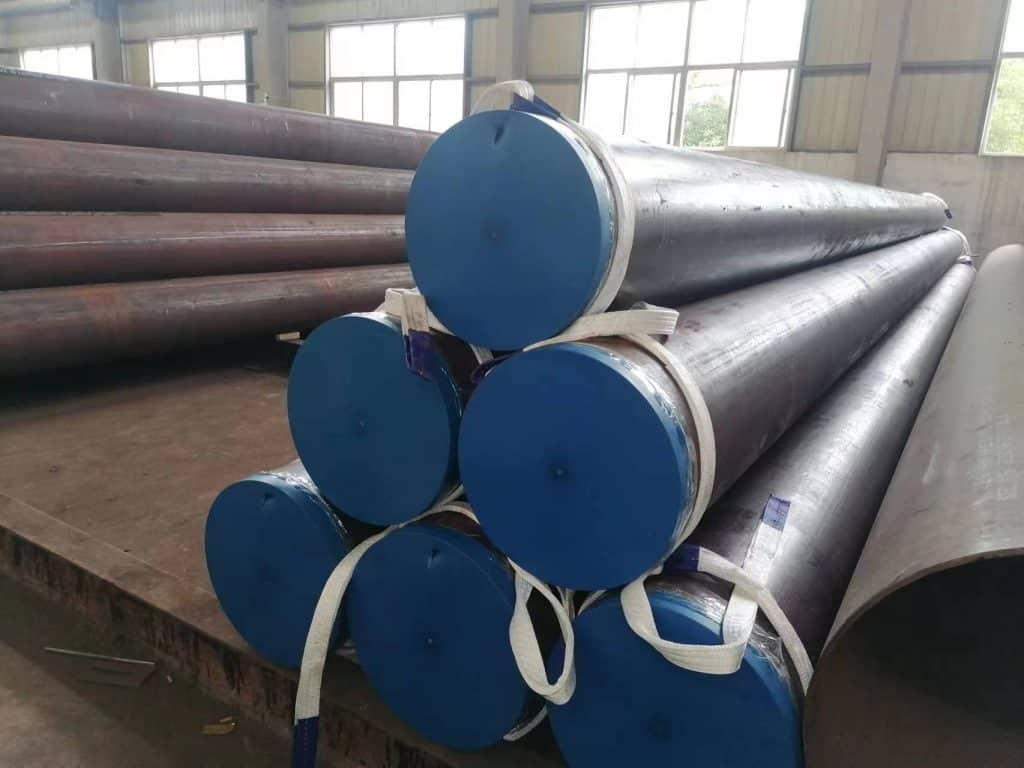
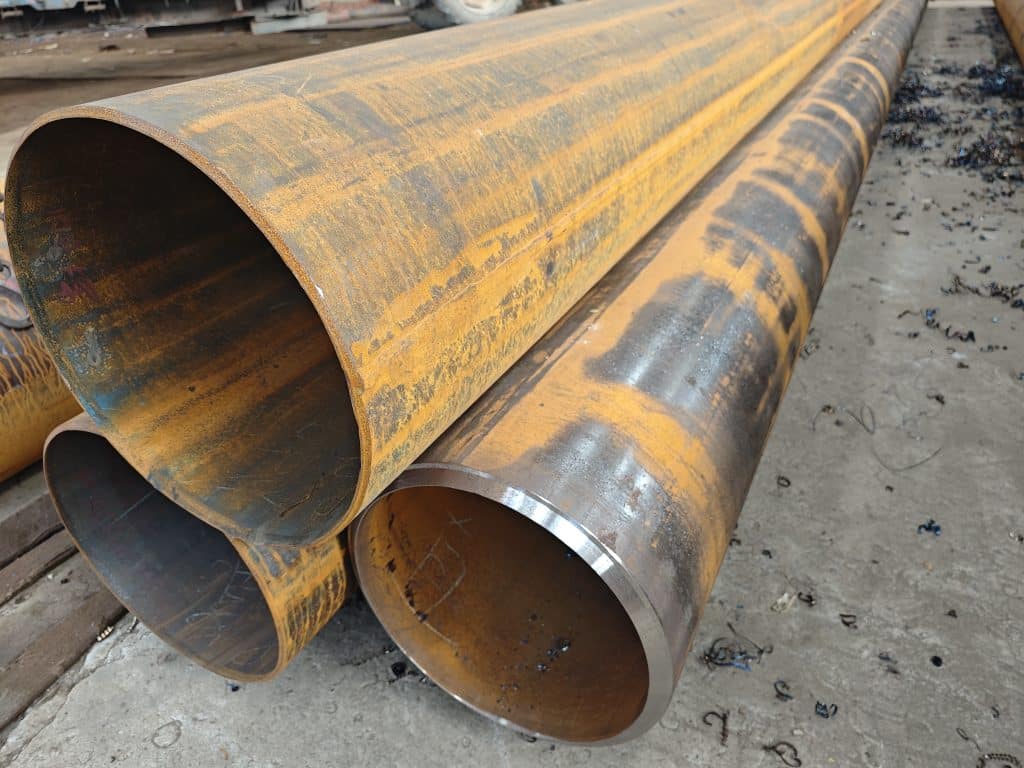
Longitudinal submerged arc welded pipe starts with steel plate formed into a cylinder and welded along a longitudinal seam. Internal and external SAW passes are commonly used. UOE and JCOE routes include mechanical expansion to improve roundness and dimensional consistency and to redistribute residual stresses. LSAW can accommodate large diameters and heavy walls, but no universal 60 mm minimum wall thickness applies. Suitability for cold regions, offshore service or populated corridors depends on the project requirements.
What Is an SSAW Pipe?
SSAW, also called HSAW, is formed by feeding steel strip into a helical forming mill and welding the spiral seam by submerged arc welding. Strip width and forming angle influence pipe diameter; strip thickness determines the starting wall thickness. A spiral seam is longer per unit of pipe length than a straight longitudinal seam. Its implications for inspection, fatigue and service qualification should be assessed using the design code and owner specification, rather than assumed from geometry alone.
What Is an ERW Pipe?
ERW pipe is generally formed from steel strip or coil, commonly hot-rolled material for the line-pipe applications discussed here. High-frequency electrical heating and pressure join the aligned edges without filler metal. Applicable seam heat treatment controls weld-zone properties. The qualified dimensional range depends on the mill; a common 24-inch production range should not be presented as a universal API 5L limit. ERW can offer efficient production for suitable small- and medium-diameter orders.
Manufacturing Processes: Step-by-Step Comparison
LSAW / DSAW Production Workflow
A typical LSAW route includes plate inspection, edge preparation, forming, tack welding, internal and external SAW, dimensional control and applicable expansion. Required NDT, hydrostatic testing, pipe-end preparation and final identification follow the approved production and inspection plan. DSAW describes welding from both sides; LSAW describes longitudinal seam orientation, so the terms identify different characteristics. LONGMA can supply custom lengths up to 18 m where confirmed for the ordered product. Toughness must be demonstrated by the required tests, not inferred from double-sided welding.
SSAW Production Workflow
For SSAW, the strip is fed at a controlled angle to form the helical seam, followed by internal and external welding and the required inspections. Production speed depends on diameter, wall thickness, welding arrangement and grade. Buyers should assess the mill’s qualified output for the specific order. For H₂S-containing or fatigue-sensitive service, confirm both the permitted manufacturing route and required material and weld qualification before comparing prices.
ERW Production Workflow
High-frequency ERW production includes strip preparation, progressive roll forming, edge heating and pressure welding. Weld flash removal, applicable seam heat treatment, sizing, cutting and inspection complete the route. Production rate depends on dimensions and grade. Sour-service orders require the relevant chemistry, hardness, testing and environmental qualification; a suffix alone is insufficient. LONGMA’s ERW offering is quoted according to its qualified dimensions, delivery condition and project requirements.
Specifications and Technical Comparison
Dimensional Range and Grade Coverage
The table below compares manufacturing characteristics. It is not a statement that LONGMA manufactures all three pipe types. Confirm actual size, thickness, grade and length availability with the selected mill.
| Parameter | ERW | LSAW | SSAW |
| Starting material | Steel strip or coil | Steel plate | Steel strip or coil |
| Welding | Resistance heating and pressure | Submerged arc welding | Submerged arc welding |
| Seam direction | Longitudinal | Longitudinal | Helical |
| Filler metal | Not used | Used | Used |
| Dimensions and grade | Confirm with mill | Confirm with mill | Confirm with mill |
| LONGMA manufacture | Yes | Yes | Industry comparison only |
Common strength designations include X52/L360, X65/L450, X70/L485 and X80/L555. The grade range and delivery conditions permitted for a particular PSL must be checked separately. Under the 46th-edition framework, X80 is a PSL2 grade. M indicates a thermomechanical delivery condition where applicable; sour-service designations combine the appropriate delivery and service information, such as X65MS. Neither a grade name nor a suffix replaces verification of the full order requirements.
Mechanical Properties and Testing Requirements
Inspection depends on the manufacturing process, PSL, edition and applicable annexes. Both PSL1 and PSL2 SAW products have weld NDT requirements; full-body UT and simultaneous full-length UT plus RT should not be assumed for every product. PSL2 toughness testing has defined applicability conditions for specimen location, size, temperature and energy. Carbon-equivalent limits likewise depend on the specified product and calculation rules. Agree EN 10204 type 3.1 or 3.2 certification and third-party participation before production, with traceability to the pipe supplied.
Surface Treatment and Corrosion Protection
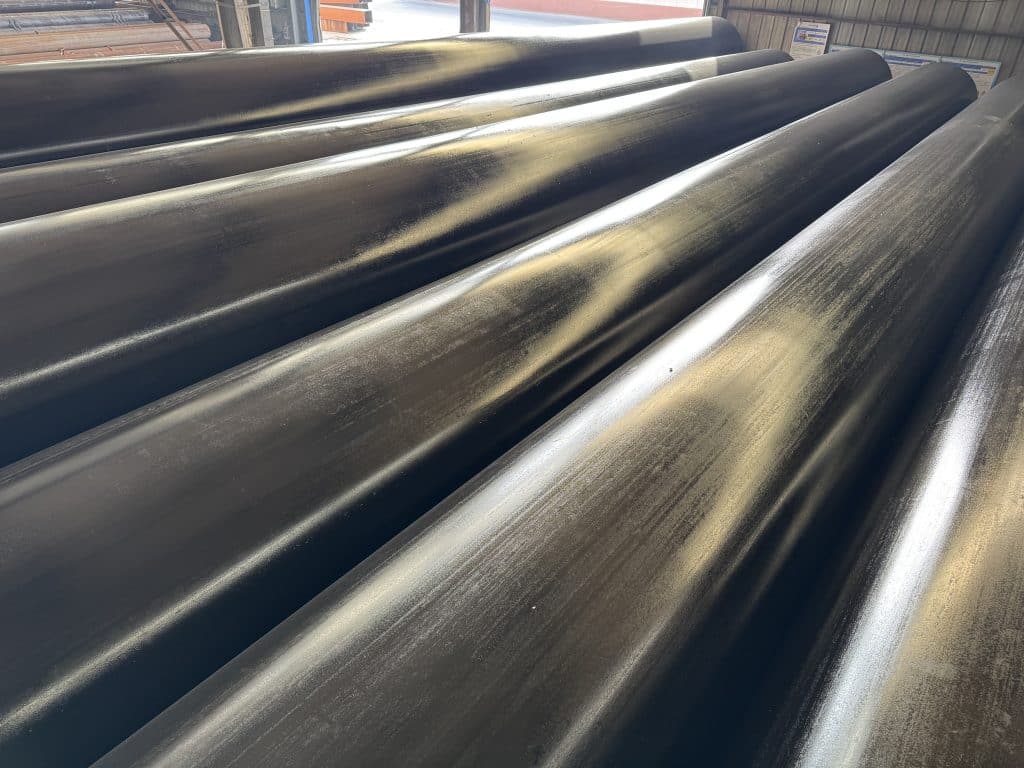
LONGMA offers bare pipe, varnish, black paint, FBE and 3LPE options. These are distinct surface conditions and coating systems, and DIN 30670 should not be applied to all of them. Specify an appropriate standard and edition for the selected system, with its temperature range, application and inspection requirements. Soil, fluid, handling and installation conditions influence coating selection. Buried or submerged pipeline design should also address cathodic protection, field joints and repairs.
Applications and Decision Factors for Procurement
Where Each Pipe Type Performs Best?
LSAW, SSAW, and ERW can all be chosen based on budget, pressure rating, diameter, and service environment. It’s broken down like this:
LSAW is often selected for large-diameter or heavy-wall transmission pipe where plate-based forming suits the project. High-strength, offshore and sour-service orders require the specified material, toughness and supplementary qualifications. API 5L should not be interpreted as universally mandating LSAW for cold-region or densely populated routes.
SSAW can suit large-diameter water transmission, structural piling and qualified oil or gas applications where accepted by the design and owner specification. Check any restrictions for sour service or fatigue-sensitive duty. It is not inherently limited to moderate-pressure water service.
ERW is widely used for suitable gathering, distribution and transmission applications within the mill’s qualified range. Manufacturing efficiency and consistent strip thickness can support competitive supply, but final selection must meet the same design and service requirements used to assess other processes.
Compare compliant offers on total installed cost, including pipe, coatings, transport, inspection and field welding. A process change needs engineering approval where it affects the specification. The cheapest manufacturing route is useful only when it satisfies the ordered dimensions, material performance and service requirements.
Key Procurement Checklist
Before sending out an RFQ, EPC procurement teams and NOC supply chain managers should make sure that any potential suppliers can confirm the following:
API 5L / API Monogram certificate validity period covers the full project delivery window
PSL1 or PSL2 designation matches the owner’s technical specification
Full sour-service grade designation and required material, hardness and cracking-resistance documentation are confirmed where applicable
EN 10204 3.1 or 3.2 MTC format is confirmed for third-party audit
Third-party inspection (SGS, Bureau Veritas, Intertek) and source inspection by owner’s representative are accepted
The correct standard and edition are confirmed separately for the selected 3LPE or FBE system
Advantages and Limitations: Why Choose LSAW Pipes?
Structural Strengths of LSAW
Plate-based LSAW manufacturing allows material selection and forming to be matched to large-diameter, heavy-wall requirements. Controlled expansion can improve roundness and fit-up, while qualified welding and inspection establish weld acceptability. Exact tolerances must come from the applicable product or project specification. Sour-service performance must be supported by the required material and weld controls and tests; desulfurized plate alone does not prove HIC or SSC resistance.
Limitations to Acknowledge
LSAW requires individual plate preparation and forming, while ERW uses a continuous strip route. Lead time and minimum order quantity depend on material availability, mill scheduling and qualification requirements; they are not universally higher for every LSAW order. For smaller diameters or standard walls, another compliant process may offer a more practical or economical solution.
Conclusion
LSAW, SSAW and ERW offer different production routes, but none is a universal substitute for engineering selection. Match dimensions, grade, PSL, inspection and supplementary requirements to the service. LONGMA manufactures round ERW and LSAW pipe and supports procurement through technical review, traceable documentation and agreed source inspection.
FAQ
What is the main difference between LSAW and SSAW steel pipe?
LSAW has a longitudinal seam and is commonly formed from plate. SSAW has a helical seam formed from strip. These geometries affect manufacturing and inspection, but do not establish a universal ranking of pressure suitability or a general API requirement to use only LSAW in cold or populated areas.
Request a Quote from LONGMA — Your API 5L Line Pipe Supplier
Since 2003, LONGMA has manufactured round ERW and LSAW steel pipes. Our factory covers 230,000 m², with annual output exceeding 500,000 tonnes and more than 60 senior technical staff. Stock pipes can ship in as little as seven days, while standard production sizes commonly take around 30 days, subject to confirmation. Contact info@ilongma.com or visit www.ilongma.com for dimensions, grade availability, inspection arrangements and a quotation.