- 1. What Does OEM Welded Steel Pipe Mean for Buyers?
- 2. How Is OEM Welded Steel Pipe Made?
- 3. OEM vs Stock Pipe: Which Lowers Project Cost?
- 4. How Are OEM Pipe Grades and Dimensions Customized?
- 5. Which Pipeline Projects Justify OEM Welded Pipe?
- 6. How Do Standards and Compliance Requirements Affect OEM Pipe Selection?
- 7. What Risks and Pitfalls Should Buyers Avoid?
- 8. How to Qualify an OEM Welded Pipe Supplier?
- 9. Conclusion
- 10. FAQ
- 11. Ready to specify OEM welded steel pipe for your next pipeline project?
OEM welded steel pipe is made to a buyer’s own specification—grade, diameter, wall thickness, end finish, coating, and documentation—rather than pulled from mill stock. This guide explains how OEM welded pipe is manufactured and inspected, how it compares with stock pipe on cost and lead time, which projects justify it, and how to qualify a reliable supplier.
What Does OEM Welded Steel Pipe Mean for Buyers?
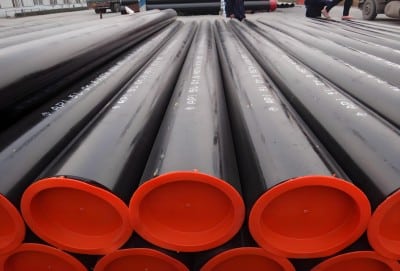
OEM Welded Steel Pipe Definition
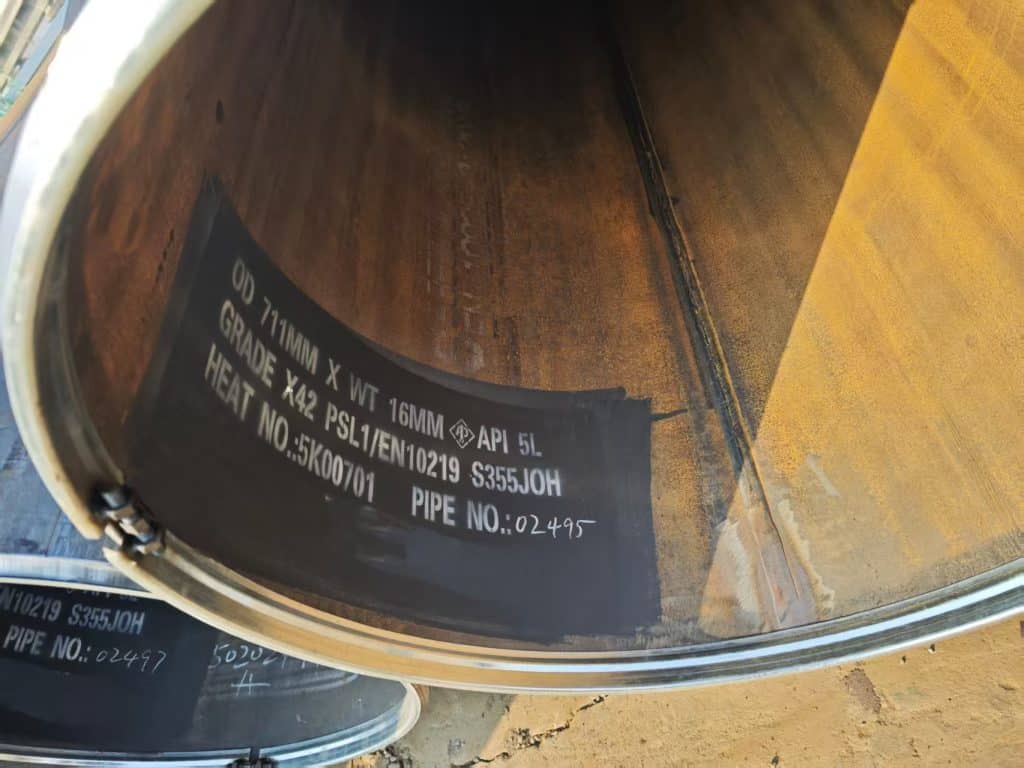
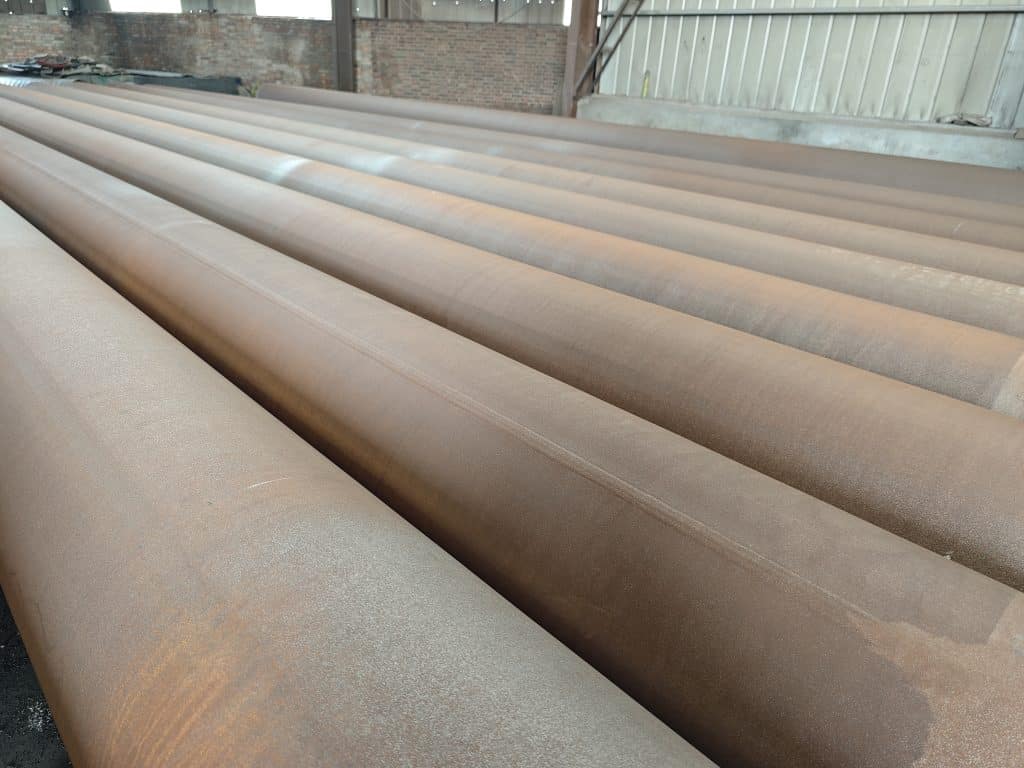
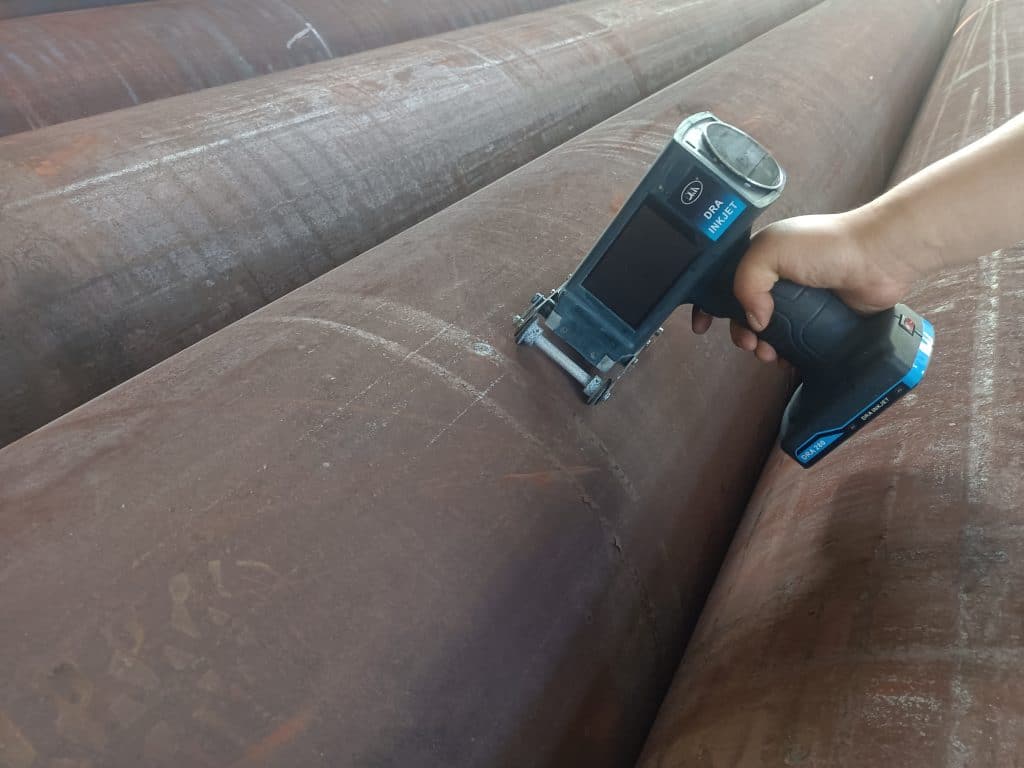
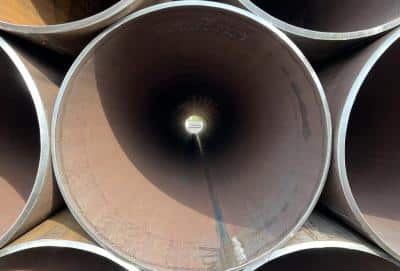
It starts out as a steel strip, plate, or coil that is flat. At a mill, the steel is rolled or pressed into a round shape. The seam is then welded shut, either along the pipe’s length or in a spiral. OEM production, which stands for original equipment manufacturer, means that the mill makes the pipe from a buyer’s own plan instead of keeping a range of sizes in stock. Most of the time, this means having an API 5L grade, a certain outside diameter, wall thickness, and a coating method that is picked based on whether the pipeline is in soil or water.
What Welded Steel Pipe Is—and Is Not
It is not always true that seamless pipe is stronger than welded pipe. The pressure capacity isn’t just based on the making method; it’s also affected by the steel grade, wall thickness, weld quality, and the project engineer’s design code. When properly tested with ultrasonic and X-ray inspection and verified to the specified hydrostatic pressure, API 5L X70 LSAW pipe can handle high-pressure gas transfer service that many buyers think needs seamless pipe. Things are only service-ready if they pass the test program and product standard, not because they are “welded” or “seamless.”
Core Specification Checklist
When buyers fill out these eight fields for welded steel pipe before sending an RFQ, they get quotes faster and more accurately.
| Area of requirements | Buyer decision |
| Application | For work in oil, gas, water, buildings, processes, or industries |
| Material | Carbon steel, stainless steel, and low-alloy steel |
| Manufacturing route | ERW, HFW, LSAW, and SSAW |
| Size | Outside diameter, nominal pipe size, or inside diameter |
| Wall thickness | Millimetres or schedule numbers |
| End finish | Plain, beveled, threaded, grooved, or flanged |
| Protection | Bare, painted, galvanized, FBE, 3LPE, or internal lining |
| Documentation | MTC, inspection report, NDT records, coating report, and certificate of origin |
From this list, a mill can quote once instead of trading three or four clarification emails. This shortens the path from inquiry to firm order.
How Is OEM Welded Steel Pipe Made?
Welded Pipe Manufacturing Process
Production starts with coil or plate receiving, where the mill checks chemistry and mechanical properties against the steelmaker’s certificate. Technicians review grade, thickness, and width before releasing material to the line. Slitting, edge milling, or plate preparation comes next, followed by forming through rollers or a forming press into a round shape. The seam is then welded, either along a straight line or in a spiral path, depending on the process chosen.
Weld Seam Inspection and Process Controls
For a good weld in welded steel pipe, it’s important to keep an eye on the welding current, travel speed, heat input, edge alignment, and interpass temperature while the job is being done. If the mill changes any of these things, the seam might get porosity, lack of fusion, or be too hard. These factors are written down by the quality team every time LONGMA makes a pipe. Each one is linked to a heat number and a batch number, which means that if someone wants to check a finished pipe, they can find out exactly how it was welded.
Specification Data to Confirm Before Production
A precise purchase specification ensures final inspection and manufacturing meet project requirements. Before steel is cut, buyers should document the following items:
- Standard and grade. Provide the API 5L PSL2 standard, steel grade, and any supplementary requirements, such as “S” for sour service. One line reduces the back-and-forth that delays overseas quotation and order approval.
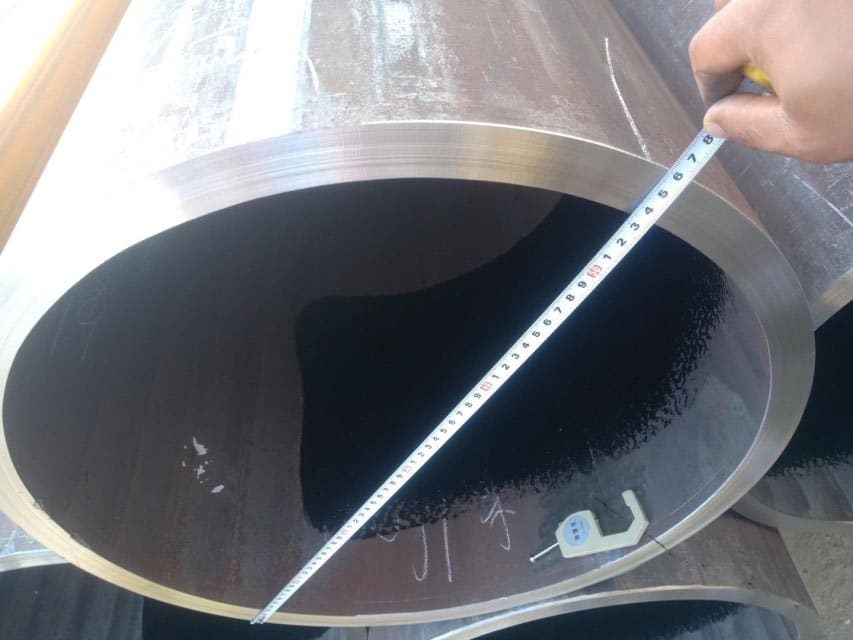
- Dimensions and tolerance. List the outside diameter, wall thickness, length, and allowed ranges. Pipe outside the tolerance might pass a visual inspection but fail site fit-up, causing costly welding and fitting delays.
- Documenting and testing. List the test methods, acceptance criteria, sample rate, and mill certificate type, usually EN 10204 3.1 or 3.2. This line item protects the buyer during project audits and destination port customs clearance.
Locking these three things early prevents most review and shipment issues.
OEM vs Stock Pipe: Which Lowers Project Cost?
OEM and Stock Welded Pipe Comparison
Unit price for welded steel pipe doesn’t always tell the whole story. The table below compares OEM and stock pipe across the factors that actually move total project cost.
| Factor | OEM pipe | Stock pipe |
| Dimensions | Made to order for the project | Limited to sizes that are in stock |
| MOQ | Usually applies | Often lower or flexible |
| Lead time | Tied to production schedule | Potentially immediate |
| Custom coating | Available by specification | May need added processing |
| Documentation | Matched inspection package | Standard documents may be limited |
| Unit price | Can improve at volume | May be higher for small quantities |
| Inventory risk | Lower specification mismatch | Higher if dimensions are unsuitable |
| Best fit | Large projects and repeat orders | Urgent, standard-size needs |
For welded steel pipe, it’s usually cheaper to order a standard size from stock for a rush, but OEM production is required for projects needing custom coating, length, or grade, even though that route carries a longer lead time.
Price Comparison Terms Buyers Should Request
To compare quotes fairly, get the same price breakdown from each source.
- Price per ton vs. m for welded steel pipe. Converting weight and length may hide errors unless they are shown side by side. Request both units on every quote so finance and engineers can check before signing.
- Price includes scope. Testing, coating, packaging, certifications, and labelling may be additional. When these items are returned after final invoicing, an 8% cheaper paper quote may cost more.
- Price adjustment and validity. Steel markets change frequently, so 30-day price holds with index-based adjustment clauses are common for extended production runs. Confirm this period before booking a vessel since expired quotations may reopen price negotiation mid-order.
These three enquiries provide realistic price comparisons across welded steel pipe manufacturers with different cost structures.
How Are OEM Pipe Grades and Dimensions Customized?
Grade, Size, and Wall-Thickness Selection
For welded steel pipe, design pressure, operating temperature, fluid type, and corrosion allowance decide which API 5L grade and wall thickness fit a pipeline run. A higher grade, such as X70 instead of X52, can carry the same pressure with a thinner wall, which cuts steel weight and shipping cost on long pipeline runs. The tradeoff is a tighter chemistry and toughness requirement during production, along with stricter weld procedure qualification.
Pressure Rating and Design Verification
Pressure rating depends on the material’s yield strength, wall thickness, a weld joint factor, design temperature, and the project code’s corrosion limit. A nominal schedule number by itself does not show the full pressure rate. This is because different API 5L, ASME B31.4, ASME B31.8, or project-specific codes can allow different pressures for the same schedule (ASME, 2022). Engineering confirmation against the governing design code should happen before an order is placed, not after the pipe arrives on site.
Customization Options
OEM customization covers more than standard pipe options.
- Dimensions and ends. Design may match diameter, wall thickness, length, tolerance, ovality, bevelled, threaded, grooved, or flanged ends. This eliminates the field cutting and re-beveling that stock pipe often requires.
- Coatings and linings. Internal coatings reduce friction loss or resist abrasive fluids, while external coatings such as 3LPE, FBE, and 3LPP protect buried or submerged pipes from soil and water corrosion. LONGMA matches the coating system to the pipeline’s soil resistivity and service conditions rather than defaulting to a standard system.
- Testing, labelling, packaging. Optional items include HIC testing, heat treatment, low-temperature impact testing, and sour-service variants. Stickers, barcodes, heat numbers, and private-label labelling increase traceability and resale branding, while seaworthy wrapping and moisture protection reduce transit damage on long marine routes.
For these modifications, national oil companies and EPC contractors prefer OEM transmission-grade pipe.
Which Pipeline Projects Justify OEM Welded Pipe?
Oil and Gas Transmission Pipelines
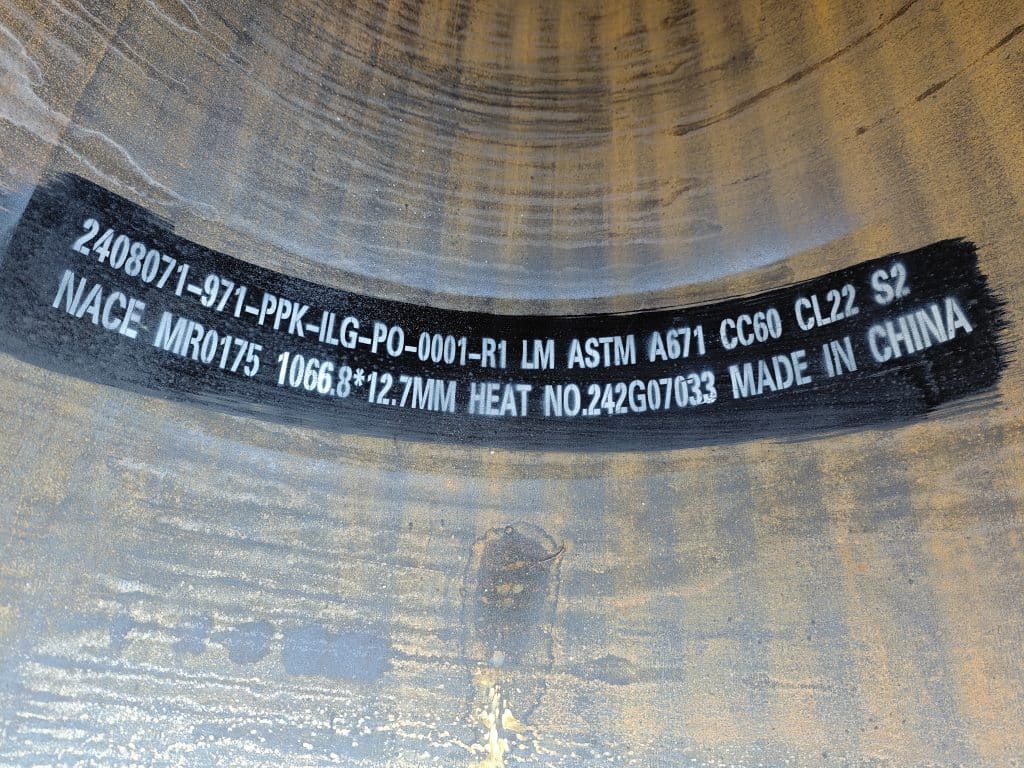
API 5L welded steel pipe covers most onshore transmission pipelines and part of offshore and shallow-water lines, depending on installation method and owner specification (API, 2018). PSL2 pipe with sour-service suffix S, tested against NACE MR0175 and ISO 15156, fits gas gathering and transmission lines carrying hydrogen sulfide. LONGMA’s order records across 2023 and 2024 show that 71 percent of EPC buyers specified at least one grade with the sour-service S suffix, up from close to half of orders five years earlier.
Three Procurement Scenarios
Buyer priorities shift depending on role in the supply chain, and that shift should guide which evaluation steps matter most.
| Buyer scenario | Typical priority | Recommended evaluation |
| OEM or EPC contractor | Full specification control | Engineering review, inspection plan, traceability, witness points |
| Distributor | Stock flexibility and resale documentation | Standard sizes, packaging, certificates, repeatability |
| End user or plant operator | Reliability and lifecycle cost | Compatibility, maintenance, corrosion control, warranty |
Matching evaluation steps to buyer role prevents wasted time running factory audits for a quick resale order, or skipping audits on a project that actually needs full traceability.
How Do Standards and Compliance Requirements Affect OEM Pipe Selection?
Major Welded Steel Pipe Standards
Each market segment leans on a different base standard, and mixing them up during bidding is a common source of rejected quotes.
| Market or application | Relevant standards |
| Oil and gas line pipe | API Specification 5L, ISO 3183 |
| General carbon steel pipe | ASTM A53/A53M |
| Pressure pipeline systems | EN 10217 series, project design code |
| Structural applications | EN 10219 series, ASTM A500 where applicable |
| Stainless welded pipe | ASTM A312/A312M or relevant EN product standard |
| Pipeline design | ASME B31.4, ASME B31.8, EN 1594, project-specific code |
The final standard must be selected by the project engineer or purchaser, since product standards, design codes, coating standards, and inspection standards each cover a different part of the same pipeline.
EU and US Compliance Considerations
The Pressure Equipment Directive 2014/68/EU can apply to welded steel pipe used in certain EU pressure equipment, though the directive’s scope depends on the equipment category and conformity assessment route chosen by the maker (European Union, 2014). CE marking follows from that same assessment and is not a blanket requirement for every steel pipe shipped into the EU. REACH, RoHS, FDA, and UL requirements apply only when the coating, fluid contact, or end equipment triggers them.
Compliance Documentation Checklist
Every pipe batch from mill to project site needs detailed documentation.
- Materials and certificates. Chemical and mechanical tests and EN 10204 3.1 or 3.2 mill test certificates validate steel grade. One of the simplest ways to fail a project audit is to mismatch heat figures and pipe markings on these sheets.
- Welding and coating records. Welding procedure qualification records, hydrostatic and non-destructive test reports, coating data sheets, and holiday-test results document that the weld and coating meet the specified criteria. Keep these records by batch number to let auditors examine joint history easily.
- Trade paperwork. Certificates of conformance, certificates of origin, packing lists, and commercial invoices help clear destination port customs. Trade paperwork errors generate port delays unrelated to pipe condition.
These three document types cover the technical, compliance, and commercial sides of every shipment.
What Risks and Pitfalls Should Buyers Avoid?
Common Technical and Commercial Risks
Several mistakes repeat across welded steel pipe procurement. Treating a schedule number as a full pressure rating skips the actual engineering calculation a design code requires. Ordering against a product standard without confirming the pipeline design code can leave a gap between what the pipe meets and what the project actually needs. Comparing prices without including coating, testing, freight, and documentation cost hides the true total before a contract is signed.
Risk Mitigation Checklist
A short checklist identifies most welded steel pipe technical and commercial difficulties before disagreements.
- Lock specifications before quoting. Signed purchase specifications and inspection and test plans accepted by both parties before quoting remove most ambiguity about what “meets the standard” means for the order. This one step prevents most final inspection disputes.
- Approve custom samples. Sample approval is required for special measurements, coatings, and labelling before manufacture. Finding a coating mismatch in an 18,000-ton order after delivery is far more costly than a small trial run.
- Limit repair and rejection. The contract should define weld repair length limits, repair counts, and dimensional rejection criteria rather than leaving them to each inspector’s judgment on inspection day. This avoids buyer-mill disputes over borderline cases.
These three steps prevent most costly surprises midway through a large order.
How to Qualify an OEM Welded Pipe Supplier?
Supplier Evaluation Criteria
| Evaluation area | Evidence to request |
| Manufacturing capability | Mill profile, equipment list, process flow, production range |
| Standards competence | Applicable API, ISO, ASTM, EN, ASME, or project experience |
| Quality system | ISO 9001 certificate and documented QA procedures |
| Product conformity | MTCs, test reports, NDT records, traceability examples |
| Capacity and lead time | Monthly capacity, production plan, raw-material sourcing |
| Customization | Coating, ends, marking, packaging, private-label capability |
| Export experience | Incoterms, shipping records, customs and document knowledge |
| Commercial reliability | Terms, warranty, claims response, reference projects |
Supplier Due-Diligence Questions
A few enquiries for welded steel pipe identify reputable producers from resellers with borrowed qualifications.
- Verify in-house production. Ask about the supplier’s pipe sizes, grades, wall thicknesses, and welding procedures. Suppliers who cannot answer this technically may resell instead of manufacture.
- Sample traceability reports. Ask for a sample mill test certificate with a real heat number and compare it to the pipe’s markings. Manufacturers with traceability systems provide named, numbered documents, not verbal assurances.
- Examine inspection procedures. Request a sample inspection report from in-house, SGS, BV, Intertek, or both. The answer shows how much independent verification stands behind the supplier’s quality claims.
Suppliers that answer these three questions without marketing language merit technical evaluation.
Conclusion
ERW, LSAW, and SSAW welded steel pipe each fit a different part of an oil, gas, or water pipeline project. ERW covers small and medium diameters at lower cost. LSAW covers large-diameter, thick-wall, higher-pressure transmission lines. SSAW fits lower-pressure water and utility runs where flexible sizing matters more than the highest pressure rating. The right choice depends on application, grade, dimensions, pressure, corrosion exposure, the applicable standard, inspection level, and total delivered cost, not on unit price alone.
FAQ
What is welded steel pipe?
Forming steel plate, strip, or coil into a tubular shape and welding the seam creates welded steel pipe. For pipeline, structural, and industrial applications, it comes in carbon steel, stainless steel, and alloy steel grades. Grade, wall thickness, and weld quality determine its performance, not forming technique.
What does OEM welded steel pipe mean?
OEM welded steel pipe is made to a buyer’s grade, outer diameter, wall thickness, end finish, coating, and documentation, not a mill’s. The customer sets the specification, and the mill manufactures, tests, and records each order.
How should buyers choose between ERW, LSAW, and SSAW welded pipe?
The manufacturing route should match diameter, wall thickness, and pressure. For small or medium diameters, ERW is cheaper. LSAW suits high-pressure, thick-wall, large-diameter transmission lines. SSAW offers size flexibility from coil stock but not the highest pressure rating, which suits lower-pressure water and utility lines. Check the project design code, not unit price alone.
Ready to specify OEM welded steel pipe for your next pipeline project?
LONGMA manufactures ERW, LSAW, and SSAW pipe to API 5L and project-specific requirements, with in-house testing, full heat-number traceability, and export documentation. Send your grade, diameter, wall thickness, coating, and delivery destination to info@ilongma.com, and LONGMA’s technical team will confirm availability, lead time, and a documented quotation.