- 1. Special Characteristics of ASTM A691 Steel Pipes
- 2. Transportation Management Requirements
- 3. Storage Environment Requirements
- 4. Site Management and Pre-Installation Inspection
- 5. Analysis of Common Risks and Problems
- 6. LONGMA’s Full-Process Assurance System
- 7. Summary: Management Determines Final Quality
In high-temperature and high-pressure engineering projects, material quality depends not only on the manufacturing process but also closely on transportation, storage and site management. Especially for ASTM A691 products used in critical equipment, any problems during logistics or on-site management may directly affect subsequent installation and operational safety. Therefore, mastering the requirements for transportation, storage and site management of ASTM A691 pipes is a key part to ensure successful project delivery.
This article conducts an in-depth analysis from the perspectives of international standards, operation specifications, inspection control and procurement risks, and combines LONGMA’s practical experience to provide clients with implementable management solutions.
Special Characteristics of ASTM A691 Steel Pipes
ASTM A691 is an electric-fusion-welded (EFW) alloy steel pipe commonly used in high-temperature and high-pressure environments. Its features include:
- Containing alloying elements such as Cr and Mo (e.g., ASTM A691 Grade 2.1 4Cr Gr 32)
- Sensitive to surface quality and internal defects
- Weld areas requiring key protection
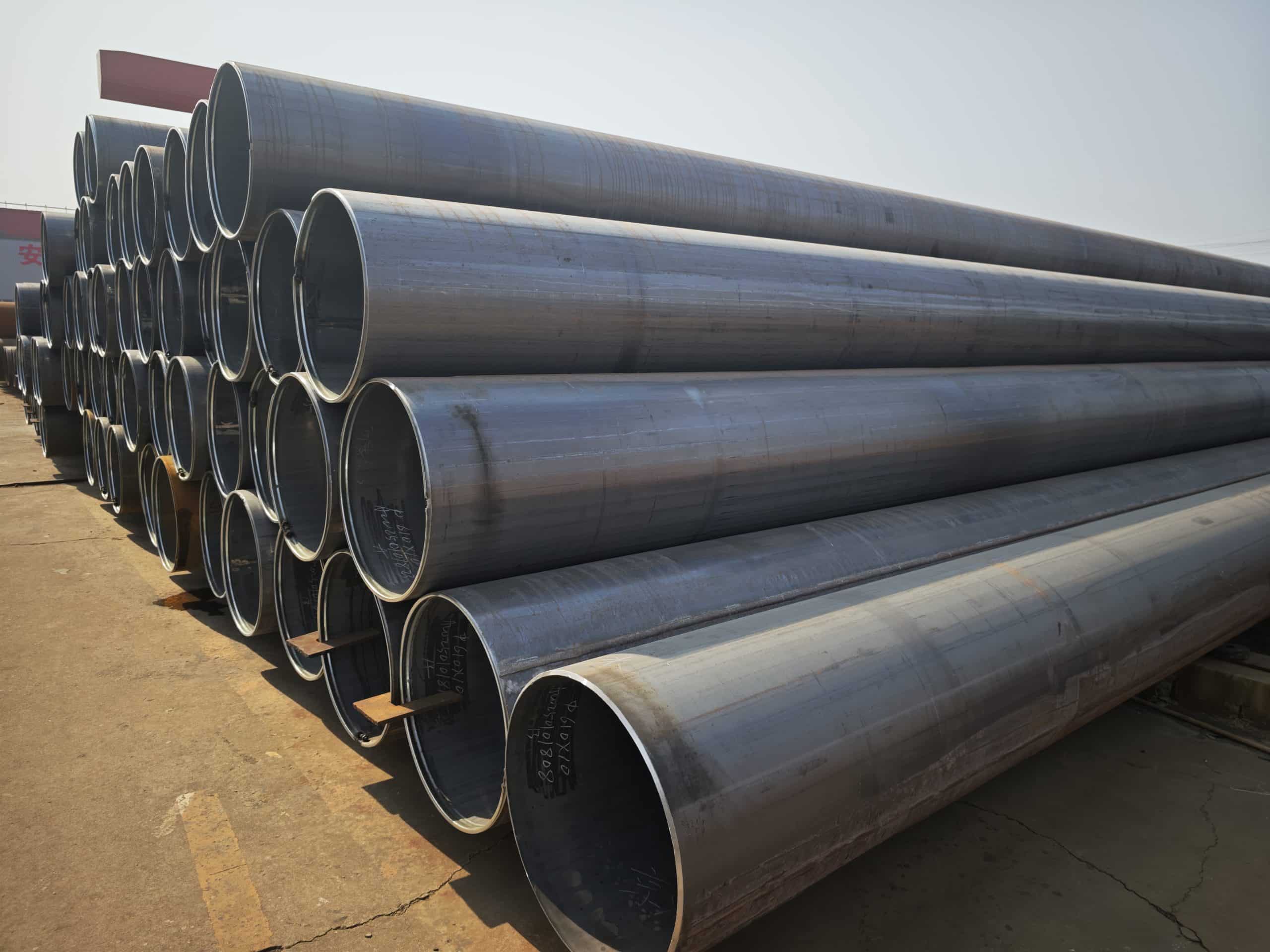
Thus, ASTM A691 pipes have stricter requirements for transportation and storage than ordinary carbon steel pipes.
Transportation Management Requirements
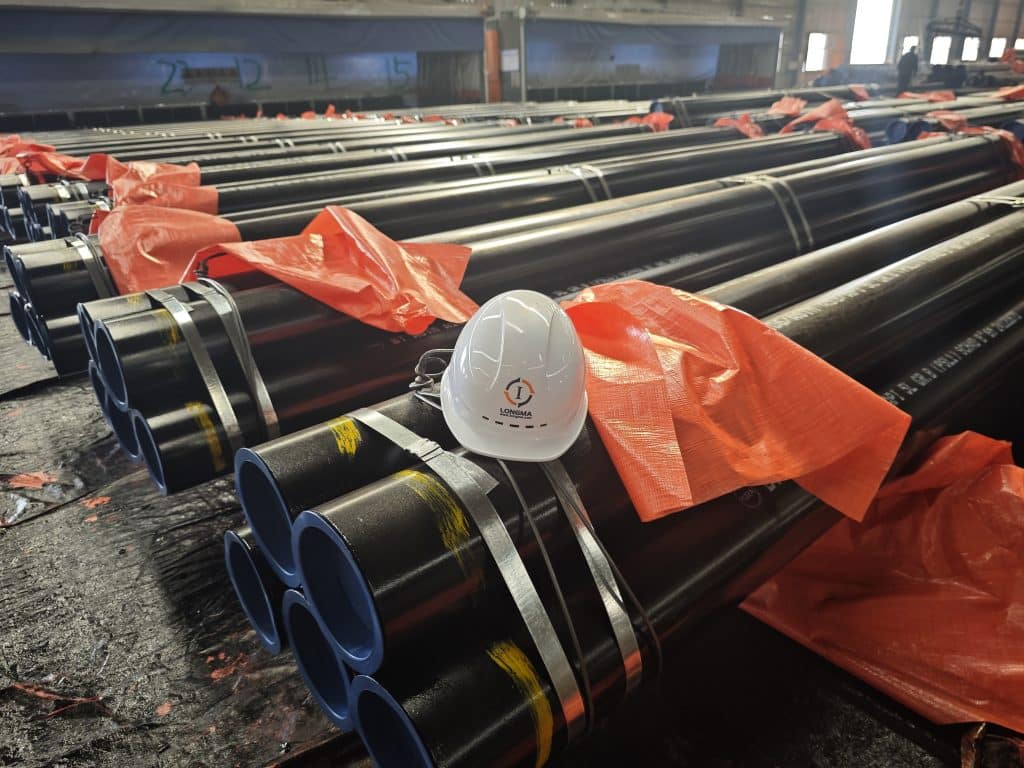
- Packaging and Protection
| Item | Requirement |
| Pipe end protection | Equipped with plastic or steel end caps |
| Surface protection | Coated with anti-rust oil or protective film |
| Banding method | Use soft belts; avoid direct contact with steel wires |
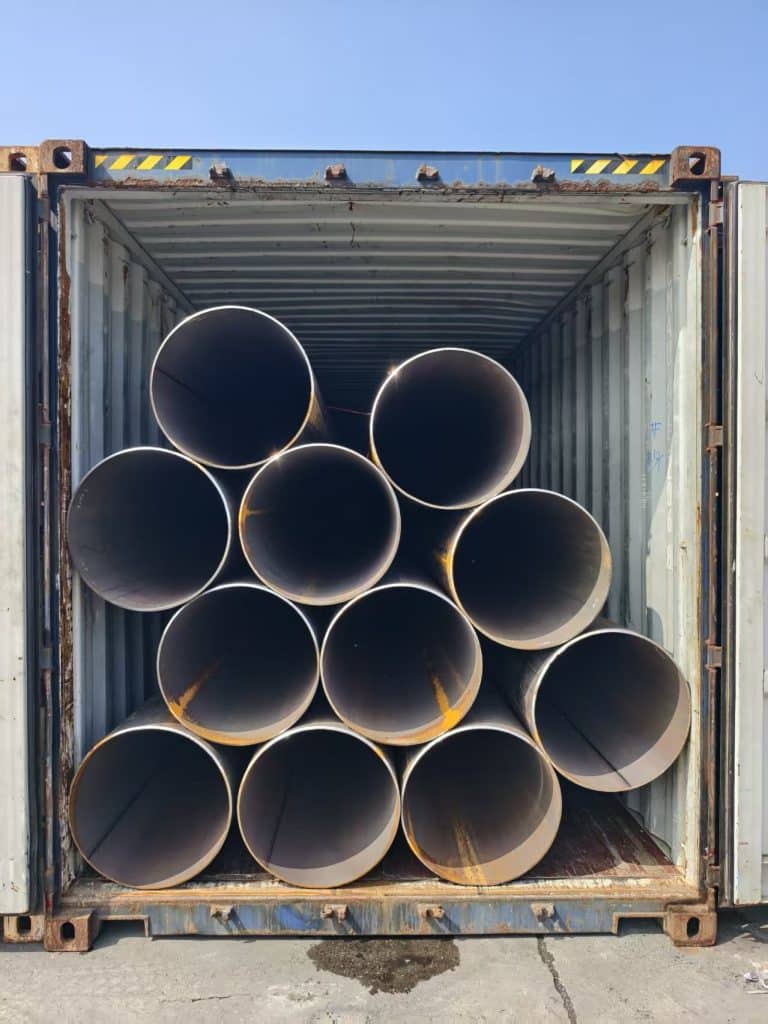
For export projects (e.g., ASTM A691 pipes & tubes in Spain), packaging must comply with marine shipping standards.
- Loading and Unloading Specifications
Operation points:
- Use slings or special lifting tools
- Prohibit throwing or rolling
- Avoid stress on weld areas
Damage to welds will directly affect the inspection pass rate of ASTM A691 CL32.
- Comparison of Transportation Modes
| Mode | Advantages | Risks |
| Sea transportation | Low cost | Moisture corrosion |
| Land transportation | Flexible | Vibration damage |
| Container transportation | Good protection | Relatively high cost |
Storage Environment Requirements
- Warehousing Conditions
| Item | Requirement |
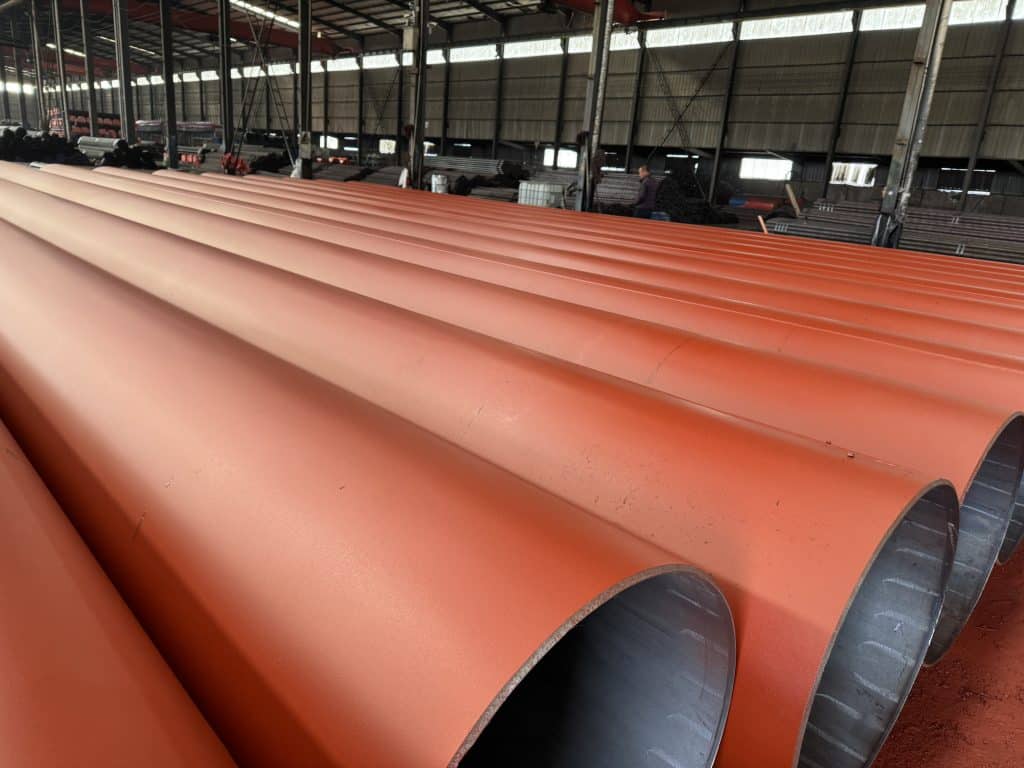
| Ground | Dry and anti-ponding |
| Environment | Well ventilated |
| Protection | Avoid direct sunlight |
ASTM A691 Grade 2.1 4Cr is environmentally sensitive and prone to corrosion in humid conditions.
- Stacking Specifications
- Stack by specification
- Use wooden or rubber mats
- Control stacking height
Prevent pipe deformation or coating damage.
- Storage Cycle Management
| Duration | Management Measures |
| ≤ 3 months | Routine inspection |
| 3–6 months | Reapply anti-rust coating |
| ≥ 6 months | Re-inspect |
Site Management and Pre-Installation Inspection
- Entry Inspection
In accordance with ASTM A691 and relevant standards:
- Verify MTC (Material Test Certificate)
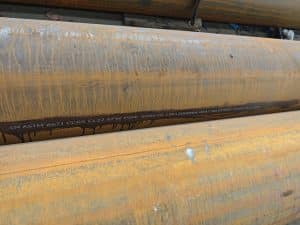
- Check markings and traceability numbers
- Visual inspection (scratches, corrosion)
- Key Inspection Methods
(1) Visual Inspection
Purpose: Check surface defects
Standard reference: ASTM A691
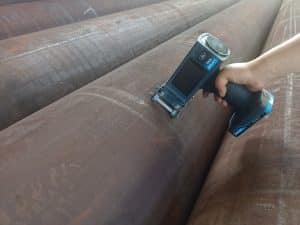
(2) Non-Destructive Testing (NDT)
| Method | Standard | Application |
| UT | ASTM A435 | Internal defects |
| RT | ASTM E94 | Weld inspection |
| MT | ASTM E709 | Surface cracks |
For ASTM A691 CL32, sampling or full re-inspection is usually required on site.
(3) Mechanical Property Re-test (ASTM A370)
Applicable scenarios:
- After long-term storage
- Required by critical projects
- Pre-Installation Treatment
- Remove impurities inside the pipe
- Check bevel quality
- Prevent secondary contamination
Ensure ASTM A691 pipes are not damaged during installation.
Analysis of Common Risks and Problems
- Transportation damage: Damaged welds or pipe ends affect subsequent inspection.
- Storage corrosion: Improper environmental control reduces material performance.
- Lost marking: Unable to trace material source, affecting acceptance.
- Chaotic site management: Mixed use of different grades (e.g., ASTM A691 Grade 2.1 4Cr Gr 32) causes potential safety hazards.
LONGMA’s Full-Process Assurance System
As a manufacturer with over 20 years of experience, LONGMA provides systematic solutions for ASTM A691 pipe management:
✔ Standardized Packaging and Transportation Plan
- Anti-corrosion packaging design
- Professional loading/unloading guidance
- Export-grade packaging (suitable for ASTM A691 pipes & tubes in Spain)
✔ In-House Laboratory Support
LONGMA is equipped with a complete inspection system:
- Chemical analysis (ASTM A751)
- Mechanical testing (ASTM A370)
- UT / RT / MT inspection equipment
Ensure every batch of ASTM A691 CL32 products is fully compliant before delivery.
✔ Full-Life Quality Traceability
- Unique numbering system
- Complete production records
- Traceable inspection reports
✔ Technical Support and On-Site Guidance
Provide clients with storage, installation and inspection suggestions to reduce project risks.
Summary: Management Determines Final Quality
For high-end engineering projects, the quality of ASTM A691 steel pipes depends not only on manufacturing but also on full-process control of transportation, storage and site management.
Especially for high-grade products (such as ASTM A691 Grade 2.1 4Cr and ASTM A691 CL32), negligence in any link may lead to potential safety hazards.
LONGMA can provide you with:
- ASTM A691 packaging and transportation solutions
- Storage and site management guidance
- Complete inspection reports and technical support
- European project experience support
Choose LONGMA, and keep your ASTM A691 pipes worry-free from factory to site!