- 1. Understanding API 5L PSL2
- 2. What Makes Sour-Service Line Pipe Different?
- 3. PSL2 vs. Sour-Service PSL2: Procurement Comparison
- 4. Avoid Universal Chemistry and Hardness Shortcuts
- 5. HIC and SSC Testing
- 6. External Coating Is a Separate Design Decision
- 7. How to Specify the Right Pipe
- 8. LONGMA Manufacturing and Quality Support
- 9. Conclusion
- 10. FAQ
API 5L PSL2 and sour-service line pipe are related, but they are not interchangeable terms. PSL2 is a product specification level within API Specification 5L. Sour-service pipe adds requirements intended for line pipe exposed to H₂S-containing environments when the applicable project and material-selection rules require sour-service qualification. API published the 47th Edition of API Spec 5L in June 2026, with updates that include sour-service requirements, chemical element ranges, HFW quality, impact toughness and sulfide stress cracking testing.
Understanding API 5L PSL2
API Spec 5L covers seamless and welded steel line pipe. Compared with PSL1, PSL2 introduces additional controls in areas such as chemistry, mechanical properties, toughness, traceability and inspection, with the exact requirements depending on grade, dimensions, manufacturing route and the applicable edition. PSL2 should therefore be treated as a defined product specification level, not as a universal synonym for high-pressure or severe-service pipe.
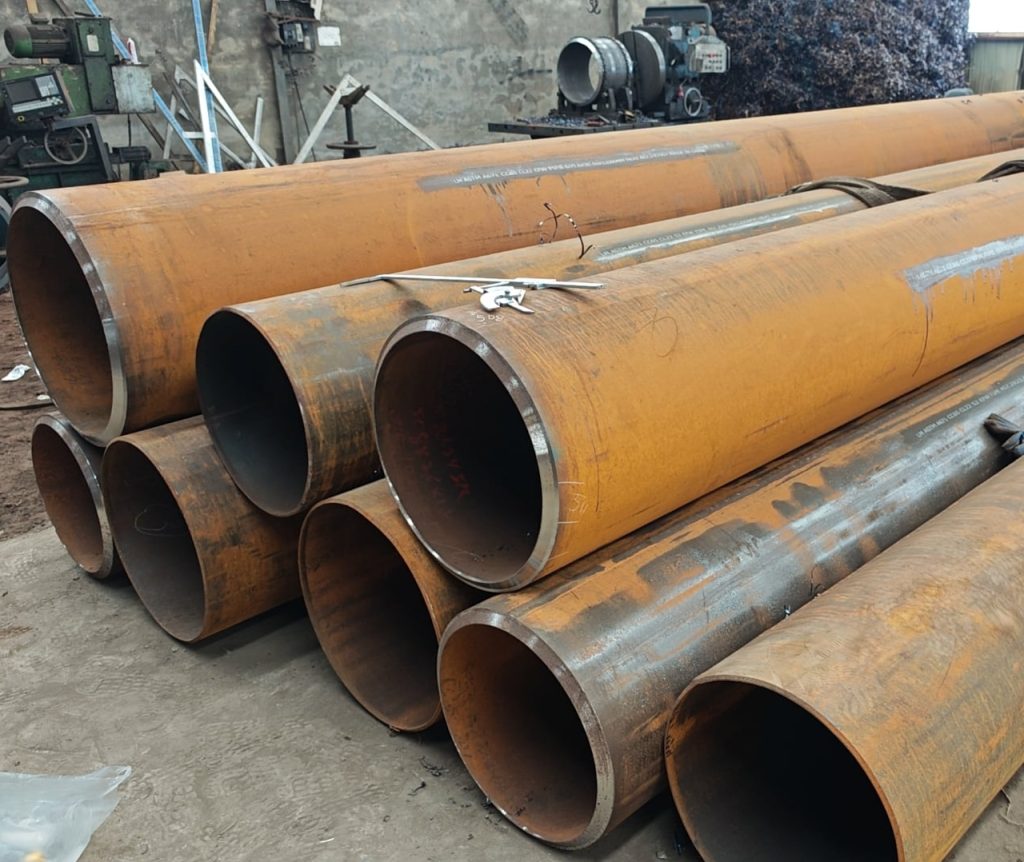
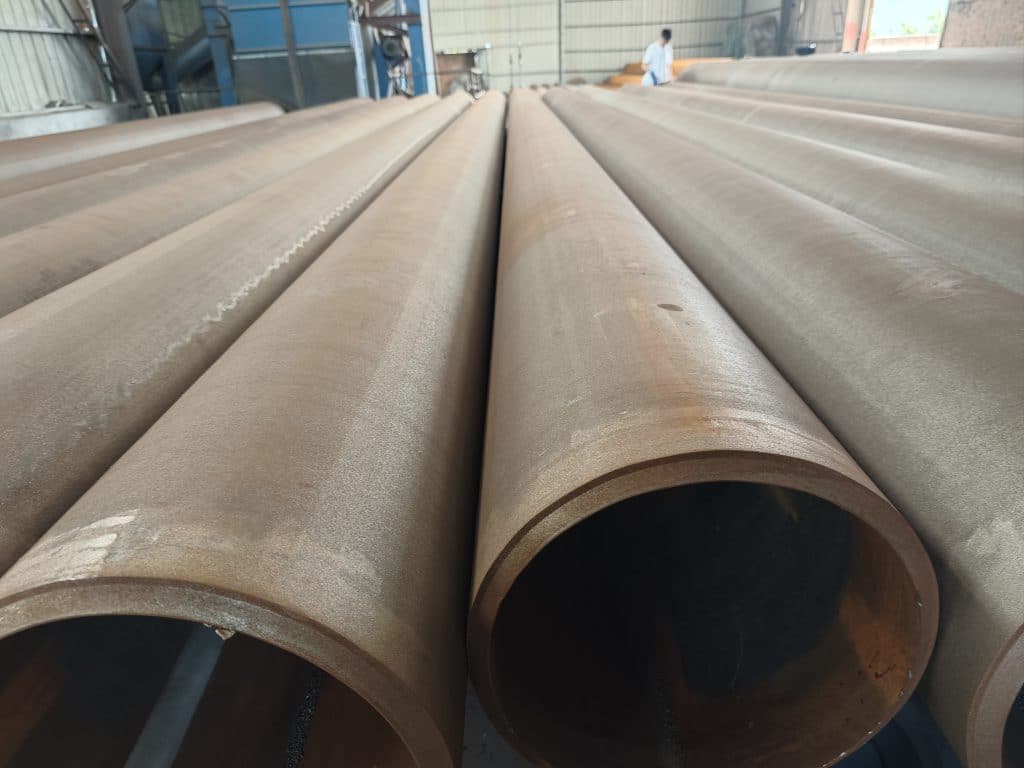
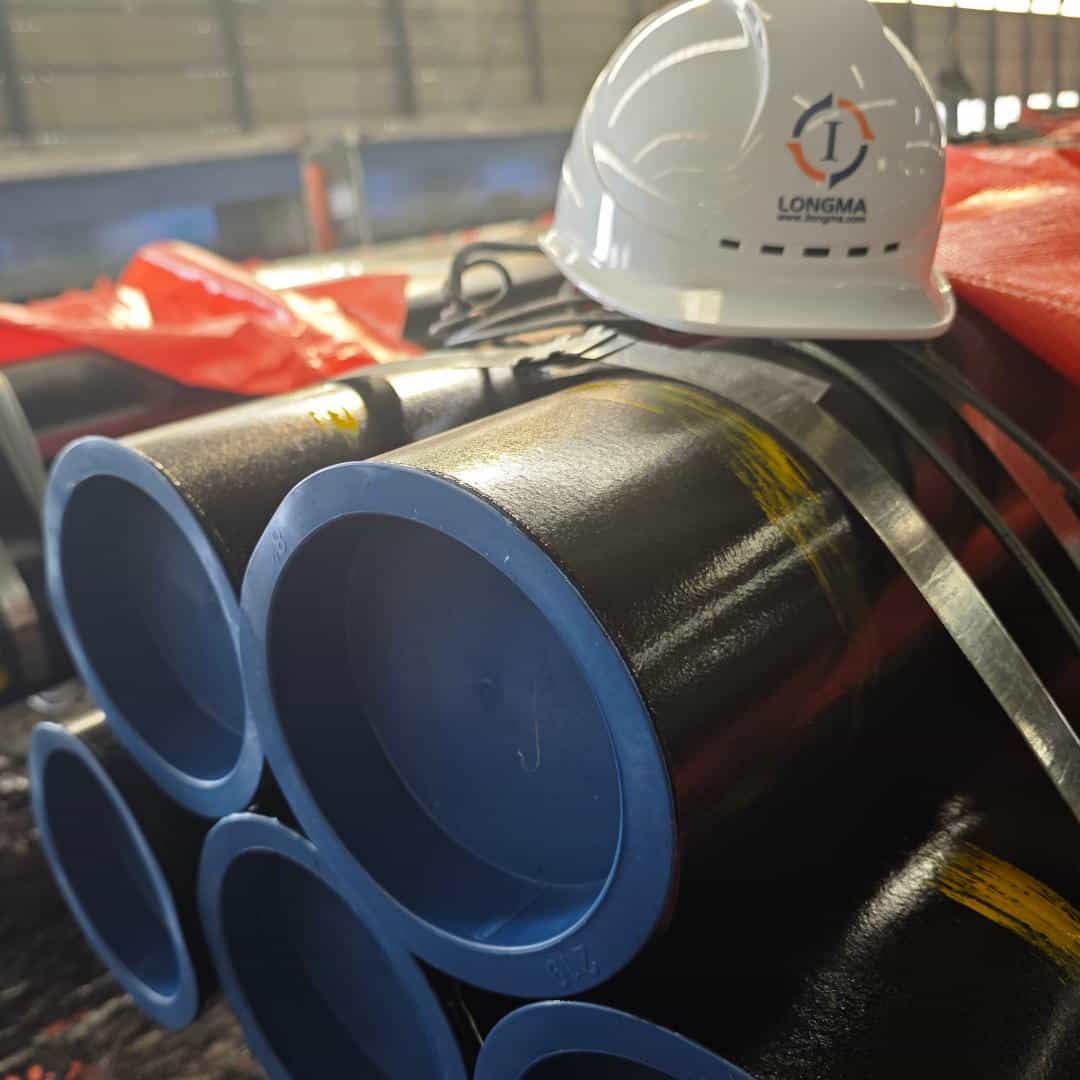
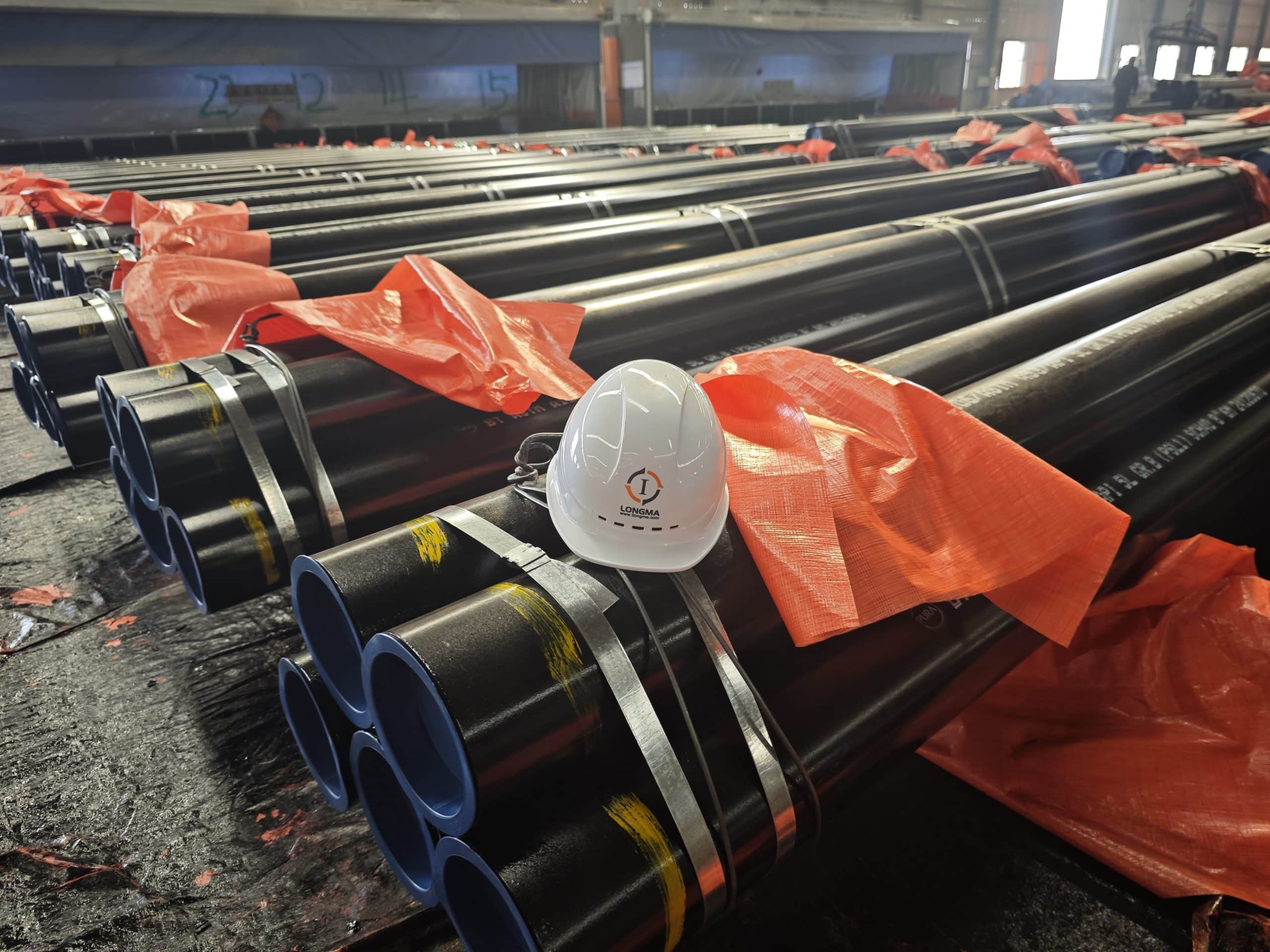
LONGMA focuses on round ERW and LSAW line pipe. For an API 5L PSL2 order, the required grade, OD, wall thickness, manufacturing route, toughness, NDE, hydrostatic testing and documentation should be confirmed from the purchase specification before production.
What Makes Sour-Service Line Pipe Different?
Sour service concerns exposure to H₂S-containing environments where hydrogen-related damage mechanisms can become relevant. API 5L includes sour-service provisions for PSL2 pipe, while ISO 15156/NACE MR0175 provides a material-selection framework for H₂S-containing oil and gas production environments. Whether those requirements apply must be determined from the actual service environment and the project specification.
SSC and HIC Are Not the Same Failure Mechanism
Sulfide stress cracking (SSC) involves cracking of susceptible material under tensile stress in an H₂S-containing environment. Hydrogen-induced cracking (HIC) is associated with hydrogen entering susceptible steel and developing internal cracking, often influenced by steel cleanliness and inclusion morphology. Because the mechanisms differ, purchasers should state the required test methods and acceptance criteria rather than using the general phrase “NACE testing” without further definition.
PSL2 vs. Sour-Service PSL2: Procurement Comparison
| Item | Standard PSL2 | Sour-Service PSL2 |
| Product basis | API 5L PSL2 | API 5L PSL2 plus applicable sour-service requirements |
| Chemistry | PSL2 controls for the specified product | Additional or modified controls where required by the sour-service specification |
| Hardness | As required for the specified product/service | Sour-service hardness requirements at specified locations and by specified methods |
| HIC / SSC testing | Not assumed solely from the term PSL2 | Specified according to applicable sour-service and project requirements |
| Service environment | Pipeline service within the design basis | H₂S-containing service where sour-service material qualification applies |
| Documentation | MTC and inspection records as ordered | MTC plus specified sour-service test/inspection records |
Avoid Universal Chemistry and Hardness Shortcuts
Sour-service procurement should not be reduced to a universal sulfur percentage, one hardness number or one carbon-equivalent limit. Limits can depend on grade, product form, manufacturing route, test location and the governing purchase specification. The current API 5L edition and the project data sheet should therefore be checked before chemistry or hardness values are placed on the purchase order.
HIC and SSC Testing
HIC and SSC tests may form part of a sour-service qualification package when required by the applicable API 5L provisions and project specification. The purchase order should identify the applicable test standard, specimen location, test environment and acceptance criteria. This is more reliable than stating that every sour-service order automatically receives one identical HIC/SSC test package.
External Coating Is a Separate Design Decision
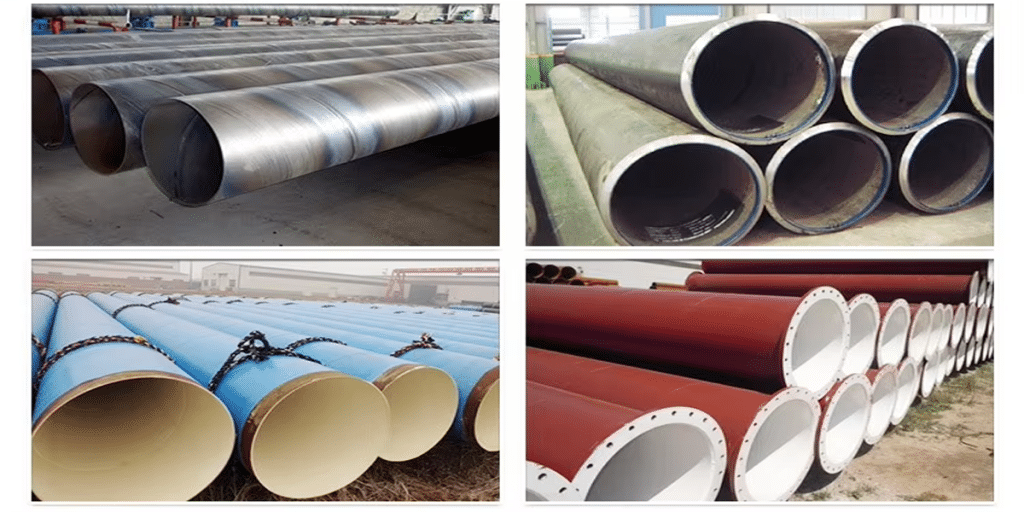
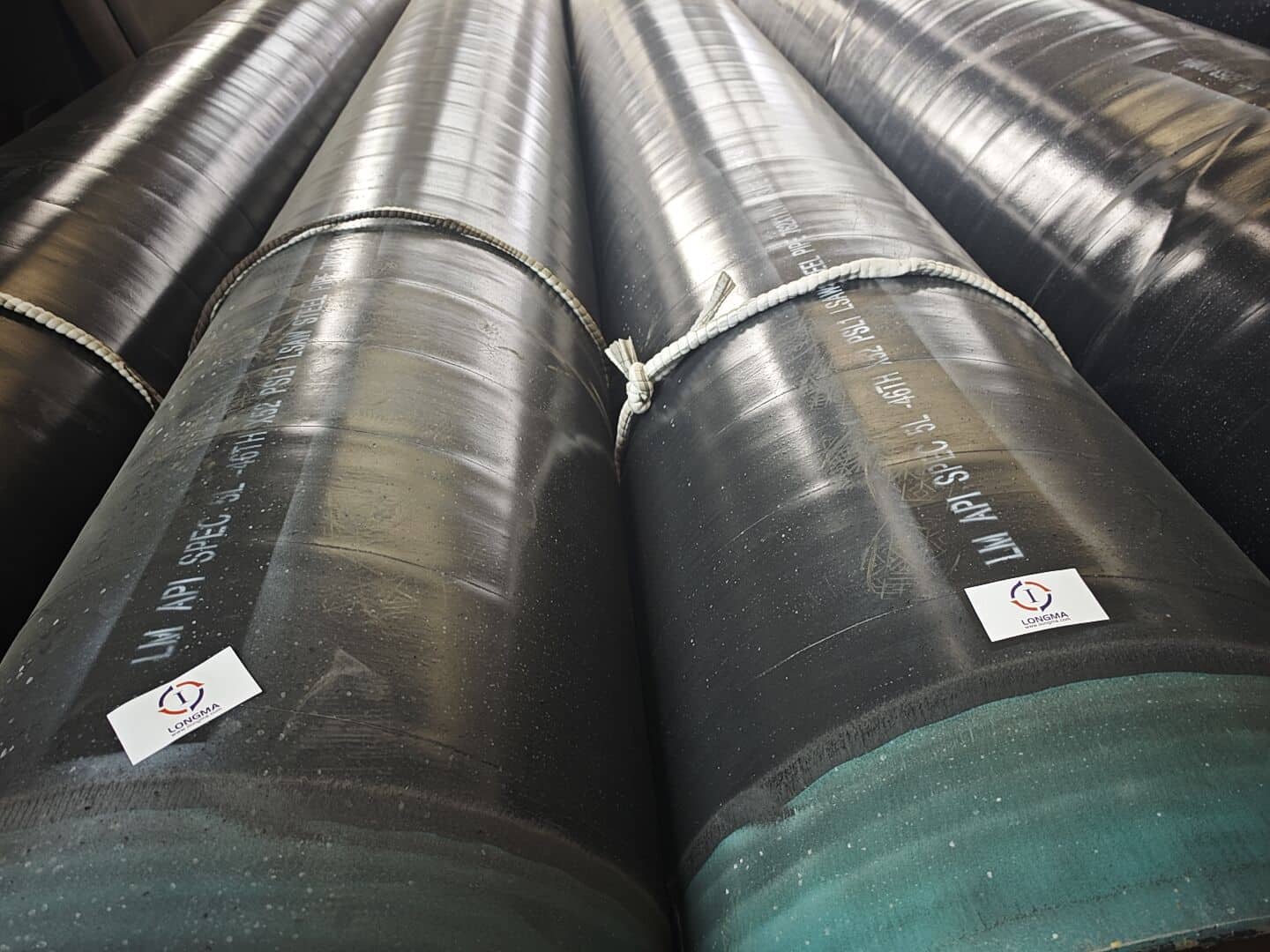
External coatings such as polyethylene systems or FBE can protect the external pipe surface, but they do not replace metallurgical qualification for internal H₂S service. DIN 30670-1:2024-01 applies to factory-applied extruded polyethylene coatings; FBE and polypropylene systems should be specified under their applicable coating standards or project specifications rather than being grouped under DIN 30670.
How to Specify the Right Pipe
- Confirm the API Spec 5L edition required by the project and specify PSL2 where applicable.
- Provide the actual service and fluid data required by the project’s material-selection procedure.
- State the applicable sour-service requirements instead of relying only on a grade suffix or general description.
- Define chemistry, hardness, toughness, HIC/SSC testing and acceptance criteria where required.
- Define manufacturing route, dimensions, NDE, hydrostatic testing and documentation requirements.
- Specify EN 10204 3.1 or 3.2 only as required by the purchase order and inspection arrangement.
- Define third-party inspection scope before production when purchaser witnessing is required.
LONGMA Manufacturing and Quality Support
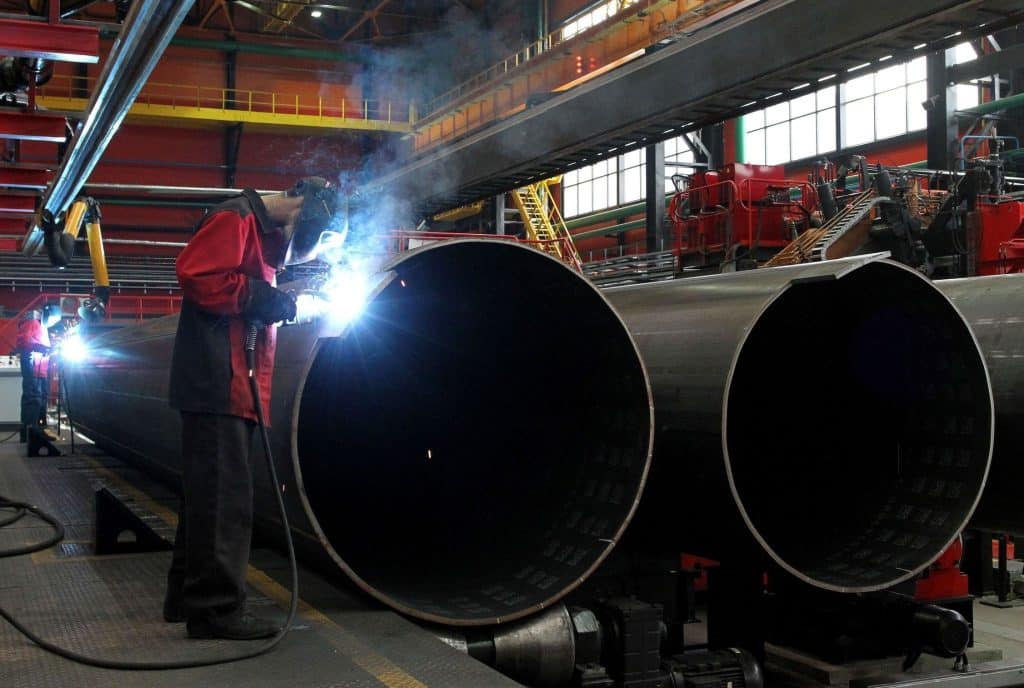
LONGMA manufactures round ERW and LSAW steel pipe for pipeline projects. Its production base covers approximately 230,000 square meters, with annual production exceeding 500,000 tons. For sour-service inquiries, LONGMA can review the customer’s specification and confirm the applicable manufacturing, inspection, testing and documentation scope before order acceptance. This avoids presenting optional or project-specific tests as universal requirements.
Conclusion
PSL2 is a product specification level; sour service is an additional service-related material requirement when the applicable project criteria call for it. Buyers should therefore avoid treating “PSL2” and “sour-service pipe” as equivalent. The safest procurement approach is to define the current project-required API 5L edition, service environment, applicable sour-service provisions, testing and documentation in the RFQ.
FAQ
- Is every API 5L PSL2 pipe suitable for sour service?
No. PSL2 alone should not be interpreted as automatic sour-service qualification. Applicable sour-service requirements must also be specified and satisfied.
- Does one H₂S partial-pressure number automatically determine the pipe specification?
No. The project engineer should apply the governing material-selection criteria to the actual H₂S-containing environment and service conditions.
- Are HIC and SSC tests the same?
No. They address different hydrogen-related damage mechanisms and use different test methods and acceptance criteria.
- Does external coating make standard PSL2 pipe suitable for sour service?
No. External coating controls external corrosion and does not replace the required material qualification for H₂S-containing service.