- 1. Understanding API 5L Grades
- 2. Common API 5L Grade Families
- 3. What Does the X-Number Mean?
- 4. PSL1 and PSL2 Are Not Pipe Grades
- 5. Higher Strength Does Not Automatically Mean Thinner Wall
- 6. Sour Service and Low-Temperature Requirements
- 7. ERW/HFW and LSAW Manufacturing Routes
- 8. Quality Control and Documentation
- 9. Corrosion Protection Is Not Determined by Steel Grade Alone
- 10. How Buyers Should Select an API 5L Grade
- 11. LONGMA API 5L Pipe Supply
- 12. Conclusion
- 13. FAQ
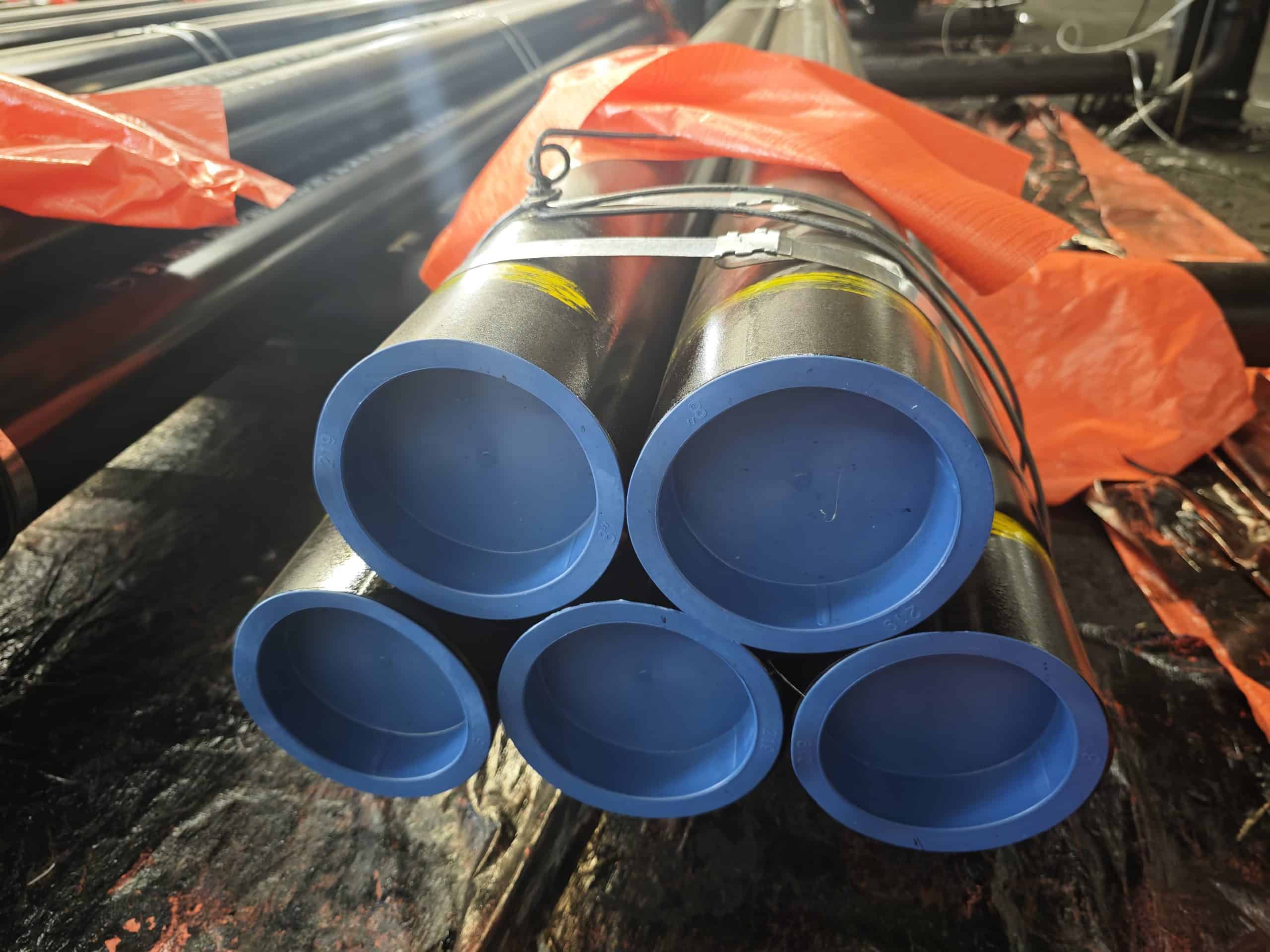
API Specification 5L covers steel line pipe used in pipeline transportation systems. Commonly specified grades include Grade B and X-grades such as X42, X52, X56, X60, X65, X70 and X80. The X-number is associated with the grade’s specified minimum yield strength in ksi, but grade selection should never be based on strength alone.
API published API Spec 5L, 47th Edition, in June 2026. ISO 3183:2019, Edition 4, remains current after review and confirmation in 2026; ISO states that this edition supplements API Spec 5L, 46th Edition (2018), with specified exceptions. Buyers should therefore identify exactly which standard and edition the project requires rather than describing API 5L 47th Edition and ISO 3183:2019 as fully aligned documents.
Understanding API 5L Grades
API 5L grade designations provide a standardized way to specify line-pipe strength and related product requirements. The selected grade works together with the product specification level (PSL1 or PSL2), dimensions, manufacturing route and supplementary requirements. A higher grade is not automatically a better choice: design pressure, diameter, wall thickness, temperature, fracture-control requirements, installation conditions, fluid composition and welding strategy all matter.
Common API 5L Grade Families
| Grade Group | General Engineering Context | Procurement Focus |
| Grade B / X42 | Widely used line-pipe grades where their specified properties satisfy the design | Confirm PSL, dimensions, chemistry and testing |
| X52 / X56 | Intermediate-strength options for pipeline designs requiring higher specified strength | Balance design requirements with weldability, dimensions and availability |
| X60 / X65 | Higher-strength grades widely considered for transmission applications | Confirm toughness, manufacturing route, welding and supplementary requirements |
| X70 / X80 | High-strength line-pipe grades for designs that benefit from higher specified strength | Detailed fracture, toughness, manufacturing and project qualification requirements become especially important |
What Does the X-Number Mean?
For API 5L X-grades, the number is linked to specified minimum yield strength in ksi. This naming convention helps engineers distinguish strength levels, but it should not be converted into a simple operating-pressure table. The allowable operating pressure of a pipeline is a design outcome involving pipe diameter, wall thickness, specified strength, design factor, temperature, corrosion allowance and the governing pipeline design code.
PSL1 and PSL2 Are Not Pipe Grades
PSL1 and PSL2 are product specification levels, not steel grades. A purchase order may therefore specify, for example, an X52 or X65 grade together with the required PSL. PSL2 adds requirements beyond PSL1 in several areas, but the exact scope must be checked in the applicable edition and for the specific product. It should not be described as legally mandatory for every high-pressure pipeline.
Higher Strength Does Not Automatically Mean Thinner Wall
Higher specified yield strength can provide design flexibility, but a change from one API 5L grade to another does not automatically permit a thinner wall. Wall thickness can also be governed by pressure design, fracture control, external loads, buckling, installation, corrosion allowance and other project requirements. Grade optimization should therefore be performed by the pipeline designer.
Sour Service and Low-Temperature Requirements
Sour-service suitability should be specified using the applicable sour-service provisions and project material-selection requirements rather than by assuming that one grade or one fixed hardness limit is universally acceptable. Likewise, Charpy test temperature and absorbed-energy requirements should come from the applicable product and project specification; a universal offshore value such as -20°C should not be assigned to every X65 or X70 order.
ERW/HFW and LSAW Manufacturing Routes
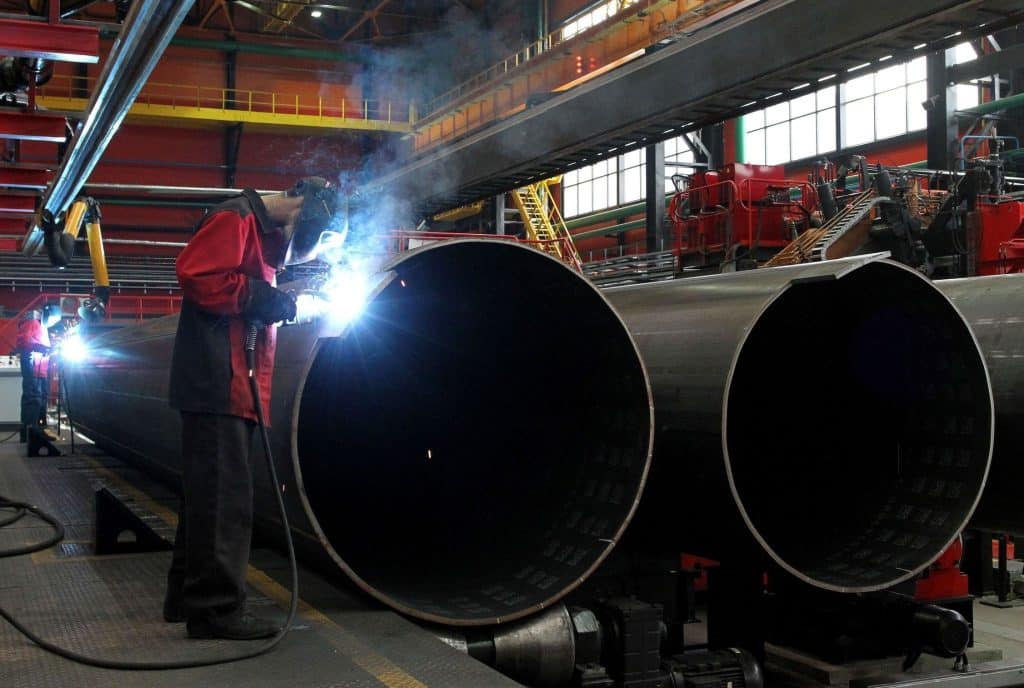
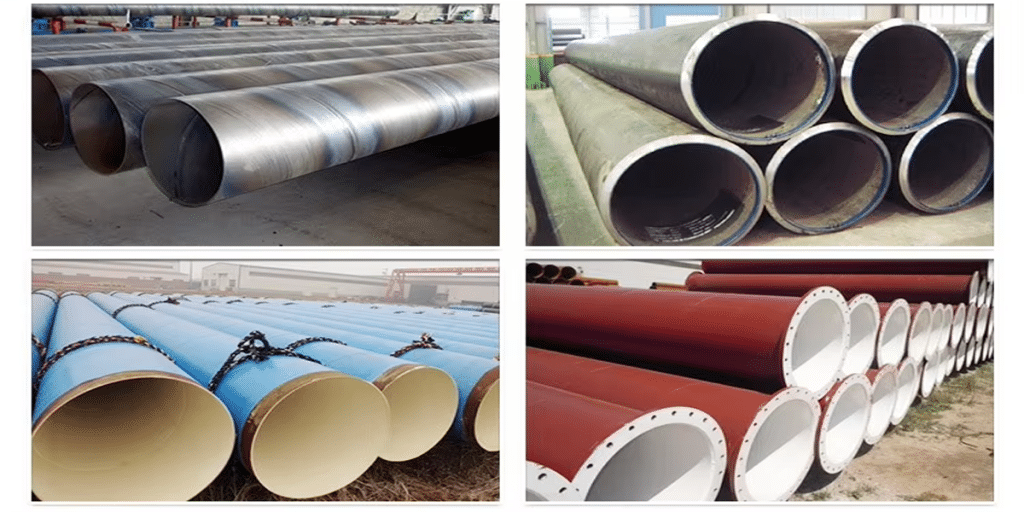
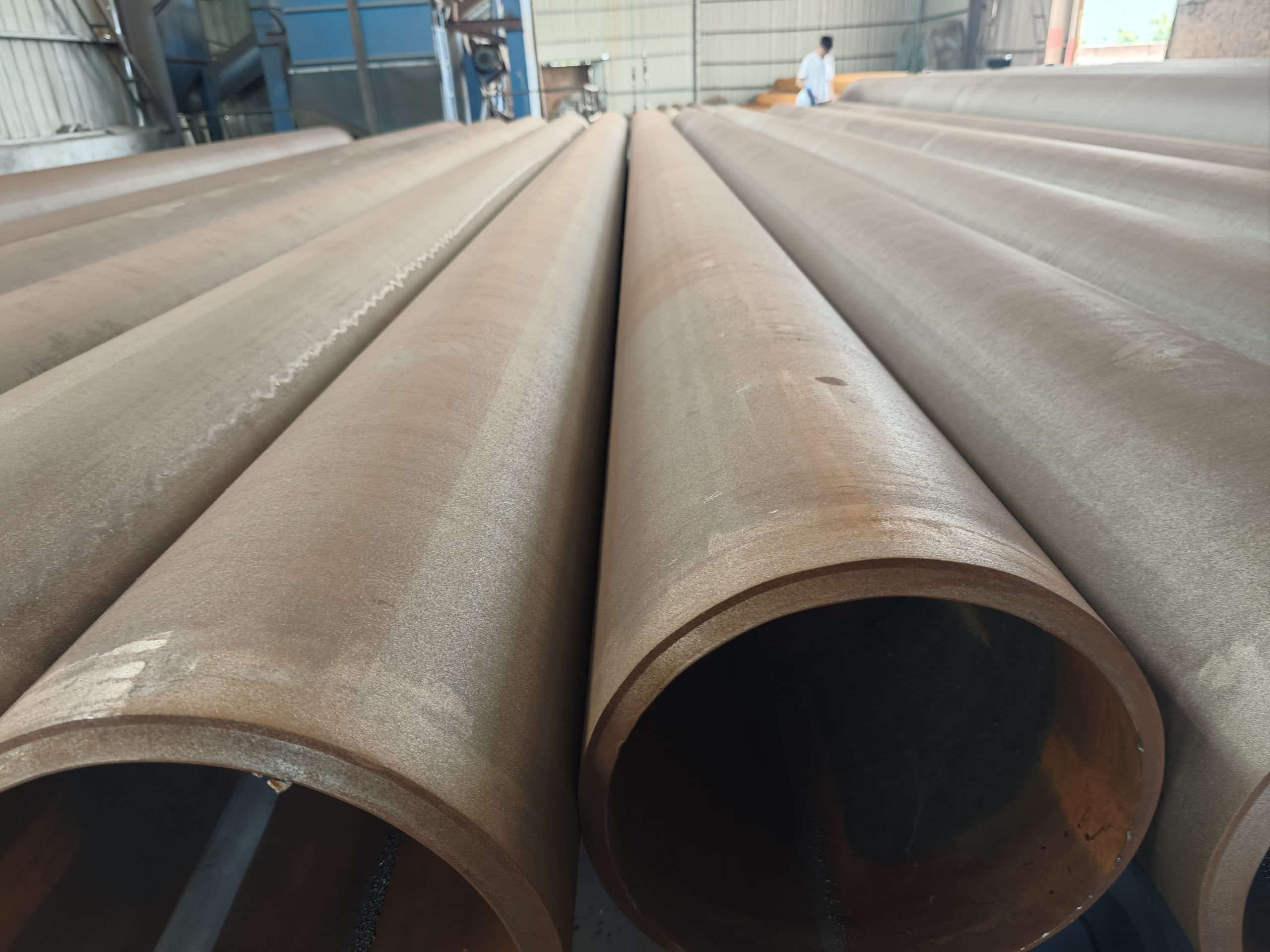
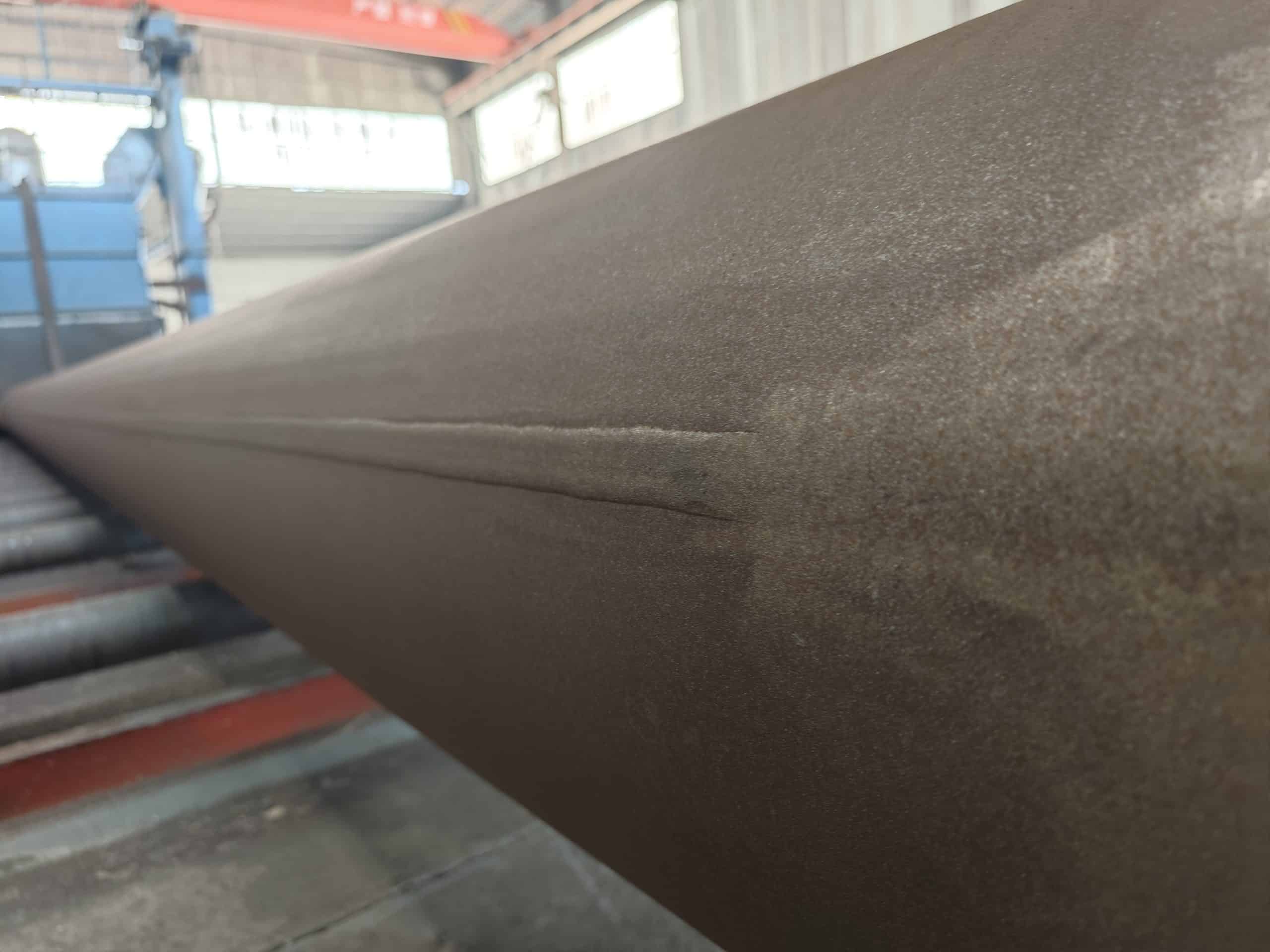
LONGMA produces round ERW and LSAW line pipe. ERW/HFW is a continuous coil-fed welded-pipe route, while LSAW uses plate forming and longitudinal submerged-arc welding. API 5L covers seamless and welded line pipe, and manufacturing-route selection should be based on the project specification, dimensions, grade and the mill’s qualified capability. A 24-inch boundary should not be presented as an API rule unless it is clearly identified as a particular mill’s manufacturing limit.
Quality Control and Documentation
- Confirm grade, PSL, dimensions and manufacturing route from the purchase specification.
- Maintain material identification and heat/batch traceability through production.
- Apply hydrostatic testing and NDE in accordance with the applicable product requirements and order.
- Perform mechanical, toughness and supplementary testing where required.
- Provide the inspection document specified by the order, such as EN 10204 3.1 or 3.2 when applicable.
- Arrange purchaser or third-party inspection according to the agreed inspection and test plan.
Corrosion Protection Is Not Determined by Steel Grade Alone
X65 or X80 is not inherently immune to corrosion simply because it has higher strength than Grade B or X42. External coating, cathodic protection, internal corrosion control and material selection should be based on the actual environment. DIN 30670-1:2024-01 applies to factory-applied extruded polyethylene coatings; FBE and polypropylene systems should be specified under their applicable standards or project requirements.
How Buyers Should Select an API 5L Grade
- Start with the pipeline design basis and governing design code, not a generic pressure-to-grade chart.
- Confirm OD, wall thickness, design pressure, temperature and corrosion allowance.
- Identify required PSL and manufacturing route.
- Define toughness, sour-service or other supplementary requirements where applicable.
- Check welding and field-construction requirements before changing grade.
- Verify the manufacturer’s qualified capability and documentation for the selected grade and dimensions.
LONGMA API 5L Pipe Supply
LONGMA manufactures round ERW and LSAW steel pipe for pipeline projects. The production base covers approximately 230,000 square meters, with annual production exceeding 500,000 tons. Rather than assigning fixed pressure ranges or universal applications to individual grades, LONGMA can review the customer’s grade, PSL, dimensions, manufacturing route, coating, inspection and documentation requirements against the order specification.
Conclusion
API 5L grades provide different specified strength levels, but grade selection is an engineering decision rather than a simple progression from low pressure to high pressure. Buyers should combine grade, PSL, dimensions, manufacturing route, service environment and project-specific testing requirements in one coherent purchase specification.
FAQ
- What does X65 mean in API 5L?
The X-number is associated with the grade’s specified minimum yield strength in ksi. The complete acceptance requirements still depend on the applicable API 5L edition, PSL and product details.
- Is PSL2 a steel grade?
No. PSL2 is a product specification level that is specified together with a grade such as X52, X65 or X70.
- Which API 5L grade should be used above 15 MPa?
There is no universal API rule assigning a particular grade solely from operating pressure. Grade and wall thickness must be selected through the applicable pipeline design process.
- Is X80 always better than X65?
No. Higher strength can be useful in some designs, but weldability, toughness, fracture control, manufacturing capability, availability and project economics also influence selection.
- Are API 5L 47th Edition and ISO 3183:2019 identical?
No. ISO 3183:2019 remains current, but ISO states that it supplements API Spec 5L 46th Edition (2018) with specified exceptions. The project should identify the required standard and edition.