- 1. Understanding the CHS Structural Section and AS/NZS 1163 Standard
- 2. Key Dimensions and Design Standards of AS/NZS 1163 CHS
- 3. Procuring AS/NZS 1163 CHS Pipes: Best Practices and Considerations
- 4. Ensuring Quality and Maximizing Value with AS/NZS 1163 CHS
- 5. Conclusion
- 6. FAQ
- 7. Partner with LONGMA for AS/NZS 1163 CHS Excellence
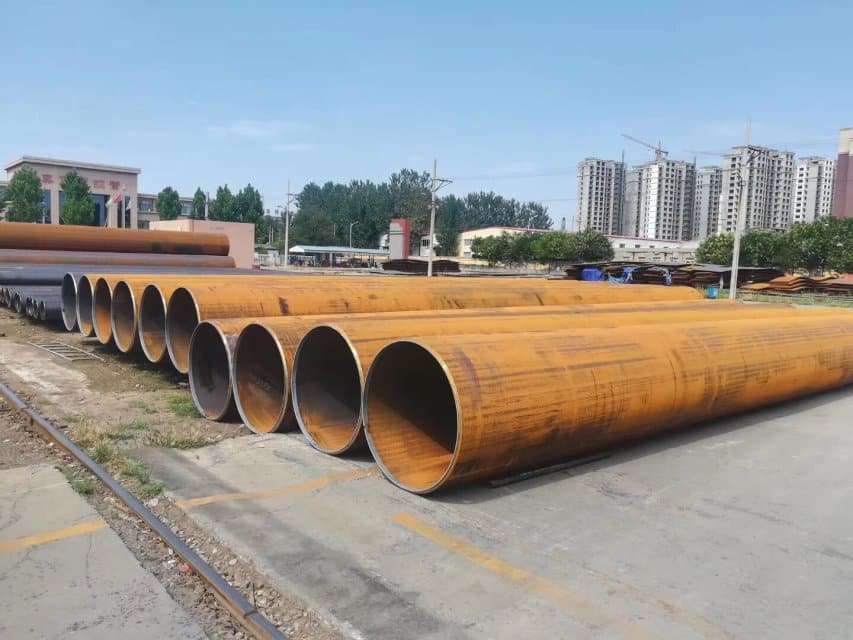
A circular hollow section (CHS) is a tubular steel profile with a circular cross-section, used for structural load-bearing purposes. Cold-formed steel pipes made to the AS/NZS 1163 CHS standard provide superior strength-to-weight performance, dimensional accuracy, and consistent mechanical qualities. The Australian/New Zealand Standard AS/NZS 1163 specifies chemical composition, yield strength, impact toughness, and dimensional tolerances so these hollow sections pass stringent building code requirements throughout Australia, New Zealand, Southeast Asia, and increasingly in mining and infrastructure projects worldwide.
We’ve worked with structural engineers, project managers, and procurement teams for years that depend on certified hollow parts to achieve tight compliance timelines and financial limitations. This book covers everything you need to know—from technical terminology and dimensional standards to procurement methods and quality verification—so you can successfully define and source AS/NZS 1163 CHS pipes that meet your project’s structural, safety, and commercial goals.
Understanding the CHS Structural Section and AS/NZS 1163 Standard
What Defines a CHS Structural Section?
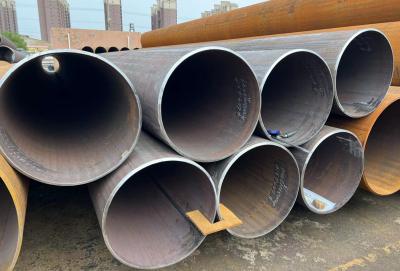
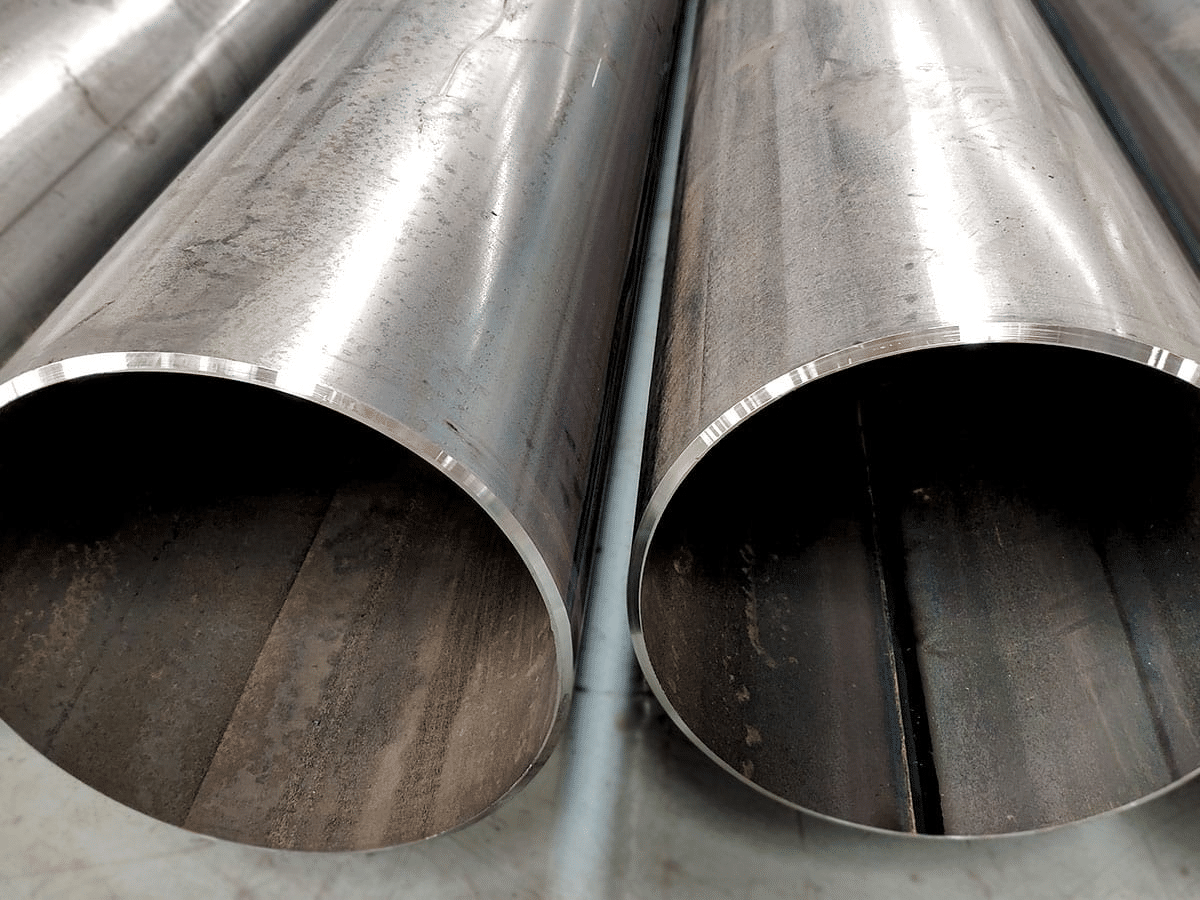
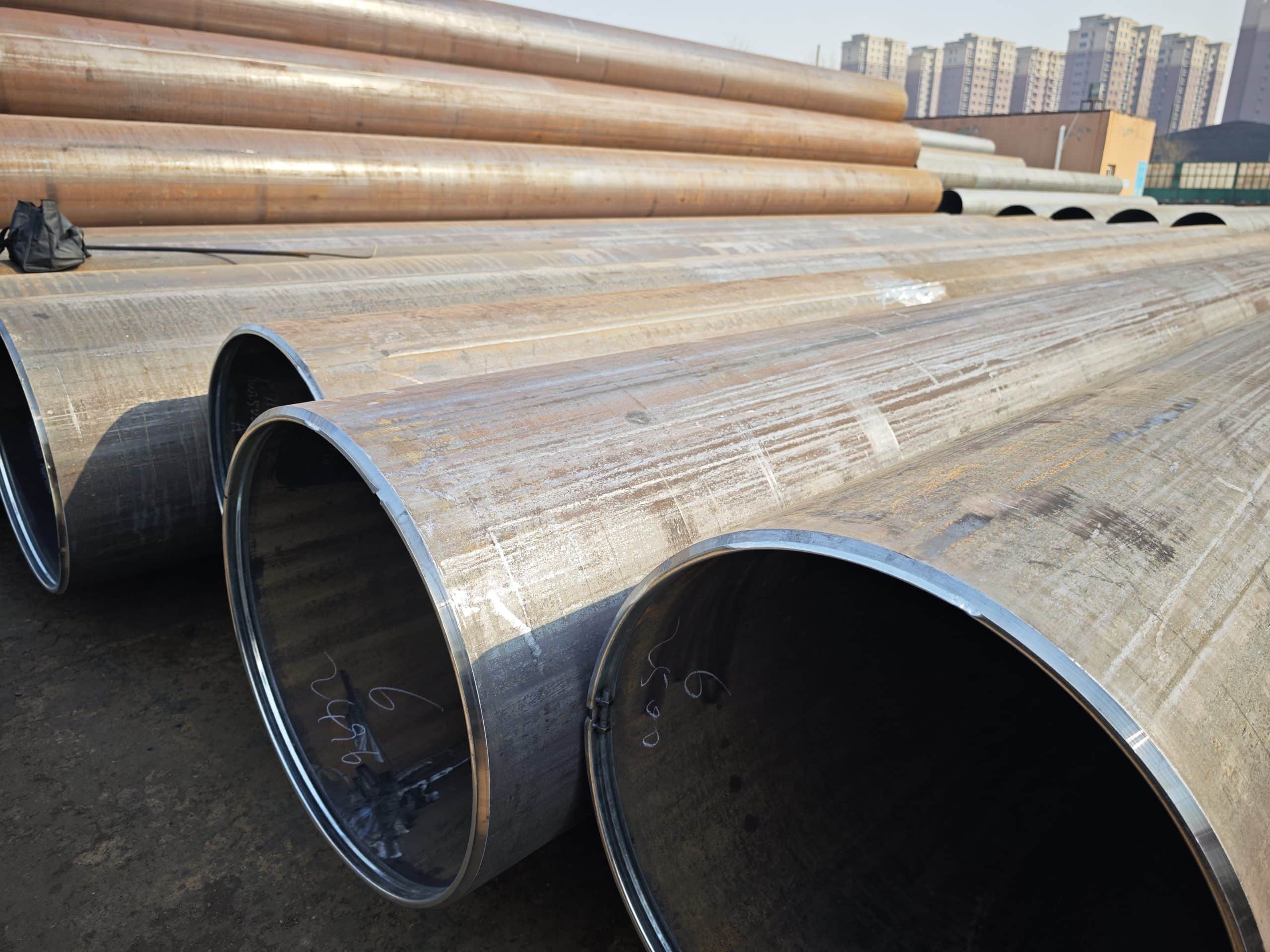
A circular hollow section, or CHS, is a steel tube produced by electric resistance welding (ERW) and cold rolling. CHS is a great solution for usage in columns, bracing, trusses, and architectural elements. Being circular means that load is distributed effectively when it is compressed, twisted, and bent. Cold-formed CHS offers a more consistent wall thickness and more accurate size tolerances than hot-finished seamless pipe. This is simpler to manufacture and needs fewer on-site modifications.
Role of AS/NZS 1163 in Structural Steel
AS/NZS 1163 defines specifications for cold-formed structural steel hollow sections. These include CHS (circular), SHS (square), and RHS (rectangular) profiles. It provides minimum yield strengths of C250 (250 MPa), C350 (350 MPa), C450 (450 MPa), and C550 (550 MPa) and limitations on carbon equivalents to improve the weldability of the metal. Grades like C350L0 include the “L0” suffix, which guarantees a minimum Charpy V-notch impact energy of 27 joules at 0°C. This prevents the steel from breaking readily in low-temperature or dynamic stress situations such as those in mining conveyors, bridge girders, and offshore platforms.
Manufacturing Process and Quality Control
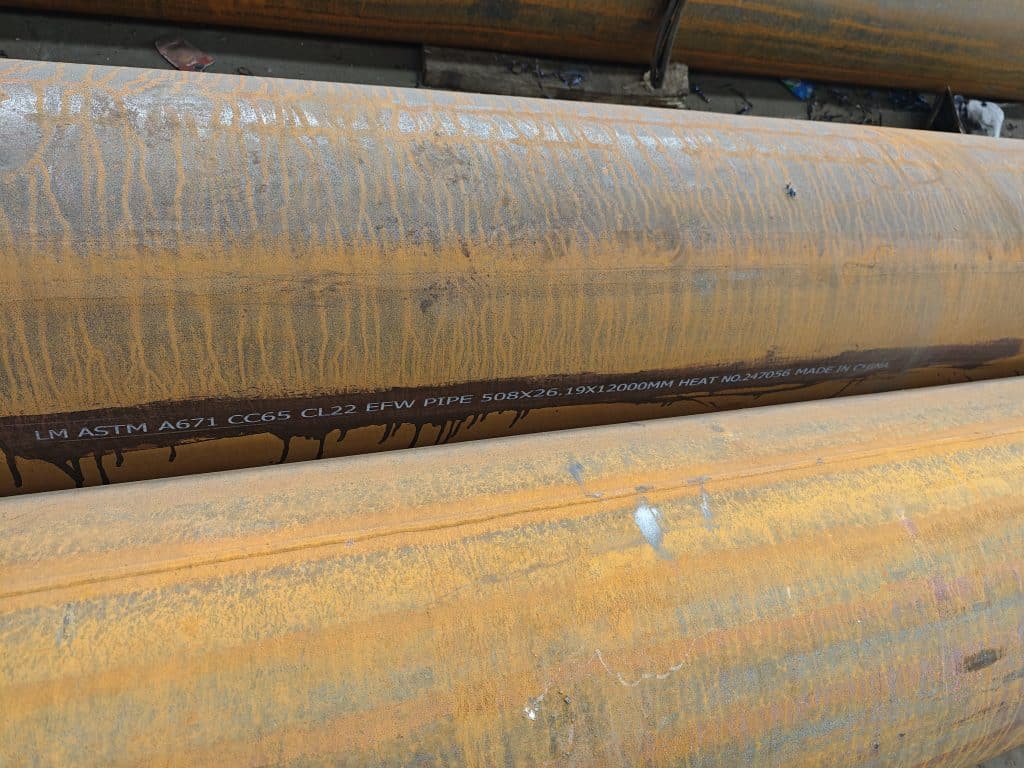
The starting point is good-quality hot-rolled coil, which is slit into strips and cold shaped into a circle before being longitudinally linked by high-frequency ERW. Internal defects and lack-of-fusion are detected by eddy current testing on the weld seam. Samples from each heat are sized and straightened, then undergo tensile testing (AS 1391) and Charpy impact testing for L0 grades. Outer diameter, wall thickness, and straightness checks are compared to AS/NZS 1163 Table 8 tolerances to ensure that tolerances for all lengths are within ±10% wall thickness variation and 0.15% maximum bow per total length. Each shipment includes a Mill Test Certificate (EN 10204 3.1) with heat figures, chemical analysis, and mechanical test data. This makes it easier for the building authority to examine the quality of the job.
Key Dimensions and Design Standards of AS/NZS 1163 CHS
Standard Diameter and Wall Thickness Ranges
AS/NZS 1163 CHS pipes may be manufactured with outer diameters from 21.3 mm up to 508 mm and upwards for custom requests. Wall thicknesses are standard and vary from 2.0 mm to 16.0 mm. Common diameters for buildings include 88.9mm, 114.3mm, 168.3mm, and 219.1mm. These sizes fit the grids of modular design and typical connection specifications. Wall-thickness increases are based on nominal designs recognized across the globe. This allows for stock control and reduces lead times for pressing project supplements.
Dimensional Tolerances and Their Impact
Acceptable deviations are indicated in AS/NZS 1163 table 8 as:
- Outside diameter: +1.0% or +0.5 mm, whichever is more
- Wall thickness: approx. 10% of real thickness
- Straightness: 0.15% of total length
- 4 x to 3.0 x wall thickness (for SHS/RHS) Corner radii
These precise tolerances allow prefabricated steel frames using AS/NZS 1163 CHS to slot together with little gap, which reduces the requirement for weld preparation and repair. The connection of SHS beams to CHS columns is facilitated by the consistent corner angles, allowing the use of standard gusset-plate templates. This speeds up work in the workshop and decreases labor expense.
Structural Load Capacities and Design Considerations
Circular pieces are better at resisting twisting and bending than open forms because they have a larger moment-of-inertia-to-weight ratio. For example, a CHS 168.3 mm × 6.4 mm wall of grade C350 with the design yield strength of 350 MPa may be utilized for the chords of stadium roof trusses or the columns of multi-story steel frames. When hot-dip galvanizing (AS/NZS 4680) is applied to the same part, it may endure for 50 years in coastal settings without having to be painted again. That saves a lot of money in maintenance costs.” Engineers prefer the fact that CHS is symmetrical, which implies that the section characteristics are the same around any axis. This simplifies the construction of connections and their analysis when loaded together.
Procuring AS/NZS 1163 CHS Pipes: Best Practices and Considerations
Evaluating Supplier Credentials and Certifications
EN 10204 3.1 Mill Test Certificates are standard for reliable AS/NZS 1163 CHS suppliers that are ISO 9001 quality management certified. Find out whether the supplier’s manufacturing line is equipped with automated dimensional scanning, in-line weld inspection (eddy-current or ultrasonic), and impact testing capabilities for L0 grades. Also, get copies of previous MTCs and audit reports from independent organizations like Lloyd’s Register or Bureau Veritas to ensure you’re still obeying the laws. Traceability systems at reputable suppliers record the heat numbers and source of the coils. This helps them swiftly split batches if there are difficulties during construction.
Pricing Dynamics and Volume Discounts
Hot-rolled coil indices, freight costs, and the strength of the dollar are the factors influencing structural hollow-section prices. Australian items themselves often cost 20-30% more than Chinese products, since they take more energy and labor. Bulk orders of more than 100 tons or barrels of 25 to 30 tons are subject to tier pricing that reduces the cost per ton by 8 to 15%. Quarterly call-offs on blanket purchase agreements help maintain budgets and priority production areas during busy construction seasons. This reduces the danger of material delays causing project-paid damages.
Lead Times and Delivery Logistics
88.9, 114.3, 139.7, 168.3, and 219.1 mm stock diameters are available ex-works from Chinese ERW mills such as LONGMA that have a lot of stock that can ship in 7-14 days. Orders for custom wall thicknesses, lengths above 12 meters, or L0-grade require 30 to 45 days, which involves searching for the coil, setting up the machine, and evaluating the completed product. Sea freight from Chinese ports (Shanghai and Tianjin) to Sydney, Melbourne, or Auckland takes 18 to 24 days. It will take another 5 to 7 days for customs clearance and interior transportation. Air freight consolidation of vital goods is best suited for 5-7 day urgent deliveries of up to 2 tons per pallet. But it’s 3-4 times as expensive.
Customization Options and Technical Support
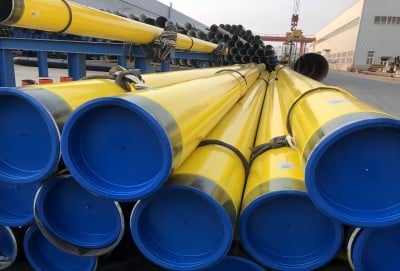
Additional services include threading, galvanizing, bevel-end preparation, and epoxy coating from leading vendors. Pre-galvanized AS/NZS 1163 CHS is supplied to the construction site ready to go, which eliminates off-site treatment and reduces installation schedules. Technical sales teams may provide section-property tables, guidance on connection design, and CAD models for use with Tekla, Advance Steel, or SDS/2, making detailing much simpler. Some projects require non-standard sizes, such as extra-heavy walls for seismic zones or longer truss chords, and experienced manufacturers work together on feasibility studies, tolerance adjustments, and proof-testing protocols to ensure that custom solutions will meet AS/NZS 1163 requirements without issue.
| Dimension | Critical Threshold | Typical Outcome |
| Bulk order discount | >100 tons or full container (25–30 t) | 8–15% per-ton saving |
| Stock item lead time | Common diameters listed above | 7–14 days ex-works |
| Custom order lead time | Non-standard wall / length / L0 | 30–45 days production |
| Total sea-freight door-to-site | China → Australia/NZ | ~23–31 days (18–24 sea + 5–7 clearance/inland) |
| Local product premium | Australian-made vs. Chinese import | +20–30% |
| Air freight premium | vs. sea freight | 3–4× cost |
Ensuring Quality and Maximizing Value with AS/NZS 1163 CHS
Verification Through Certification and Documentation
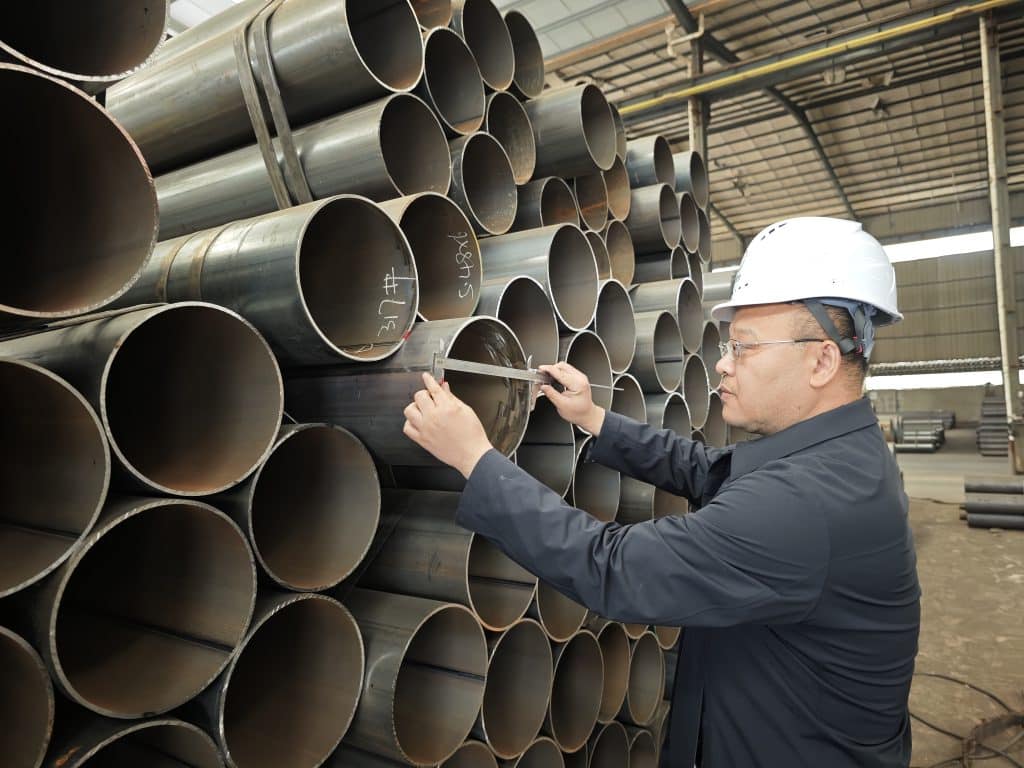
When the mill test certificate data (heat number, yield strength, tensile strength, elongation, and impact energy) is delivered, it should be compared to the specs on the buy order. Using calibrated Vernier calipers, ultrasonic thickness gauges, and laser straightness instruments, make sure that the measurements for the outer diameter, wall thickness, and length are all within the AS/NZS 1163 tolerances. Third-party inspection companies like SGS, Intertek, and TÜV can do pre-shipment audits that include tensile tests, impact tests, and dimensional checks. They can then issue certificates that meet prudent engineer requirements and cut down on disputes on-site.
Storage, Handling, and Maintenance Best Practices
To keep the surface from sagging and getting dented, store CHS pipes on wooden dunnage 150 mm apart. Covered tarps or sheds must be used for outdoor storage to keep galvanized surfaces from getting wet for long periods of time, which can cause white rust (zinc hydroxide). Rotate your stock so that earlier items ship before new ones. This will keep your records clear and keep your products from going out of date. To keep zinc coats from getting scratched, use nylon slings to hold boxes together during transport instead of wire rope. Put a heat number, grade, and measurement tag on each bundle. This makes it easier to find during site distribution and makes it easier to follow the audit tracks during building inspections.
Lifecycle Cost Analysis and Specification Accuracy
By choosing the right wall thickness and steel grade, you can balance the cost of the materials up front with their performance over time. Over-specifying—picking C450 when C350 will do—raises costs for purchases without improving the structure, and under-specifying raises the risk of deflection limits, wear failures, or not following the rules. Using accurate load analysis and AS/NZS 1163 CHS section tables to find the lightest designs that still meet serviceability and ultimate-limit-state standards is how designs get better. Galvanized hollow sections don’t need to be painted over their 50-year design life, which saves 15–25% in net present value compared to bare steel that needs to be maintained every two years. This is especially appealing to public infrastructure asset managers who are interested in whole-life costs.
Emerging Trends in CHS Manufacturing
Laser-welded seams and robotic weld-profile grinding are two new forming technologies that improve the look and quality of the weld. These technologies are popular in building projects where the visible steelwork needs to look perfect. Digital twin platforms combine production data with quality metrics. This lets you track equipment in real time and plan maintenance ahead of time, which lowers the rate of variation and nonconformance. Electric-arc-furnace steel with 70–90% recycled material is becoming more popular because of sustainability efforts. This lowers the amount of carbon that is built into the steel without affecting its mechanical performance according to AS/NZS 1163. Buying this steel is in line with ESG pledges and green building rating systems like Green Star or LEED.
Conclusion
The circular hollow section made to AS/NZS 1163 CHS standards is a tried-and-true, low-cost way to build structures that offers accurate measurements, reliable mechanical qualities, and full traceability. By knowing the standard’s requirements for things like yield grades, impact toughness, and tolerances, procurement professionals can choose pipes that meet building codes, speed up fabrication, and lower costs over the life of the pipe. Comparing AS/NZS 1163 to other standards around the world shows that it has special benefits when it comes to being able to be welded, working well in cold temperatures, and strict certification requirements. These benefits make it the standard of choice in Oceania, Southeast Asia, and beyond. Working with ISO 9001-certified suppliers who offer EN 10204 3.1 documentation, flexible lead times, and services that add value to your projects will help them stay on schedule, on budget, and in line with changing building standards.
FAQ
1. What distinguishes AS/NZS 1163 CHS from other circular hollow sections?
Because of strict limits on their yield strength, impact toughness, and carbon-equivalent, AS/NZS 1163 CHS pipes are cold-formed using ERW and put through tests. Charpy impact energy is guaranteed at 0°C by the L0 suffix. This is higher than room-temperature standards like ASTM A500, which makes them perfect for environments with low temperatures or changing loads. Full traceability through EN 10204 3.1 Mill Test Certificates makes it easier for regulators in Australia and New Zealand to give approvals.
2. Can AS/NZS 1163 CHS pipes withstand extreme weather and corrosive environments?
Of course. AS/NZS 1163 CHS parts that have been hot-dip galvanized in accordance with AS/NZS 4680 will not rust or corrode when they are exposed to salt water for more than 50 years. The C350L0 and C450L0 grades stay tough at freezing temperatures, so they don’t break easily in alpine or offshore installations. In chemically harsh environments, epoxy or polyurethane topcoats make the service life even longer.
3. What are typical lead times for bulk orders of AS/NZS 1163 CHS pipes?
From big Chinese mills like LONGMA, stock sizes ship in 7–14 days. It takes an extra 30 to 45 days for custom wall thicknesses, lengths, or L0-grade testing. It takes 18–24 days for sea freight to get to ports in Australia or New Zealand, plus processing time. Forward ordering and blanket purchase agreements help avoid traffic jams during busy times, making sure that deliveries happen on time and in line with building goals.
Partner with LONGMA for AS/NZS 1163 CHS Excellence
Precision, compliance, and dependability are all things that structural projects need, and LONGMA has provided them since 2003. As a top AS/NZS 1163 CHS manufacturer, we make cold-formed ERW hollow sections in grades C250, C350, C450, and C550, as well as L0 impact-tested versions, with diameters ranging from 21.3 mm to 508 mm. Our facilities are 230,000 square meters and are ISO 9001 certified. They produce more than 500,000 tons of steel each year and keep full records from the coil to the certified Mill Test Certificate. Our technical sales team can help you find columns for a high-rise building in Sydney, truss chords for a mining gantry in Perth, or bridge piers for infrastructure in Auckland. They can also provide EN 10204 3.1 documentation, custom lengths up to 18 meters, hot-dip galvanizing, and fast shipping to meet your tight deadlines. Contact info@ilongma.com right away to talk about your AS/NZS 1163 CHS supplier needs, get a detailed quote, and see how much easier it is to work with a trusted, globally proven structural steel expert.