- 1. Structural Steel Tubes Role in Sustainability
- 2. Environmental Advantages of Using Structural Steel Tubes
- 3. Selecting Sustainable Structural Steel Tubes for Your Projects
- 4. Future Trends and Innovations Boosting Structural Steel Tube Sustainability
- 5. Conclusion
- 6. FAQ
- 7. Partner with LONGMA for Sustainable Structural Steel Tube Solutions
The construction and renewable energy industries today are facing growing demands for structural integrity and environmental responsibility. Structural steel tube products offer high-strength solutions at this critical juncture, helping to meet the carbon-reduction objectives that increasingly shape procurement decisions worldwide. Engineering businesses and fabricators are seeing ever more stringent sustainability reporting requirements, and the materials they choose now will define their competitive standing tomorrow. This guide considers how cold formed welded hollow sections, namely those manufactured to EN 10219, may contribute to achieving sustainability goals by providing real life cycle advantages, production efficiencies and suitability for the circular economy. We will be exploring technological qualities that decrease environmental impacts without sacrificing structural performance, providing procurement experts with useful information for making greener supply chain choices.
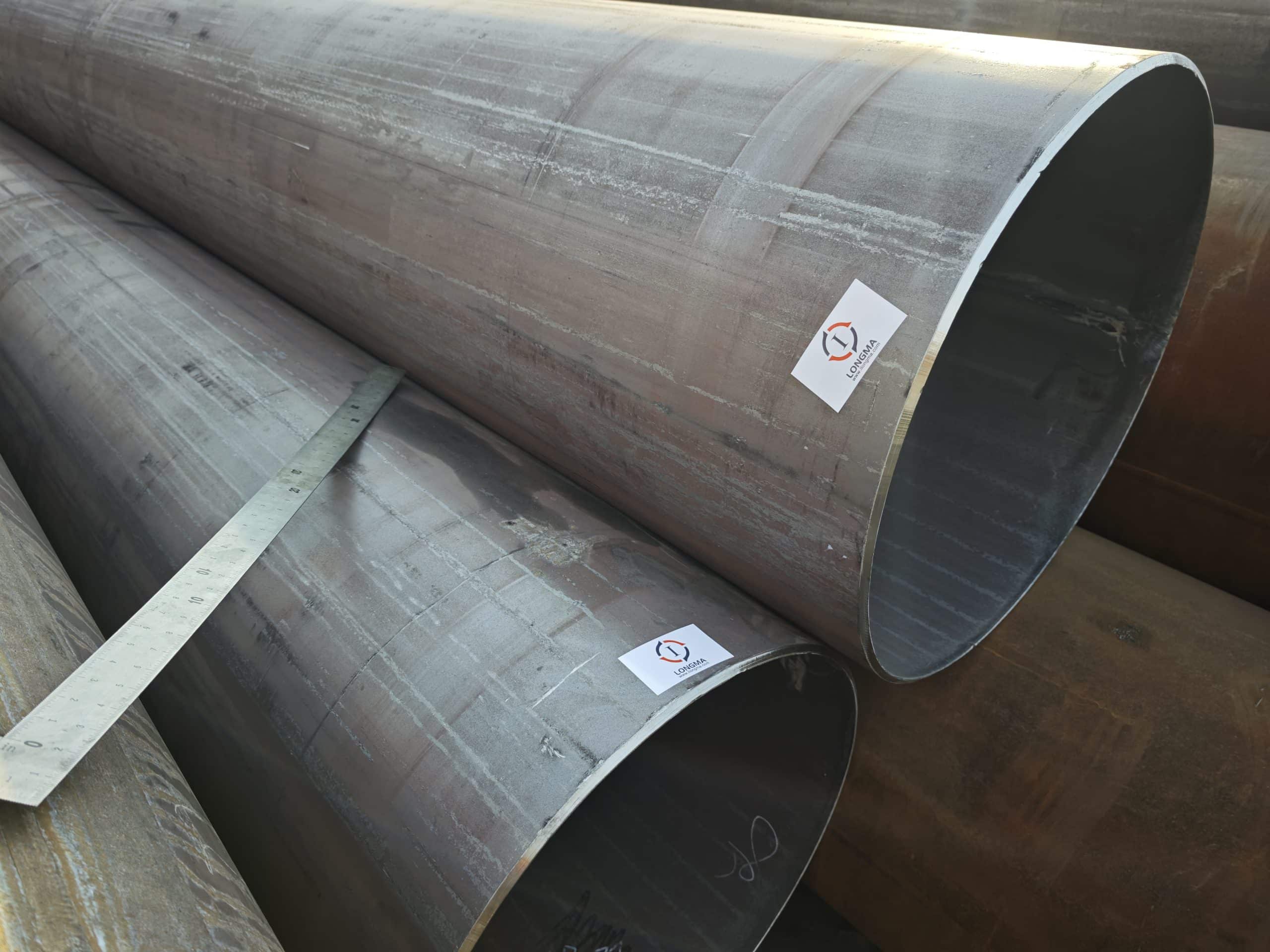
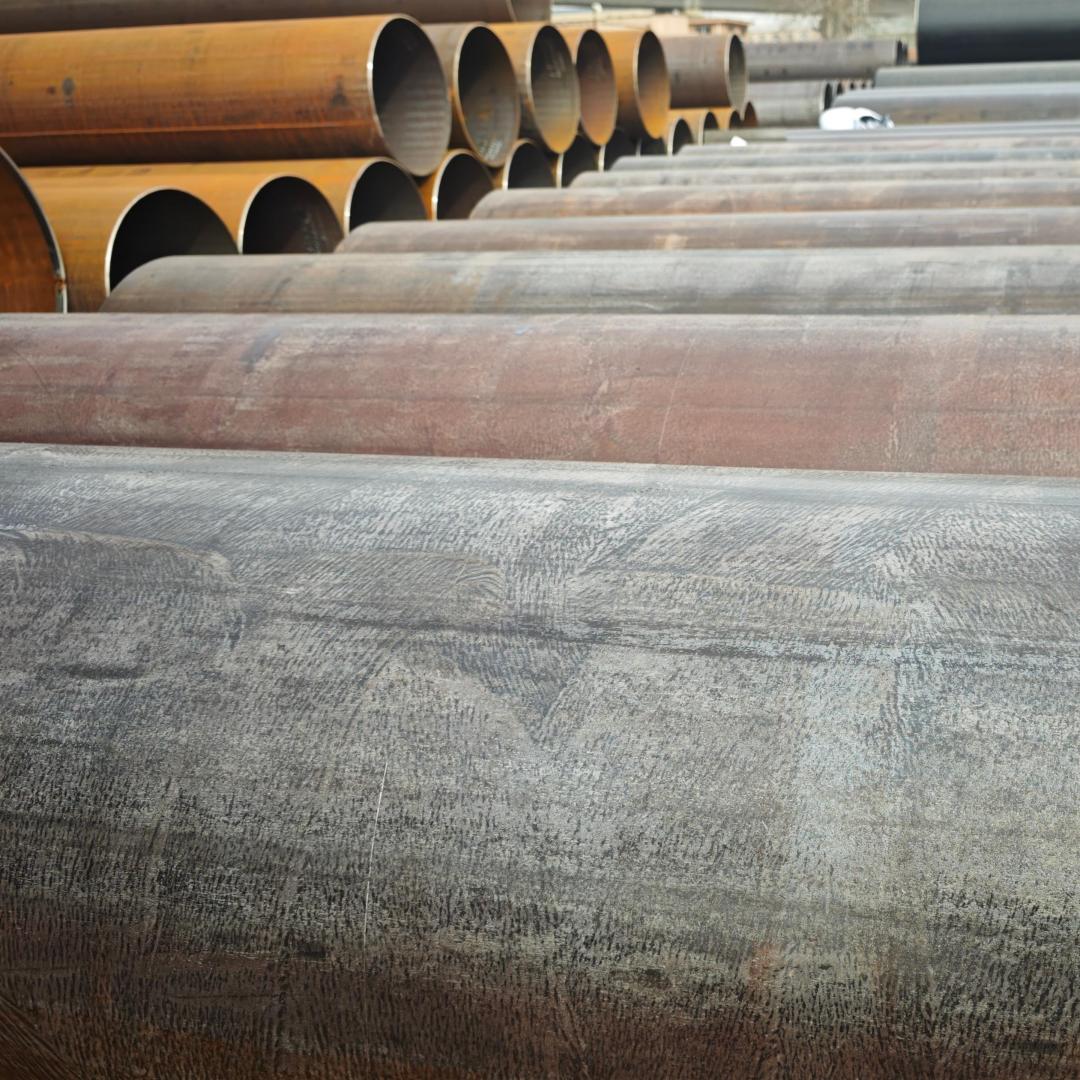
Structural Steel Tubes Role in Sustainability
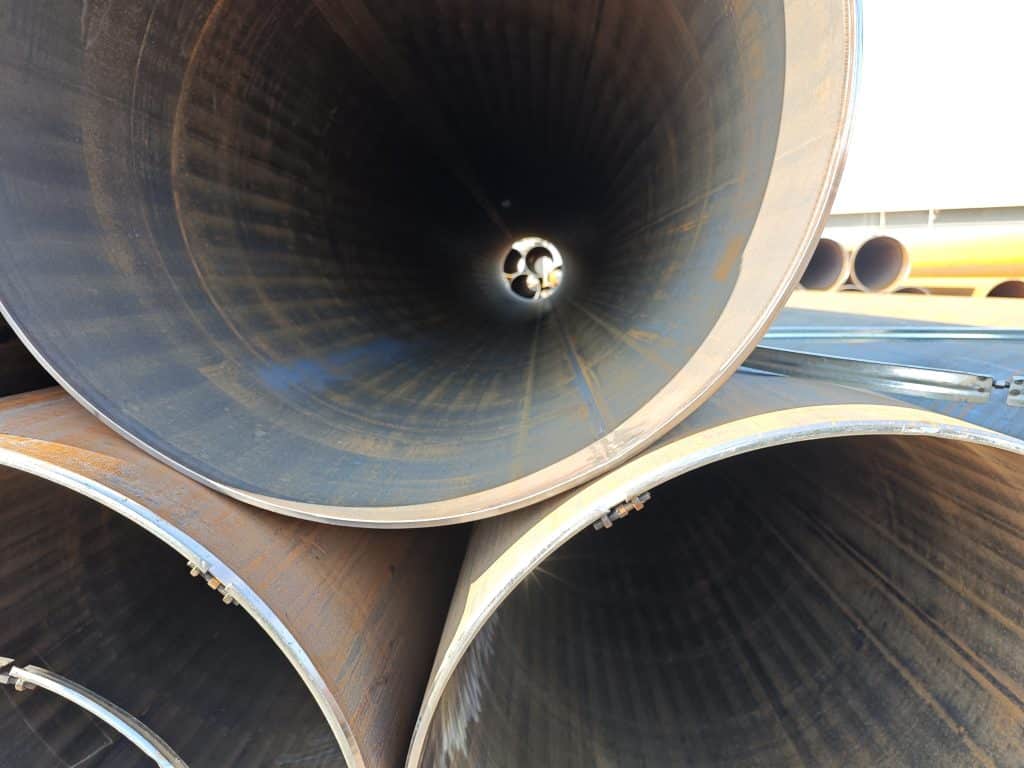
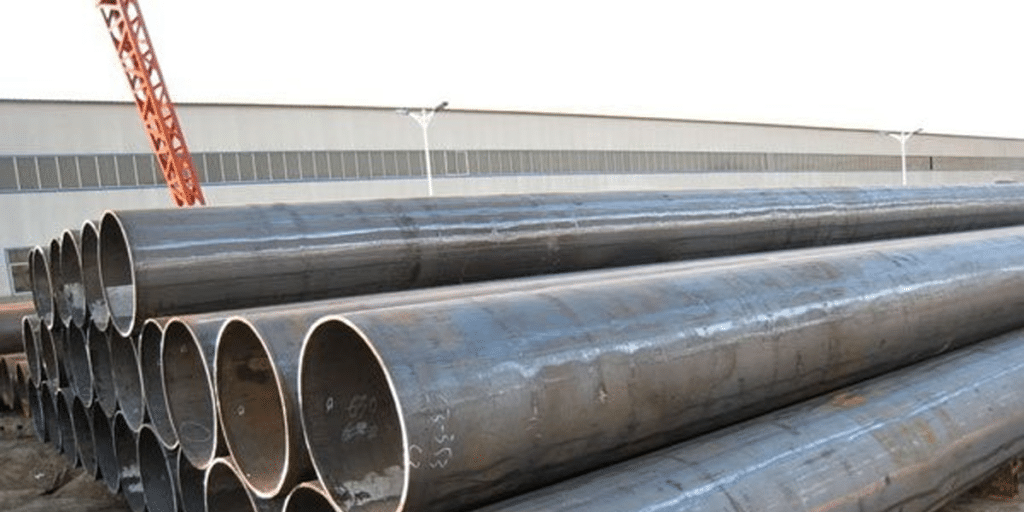
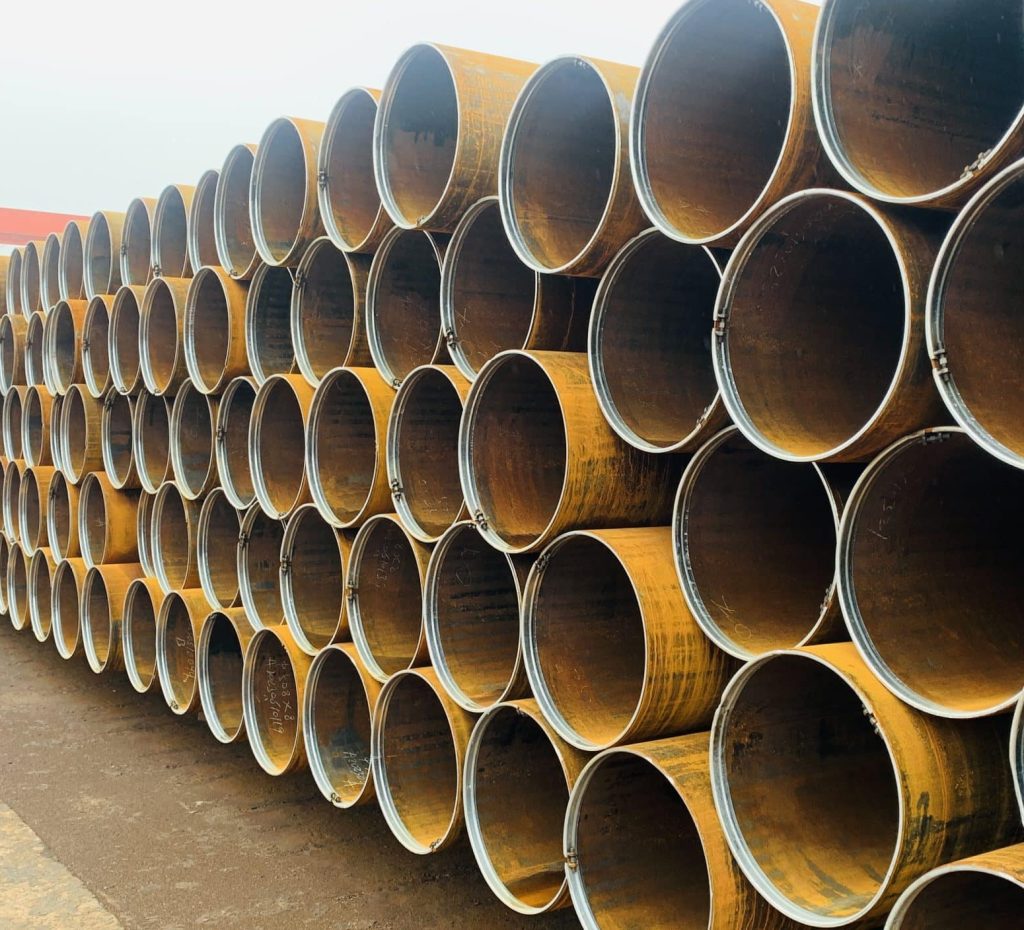
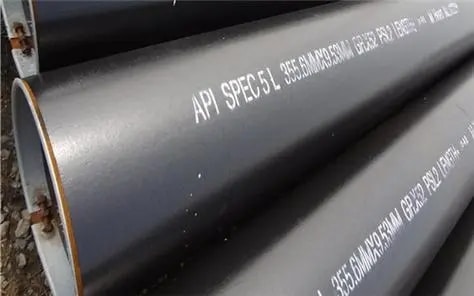
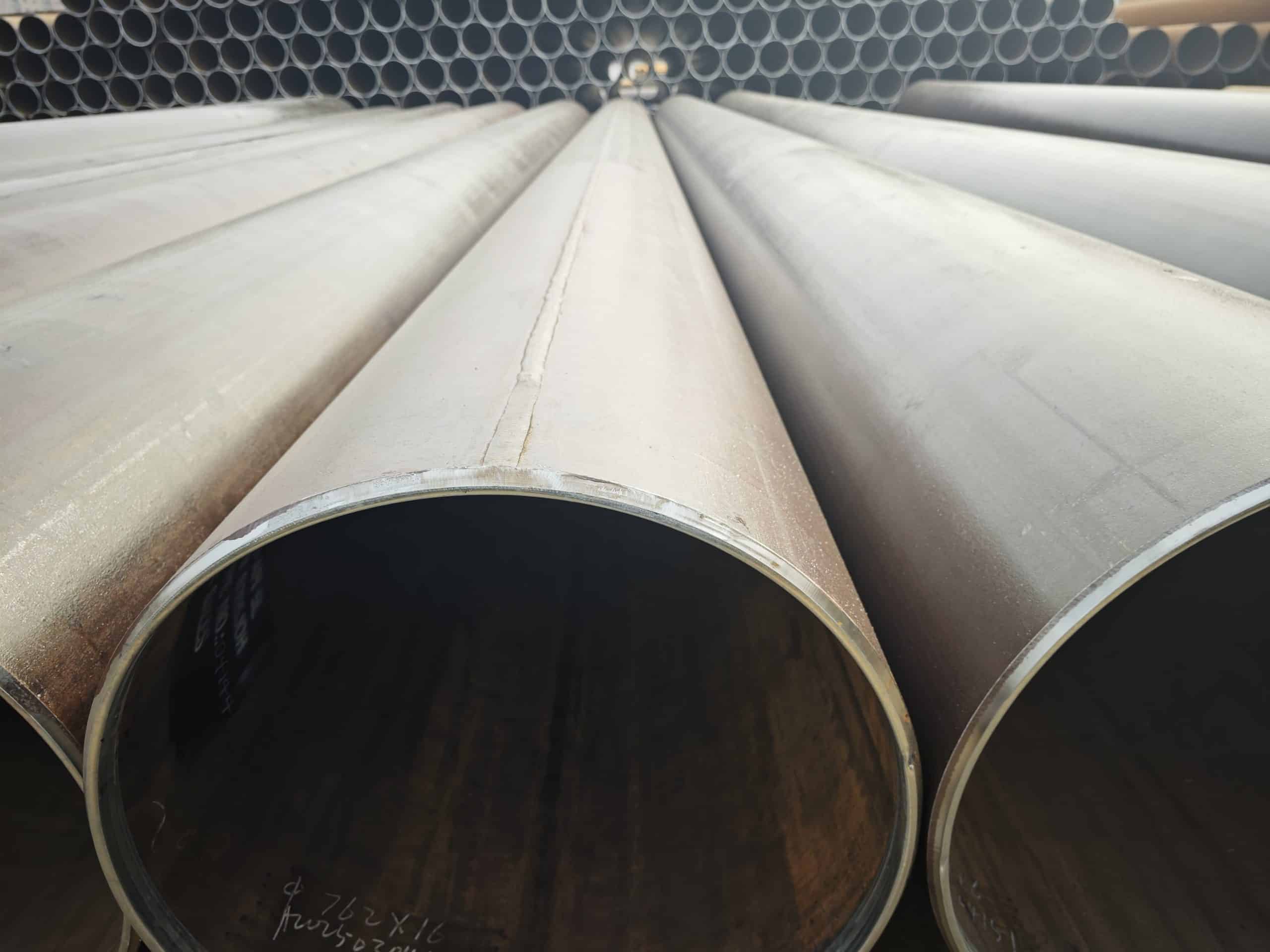
Steel hollow sections (SHS) according to EN 10219 specifications are cold-formed welded products available in circular (CHS), square (SHS) and rectangular (RHS) shapes. These structural steel tube products have strength-to-weight ratios that enable designers to utilize less material to fulfill load requirements, a basic tenet of sustainability. Grades like S355J2H give tensile strengths over 470MPa and impact toughness down to -20°C, allowing lighter structural frameworks on bridges, renewable energy installations and industrial structures.
The cold-forming technique itself is a factor for sustainability. Compared with the long furnace dwell times required for hot-rolling processes, cold-forming uses far less energy and guarantees uniform wall thickness and dimensional precision within EN 10219 limits. This accuracy minimizes the on-site cutting waste and manufacturing faults that immediately mitigates the procurement issues for material efficiency.
Recyclability and Lifecycle Extension
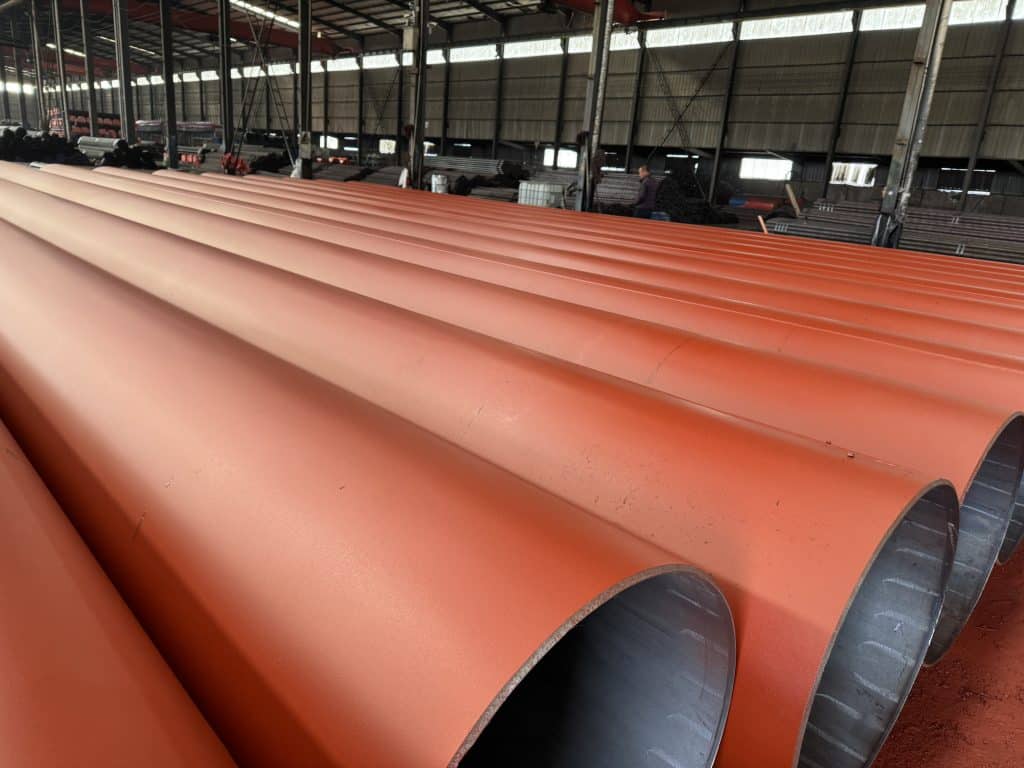
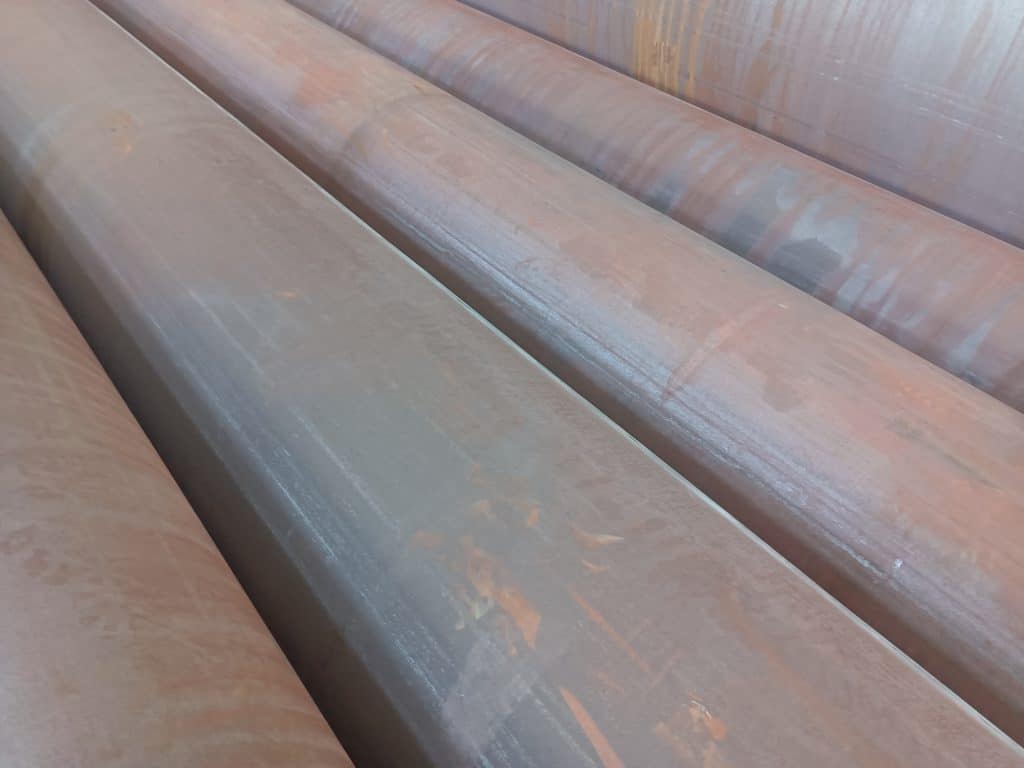
Hollow sections are champions of the circular economy since steel is 100% recyclable with no loss of quality. At end-of-life, these tubes maintain their entire material worth for remelting into new goods – a closed-loop cycle not feasible with composite materials or treated lumber. In corrosive settings, the life expectancy exceeds 50 years when paired with hot dip galvanizing to EN ISO 1461, postponing renewal cycles and the accompanying carbon costs. Therefore, more and more procurement teams select galvanized EN 10219 tubes for solar tracking systems or offshore wind foundations, to achieve 25-year project lifetime with low maintenance.
Green Building Integration
LEED v4.1 and BREEAM International standards reward products with Environmental Product Declarations (EPDs) and high recycled content. The recycled steel use in EN 10219 tubes is generally 25-35% which comes from electric arc furnace manufacture, directly contributing to green building certification. They are also compatible with prefabricated building techniques, which may help to minimize on-site emissions. For example, the use of modular steel frames, made from hollow sections, can save construction times by 30-40% compared to cast-in-place concrete, substantially reducing the overall carbon footprint of a project.
Environmental Advantages of Using Structural Steel Tubes
Comparative life cycle studies show that steel hollow sections perform better than alternative products on key environmental criteria. A 2021 research by the World Steel Association looking at shipping and installation concluded that “structural steel components produce 20-30% less cradle-to-gate CO₂ emissions than equivalent concrete elements.” The benefit is even more significant in places with an existing steel recycling infrastructure, where as much as 90% of demolition steel is reused in manufacturing streams.
Modern structural steel tube production uses a number of emissions-reduction methods. Steel produced in renewable-powered electric arc furnaces (EAFs) currently has carbon intensities below 0.5 tons CO₂ per ton of steel, a 75% decrease from standard blast furnace pathways. By specifying EN 10204 3.1 material certifications traceable to EAF sources in procurement requirements, purchasers actively assist this decarbonization transition.
Energy-Efficient Production
The cold forming procedure for EN 10219 tubes uses about 60% less energy than seamless tube extrusion. Strip steel is roll-formed at room temperature and the weld seam is only briefly heated by high-frequency induction, often requiring less than 150 kWh per ton. This is contrasted to the smooth piercing and elongation operations which need continual warming over 1200°C. Choosing for cold-formed pieces automatically means procurement experts are choosing a lower energy product without losing mechanical qualities.
Durability and Maintenance Reduction
Grades like S275J0H and S355J2H provide impact toughness (27J at 0°C and -20°C respectively according to EN 10219-1) to avoid brittle fracture at different temperatures – important for infrastructure in Nordic climates or high-altitude solar farms. This toughness translates into decades of maintenance-free operation, without the ongoing carbon expenses of repairs, reapplication of protective coatings or premature replacement. In 2023, Dubai’s Big 5 expo saw Middle Eastern projects employing galvanized EN 10219 sections, with exhibitors citing 40-year corrosion guarantees as a sustainability differentiation vs other materials.
Selecting Sustainable Structural Steel Tubes for Your Projects
Procurement strategy should integrate technical standards with sustainability aims. At the level of grade selection, S235JRH is capable of taking low-duty applications with the least embodied carbon, S355J2H and S420MH grades allow span expansions and section reductions that make up for their somewhat higher manufacturing emissions. EN 10219-2, the European standard, has large dimension tables – customers should choose sizes that provide the least cutting waste and should specify standard lengths (often 6m or 12m) if design allows.
Certification and Compliance Priorities
Suppliers certified to EN 1090 Execution Class operate Factory Production Control (FPC) systems that help ensure consistent quality and traceability, both of which support sustainability objectives. EN 10204 3.1 certifications from recognized testing agencies (TUV, SGS, Bureau Veritas) certify chemical composition and mechanical properties. This helps prevent the use of substandard material that could cause premature failure. We have seen procurement teams want dual ISO 9001 and ISO 14001 certification to develop audit trails that relate quality management to environmental performance.
If you are sourcing CE-marked building materials under the building materials Regulation (EU) 305/2011 you must have an FPC certificate. The regulatory requirement also supports sustainability by ensuring tubes provide claimed performance over their service life and therefore avoiding over-specification waste. Recently a fabricator in Rotterdam was able to safely specify S355J2H within estimated limits due to confirmed material consistency, resulting in a 12% reduction in project steel mass.
Supplier Sustainability Practices
The major producers now quote Product Carbon Footprints (PCF’s) per EN 15804, showing cradle to gate emissions per ton of hollow section. These PCFs should be requested, alongside regular mill test certificates, in procurement requirements. Suppliers investing in renewable energy for manufacturing – think solar arrays or wind power purchase agreements – may deliver tubes with 30% to 50% lower carbon intensity than their grid-powered rivals. Logistics also play a role, with aggregated shipments lowering journey frequency or suppliers located close fabrication plants reducing transport emissions, improving overall sustainability profiles.
Customization for Waste Minimization
Buyers may get tubes cut to project-specific lengths using precision cutting services, avoiding offcuts on the construction site that will become junk. Modular designs may use normal 6 meter lengths but renewable energy projects with recurring 4.8 meter truss members are greatly benefited by factory pre-cutting. One Spanish solar developer said it achieved 8% material waste reduction (equal to 120 tons over a 500MW portfolio) by ordering cut-to-length EN 10219 tubes instead of field-trimming standard stock. Additional services, such as CNC hole-drilling and end-finishing, concentrate fabrication waste at production facilities with the means for effective recycling, rather than spreading it out across distant building sites.
Future Trends and Innovations Boosting Structural Steel Tube Sustainability
The path to net-zero production by 2050 is already transforming hollow section manufacturing with intermediate milestones in place. Sweden and Germany are ramping up hydrogen-based direct reduction processes and creating “green steel” with almost no CO2 emissions. Current numbers are still small but procurement contracts might contain stipulations to prioritize low carbon steel as availability grows – numerous EU infrastructure initiatives now require minimum green steel content criteria in projects above €50 million.
Circular Economy and Increased Recycled Content
Scrap steel is the main feedstock for hollow section manufacturing in Europe and North America, where electric arc furnace routes are currently dominant. The change boosts the average recycled content of structural steel tube products to 60-85% in several regions. Blockchain material passports are emerging to track steel provenance across multiple use cycles – a pilot in the Netherlands allows demolition contractors to certify recovered EN 10219 sections for direct reuse in new projects after non-destructive testing, avoiding remelting altogether.
Extended Producer Responsibility (EPR) systems are being increasingly discussed in EU policy circles and soon tube makers may have to pay for end-of-life collection and recycling. Innovative suppliers are already developing take-back programs, portraying themselves as partners in a circular economy, not just transactional vendors. Procurement teams cultivating long-term vendor partnerships should factor in these capabilities: a vendor offering material buyback clauses provides both sustainability credibility and the possibility of cost recovery.
Smart Manufacturing and Industry 4.0
Inline ultrasonic testing and automated dimensional inspection provide real-time quality control that minimizes fault rates in cold-formed tube manufacturing. Less rejection rate means less scrap creation, and energy loss. A 2 % better first pass yield in a 300,000-ton per year production, would save emission equal to 4,500 tons CO2. We make tubes equipped with predictive maintenance technologies that enhance furnace operations and eliminate unscheduled downtime, further lowering energy loss. These digital manufacturing improvements lead to tighter tolerances that enhance procurement: more consistent goods need less safety over-specification, allowing for leaner, more sustainable designs.
Regulatory Drivers Shaping Demand
The European Green Deal’s Carbon Border Adjustment Mechanism (CBAM) would be gradually implemented between 2026 and 2034, levying carbon taxes on steel imports according to emissions from their manufacture. This legislation gives competitive advantages for domestic and certified low-carbon providers possibly changing procurement trends to manufacturers with verified emissions data. Similarly, the US The Infrastructure Investment and Jobs Act contains “Buy Clean” provisions promoting low-embodied-carbon materials on federal projects, a trend state purchasing is picking up on. Buyers should start to set up supplier carbon reporting obligations immediately, to get ahead of these laws and minimize future disruption to compliance.
Conclusion
Through material efficiency, recyclability, and low-carbon manufacturing routes, structural steel tube products built to EN 10219 requirements provide quantifiable sustainability benefits. Cold-formed hollow sections in grades S235JRH to S420MH allow the structural designs to be optimized with minimum overall material usage while fulfilling high mechanical criteria. Procurement choices focusing on verified suppliers with clear carbon footprints, high recycled content, and customizability align well with business sustainability goals. Furthermore, with regulation regimes more and more penalizing high-carbon materials and incentivizing circular economy activities, strategic procurement of compliant hollow sections puts firms in a position for both environmental leadership and long-term cost competitiveness. Technical excellence and ecological responsibility are converging in these items, making them vital for building sustainable infrastructure.
FAQ
1. How does the manufacturing process affect the sustainability of hollow sections?
Because the material is formed at room temperature, cold-forming EN 10219 tubes requires roughly 60% less energy than seamless extrusion techniques. Only the longitudinal weld seam needs short high-frequency heating. The overall energy input per ton is thus considerably reduced. Today’s electric arc furnace routes, based on recyclable scrap and renewable power, provide for output emissions of less than 0.5 tons of CO2 per ton of steel, less than one fifth of typical blast furnace intensities. These production efficiencies position cold-formed welded hollow sections as among of the lowest carbon solutions for structural steel.
2. Do EN 10219 tubes qualify for green building standards such as LEED?
Yes, these tubes help get many LEED v4.1 credits. Typical recycled content is 25-35% which helps get Materials and Resources credits. Published Environmental Product Declarations (EPDs) meet disclosure standards. Hot-dip galvanizing provides a lengthy service life, often over 50 years, hence decreasing the lifetime environmental consequences. These allow for fast construction with minimum waste on site, satisfying credits for construction waste management and innovation in design process when used in prefabricated steel frames.
3. What considerations optimize sustainability in the procurement of hollow sections?
Choose providers able to deliver Product Carbon Footprints and EN 10204 3.1 certifications traceable to low carbon manufacturing paths. Use standard lengths and sizes whenever possible to save waste or ask for precision cutting services to avoid project site offcuts. The choice of grade is important, optimizing between S235JRH for lowest embodied carbon and higher grades such as S355J2H which allow for reductions in section size. Give preference to vendors having ISO 14001 environmental management systems and with end-of-life take-back plans. Two ways to cut transport emissions and complete a holistic sustainable procurement strategy are consolidated shipping and regional sourcing.
Partner with LONGMA for Sustainable Structural Steel Tube Solutions
Since 2003, LONGMA has been manufacturing certified EN 10219 cold-formed hollow sections, supporting infrastructure and renewable energy projects globally with demonstrated dedication to quality and sustainability. Our manufacturing facilities are 230,000 square meters in area and produce more than 500,000 tons of CHS, SHS and RHS profiles per year in grades S235JRH to S420MH with EN 10204 3.1 certification and quality standards ISO 9001. Full traceability from raw material control to final inspection to ensure that your structural steel tube is produced according to your sustainability and performance requirements.
We are a proven producer of structural steel tubes. We can help purchasing teams satisfy green building criteria with services like custom cutting, hot-dip galvanizing and supply schedules flexible enough to keep project timeframes on track. Our engineering support staff can help you in selecting the proper grade and optimizing dimensions to decrease material use without sacrificing structural integrity, an important aspect of cost-effective sustainability. For technical documentation, third-party facility audits, or to discuss your project needs, contact our professionals at info@ilongma.com. We’ll work with you on your next sustainable infrastructure project, using compliant, low-carbon hollow parts, reliably supplied globally.