- 1. Technical Specifications and Mechanical Properties Comparison
- 2. Performance and Application Suitability
- 3. Cost Analysis and Procurement Considerations
- 4. Decision-Making Guide: Which Grade to Choose for Your Project?
- 5. Conclusion
- 6. FAQ
- 7. Ready to Source Certified API 5L Pipe for Your Next Project?
When sourcing line pipe for oil, gas or water transmission, procurement managers and EPC contractors often ask what actually separates API 5L X42 from API 5L X52 pipe. The answer comes down to yield strength, chemical composition and application fit. API 5L X42 pipe has a minimum yield strength of 42,100 psi (290 MPa), while API 5L X52 pipe reaches 52,200 psi (360 MPa) — about 24% higher. This difference directly affects pressure-handling capability, wall-thickness requirements and the overall cost-efficiency of pipeline design. Understanding these differences helps buyers select the grade best suited to their project, balancing performance requirements against budget and delivery schedule.
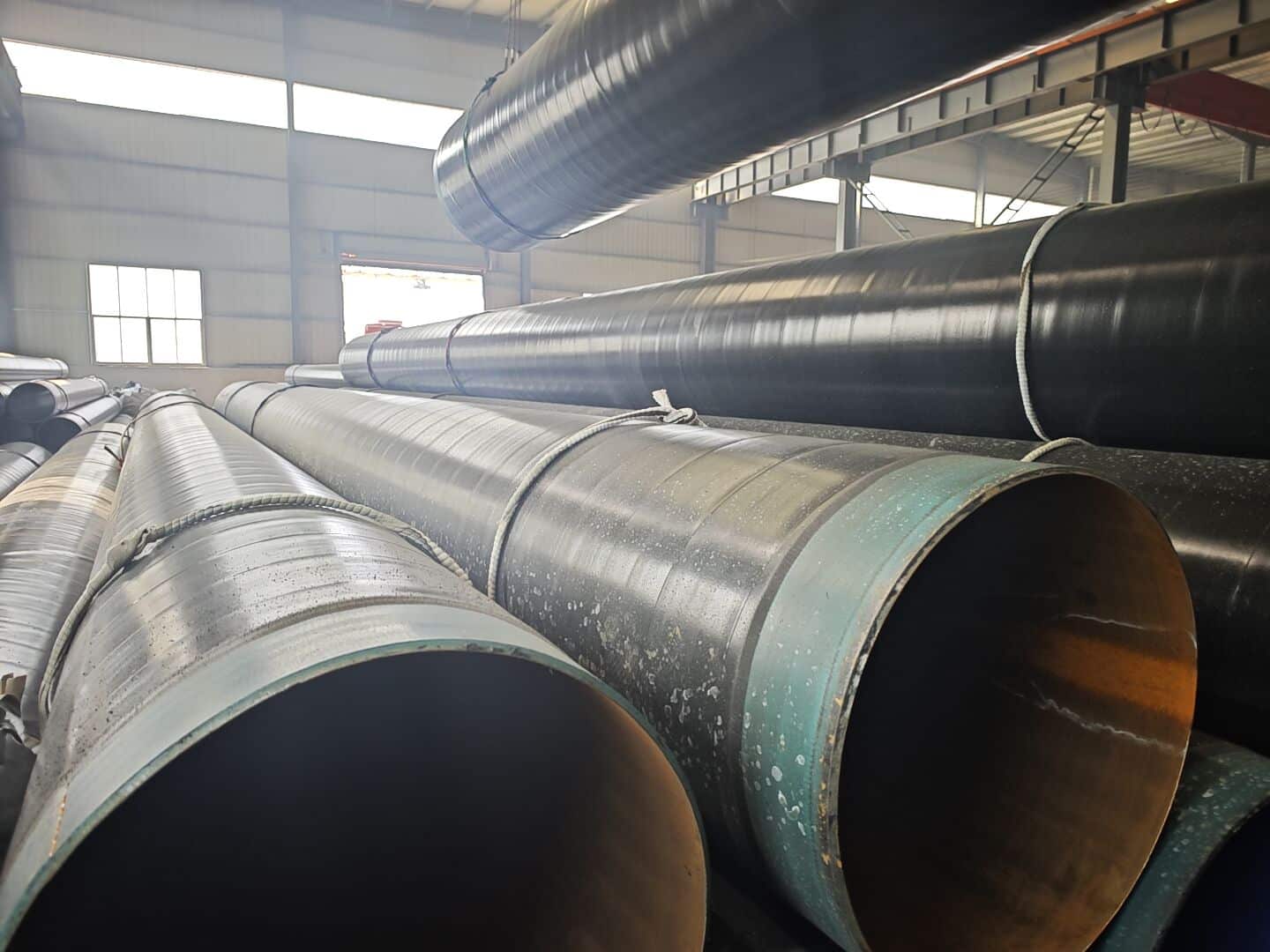
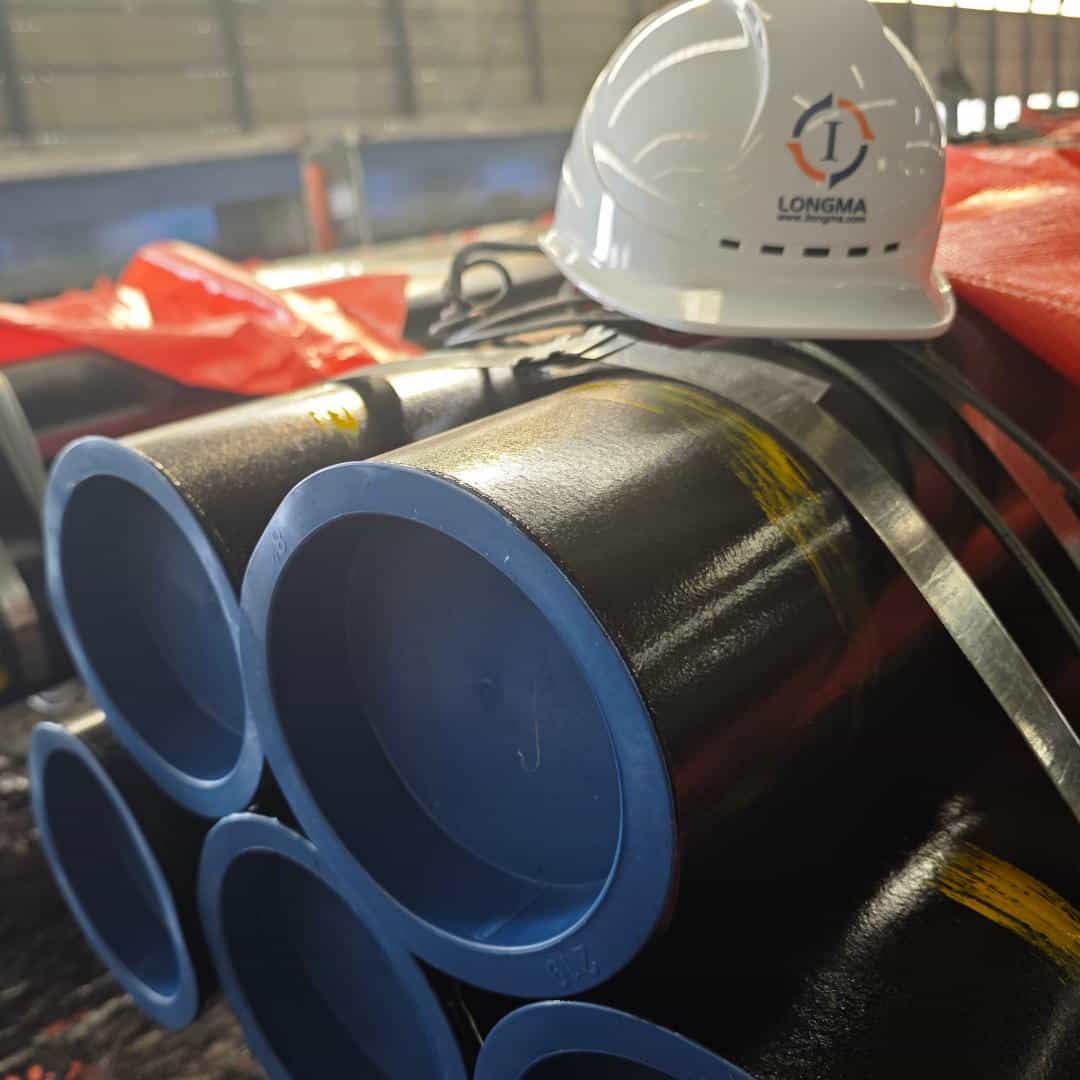
General Overview of API 5L X42 and X52 Pipe
Both X42 and X52 belong to the API 5L standard family used for line pipe in the oil and gas sector. API 5L classifies line pipe into two product specification levels, PSL1 and PSL2, with PSL2 requiring tighter control of chemical composition and mechanical properties, mandatory Charpy V-notch impact testing, and more extensive non-destructive testing. Both X42 and X52 are available in PSL1 and PSL2 variants, with PSL2 typically required for high-pressure or sour-service applications.
The grade number (X42, X52) corresponds directly to the minimum yield strength in thousands of psi, letting engineers immediately gauge load-bearing capability during design and helping procurement teams match specifications to supplier offers. Both grades sit in the mid-range of strength between Grade B and X80.
API 5L X42 pipe is often used in lower-pressure gathering lines, secondary distribution networks and water-transport systems, where moderate strength is sufficient. API 5L X52 pipe is a popular choice for offshore platforms and higher-pressure transmission pipelines, where the thinner wall achievable at a given pressure rating reduces material cost and improves project economics. Based on experience with EPC contractors in Southeast Asia and the Middle East, project engineers often select X52 for mainline transmission even when current conditions would allow X42, to leave room for future pressure increases.
Technical Specifications and Mechanical Properties Comparison
The table below highlights key differences that procurement specialists and QA teams should verify during supplier evaluation:
| Property | API 5L X42 | API 5L X52 |
| Minimum Yield Strength | 290 MPa (42,100 psi) | 360 MPa (52,200 psi) |
| Minimum Tensile Strength | 415 MPa (60,200 psi) | 460 MPa (66,700 psi) |
| Carbon Content (max) | 0.28% (PSL1) / 0.26% (PSL2) | 0.28% (PSL1) / 0.26% (PSL2) |
| Carbon Equivalent (CEV, max) | 0.43% (PSL2) | 0.45% (PSL2) |
| Manganese Content | 0.90–1.40% | 0.90–1.50% |
Chemical Composition Impact
Carbon and manganese content strongly affect weldability. API 5L X52 pipe generally carries somewhat more manganese for added strength, so heat input must be carefully controlled during welding. Carbon equivalent value (CEV) is a key weldability indicator — lower CEV reduces the likelihood of cold cracking during field welding. Procurement teams should request mill test certificates (3.2 certified material test certificates) showing actual chemical composition against specification limits; complete heat-analysis records provide the traceability needed for projects reviewed by SGS, Bureau Veritas or Intertek.
Mechanical Properties and Corrosion Resistance
The 24% higher yield strength of API 5L X52 pipe directly improves pressure-handling capability. Using standard pipeline design equations per the applicable pipeline design code, this allows either a higher operating pressure at the same wall thickness or a reduced wall thickness at the same pressure. PSL2 grades also show differences in tensile strength, elongation and notch toughness — PSL2 X52 pipe must demonstrate adequate Charpy V-notch impact energy at specified test temperatures, helping prevent brittle fracture in cold conditions or sudden loss of pressure.
Neither grade is inherently more corrosion-resistant than the other, since both are carbon steels subject to attack by moisture and hydrogen sulfide. Sour-service (H2S) projects need to conform to NACE MR0175 or ISO 15156 criteria, controlling hardness and potentially specifying corrosion-resistant alloys. Heat treatment instead depends on the manufacturing process: electric-resistance-welded (ERW) pipe is seam-normalized to homogenize the weld zone, while longitudinal submerged-arc-welded (LSAW) pipe, formed from heavy steel plate by JCOE or UOE forming, benefits from controlled rolling and accelerated cooling that improve grain structure without additional heat treatment.
Performance and Application Suitability
Real-world performance depends on the operating environment, installation method and long-term maintenance needs.
Pressure, Temperature, and Environmental Capabilities
API 5L X52 pipe performs well in high-pressure settings. For example, substituting X52 for X42 in a 24-inch-diameter pipeline rated at 1,200 psi can reduce the required wall thickness from around 0.500 to 0.406 inches — a roughly 19% reduction that yields meaningful savings in material, shipping weight and welding consumables for large-diameter, long-distance applications (figures are illustrative; actual wall thickness must be calculated under the applicable pipeline design code). Mechanical properties remain stable across ordinary oil and gas service temperatures (20°C to +120°C), so the temperature rating is broadly similar between grades. Projects operating close to specification limits — particularly PSL2 materials in cold regions — should still confirm Charpy impact criteria, since the ductile-to-brittle transition is safety-critical.
Pipeline designers must also account for soil movement, frost heave, seismic activity and hydrotest pressure. The higher yield strength of API 5L X52 pipe offers a greater safety margin under combined loads, reducing the risk of permanent deformation, and is further favored offshore, where wave action, current loading and installation tension apply simultaneous stresses. Its improved strength-to-weight ratio allows for smaller installation vessels while maintaining structural integrity. Subsea applications demand exceptional fracture toughness and typically require PSL2 certification with impact testing beyond standard API 5L requirements.
Welding and Fabrication Considerations
API 5L X42 pipe is easier to weld due to its lower carbon equivalent, requiring less preheat and reducing the risk of hydrogen-induced cracking. Its welding procedure specifications (WPS) are typically simpler and better suited to remote construction sites with limited QC equipment. API 5L X52 pipe calls for more stringent welding procedures — qualified welders, controlled heat input, and potentially post-weld heat treatment for thick-wall applications. EPC contractors should account for these requirements in project planning, since inappropriate welding procedures can compromise joint integrity and lead to costly repairs or field failures.
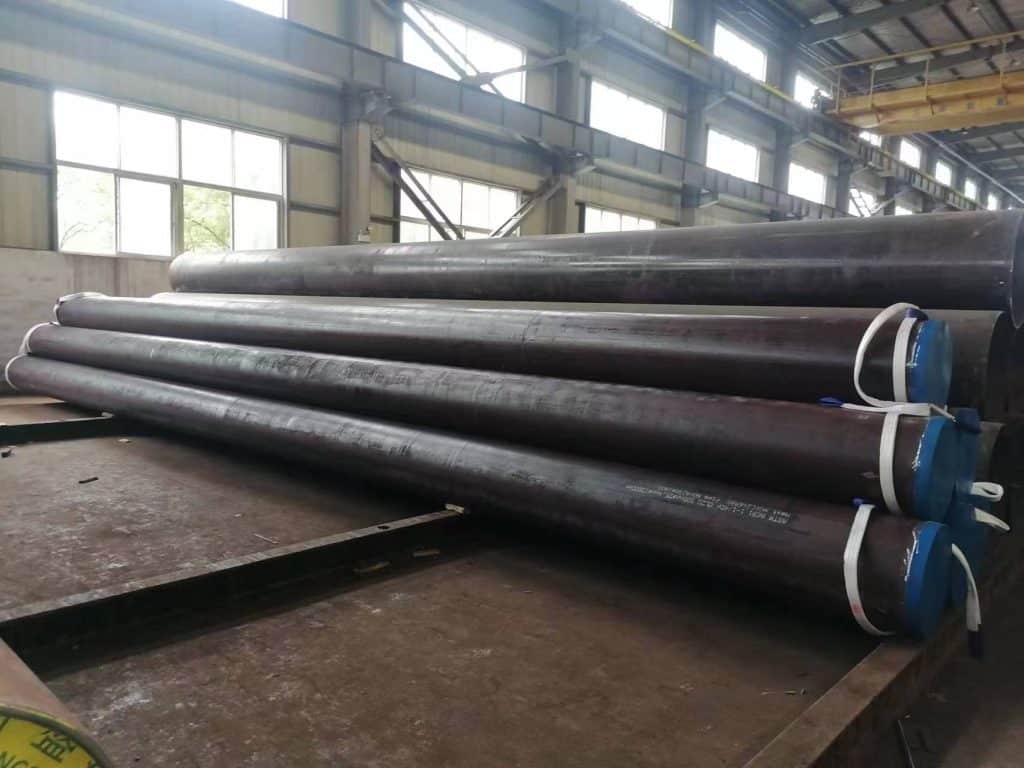
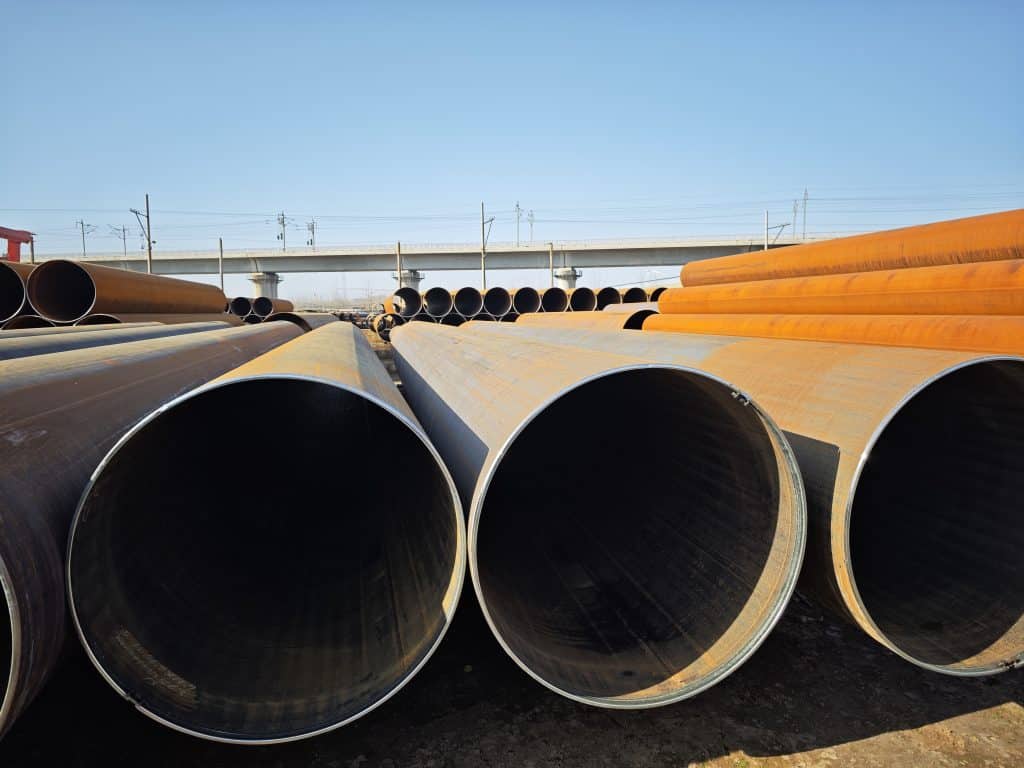
Manufacturing process also affects application fit. ERW pipe is made from hot-rolled coil and offers strong dimensional precision and cost-effectiveness in sizes up to 24 inches, making it well suited to supply and distribution networks. Heavy-plate LSAW pipe is used in high-pressure applications and transmission lines up to 72 inches, offering greater strength and dimensional stability through enhanced forming processes.
Cost Analysis and Procurement Considerations
A thorough economic evaluation accounts for material price, transportation cost, installation labor and ongoing maintenance across the project lifespan — not just the initial unit price.
Pricing and Total Cost of Ownership
API 5L X52 pipe typically costs 10–15% more than X42 at equivalent specifications, reflecting tighter production controls and raw-material costs; this gap tends to narrow when steel demand is strong and mills prioritize higher-margin output. Purchasing managers should track regional pricing trends and maintain relationships with more than one approved supplier. Major distributors typically stock common sizes (8″ to 24″ diameter, standard wall schedules) with 7- to 30-day delivery, while mill production runs for special requirements need 45 to 60 days. LONGMA stocks commonly requested sizes in both grades and maintains an annual capacity exceeding 500,000 tons to meet urgent project demand.
For a 100-kilometer transmission pipeline, selecting API 5L X52 pipe reduces wall-thickness requirements enough to save thousands of tons of material, translating into lower transportation costs (fewer truck or rail loads), reduced welding consumables, faster construction schedules and less foundation work for above-ground components. The higher strength margin can also provide a buffer against operational upsets — pressure surges, consumption of corrosion allowance, fatigue loading — potentially extending service life and reducing maintenance frequency over time. For projects with design lifetimes beyond 30 years, these long-term operating advantages are worth weighing carefully against the difference in initial material cost.
Supplier Qualification and Risk Mitigation
Supply-chain reliability often matters more than small differences in unit price. Late deliveries disrupt project schedules, and the resulting penalties and lost revenue typically outweigh any procurement savings. Procurement teams should set clear qualification standards: API 5L accreditation, an ISO 9001 quality management system, and references from comparable completed projects.
Third-party source inspection is generally required for large projects, covering independent dimensional inspection, mechanical-property verification and non-destructive testing before export. Procurement risk is considerably reduced when suppliers accommodate witness testing, provide complete quality records (UT reports, hydrostatic test records, material traceability) and support factory audits.
LONGMA’s collaboration with SINOPEC, CNPC, PEMEX and PDVSA on large pipeline projects reflects reliable quality and delivery performance. Our facilities are open to customer source inspections and are fully documented from steel-plate purchase through delivery of finished pipe, with material test certificates verified by third-party inspection.
Decision-Making Guide: Which Grade to Choose for Your Project?
Choosing between API 5L X42 and API 5L X52 pipe means weighing technical requirements, cost and practical constraints. Start with the basic design parameters: operating pressures above roughly 1,000 psi generally favor X52 for its wall-thickness advantage, and diameter matters too, since the strength benefits of X52 are most apparent in 30-inch-and-above applications. Service conditions such as sour service, low temperature or offshore placement typically call for PSL2 X52, and projects anticipating future pressure increases may be better served specifying X52 from the outset. The applicable pipeline design code provides the methodology for calculating minimum wall thickness for a given grade, and engineers should run sensitivity analyses comparing wall thickness, material cost and manufacturing complexity between the two grades before finalizing specifications.
Cost comparison should include several factors: material cost, based on the tonnage difference between X42 and X52 designs at current market pricing; fabrication cost, including welding complexity, preheat requirements and inspection intensity; logistics cost, including shipping savings from lighter X52 thin-wall designs; and lifecycle cost, including maintenance frequency, corrosion allowance and expected service life.
For many projects, the break-even point falls around 16–20 inches diameter at 1,000+ psi operating pressure, where the thinner walls of X52 offset its material premium. Because of its cost-effectiveness, API 5L X42 pipe is generally favored for smaller-diameter, lower-pressure applications.
Non-technical factors also influence grade selection: whether the required grade is available from multiple qualified suppliers, whether installation crews have the welding skills the chosen grade demands, whether the supplier can provide thorough testing, documentation and traceability, and whether regulatory requirements specify a particular grade or PSL level. When project requirements sit close to the threshold, application-engineering support from an experienced manufacturer such as LONGMA can help identify the best grade for the specific operating conditions and regulatory requirements.
| Selection Factor | Favor X42 | Favor X52 |
| Operating Pressure | <800 psi | >1,000 psi |
| Pipeline Diameter | <16 inches | >24 inches |
| Service Environment | Water, sweet gas | Sour gas, offshore |
| PSL Requirement | PSL1 adequate | PSL2 mandated |
| Budget Priority | Minimize upfront cost | Optimize total cost |
| Delivery Timeline | Immediate from stock | Custom specifications |
Conclusion
The choice between API 5L X42 pipe and API 5L X52 pipe comes down to how well each material meets the specific needs of a project. The higher strength of X52 enables pressure optimization and reduced wall thickness, lowering lifetime costs for high-pressure, large-diameter applications, while X42 works well for moderate-pressure systems where its yield strength is adequate at a lower cost. Effective procurement requires a careful evaluation of technical requirements, economics, supplier reliability and quality assurance. Working with an established manufacturer that offers extensive testing capability and responsive technical support helps ensure project objectives are met without compromising safety or performance.
FAQ
1. Can API 5L X42 and X52 pipes be welded together in the same pipeline?
Mixing grades within the same pipeline system is technically possible but generally not recommended. Welding different strength grades requires specific procedures to account for differences in carbon equivalent and mechanical properties, and the weld joint typically takes on the weaker material’s properties, negating X52’s advantages. Most engineering standards recommend maintaining a consistent grade throughout each pipeline section.
2. What quality testing is mandatory for PSL2 X52 pipes?
PSL2 API 5L X52 pipe requires additional testing beyond PSL1: Charpy V-notch impact testing at specified temperatures, 100% non-destructive examination of weld seams (ultrasonic or radiographic), hydrostatic testing on every pipe, and stricter chemical composition tolerances. Additional requirements may include hardness testing, carbon equivalent verification and dimensional checking, documented through material certification with third-party verification.
3. How do welding procedures differ between X42 and X52 grades?
API 5L X52 pipe typically requires stricter welding controls due to its higher carbon equivalent value. This includes preheating when ambient temperature drops below 32°F (0°C), controlled interpass temperatures, and potentially slower travel rates. X52 WPS must be qualified per ASME Section IX, with PQR records demonstrating that welded joints meet the required mechanical properties and impact toughness.
Ready to Source Certified API 5L Pipe for Your Next Project?
LONGMA is a trusted API 5L X52 pipe manufacturer and supplier. Since 2003 we have produced ERW and LSAW line pipe meeting API 5L PSL1 and PSL2 standards, from Grade B to X80, at a 230,000-square-meter facility with annual output exceeding 500,000 tons, backed by full quality traceability, non-destructive testing and ISO 9001 compliance.
We maintain extensive inventory across common specifications, with stock items shipping in as little as 7 days and custom orders delivered in 30–45 days. Our technical team provides application-engineering support to help you select the optimal grade and specification for your project’s performance and cost targets.
LONGMA’s track record with SINOPEC, CNPC, PEMEX and PDVSA reflects our capability on major international projects. We accommodate source inspections, provide full mill test certificates with third-party verification, and maintain complete traceability from raw materials to delivery. Contact our team at info@ilongma.com to discuss your API 5L X52 or X42 requirements, or visit https://www.ilongma.com/ to explore our complete product range and download technical specifications.