- 1. Overview of ASTM A671 and A672 Pipes
- 2. Detailed Comparison Between ASTM A671 and A672 Pipes
- 3. Procurement Considerations: Choosing ASTM A671 vs A672 for Your Project
- 4. Case Studies: Real-World Usage of ASTM A671 vs A672 Pipes
- 5. Conclusion
- 6. FAQ
- 7. Partner with LONGMA for Premium ASTM A671 Pipe Solutions
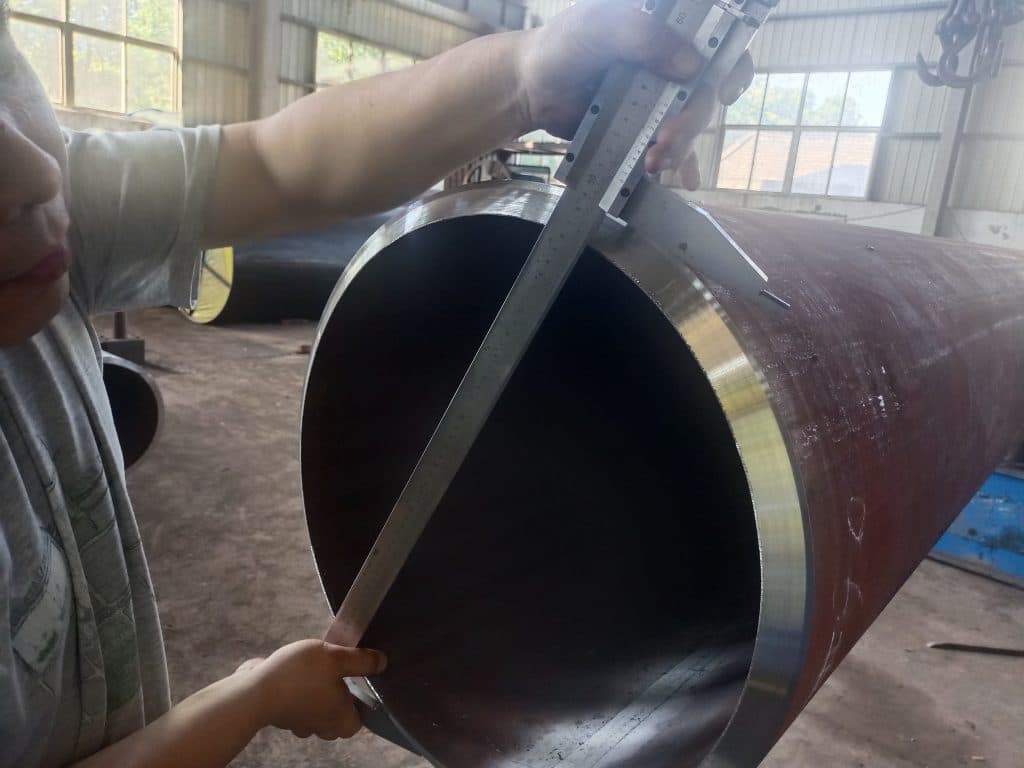
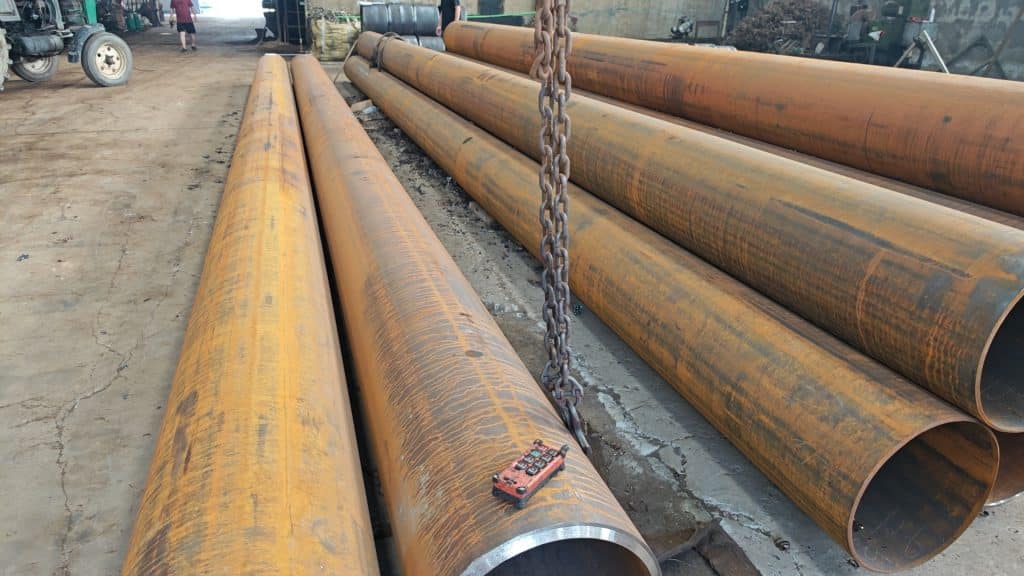
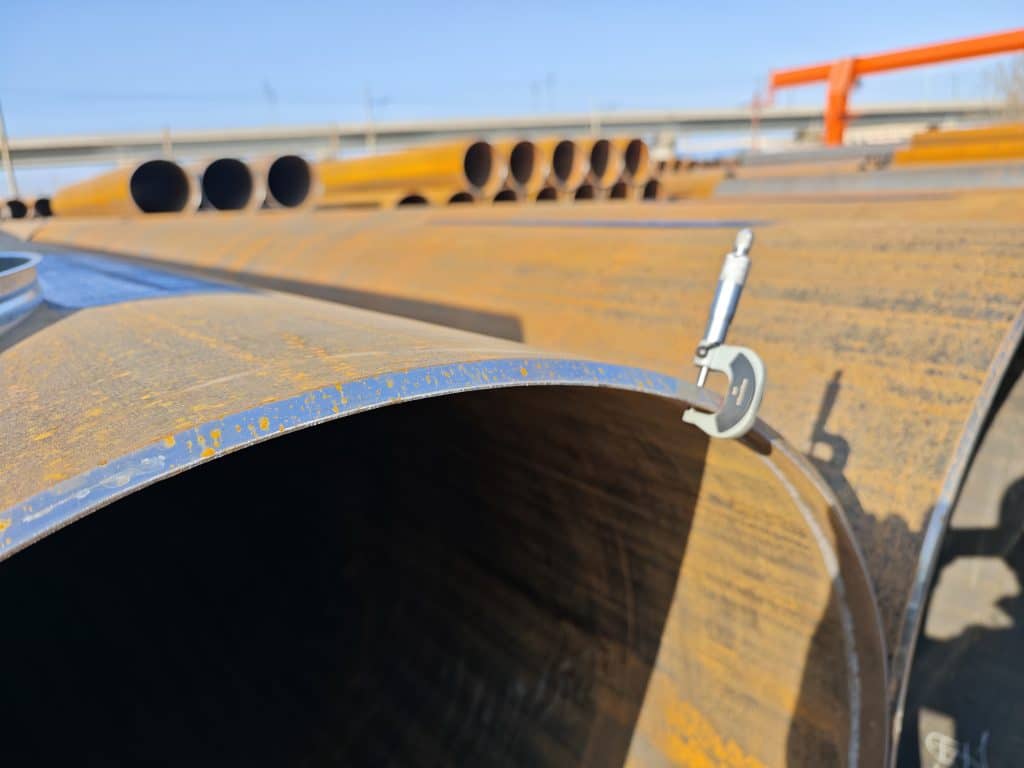
Understanding the difference between ASTM A671 and A672 requirements when sourcing welded steel pipe for pressure-critical applications might be the difference between project success and expensive rework. ASTM A671 pipe is made from pressure vessel grade steel plates using electric fusion welding and intended for atmospheric and low-temperature usage in oil and gas, petrochemical, and power generating applications. In contrast, A672 pipe addresses moderate-to-high-temperature use under enhanced pressure circumstances. Both standards serve pressure piping systems, yet their temperature ratings, heat treatment protocols, and mechanical properties differ significantly—making specification accuracy essential for procurement managers and piping engineers working on refinery expansions, LNG terminals, or thermal power stations.
Overview of ASTM A671 and A672 Pipes
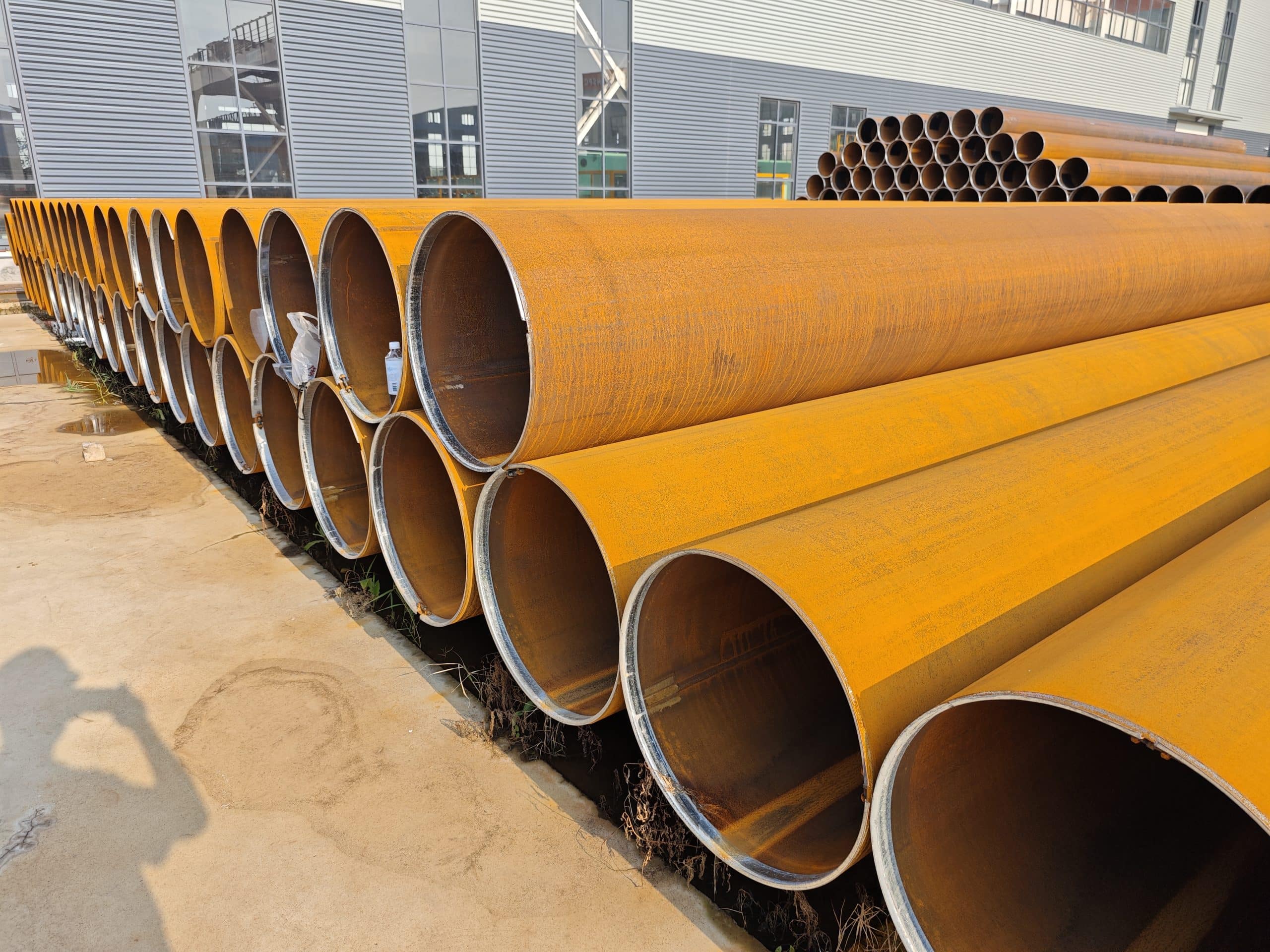
ASTM A671 and ASTM A672 pipes tackle the technical difficulty of making large-bore piping systems safe while also being cost-effective. EFW pipes are less expensive and are available in a larger variety of diameters and wall thicknesses (16 inches to more than 60 inches) than seamless pipe. Oil refineries utilize these pipes in header systems and process units that require to handle extremely high volumetric flow rates, while power plants use them in cooling water circuits and steam distribution networks.
Each standard separates pipes into classes and grades that specify the heat treatment after welding, the quantity of nondestructive testing, and the qualities of the base material. The pressure vessel plate, usually ASTM A516 Grade 60 or 65, directly effects the tensile strength and notch toughness of the ASTM A671 pipe grades, CC60, CC65, CC70, CD70, CFA65, and CFE70. Classes run from 10 to 73 and reveal whether the pipe went through normalizing, stress relief, quenching, tempering, or no heat treatment at all, along with radiographic testing per class requirements (Class X1/X2 only) and supplemental ultrasonic inspection. Buyers must examine project material specifications (PMS) files to make sure the grade and class satisfy the design pressures, operating temperatures, and building requirements.
Detailed Comparison Between ASTM A671 and A672 Pipes
To identify these specs differently, compare their temperature ranges, material compositions, mechanical qualities, and testing techniques side by side.
Service Temperature and Material Grades
The most notable distinction is the working temperature windows. ASTM A671 pipe may be used at sub-zero temperatures and is thus suitable for cryogenic operation, refrigerated gas terminals and cold climate installations where brittle fracture is a serious concern. Heat treatments, such as normalizing, cooling and tempering, increase the low temperature toughness and Charpy V-notch impact tests at -45°C or below are typically used to confirm this. In contrast, ASTM A672 pipe is most effective in the moderate to high temperature range, from ambient up to about 400°C, and is used in high pressure steam lines, hot process piping in refineries, and thermal fluid distribution systems where high temperature strength retention is more important than low temperature ductility.
| Specification | Intended Service | Typical Grades | Typical Applications |
| ASTM A671 pipe | Atmospheric and low-temperature service, down to cryogenic temperatures | CC60, CC65, CC70, CD70, CFA65, CFE70 | LNG terminals, refrigerated gas systems, cold climate installations |
| ASTM A672 pipe | Moderate-to-high-temperature service, from room temperature to about 400°C | Higher-strength metals or carbon-manganese plates | High-pressure steam lines, hot process piping in refineries, thermal fluid systems |
Both standards are derived on ASTM pressure vessel plate standards (ASTM A516, pressure vessel quality plate) however the suggested grades are dependent on the intended use of the service. ASTM A671 is most readily available is CC60/CC65/CC70 which is produced from ASTM A516 carbon steel and has good welding and pressure resistance at low temperatures, CD70 which is pressure vessel quality plate strengthened for cold service and CFA65/CFE70 which are fine-grain practice plates that improve notch toughness. ASTM A672 Pipe is often manufactured from carbon manganese plates or high strength metals which provide their mechanical properties at high temperatures. Quality assurance managers must follow the heat number from the initial plate mill to the final pipe, since each pipe section must be traced back to its source furnace batch for complete material history.
Mechanical Properties, Testing, and Dimensional Compatibility
The different grades may have different tensile strength, yield strength, elongation and hardness but are typical and rigorous testing for both requirements. Hydrostatic test pressures should be determined in accordance with ASTM A671 based on the governing piping code—typically ASME B31.3 (Process Piping) for process plant piping or ASME B31.1 (Power Piping) for power plant piping—for the end application. Class 22 (stress relieved with RT) and Class 32 (normalized with RT) are the most preferred alternatives for critical service because they enable a weld joint efficiency factor of 1.0 in pressure design calculations, thereby negating the penalty of lower examination levels.
Ultrasonic testing (UT) is used in conjunction with radiographic testing (RT) to locate faults, inclusions and lack of fusion that may not be found by RT. Leading manufacturers now produce dual-certification, that is to say they are certified for RT and UT. This offers a layer of safety for projects that can’t afford to incur risks, like LNG liquefaction trains or nuclear support systems.
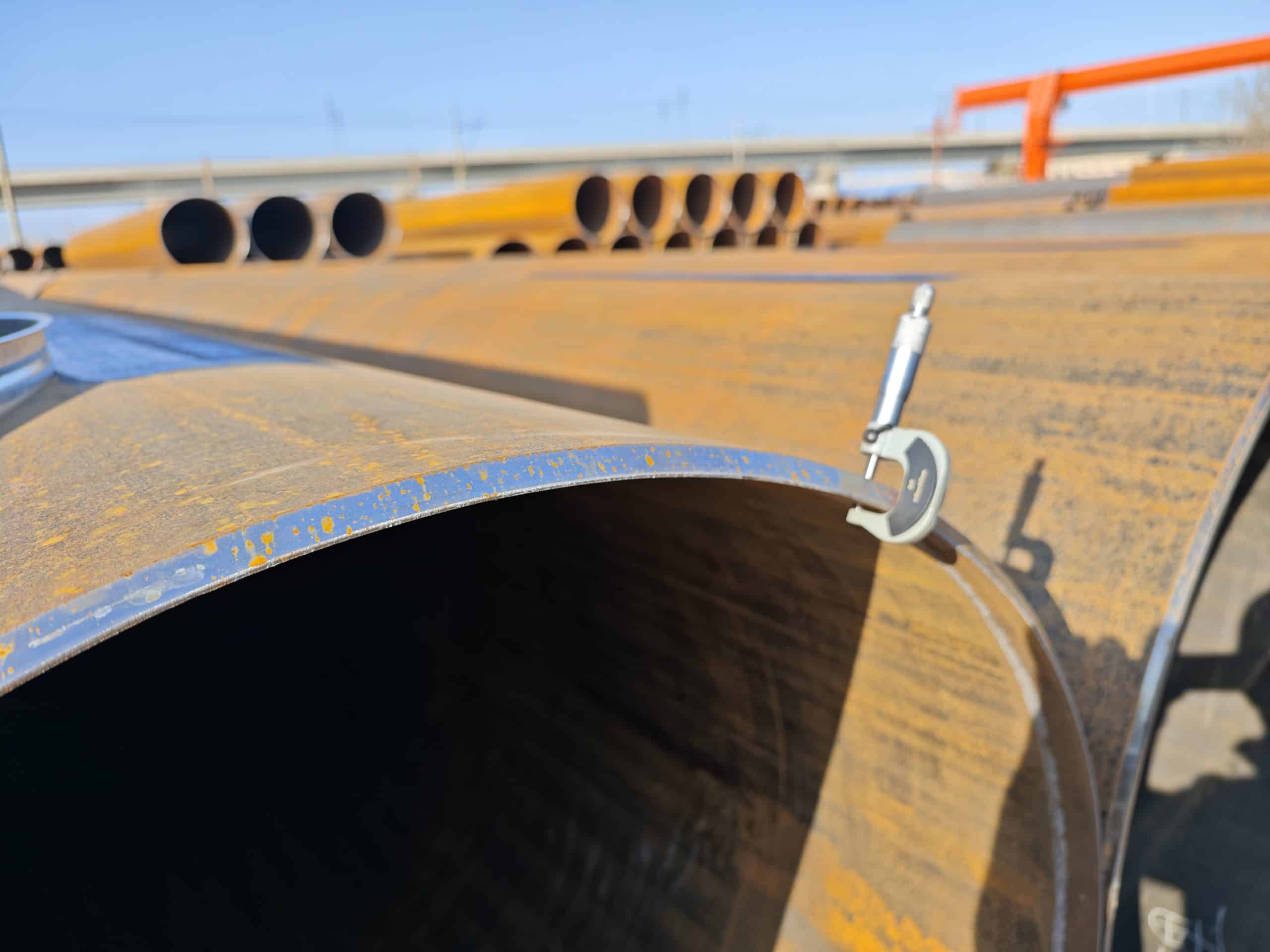
The tolerances on wall thickness, out-of-roundness and straightness are the same as for seamless pipe, therefore both kinds of pipe will fit in the same piping assembly. Both ASTM A671 and ASTM A672 permit custom lengths up to 40 feet, which reduces the amount of field welds and inspection expenses on EPC projects. It is simpler to butt-weld to fittings, valves and equipment nozzles if the ends are beveled in accordance with ASME B16.25. Accurate measurements are particularly crucial when attaching to flanges, because misalignment may cause tension build-up and result in gasket leakage. Accurate end preparation also minimizes fit-up time in construction, helping to keep field-welding programs on schedule.
Procurement Considerations: Choosing ASTM A671 vs A672 for Your Project
Select the appropriate standard by matching technical demands to commercial criteria, such as lead times, cost, supplier expertise and certification needs.
Application-Driven Decision Framework and Lead Times
Whether or not a specification is appropriate depends on the process circumstances of your project. If you are handling liquefied natural gas, cold ammonia or frozen ethylene in your piping system, then ASTM A671 pipe in Class 22 or 32 with CD or CF grades is the hardest choice to avoid brittle fracture. For high temperature refinery service, such as hot oil lines, catalytic cracker transfer pipework or superheated steam headers, ASTM A672 with the proper alloy additions and enhanced temperature tensile data is required.
The permitted stress values used to compute the wall thickness are specified by the pipe code (power piping code relevant to power piping and process piping code applicable to process piping). The engineers have to verify that the selected grade satisfies the design specifications for minimum tensile strength and yield strength. Mill tolerance, joint efficiency and corrosion allowance must be taken into account.
Big wholesalers offer a lot of typical sizes (16″ to 48″ diameter, Schedules 20 through 80) so shipment might be in two to four weeks. Lead times may be eight to twelve weeks if the diameter is above 48 inches, the wall thickness is over 1.5 inches or the class calls for lengthier heat treatment cycles. Procurement managers should call suppliers early when project deadlines are tight and request reserved production slots and expedited shop review periods.
Cost Analysis and Supplier Qualification
costs for EFW pipe are 20-35% lower than costs for seamless pipe. However, ASTM A671 and ASTM A672 have variances due to raw material selection and complexity of heat treatment. Standard carbon steel ASTM A672 grades are lower in cost than ASTM A671 pipe grades requiring fine grain practice or further Charpy testing. Bulk purchase savings begin at 100 tons, promoting larger purchases across more than one project phase. Longer bespoke lengths minimize the overall cost by reducing the field welding hours. Increased weld joint efficiency factors enable thinner walls without sacrificing safety margins. Buyers should also check freight and logistics costs since big diameter pipes need specific handling equipment.
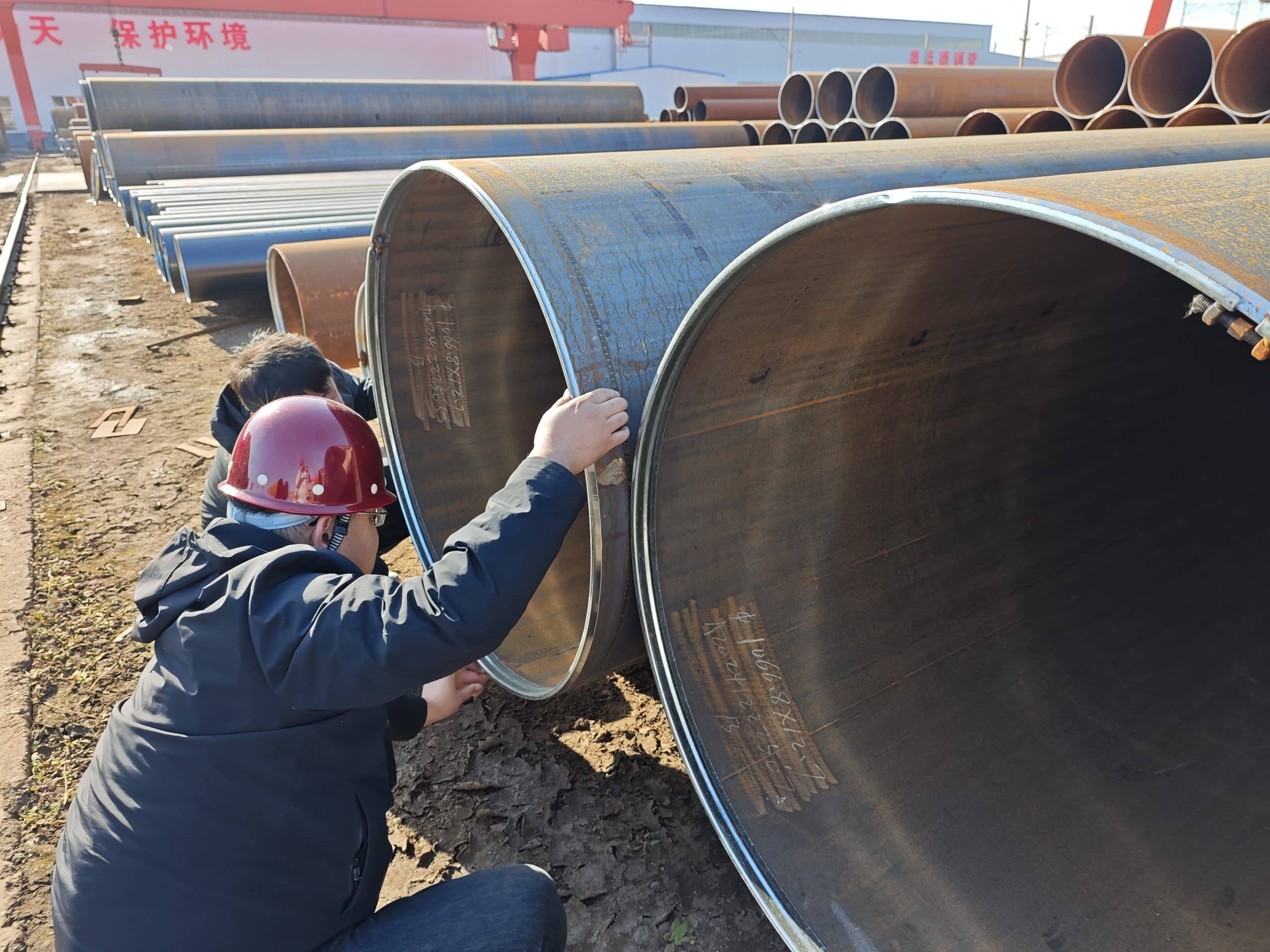
Good manufacturers have ISO 9001 quality management systems, ASME certification for pressure vessel construction (U-stamp) and, where applicable, API 5L permits. Third-party inspection by SGS, Bureau Veritas, TüV or Lloyd’s Register ensures independence and uncovers measurement or paperwork errors before shipping. Request mill test reports (MTRs) as an EN 10204 3.1 certificate, or the more stringent 3.2 certificate countersigned by an independent third-party inspector. Check your suppliers’ nondestructive testing operator certificates, welding procedure qualifications (WPQs), and raw material procurement to eliminate counterfeit materials and inadequate welding. A competent supplier also offers traceability paperwork that passes third party audits and owner approval checks.
Case Studies: Real-World Usage of ASTM A671 vs A672 Pipes
Real installations demonstrate the effect of specification choices on project outcomes, operational dependability and life cycle cost.
LNG Import Terminal Vapor Return System
In one case, large diameter pipes had to be used to transfer the boil-off gas at -162°C from the storage tanks to the vaporizer at a large LNG regasification facility on the Gulf Coast. The engineers recommended 36 inch diameter 1.25 inch wall thickness ASTM A671 CC70 Class 32 pipe. Heat treatment was done under normalized condition to achieve fine grain structure. Full penetration and absence of cold cracks was verified by radiography and ultrasound. The pipe system was leak free and passed all regulatory inspections for almost five years. The cost was 28% under similar seamless pipe and delivery was on the project critical path.
Refinery High-Pressure Steam Header
An improvement of an Indonesian refinery called for steam distribution headers for 425 °C and 90 bar. The EPC contractor selected ASTM A672 pipe in an enhanced metal grade to withstand creep at service temperature. Class 22 stress relief minimized the residual stresses that would cause fast creep deformation at high pressure and temperature for a long time. Periodic ultrasonic thickness measurements throughout the first 3 years indicated little or no loss of metal. The pipe was 15% more expensive than alternatives under ASTM A671 but worth it to prevent premature failures in a high-risk location.
Power Plant Cooling Water Intake
A Southeast Asian coal-fired power plant used ASTM A671 CC65 Class 12 pipe for a 48” diameter once-through seawater cooling system. The service was atmospheric at moderate pressure (10 bar), excellent circumstances for ASTM A671 pipe. Class 12 (no post-weld heat treatment, spot RT only) saved money without sacrificing dependability, since regular weld joint efficiency was permitted under typical operating circumstances. The plant has been running for over 10 years with very little maintenance. This shows that it is preferable to meet standards with real service circumstances than overdo it.
Conclusion
When procurement managers, pipeline engineers, and EPC project teams understand the distinctions between ASTM A671 and ASTM A672 pipe requirements, they can make sourcing choices that optimize safety, performance, and cost. ASTM A671 pipe is the industry standard for low temperature and atmospheric pressure service. It combines pressure vessel grade steel plates, full penetration electric fusion welds and rigorous non-destructive testing to ensure system reliability in LNG, petrochemical and power plant applications. ASTM A672 is used for service at moderate to high temperatures and requires that materials be selected for creep resistance and strength at high temperature. Understanding these variances, such temperature ranges, heat treatment processes, and mechanical property objectives, helps to minimize early failures, regulatory noncompliance, and budget overruns. With this information, buyers may securely deal with sellers, examine certificates and utilize purchase tactics that maintain the integrity of assets over the long term.
FAQ
1. Can ASTM A671 pipe replace A672 in a moderate-temperature application?
It is technically possible if the allowable stress of the ASTM A671 grade meets the design standards, but doing so adds unnecessary risk. ASTM A671 pipe grades are designed to improve toughness at low temperatures, not strength at high temperatures. Using ASTM A672 ensures the chemistry and heat treatment match the intended service, avoiding problems with creep, oxidation, or softening.
2. How do I verify that the supplied pipe meets the specified class and grade?
Ask for the Mill Test Report (MTR) and compare the heat number, chemistry analysis, tension test results, and impact test data to the ASTM limits. Confirm that x-ray or ultrasound test records include the correct examination method and acceptance standards. For Class 22 or 32 pipe, demand film copies or digital radiography records so you can check them.
3. What documentation should accompany each pipe shipment?
A full material package includes the MTR issued as an EN 10204 3.1 or 3.2 certificate, the hydrostatic test certificate, the nondestructive examination reports (RT/UT), heat treatment charts, the dimensional inspection report, the welding procedure specification (WPS), and the procedure qualification record (PQR). Third-party inspection release notes add further confidence.
4. Are A671 and A672 pipes interchangeable in procurement tenders?
Not recommended. Design calculations that account for service temperature, pressure, and environmental variables drive the project specifications. Because allowable stresses, impact testing, and heat treatment differ for each specification, changing them requires formal engineering review and owner approval. Unauthorized replacements can void warranties and create liability.
Partner with LONGMA for Premium ASTM A671 Pipe Solutions
Since 2003, LONGMA has provided electric fusion welded pipe solutions for oil and gas, petrochemical, and power generation projects around the world. Leading companies such as SINOPEC, CNPC, PEMEX, and PTTEP trust LONGMA’s work. Our factory covers 230,000 square meters and produces more than 500,000 tons of ASTM A671 pipe every year. We supply grades CC60 through CFE70, large diameters, and wall thicknesses from 6mm and up. Every pipe undergoes radiographic and ultrasonic testing per class and supplementary requirements, hydrostatic pressure checks per class requirements, and material traceability that connects each heat number to the original steel mill certifications. We offer EN 10204 3.1 and 3.2 mill test certificates, can cut to your specifications to reduce field welds, and can arrange inspections by SGS, Bureau Veritas, or TÜV. Our technical team will find the right class and grade for your PMS needs, whether your project needs low-temperature toughness for LNG service or large-diameter capacity for power plant cooling circuits. Custom orders are delivered in 45 days, while stock pipes ship within seven days. Talk to our experts at info@ilongma.com about your piping needs, request technical data sheets, or arrange a factory audit.