- 1. Understanding the Engineering Application Scope of the ASTM A671 Standard
- 2. Rational Selection of Steel Pipe Grades
- 3. The Importance of Mechanical Properties in Design
- 4. Pipeline Wall Thickness and Dimensional Design
- 5. Weld Quality and Non-Destructive Testing Requirements
- 6. Selecting a Reliable ASTM A671 Supplier
- 7. Conclusion
In the petrochemical, electric power, natural gas transmission and large-scale industrial plant sectors, the design quality of piping systems is directly related to the safety and stability of plant operation. For engineering projects that need to withstand high pressure or complex working conditions, ASTM A671 standard steel pipes are widely used in industrial piping systems due to their excellent weldability and stable mechanical properties.
However, in actual engineering design, merely selecting the appropriate material standard is not sufficient. Designers also need to comprehensively consider multiple key factors such as material performance, wall thickness selection, welding processes, testing standards and suppliers’ quality control capabilities. This article will systematically analyze the main engineering design considerations for using ASTM A671 pipes, and provide professional references for engineering procurement and design personnel combined with LONGMA’s more than 20 years of steel pipe manufacturing experience.
Understanding the Engineering Application Scope of the ASTM A671 Standard
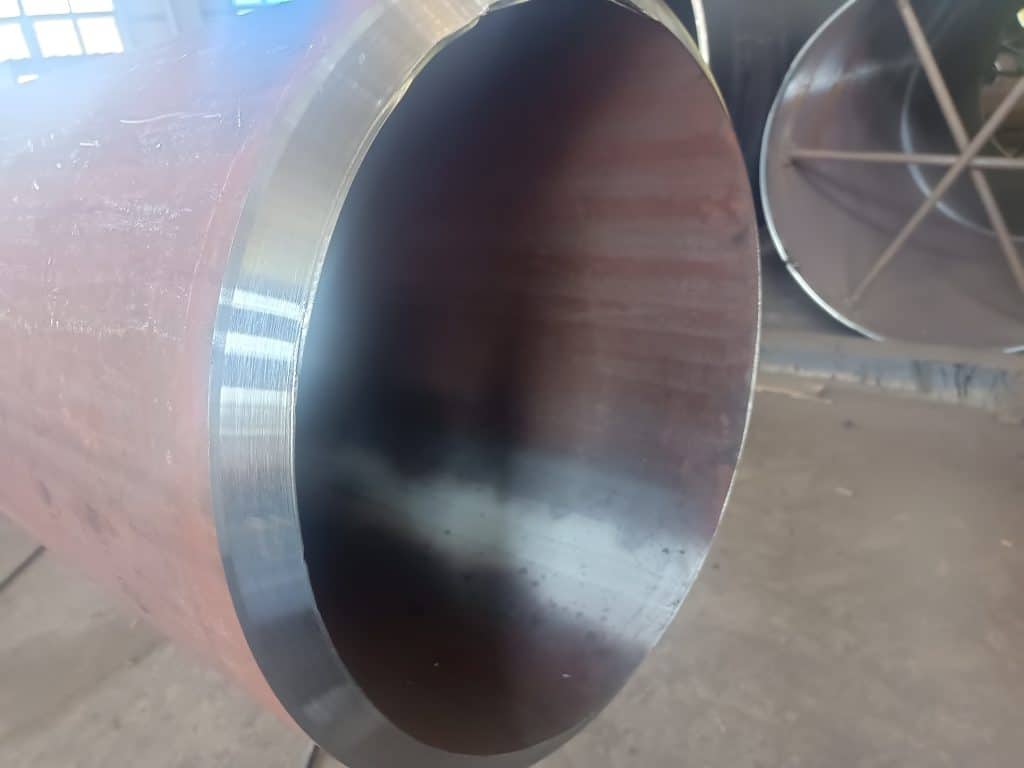
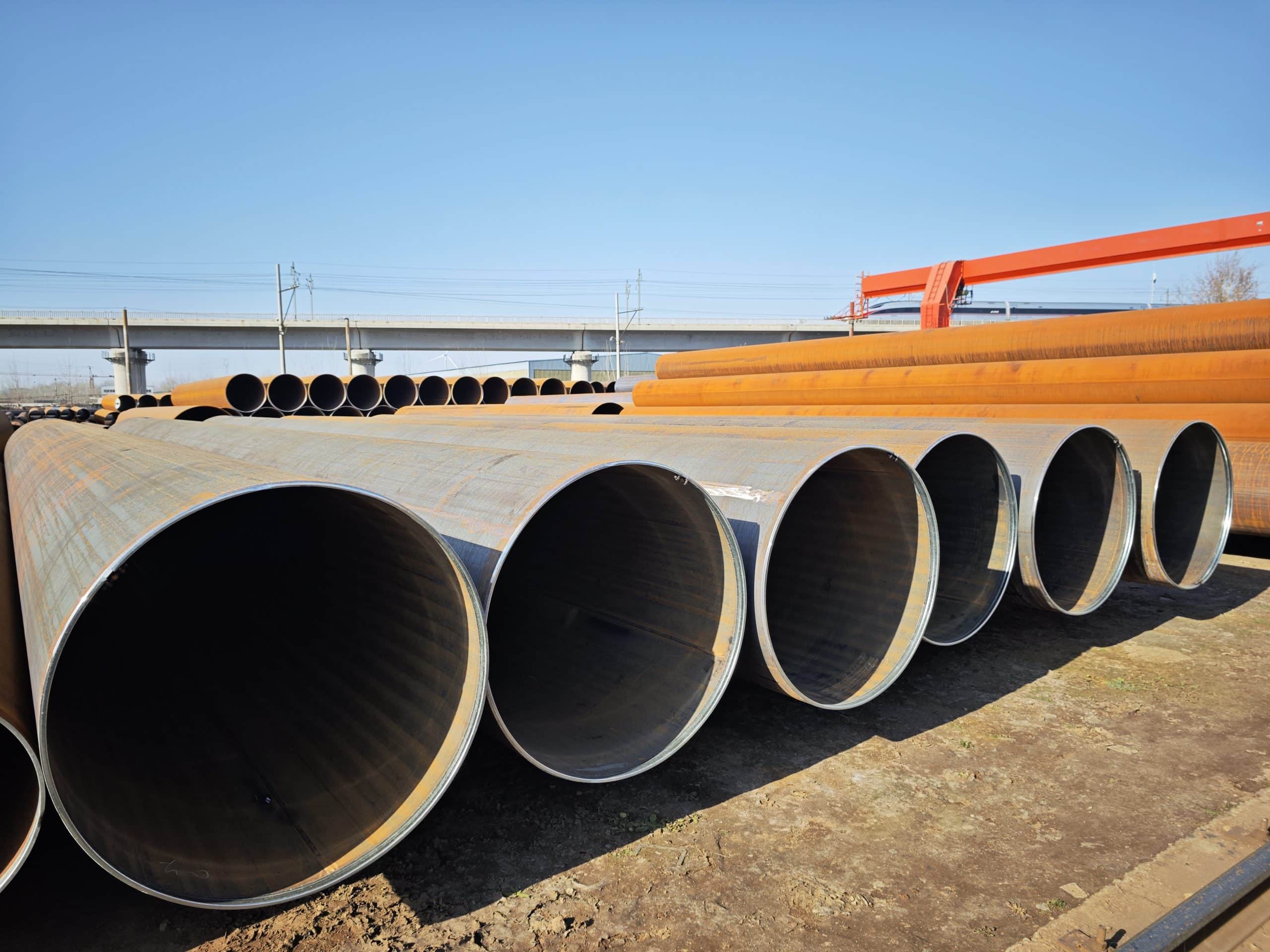
ASTM A671 is a standard formulated for Electric Fusion Welded (EFW) steel pipes, mainly used for pressure service. This standard usually adopts pressure vessel steel plates (such as ASTM A516) as the base material, and steel pipes are manufactured through welding and heat treatment processes.
In engineering design, ASTM A671 pipes are commonly used in the following systems:
- Petrochemical process pipelines
- Steam transmission systems
- Refinery unit pipelines
- Pressure pipelines in the power industry
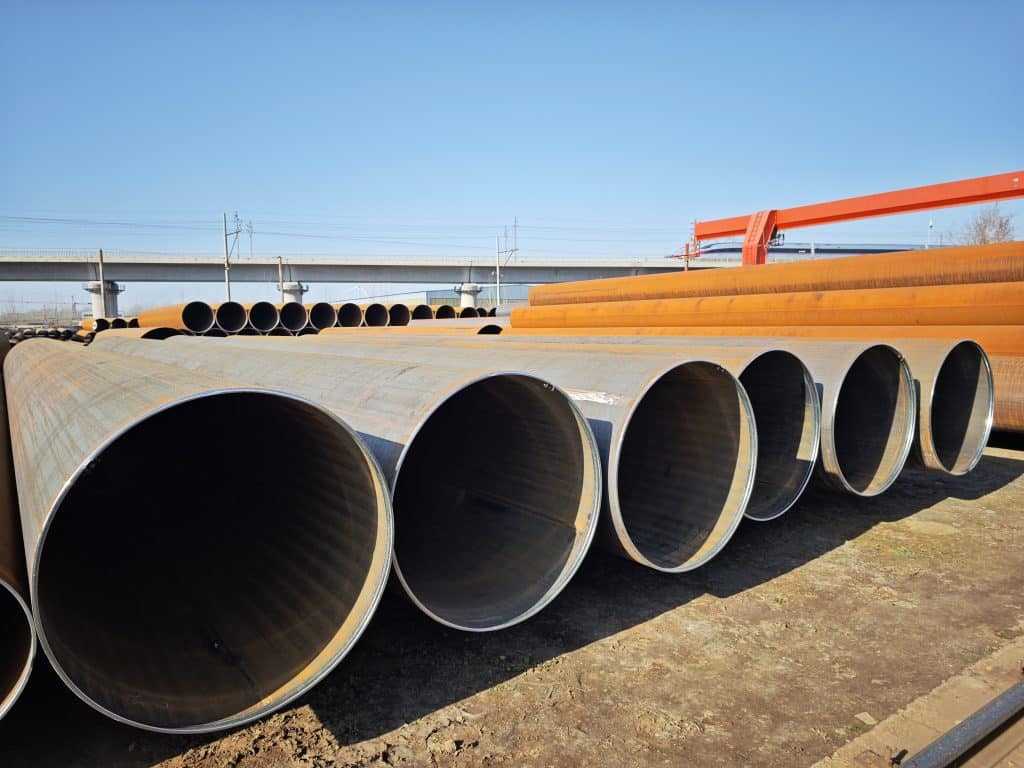
Due to the stable welded structure, ASTM A671 pipes are particularly suitable for large-diameter, thick-walled pressure pipelines.

Rational Selection of Steel Pipe Grades
In the ASTM A671 standard, different grades represent different material properties and testing requirements. For example, ASTM A671 CC60 Class 22 is one of the more common grades in engineering.
The main differences between different grades are as follows:
| Grade | Typical Base Material | Applicable Working Conditions |
| CC60 | ASTM A516 Gr60 | Medium-pressure industrial pipelines |
| CC65 | ASTM A516 Gr65 | Higher-pressure systems |
| CC70 | ASTM A516 Gr70 | High-strength pipelines |
In the design phase, engineers need to select the appropriate grade according to system pressure, temperature and safety factor. For example, ASTM A671 CC60 Class 22 is used as a standard configuration in many refinery units.
The Importance of Mechanical Properties in Design
Engineering designers must fully understand the mechanical properties of materials, as these parameters determine the safety margin of the piping system.
The following are typical ASTM A671 mechanical properties:
| Performance Indicator | Typical Value |
| Yield Strength | ≥ 240 MPa |
| Tensile Strength | 415–550 MPa |
| Elongation | ≥ 20% |
Stable ASTM A671 mechanical properties can ensure that ASTM A671 pipes maintain good structural stability during long-term operation.
These parameters are key data in design pressure calculation, wall thickness selection and safety factor evaluation.
Pipeline Wall Thickness and Dimensional Design
In pressure pipeline design, wall thickness selection is one of the most critical parameters. Designers usually consider the following factors:
- Design pressure
- Design temperature
- Corrosion allowance
- Pipe diameter
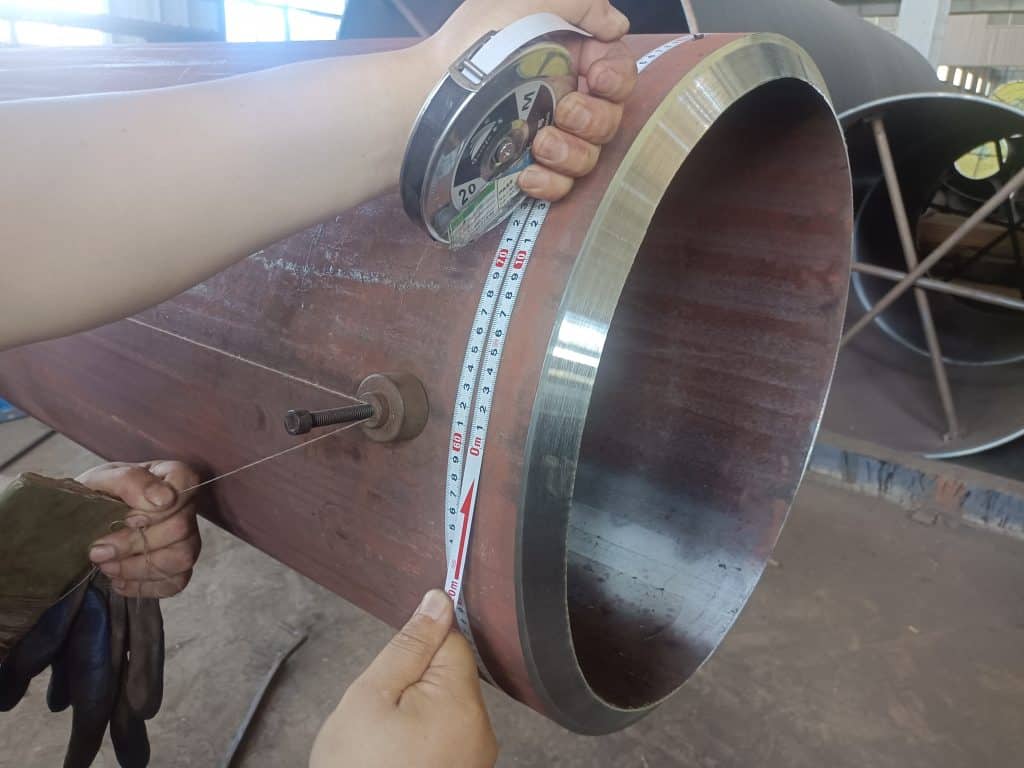
In many engineering projects, designers refer to the ASTM A671 pipe size chart or relevant pressure pipeline specifications (such as ASME B31.3) to determine the wall thickness.
| Nominal Pipe Size (NPS) | Common Wall Thickness Range |
| 12″ | 8–20 mm |
| 24″ | 10–30 mm |
| 36″ | 12–40 mm |
Rational selection of wall thickness can ensure that ASTM A671 pipes meet safety requirements during operation and avoid material waste at the same time.
Weld Quality and Non-Destructive Testing Requirements
In pressure pipeline systems, welds are often the most prone to defects. Therefore, the ASTM A671 standard sets strict requirements for weld quality.
Common Testing Methods
| Testing Method | Purpose | Reference Standard |
| Radiographic Testing (RT) | Detect internal weld defects | ASTM E94 |
| Ultrasonic Testing (UT) | Detect cracks and delaminations | ASTM E213 |
| Tensile Test | Verify material strength | ASTM A370 |
| Hydrostatic Test | Verify pressure-bearing capacity | ASTM A671 Section 11 |
For example, in the production of ASTM A671 CC60 Class 22, welds usually need to undergo 100% radiographic testing to ensure the safe operation of pipelines in high-pressure environments.
Selecting a Reliable ASTM A671 Supplier
In the engineering procurement process, the failure of many projects is not due to material standards, but to insufficient quality control capabilities of suppliers. Therefore, it is particularly important to select manufacturers with a complete testing system.
As an enterprise with more than 20 years of steel pipe manufacturing experience, LONGMA has established a strict quality control system in the production of ASTM A671 pipes:
- Automated electric fusion welding production lines
- On-line non-destructive testing equipment
- Complete heat treatment equipment
- Independent Internal Laboratory
LONGMA’s in-house laboratory can complete:
- Chemical composition analysis
- Tensile and impact tests
- Ultrasonic testing verification
Through these rigorous testing processes, each batch of ASTM A671 pipes is ensured to comply with international standards and possess stable ASTM A671 mechanical properties.
Conclusion
In pressure pipeline engineering design, material selection and quality control are the key factors to ensure the safe operation of the system. With stable mechanical properties, reliable weld quality and strict testing requirements, ASTM A671 pipes have become an important pipeline material in the petrochemical and energy industries.
In actual engineering design, rational selection of grades (such as ASTM A671 CC60 Class 22), accurate calculation of wall thickness and strict implementation of testing standards can effectively reduce operational risks.
Equipped with advanced manufacturing equipment, a strict quality management system and a complete in-house laboratory testing capability, LONGMA can provide high-quality ASTM A671 pipe products for customers worldwide. If you are looking for a reliable steel pipe supplier, LONGMA will be a trustworthy partner.