- 1. Why Are Stretching and Straightening So Important?
- 2. How LONGMA Optimizes the Pipe Stretching Process
- 3. How LONGMA Optimizes the Pipe Straightening Process
- 4. How Dimensional Inspection Verifies Straightening Quality
- 5. How LONGMA’s In-House Laboratories Ensure Stable Quality
- 6. Top Quality Risks for Buyers
- 7. Conclusion
In the steel pipe manufacturing industry, many buyers focus on material, standards and price, while often overlooking a critical process that determines final product quality — the Stretching and Straightening Process.
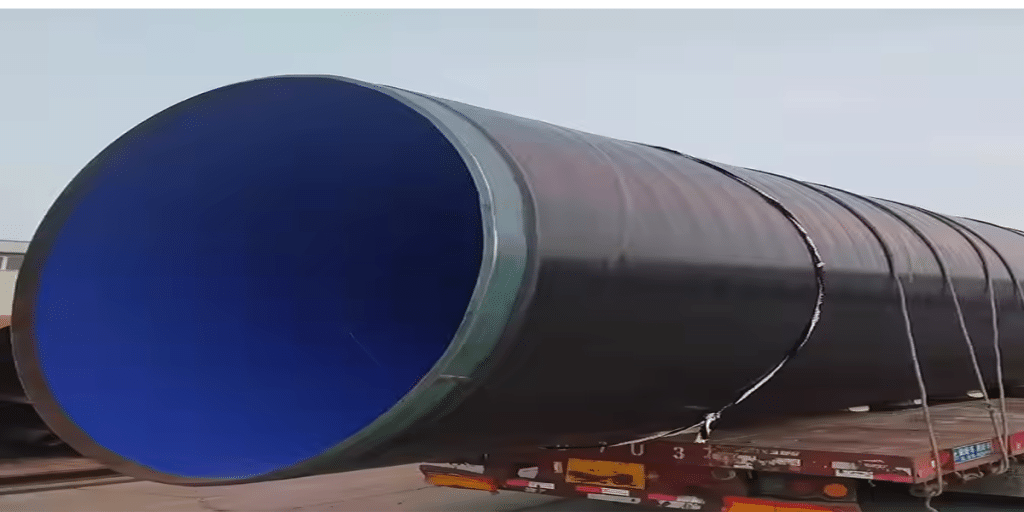
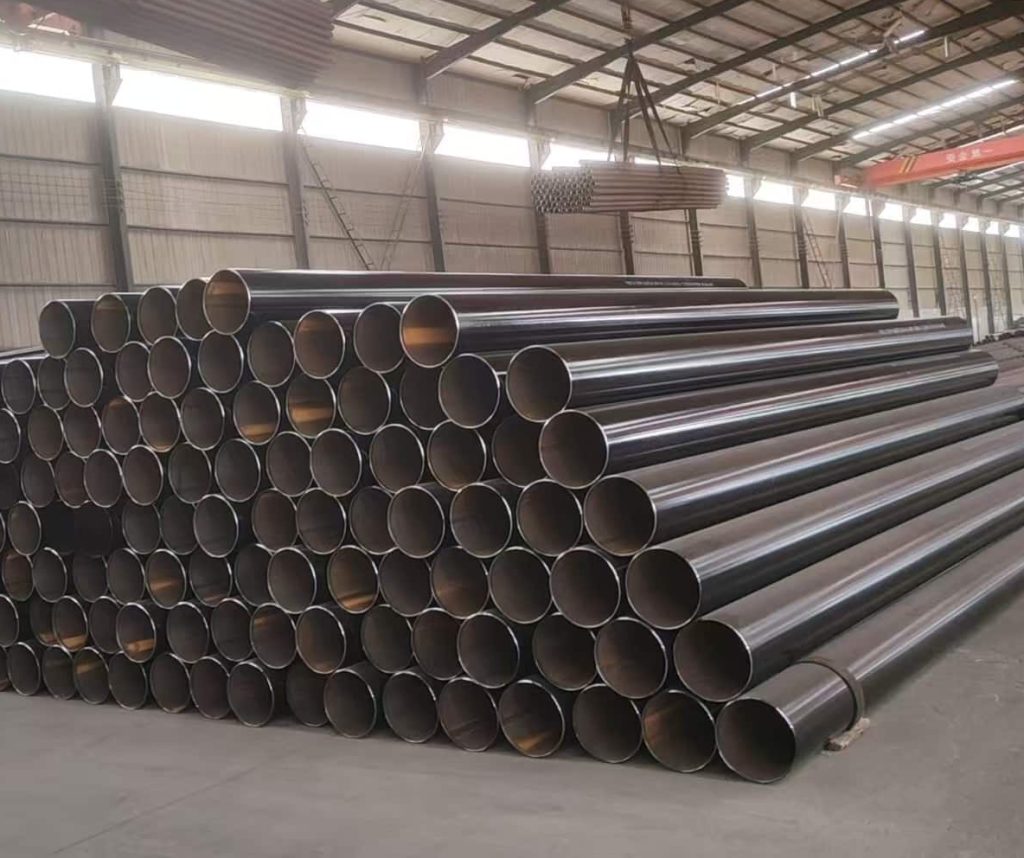
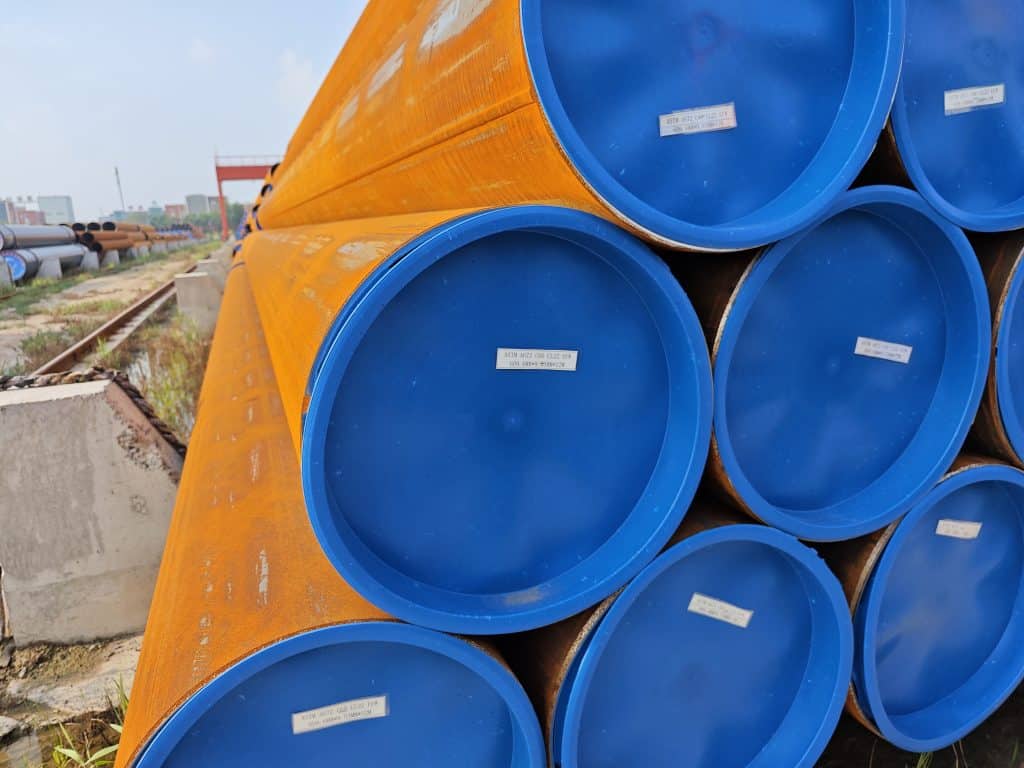
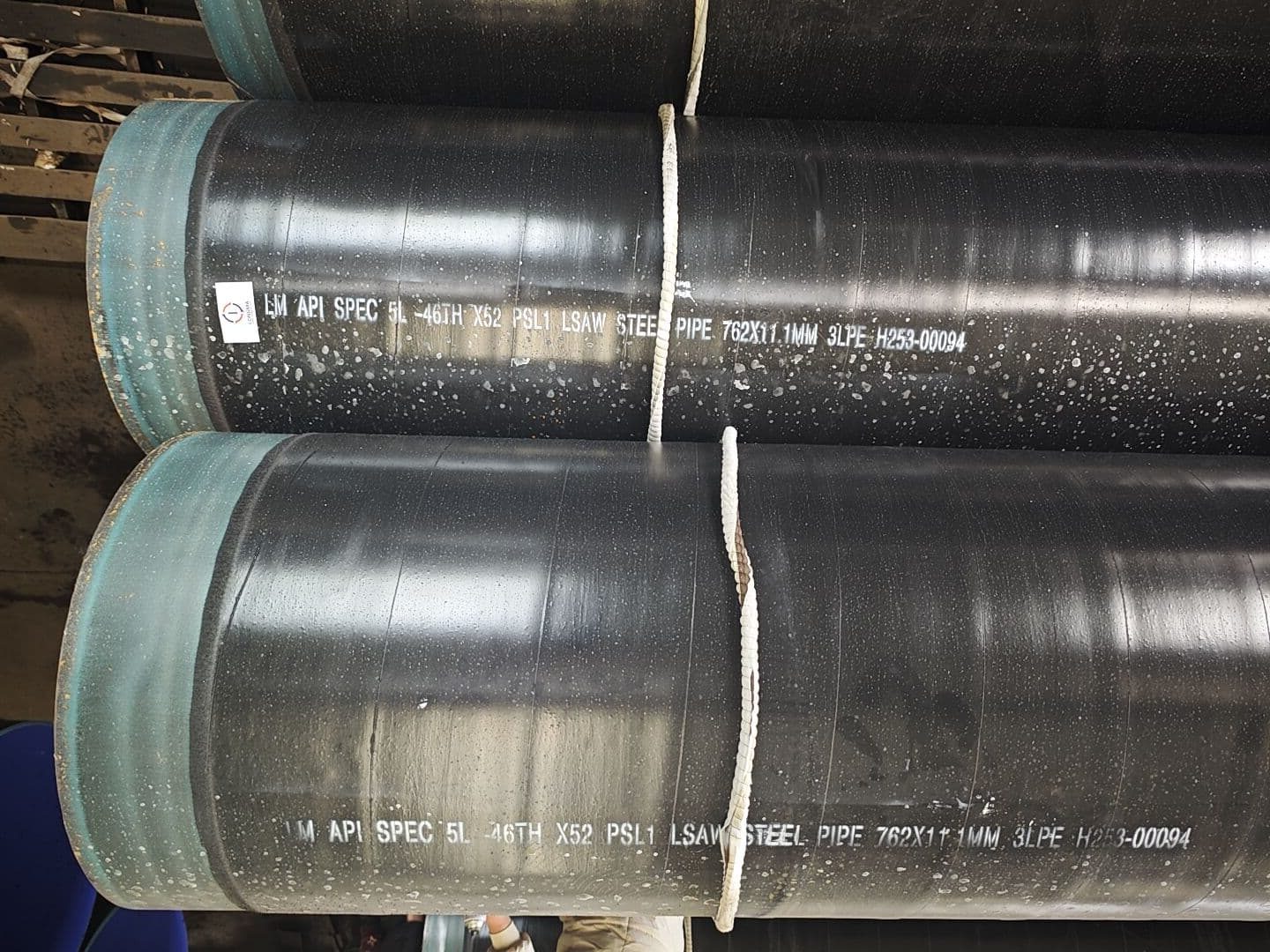
In fact, the straightness, roundness, residual stress and dimensional stability of API 5L pipes, LSAW pipes, structural pipes and pipeline pipes are all closely related to stretching and straightening. Poor control in this stage can lead to welding difficulties, misalignment or even structural failure in installation and service, even if the pipe meets chemical and mechanical requirements.
With over 20 years of steel pipe manufacturing experience, LONGMA regards stretching and straightening as a core part of its quality control system. This article explains how LONGMA continuously optimizes production through advanced equipment, strict inspection and in-house laboratory management to deliver high-quality steel pipes worldwide.
Why Are Stretching and Straightening So Important?
During forming, welding, expanding and heat treatment, steel pipes develop stress concentration and shape deviations, such as:
- Excessive bending
- Poor roundness
- Local deformation
- Residual stress in weld zones
- Reduced dimensional stability
These issues directly affect:
| Application | Potential Problems |
| On-site welding | Poor fit-up, excessive misalignment |
| Pipeline installation | Mismatched flange connections |
| Pressure capacity | Higher failure risk due to stress concentration |
| Automatic welding | Lower welding efficiency |
| Long-term service | Increased fatigue cracking risk |
Therefore, pipe straightening has become a key quality control node in producing API 5L and LSAW pipes.
How LONGMA Optimizes the Pipe Stretching Process
- Precise Control of Stretching Deformation
Proper stretching relieves internal stress and improves dimensional consistency.
However, excessive stretching may cause:
- Fluctuations in yield strength
- Pipe wall thinning
- Increased residual stress
LONGMA uses a digital control system that automatically sets stretching parameters based on steel grade, wall thickness and outer diameter, with full-process monitoring.
| Pipe Type | Control Focus |
| API 5L X42–X52 | Maintain ductility and dimensional stability |
| API 5L X65–X70 | Control residual stress in high-strength steel |
| Thick-walled pipes | Avoid local wall thinning |
| Large-diameter LSAW pipes | Improve roundness uniformity |
Precise stretching control significantly enhances dimensional accuracy and overall quality stability.
- Mitigating Residual Stress Risks
Residual stress is a leading cause of pipe failure.
In long-term service, it may lead to:
- Stress corrosion cracking
- Weld cracking
- Low-temperature brittle fracture
- Fatigue damage
LONGMA combines heat treatment and optimized stretching to achieve more uniform internal stress distribution.
For high-grade API 5L pipes — especially for oil and gas projects — this control greatly extends service life.
How LONGMA Optimizes the Pipe Straightening Process
- Application of Multi-Roll Straightening Technology
Modern pipe straightening uses multi-roll straighteners.
Working principle:
Multiple straightening rolls apply continuous reverse bending to gradually restore the pipe to ideal straightness.
LONGMA uses high-precision multi-roll straightening equipment to effectively control:
- Straightness
- Roundness
- Outer diameter stability
Advantages over conventional equipment:
| Item | Conventional Equipment | LONGMA Straightening System |
| Adjustment accuracy | Manual experience–based | Automatic parameter control |
| Straightness control | Average | High precision |
| Roundness control | Weak | Excellent |
| Data traceability | None | Full-process recording |
- On-Line Dimensional Monitoring System
During straightening, LONGMA uses real-time on-line inspection for:
- Outer Diameter (OD)
- Wall Thickness (WT)
- Ovality
- Straightness
If deviations exceed preset limits, the system alarms immediately and adjusts parameters automatically.
This real-time monitoring drastically reduces batch quality risks.
How Dimensional Inspection Verifies Straightening Quality
Effective straightening must be validated by scientific inspection.
- Straightness Inspection
Purpose:
Verify that axis deviation meets standard requirements.
Major standards:
- API 5L
- ASTM A530
- EN 10219
Bending is controlled within specified tolerances.
Methods:
- Laser straightness measuring system
- Automatic rolling inspection bench
- Manual re-inspection
- Outer Diameter and Roundness Inspection
Purpose:
Ensure pipes meet installation and welding requirements.
Basis:
API 5L Chapter 9 specifies allowable outer diameter deviations.
LONGMA uses:
- Laser scanning systems
- Automatic diameter gauges
- Multi-point roundness analyzers
to achieve 100% on-line inspection.
- Ultrasonic Testing (UT)
Micro-cracks caused by straightening are hard to detect with conventional dimensional inspection.
LONGMA combines:
- Automatic Ultrasonic Testing (UT)
- Weld inspection systems
- Defect evaluation procedures
in compliance with:
- ISO 10893
- ASTM E213
- Relevant API 5L requirements
to ensure internal quality meets standards
How LONGMA’s In-House Laboratories Ensure Stable Quality
For international buyers, production equipment alone is insufficient.
Manufacturing strength is truly reflected by in-house laboratory capability.
LONGMA operates a complete inspection center:
1.Mechanical Properties Laboratory
Tests include:
- Tensile strength
- Yield strength
- Elongation
Standards:
- ASTM A370
- ISO 6892-1
2.Metallographic Laboratory
Tests include:
- Grain size analysis
- Weld microstructure analysis
- Heat-affected zone (HAZ) evaluation
to verify stable microstructure after stretching and straightening.
3.Dimensional Inspection Center
Equipped with:
- Laser diameter measuring systems
- Ultrasonic thickness gauges
- Coordinate measuring machines (CMM)
enabling full-process dimensional traceability from raw material to finished product.
Top Quality Risks for Buyers
Based on LONGMA’s experience serving global projects, buyers’ main concerns are:
| Risk | Project Impact |
| Excessive pipe bending | Difficult installation |
| Insufficient roundness | Lower welding efficiency |
| Dimensional variation | Project rework |
| Internal cracks | Safety hazards |
| Inconsistent quality | Project delays |
These issues are directly linked to stretching and straightening control.
Thus, choosing a manufacturer with a mature quality management system is critical.
Conclusion
Stretching and straightening affect not only appearance but also dimensional accuracy, weldability and long-term reliability of steel pipes.
As a professional manufacturer with over 20 years of experience, LONGMA continuously optimizes processes, introduces advanced straightening equipment, automatic inspection systems and a comprehensive in-house laboratory to provide high-quality API 5L pipes, LSAW pipes and customized solutions worldwide.
If you are looking for:
- High-precision steel pipes
- API 5L certified pipe manufacturers
- Large-diameter LSAW pipe suppliers
- Complete inspection reports and quality traceability
LONGMA is your reliable long-term partner.
Contact us for samples, technical documents, project cases and latest quotations to build safer and more reliable engineering projects.