- 1. What Is ISO 3183?
- 2. How to Read ISO 3183 Pipe Marking
- 3. What Is the Difference Between PSL1 and PSL2?
- 4. Manufacturing Requirements for ISO 3183 Line Pipe
- 5. Key Inspection Methods and Testing Procedures
- 6. How LONGMA’s In-House Laboratory Reduces Procurement Risks
- 7. What Should Buyers Confirm When Purchasing ISO 3183 Line Pipe?
- 8. Conclusion
In oil and gas transmission, long-distance water pipelines, and energy infrastructure projects, ISO 3183 line pipe is one of the most important international standards for pipeline steel pipes. Officially titled Petroleum and Natural Gas Industries — Steel Pipe for Pipeline Transportation Systems, ISO 3183:2019 applies to seamless and welded steel pipes used in pipeline transportation systems and defines two Product Specification Levels (PSL): PSL 1 and PSL 2.
For international buyers, project success depends not only on competitive pricing but also on whether the pipe marking is clear, the manufacturing process fully complies with the standard, and the inspection documentation is complete. With more than 20 years of experience manufacturing ERW and LSAW steel pipes, LONGMA provides pipeline steel solutions that comply with ISO 3183, API 5L, and project-specific technical specifications.
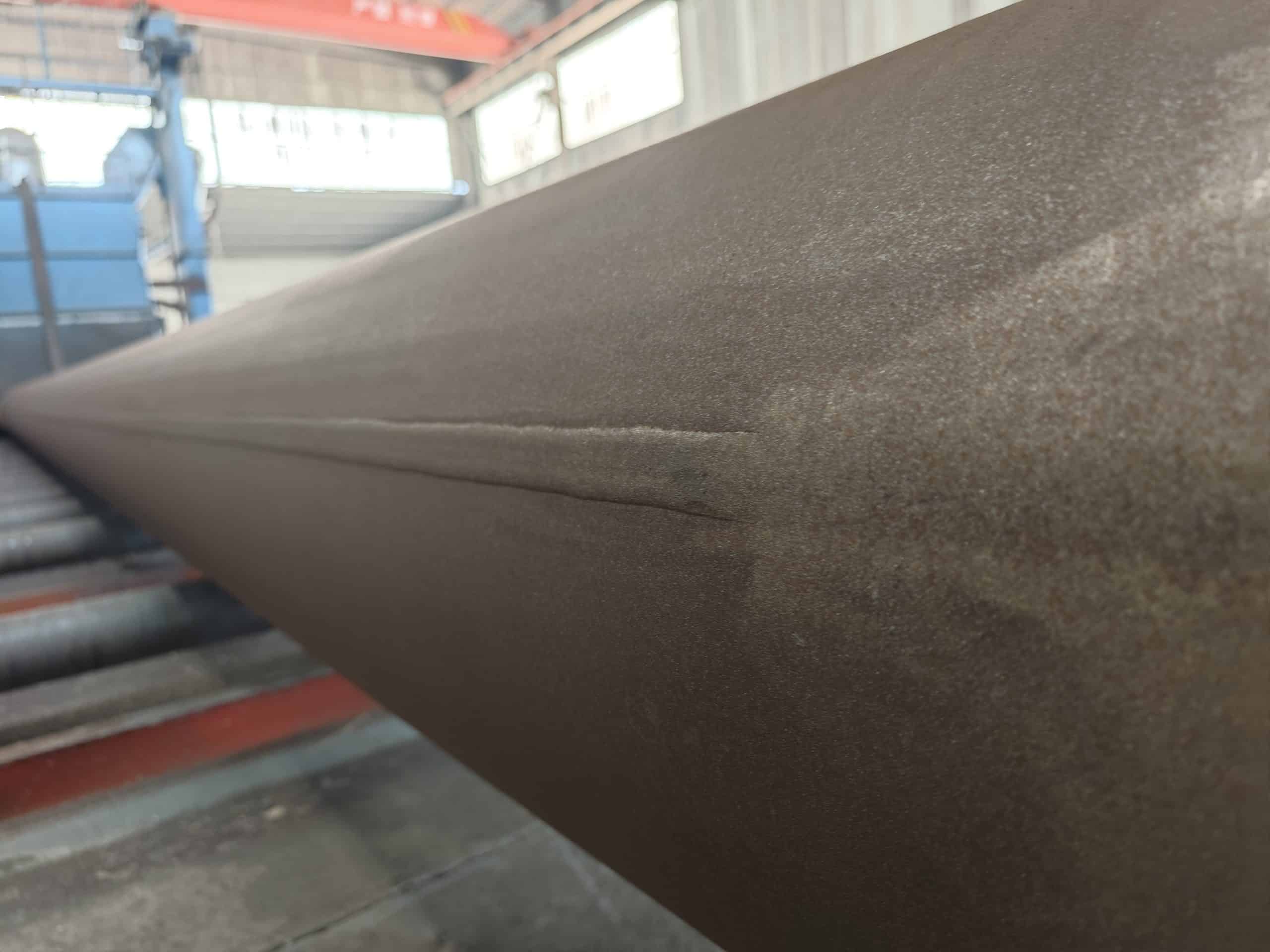
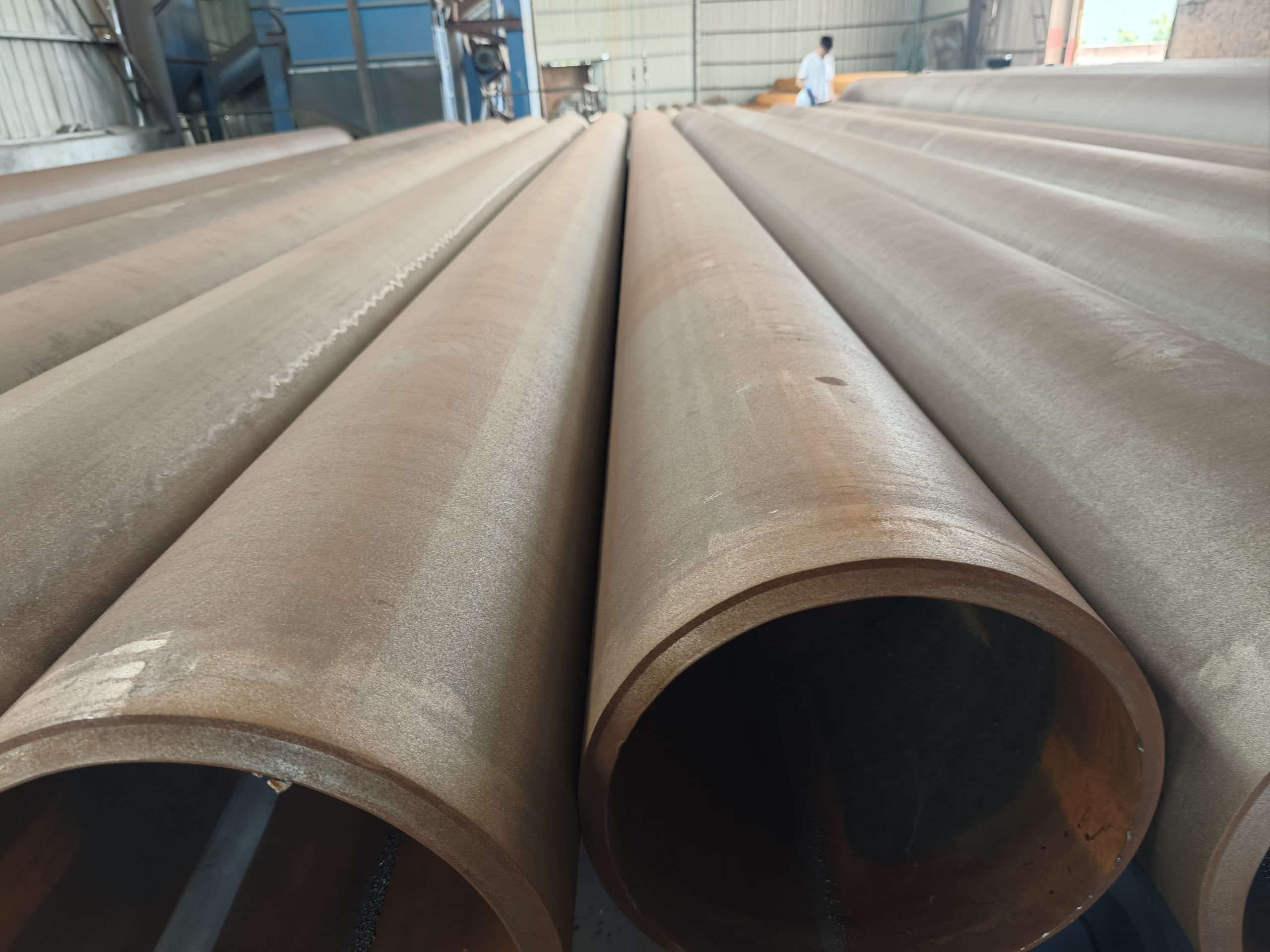
What Is ISO 3183?
ISO 3183 is the international standard governing steel pipes for pipeline transportation systems. It covers seamless pipe, welded pipe, PSL 1, PSL 2, steel grades, delivery conditions, dimensions, testing, marking, and documentation requirements.
EN ISO 3183:2019 further confirms the requirements for PSL 1 and PSL 2 products while aligning with the technical requirements of API Spec 5L (46th Edition).
Simply put:
| Item | ISO 3183 |
| Standard Type | Line pipe product specification |
| Applicable Products | Seamless and welded steel pipes |
| Main Industries | Oil, natural gas, and pipeline transportation |
| Common Steel Grades | L245, L290, L360, L415, L450 |
| Equivalent API Grades | API 5L Grade B, X42, X52, X60, X65 |
| Product Specification Level | PSL 1 / PSL 2 |
Therefore, when purchasing ISO 3183 line pipe, buyers should specify not only “ISO 3183” but also the steel grade, PSL level, manufacturing method, dimensions, pipe ends, inspection requirements, and marking details.
How to Read ISO 3183 Pipe Marking
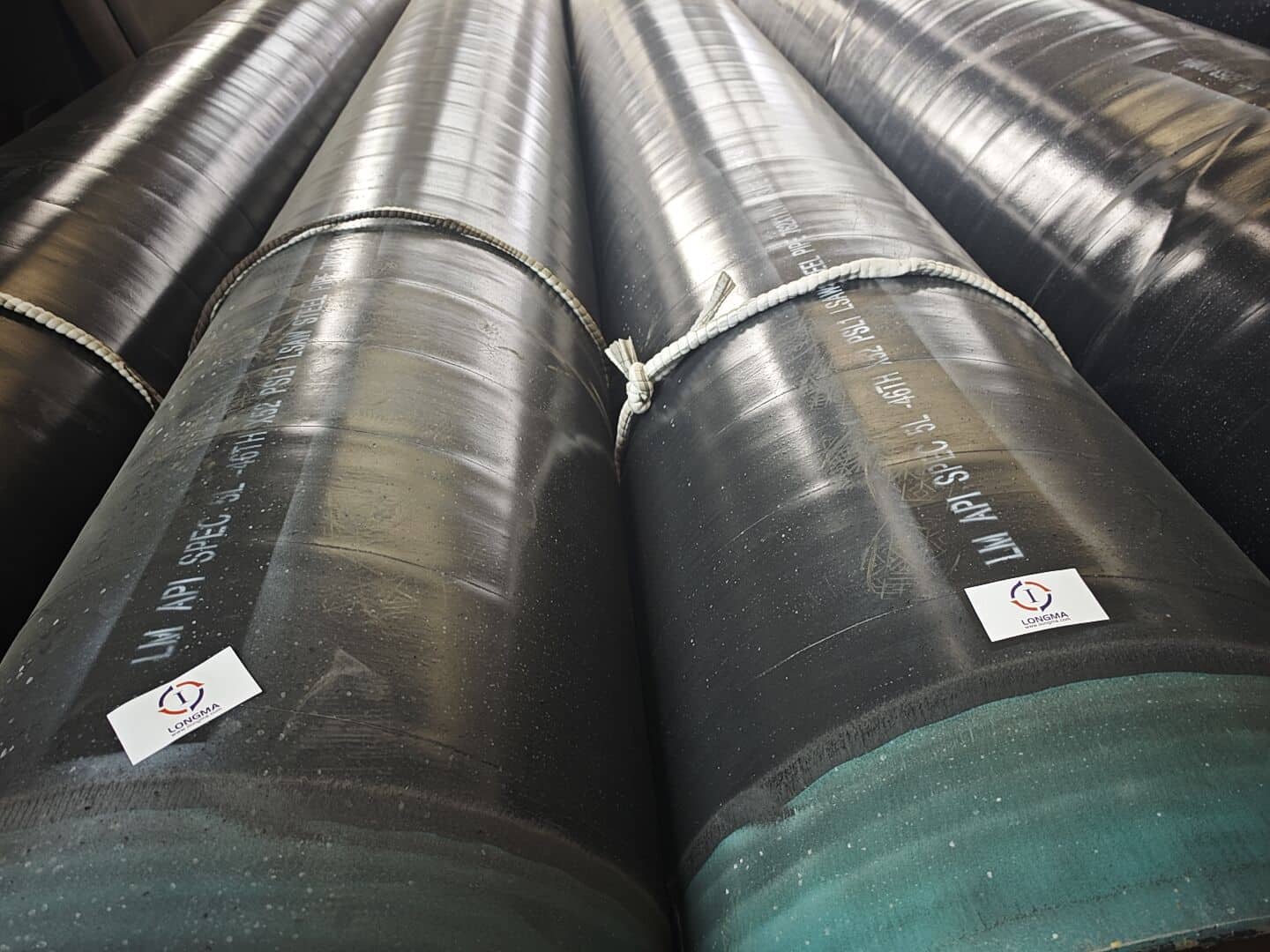
Pipe marking is often overlooked during procurement and inspection. A complete marking allows buyers to quickly identify the applicable standard, steel grade, heat number, dimensions, manufacturer, and inspection status.
Typical marking example:
LONGMA ISO 3183 PSL2 L360M 610 × 12.7 SAWL Heat No. XXXXX
| Marking | Description |
| LONGMA | Manufacturer |
| ISO 3183 | Applicable standard |
| PSL2 | Product Specification Level |
| L360M | Steel grade and delivery condition |
| 610 × 12.7 | Outside diameter × wall thickness |
| SAWL | Longitudinal Submerged Arc Welded Pipe |
| Heat No. | Heat number for full material traceability |
Among these, L360 generally corresponds to API 5L X52, while the suffix M indicates a thermomechanically rolled or thermomechanically formed delivery condition.
For international pipeline projects, clear and accurate marking helps prevent material mix-ups, shipping errors, customs disputes, and site acceptance failures.
What Is the Difference Between PSL1 and PSL2?
PSL (Product Specification Level) is one of the most important concepts in ISO 3183.
PSL1 is suitable for general pipeline applications, whereas PSL2 imposes stricter requirements on chemical composition, mechanical properties, impact toughness, nondestructive testing, and product traceability.
| Comparison | PSL1 | PSL2 |
| Typical Applications | General pipeline systems | Higher safety and critical service pipelines |
| Chemical Composition | Basic requirements | More stringent limits |
| Impact Testing | Limited requirements | Required for many applications |
| Carbon Equivalent Control | Standard control | Stricter weldability control |
| NDT Requirements | According to standard or purchase order | More comprehensive |
| Traceability | Standard | Enhanced documentation |
For natural gas transmission, low-temperature service, high-pressure pipelines, or long-distance transportation projects, ISO 3183 PSL2 pipe is generally the preferred choice. Although PSL2 involves higher manufacturing costs, it significantly reduces long-term operational risks.
Manufacturing Requirements for ISO 3183 Line Pipe
ISO 3183 focuses not only on material properties but also on the entire manufacturing process, from raw materials to finished pipe.
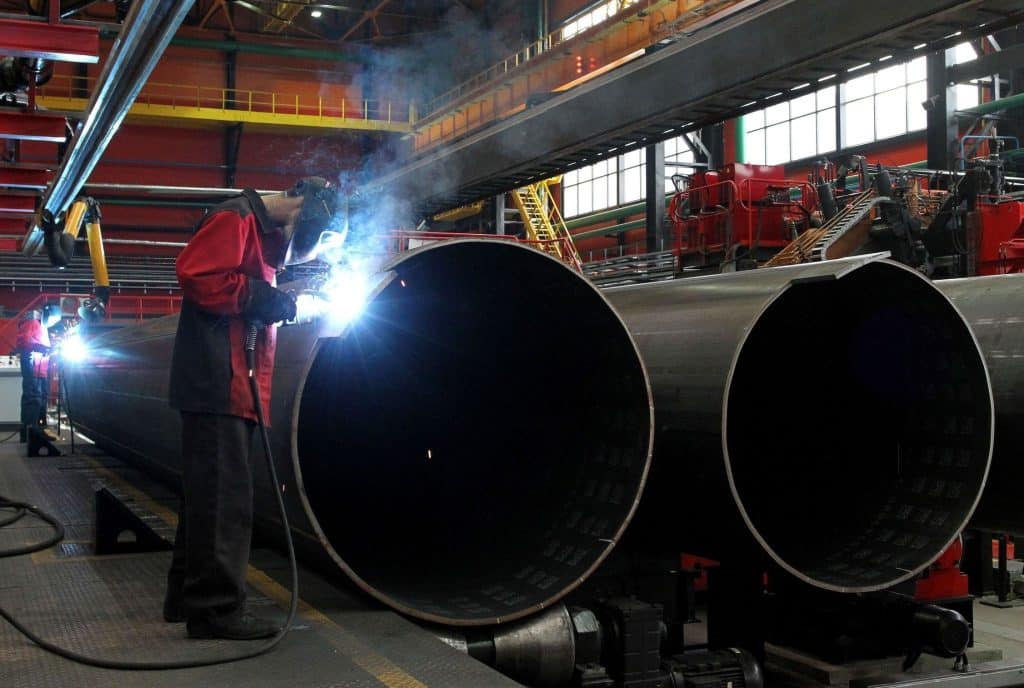
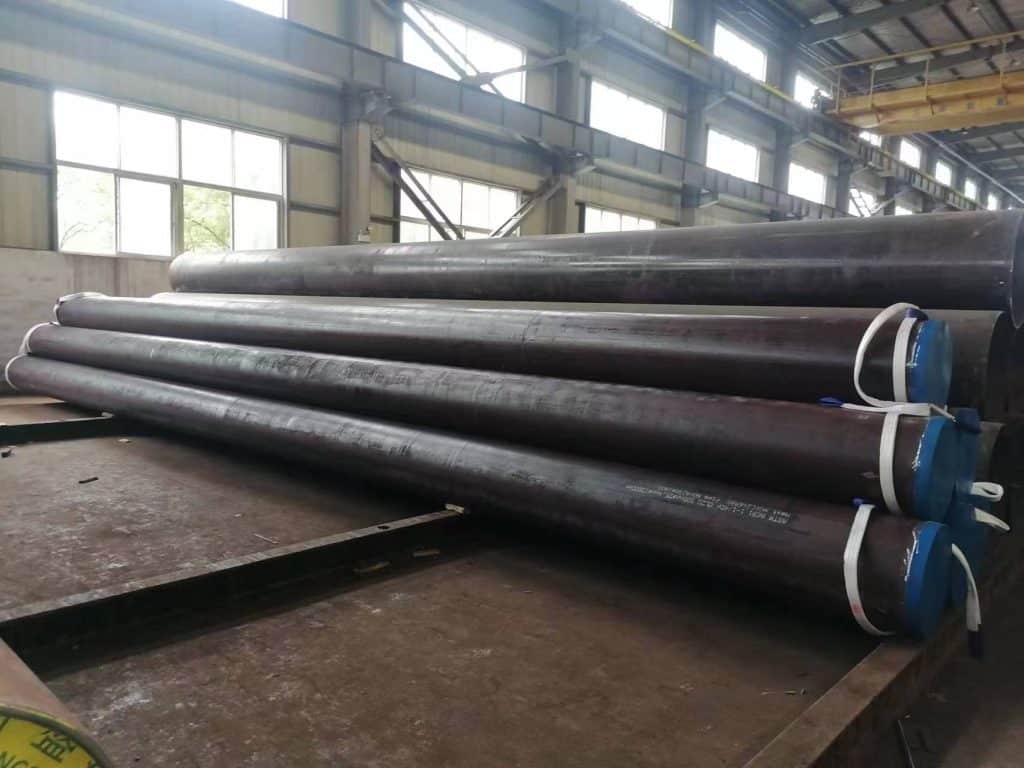
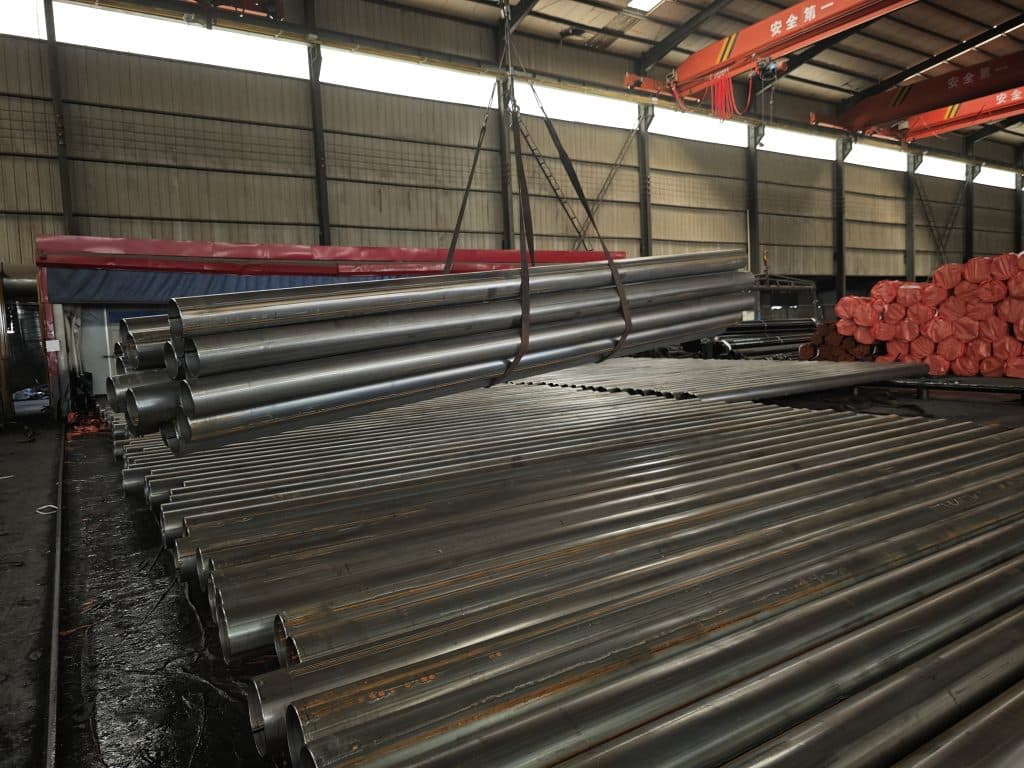
For LONGMA’s ERW and LSAW line pipes, production quality control includes:
| Manufacturing Stage | Key Control Points | Procurement Risks |
| Raw Material Inspection | Steel plate/coil grade, heat number, MTC | Incorrect material grade |
| Pipe Forming | Outside diameter, roundness, straightness | Installation difficulties |
| Welding | Weld penetration, heat input, welding parameters | Weld defects |
| Heat Treatment / Controlled Rolling | Correct delivery condition | Unstable mechanical properties |
| Dimensional Inspection | OD, WT, length, ovality | Poor field fit-up |
| NDT Inspection | UT, RT, ET | Hidden defects |
| Hydrostatic Testing | Pressure tightness | Leakage risks |
| Marking & Packaging | Standard, grade, heat number | Material mix-up and traceability issues |
Before production begins, LONGMA performs a comprehensive technical review to verify the applicable standard, steel grade, PSL level, manufacturing method, dimensional tolerances, pipe ends, coating requirements, and third-party inspection requirements, minimizing production errors caused by incomplete technical information.
Key Inspection Methods and Testing Procedures
High-quality pipeline steel pipe must undergo systematic inspection rather than relying solely on visual examination.
| Inspection Method | Purpose | Typical Procedure | Standard Objective |
| Chemical Composition Analysis | Verify strength, toughness, and weldability | Sampling, spectrometer analysis, MTC verification | Control C, Mn, P, S, CE, etc. |
| Tensile Test | Verify yield strength, tensile strength, and elongation | Sample preparation and tensile testing | Confirm steel grade compliance |
| Charpy Impact Test | Verify low-temperature toughness | Test at specified temperatures | Common requirement for PSL2 |
| Ultrasonic Testing (UT) | Detect internal defects in pipe body and weld | Scanning, recording, evaluation | Reduce slag inclusion and lack of fusion risks |
| Radiographic Testing (RT) | Evaluate internal weld quality | Radiography, film interpretation, documentation | Suitable for critical welds |
| Hydrostatic Test | Verify pressure integrity | End sealing, pressurization, holding, inspection | Pipe shall remain leak-free |
| Dimensional Inspection | Ensure proper field installation | Measure OD, WT, length, straightness | Meet standard and order tolerances |
Inspection reports are essential for evaluating supplier reliability. The Indian BIS Product Manual for IS/ISO 3183 also emphasizes that pipes failing to meet standard requirements must not be marked as compliant.
How LONGMA’s In-House Laboratory Reduces Procurement Risks
Rather than competing solely on price, LONGMA focuses on verifiable quality assurance.
Our in-house laboratory performs:
- Chemical composition analysis
- Tensile testing
- Charpy impact testing
- Dimensional inspection
- Weld inspection
- Ultrasonic testing (UT)
- Radiographic testing (RT)
- Hydrostatic testing
- Complete inspection documentation
Every batch of ISO 3183 line pipe is fully traceable through heat numbers, production records, inspection reports, and Material Test Certificates (MTCs).
For overseas projects, LONGMA also supports pre-shipment inspections by internationally recognized organizations such as SGS, BV, TÜV, and DNV, helping customers minimize customs clearance, project acceptance, and installation risks.
What Should Buyers Confirm When Purchasing ISO 3183 Line Pipe?
| Procurement Item | Recommended Confirmation |
| Standard | ISO 3183:2019 or project-specified edition |
| Steel Grade | L245, L290, L360, L415, etc. |
| PSL Level | PSL1 or PSL2 |
| Manufacturing Method | ERW / LSAW |
| Delivery Condition | R, N, Q, M |
| Inspection Requirements | UT, RT, Hydrostatic Test, Impact Test |
| Coating | Bare, FBE, 3LPE, 3PP |
| Documentation | MTC, NDT Reports, Hydrostatic Test Report, Packing List |
Conclusion
ISO 3183 pipe marking is much more than text printed on the pipe surface—it represents product quality, standards compliance, and full material traceability. For oil, natural gas, and long-distance transmission projects, understanding ISO 3183 marking, PSL classifications, and manufacturing requirements is essential to reducing procurement risks and ensuring long-term pipeline reliability.
If you are looking for a reliable supplier of ISO 3183 line pipe, ISO 3183 PSL2 pipe, or large-diameter ERW/LSAW pipeline steel pipes, LONGMA provides professional technical consultation, in-house laboratory testing, complete quality documentation, third-party inspection support, and dependable delivery solutions. Contact LONGMA today for quotations, sample inspection reports, or project-specific technical assistance.
The translation is based on your uploaded document.