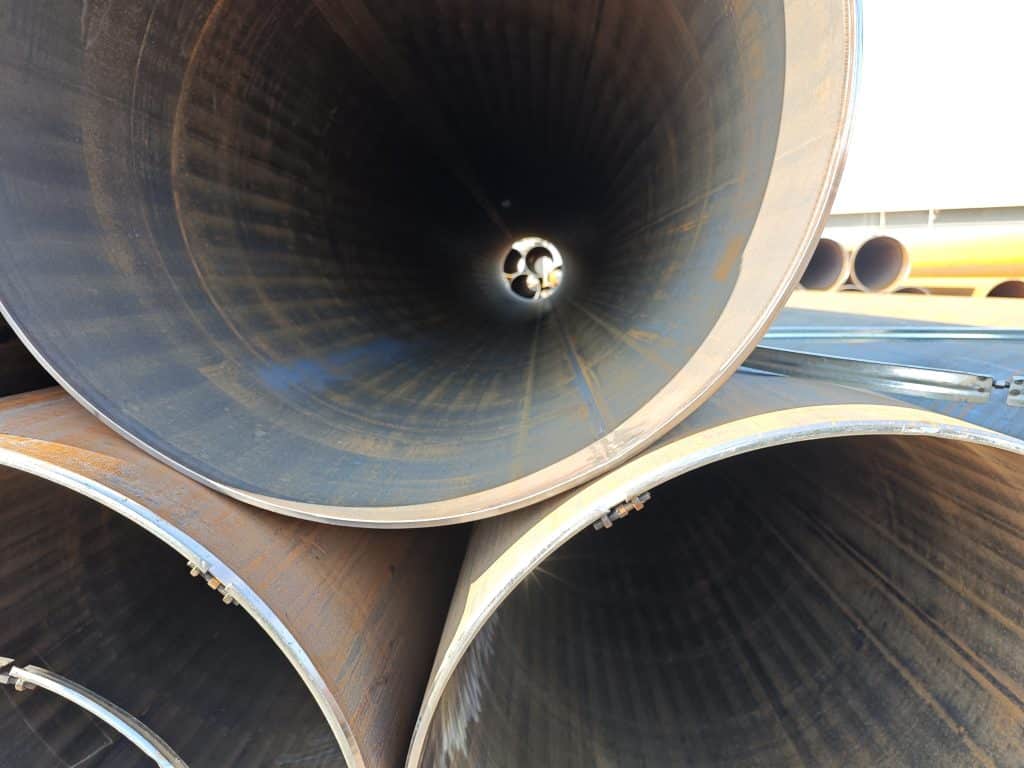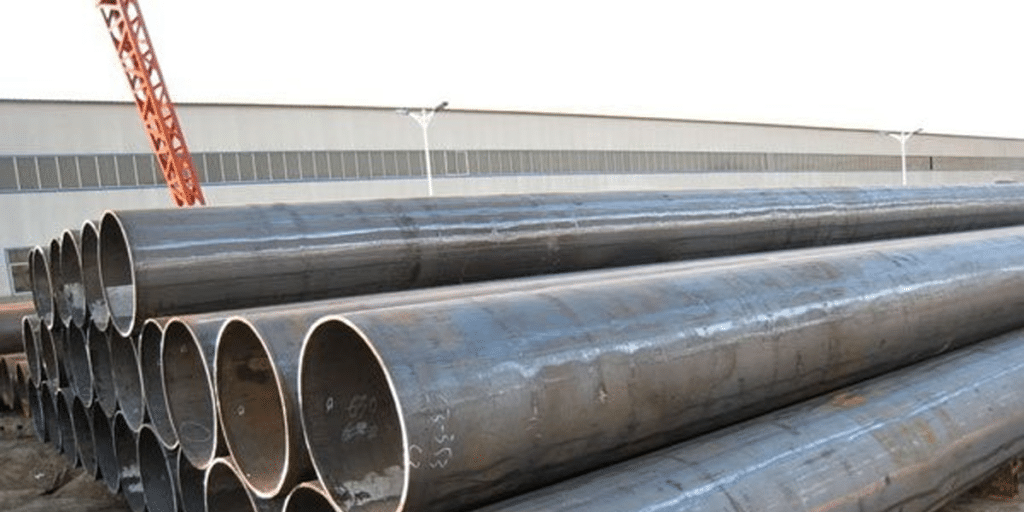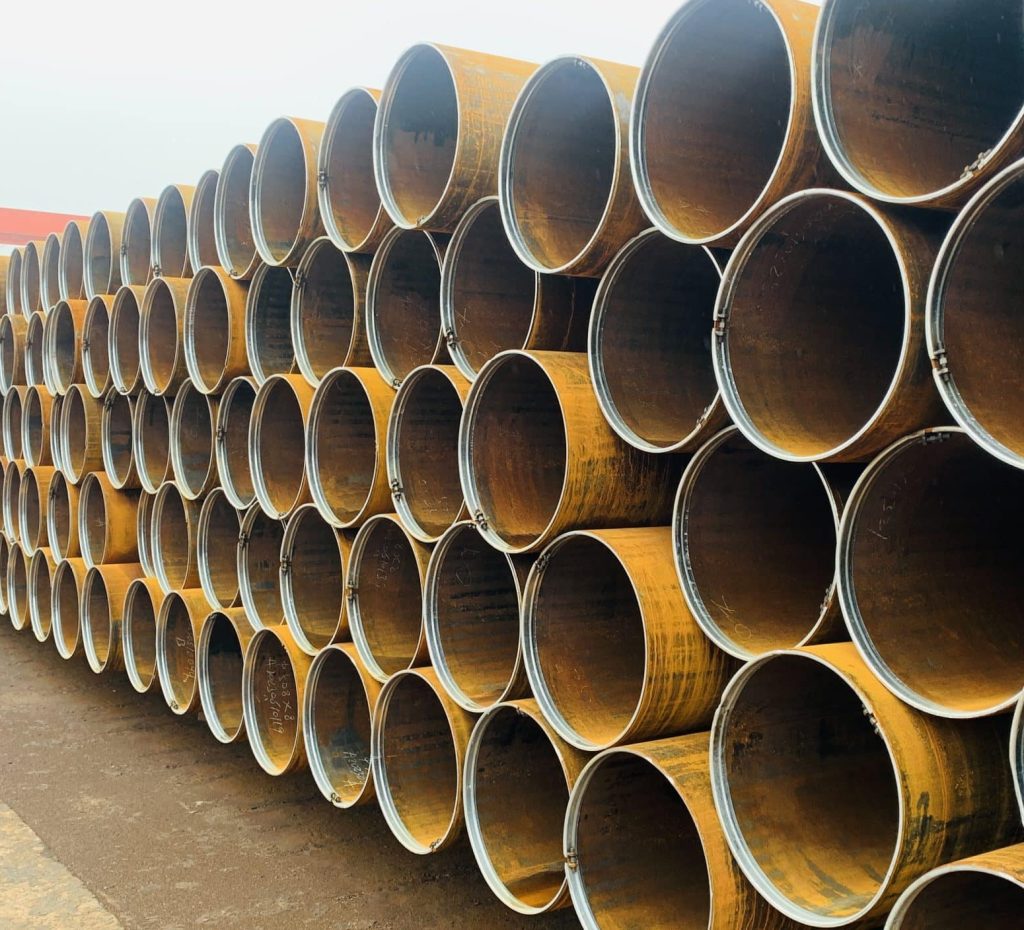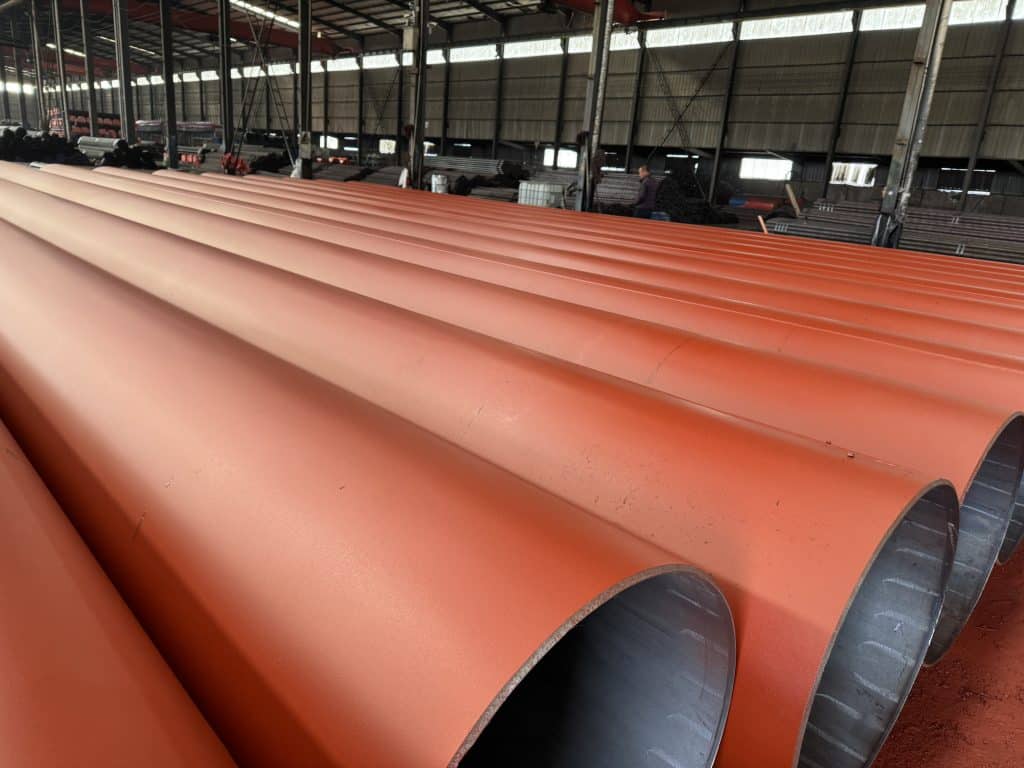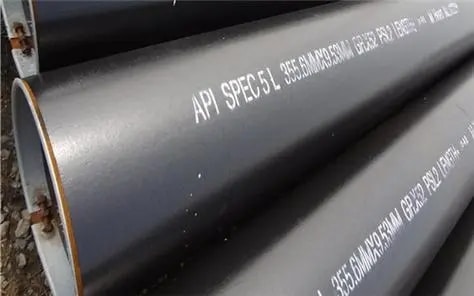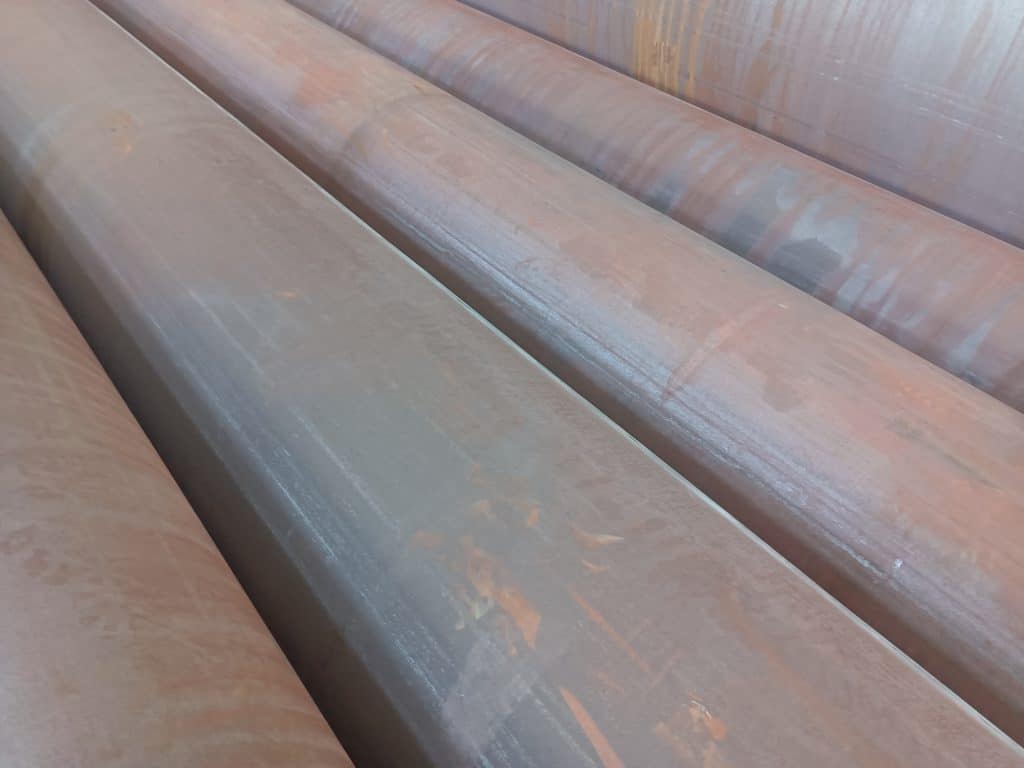
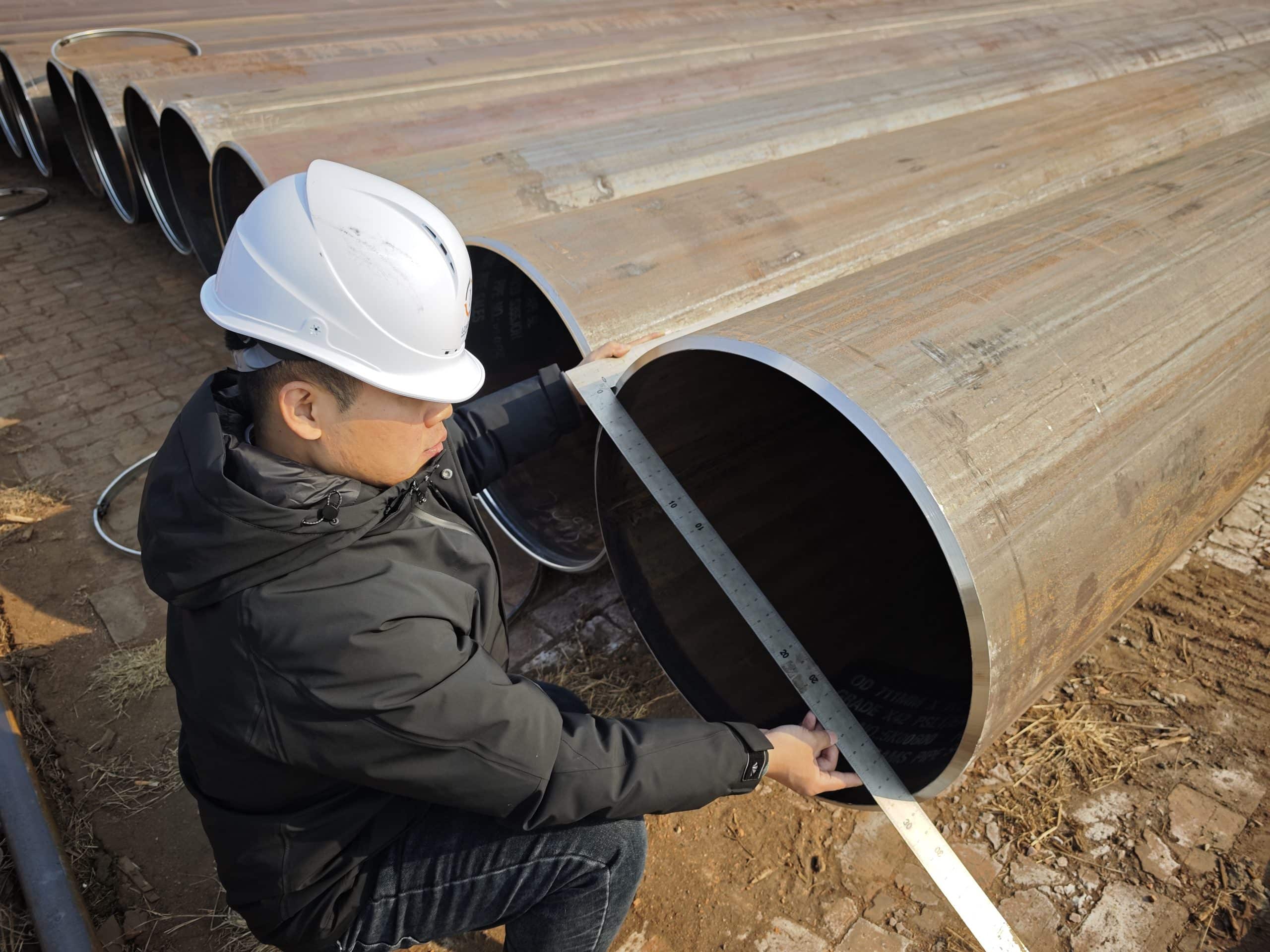
A cold-formed steel tube is a hollow section made by forming steel strip or coil at ambient temperature, typically through roll forming or press forming, then joining the edges where a welded product is specified. It is commonly supplied as circular (CHS), square (SHS) or rectangular (RHS) hollow section. The applicable standard, grade, dimensions and coating determine whether it is suitable for a particular structural application.
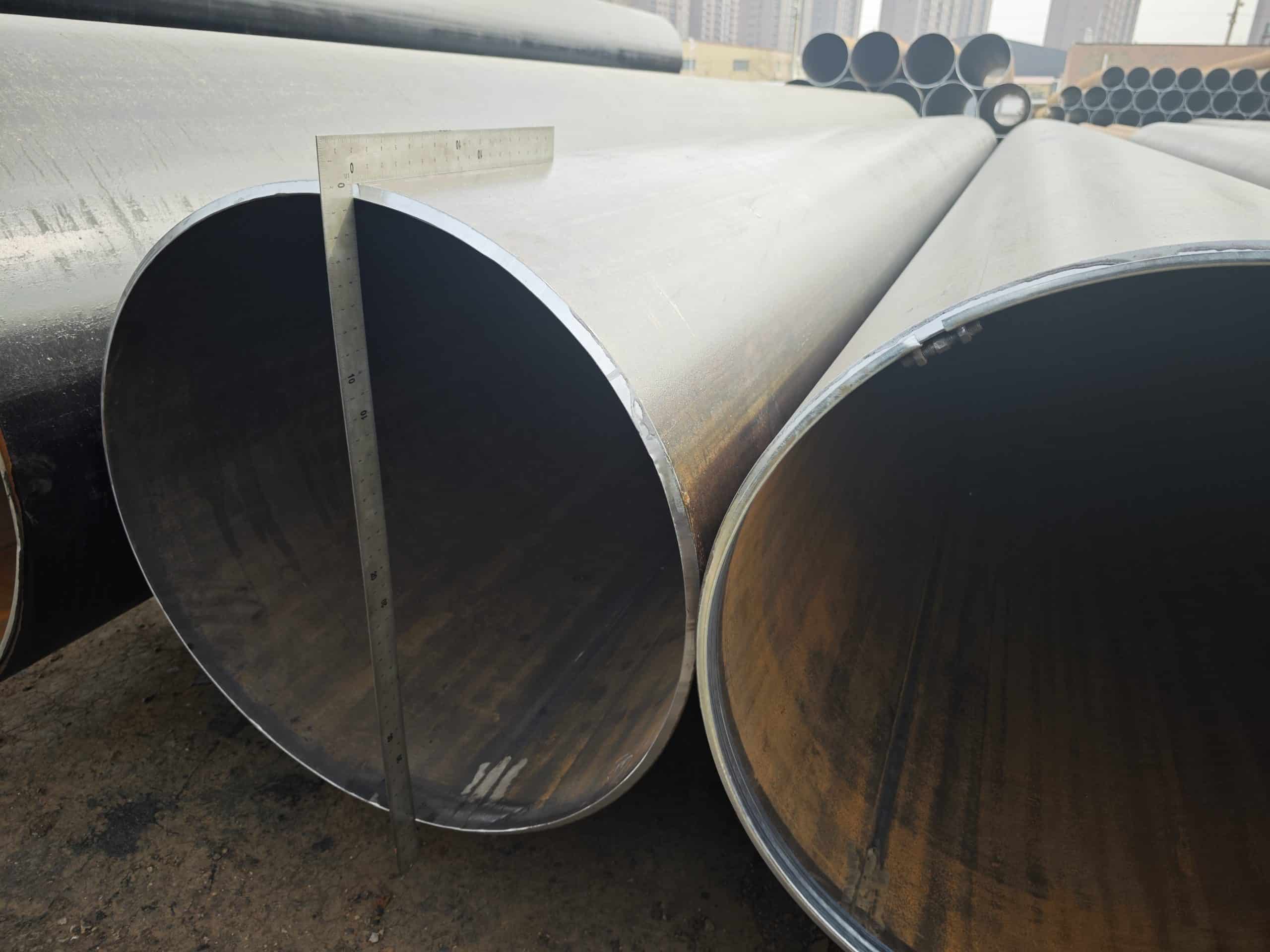
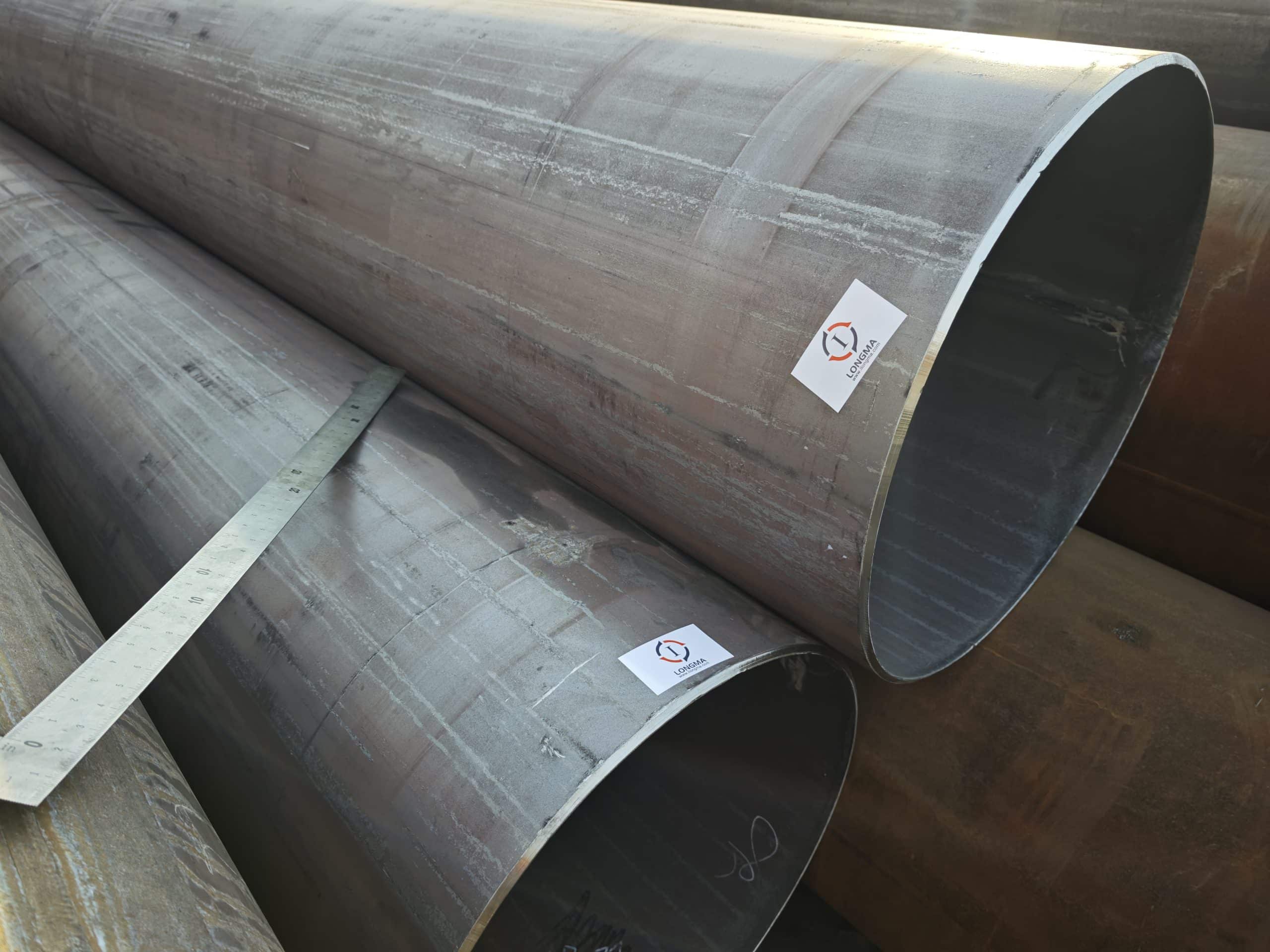
Understanding Cold Formed Steel Tubes
The Manufacturing Process Behind Cold Formed Steel Tubes
When the process is properly qualified and controlled, the weld is assessed against the applicable product standard. Its performance must be demonstrated by the required tests and acceptance criteria; it should not be assumed to be identical to the parent material in every application.
After forming and welding, dimensions, weld quality and other product characteristics are controlled and verified in accordance with the applicable standard, manufacturer procedures and contract requirements.
Key Profiles and Steel Grades Available
Common structural hollow-section profiles include CHS, SHS and RHS. Section selection is an engineering decision based on loads, member length, connection design, buckling, service environment and the governing structural standard.
For Australian and New Zealand projects, AS/NZS 1163 identifies grades and product requirements for cold-formed structural hollow sections. Confirm the current edition, grade designation, dimensions and any low-temperature impact requirement directly against the project specification and the manufacturer’s certificate.
Standards That Govern Quality and Compliance
The applicable product standard depends on the project market and specification. Examples include AS/NZS 1163 for Australia and New Zealand, ASTM A500/A500M for relevant North American structural tubing applications, and EN 10219 for relevant European cold-formed welded structural hollow sections. Confirm the edition and project applicability before ordering.
Applicable standards set product requirements, but a product certificate does not replace structural design. The responsible engineer must select the section and verify the member, connection and system design under the applicable structural code.
Benefits of Cold Formed Steel Tubes in Construction and Manufacturing
Structural Efficiency Through Strength-to-Weight Ratio
Hollow sections can be structurally efficient because material is distributed around a closed perimeter. Their suitability must nevertheless be assessed for the specific member, loads, connections, stability and exposure conditions.
Closed hollow sections can provide an efficient strength-to-weight solution, but comparative weight, span and installed-cost savings are design-specific. Engineers should compare section properties, connection design, buckling behaviour, corrosion protection and fabrication requirements for the actual load case rather than relying on generic percentage savings.
Economic Advantages That Impact Project Budgets
Potential procurement and fabrication considerations include:
- Manufacturing route: cost depends on the product, mill, order volume, grade and market conditions; do not assume a cost advantage from process name alone.
- Material utilisation: it depends on coil, forming, cutting and fabrication practices; obtain project-specific data where it affects the decision.
- Transport: payload, bundle configuration and permissible gross mass depend on product dimensions, packing, route and carrier limits.
- Fabrication and installation: dimensional consistency may assist fabrication, but actual labour and schedule impacts depend on detailing, tolerances, connections and site conditions.
These factors can improve total installed cost, but the outcome depends on section size, steel price, fabrication complexity, coating, transport, connection design and local labour rates. Quote and compare the complete project scope rather than using a generic installed-cost percentage.
Versatility in Fabrication and Surface Treatment
Coating or finishing must be selected for the exposure category and specified by its own applicable standard and project requirements. Confirm surface preparation, coating system, thickness, repair and inspection criteria before ordering.
Surface condition and coating preparation requirements should be defined in the applicable product and coating specifications. Fabrication methods and welding procedures must be selected for the actual material, thickness and design.
Comparison: Cold Formed Steel Tubes Versus Other Tubes
Cold Formed vs. Hot Rolled Structural Tubes
Cold-formed structural hollow sections and hot-formed or seamless tubular products must not be compared as interchangeable categories. Select the product using the applicable structural or pressure-service standard and the project’s functional requirements.
A correctly manufactured and tested welded hollow section can meet the applicable structural standard. However, tolerances, mechanical properties and weld performance must be taken from the governing standard, certified product data and project-specific acceptance requirements—not from broad comparisons with seamless pressure pipe.
For structural applications, use certified product properties and the governing structural design standard. For pressure service, use the applicable piping or pressure-system code and material specification.
Material Performance Across Different Tube Types
| Property | Cold-formed welded hollow section | Hot-formed / seamless tubular product | Stainless steel tube |
| Primary selection basis | Structural standard, section properties, dimensions and coating. | Pressure/service standard, dimensions, material and design code. | Corrosion environment, alloy, fabrication and cost. |
| Tolerance and finish | Confirm from applicable standard and certified data. | Confirm from applicable standard and certified data. | Confirm from applicable standard and certified data. |
| Corrosion protection | Usually requires an appropriate coating system for the exposure. | Usually requires an appropriate coating system for the exposure. | Often higher inherent resistance; environment still governs selection. |
| Cost comparison | Project-specific. | Project-specific. | Project-specific; typically driven by alloy and fabrication requirements. |
Stainless steel, coated carbon steel and other materials should be compared for the actual environment, corrosion mechanism, fabrication method, inspection regime and lifecycle cost. No material is universally the lowest-cost or most durable option.
Profile Selection Based on Loading Conditions
CHS, SHS and RHS can be selected for different loading and connection arrangements, but final choice requires section-property and connection design checks by the responsible engineer.
SHS may simplify some flat-face connections; verify all connection, member and stability requirements in the design.
RHS orientation and dimensions should be selected from the design actions and connection requirements; verify bending, shear, local buckling and other relevant limit states.
Procurement Guide for Cold Formed Steel Tubes
Critical Specification Parameters
When preparing an RFQ, complete specification clarity prevents misunderstandings and makes quotations comparable. Include the governing standard and edition, profile, dimensions, thickness, grade, length, coating, quantity, delivery location and required documents. Do not prescribe certificates that the project does not require; instead, state the documentation and inspection requirements in the RFQ.
- Profile Type: CHS, SHS, or RHS, with exact dimensions (outer diameter or width × height for rectangular sections)
- Wall Thickness: Nominal thickness in millimeters, noting that actual thickness should meet specified minimum requirements
- Steel grade: state the exact grade required by the governing product standard and project specification, including any required toughness designation.
- Length: Standard lengths (6m, 9m, 12m) or specific cut lengths, noting that longer lengths may incur cutting charges or minimum order quantities
- Surface Treatment: Mill finish, hot-dip galvanized (specify coating weight), painted, or other protective systems
- Quantity: Total linear meters or tonnage, broken down by size if multiple specifications are required
- Delivery Location: Final destination for freight calculation purposes
- Required documentation: identify the exact inspection certificate, compliance statement, coating records, quality-system evidence and third-party inspection requirements in the RFQ.
Ambiguous specifications lead to quote discrepancies and potential supply of non-conforming material. Providing complete details upfront streamlines the procurement process and establishes clear quality expectations.
Evaluating Manufacturer Qualifications
Supplier evaluation should include evidence relevant to the order: product standard capability, quality controls, traceability, inspection and test documentation, coating capability where relevant, and commercial terms. Do not treat a quality-system certificate as proof that every product meets every project requirement.
Ask the supplier to confirm available product range, order capacity and delivery date for the actual enquiry. Capacity and lead-time statements should be supported by the supplier’s current quotation.
Specify the traceability level required by the project. The manufacturer should demonstrate traceability and marking only to the extent required by the governing standard and purchase order.
Understanding Pricing Structure and Lead Times
Pricing and lead time are commercial, order-specific matters. Request a written quotation that identifies material, processing, coating, packing, testing, documentation, Incoterms, validity and delivery basis.
Quantity discounts, minimum order quantities and contract pricing, if any, must be confirmed in the supplier’s written quotation or agreement.
Manufacturing and transport lead times depend on the product, capacity, testing, packing, port, shipping service and destination. Confirm them in the written quotation and logistics plan.
Conclusion
Cold-formed structural hollow sections may be suitable for structural applications when selected and designed under the governing standards. Procurement should define the required standard, section, grade, coating, traceability and documentation, while the responsible engineer verifies the design and service suitability.
FAQ
1. What industries commonly specify cold formed structural steel tubes?
Building construction relies on these tubes for columns, beams, bracing, and purlins in pre-engineered metal buildings, warehouses, and commercial structures. Infrastructure projects incorporate them into pedestrian bridges, noise barriers, sign structures, and lighting poles. Mining operations use large-diameter thick-wall tubes for conveyor supports, processing plant structures, and haul road bridges. Energy sector applications include transmission tower components, solar panel racking systems, and wind turbine tower sections.
2. How does durability compare between cold formed and hot rolled tubes?
Service life depends on the actual material, exposure, coating system, coating application, detailing, maintenance and damage in service. Do not use a generic service-life range without a project-specific corrosion assessment.
3.What documentation should buyers request with cold formed tube orders?
Documentation should match the contract and applicable standard. Buyers commonly request a mill test certificate with traceable chemical and mechanical results, plus any required product compliance, coating, quality-system or third-party inspection records. Confirm exact certificate types and issuing requirements with the project engineer or authority having jurisdiction.
Partner With a Reliable Structural Steel Tube Manufacturer
For an enquiry, ask the supplier to confirm in writing the exact product standard, dimensions, grade, coating, available documentation, inspection scope and delivery basis for the requested order. Do not publish unverified capacity, inventory, certification, client or delivery claims.