- 1. What Is Fusion-Bonded Epoxy Coating?
- 2. Advantages of FBE-Coated Steel Pipe
- 3. Where Is FBE-Coated Pipe Used?
- 4. FBE vs. 3LPE, 3LPP, and Liquid Epoxy
- 5. Technical Requirements to Define
- 6. Applicable Standards
- 7. What Should Be Included in an FBE Pipe RFQ?
- 8. LONGMA FBE-Coated Steel Pipe Supply
- 9. FAQ
- 10. Request an FBE-Coated Pipe Quotation
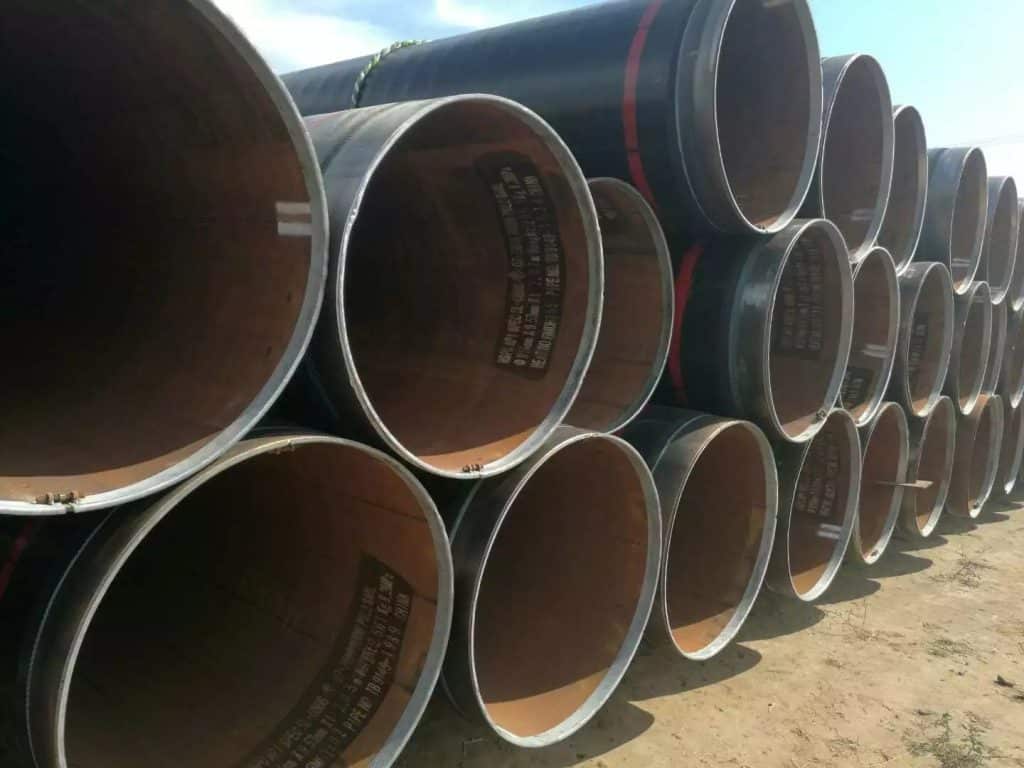
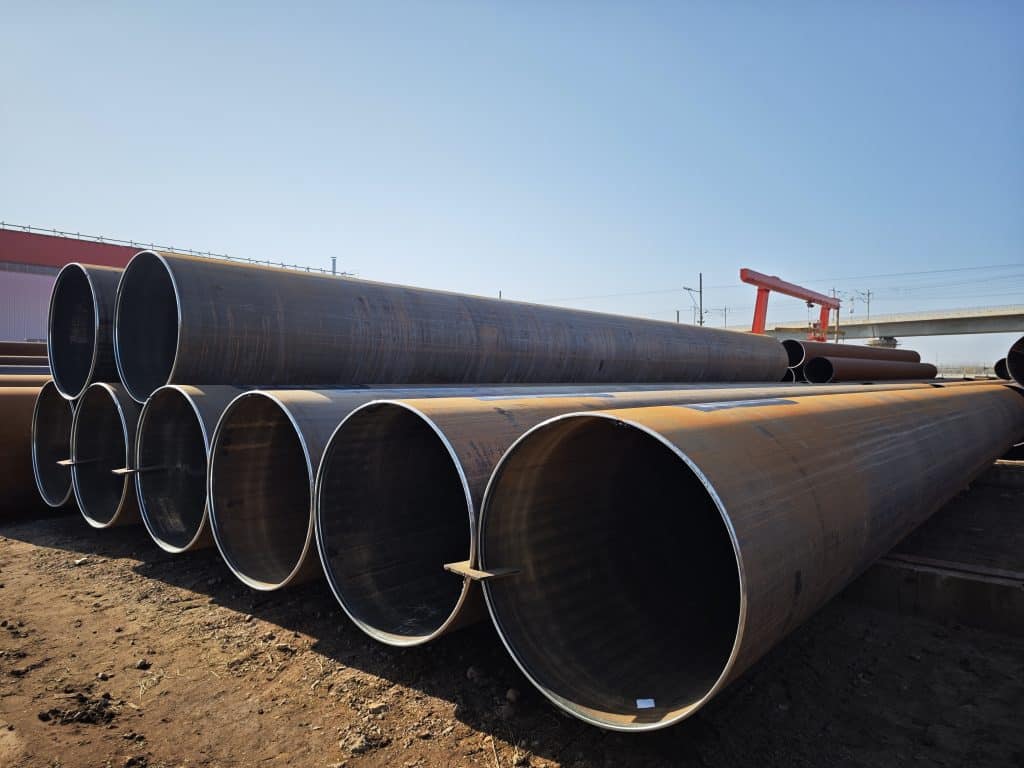
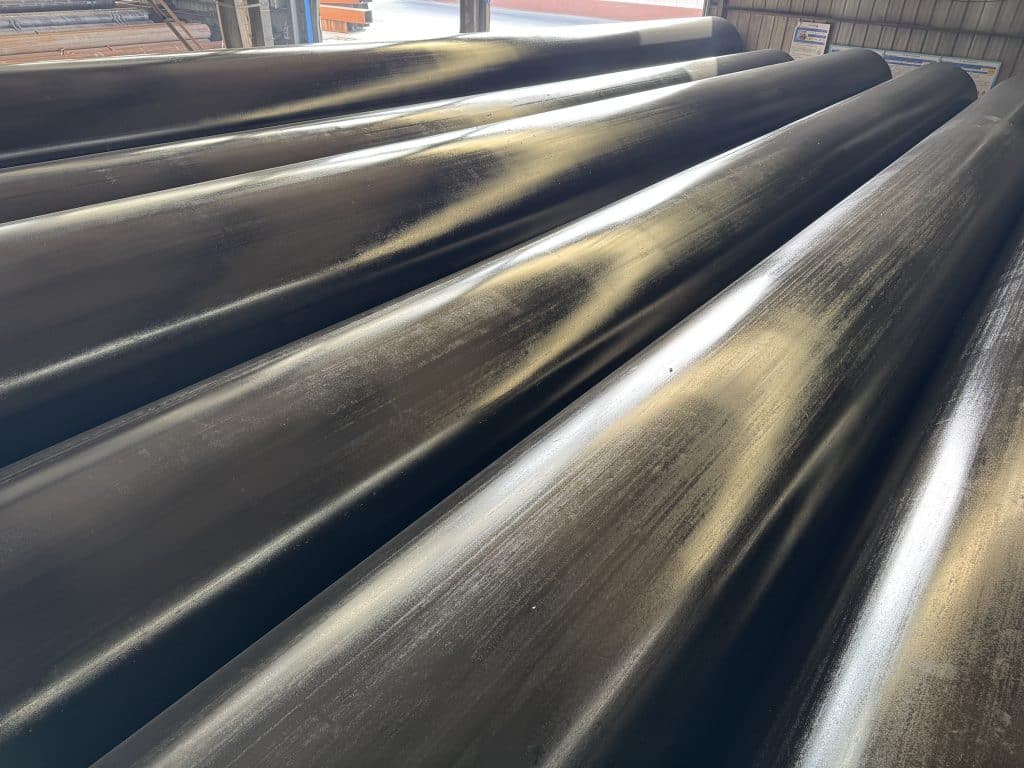
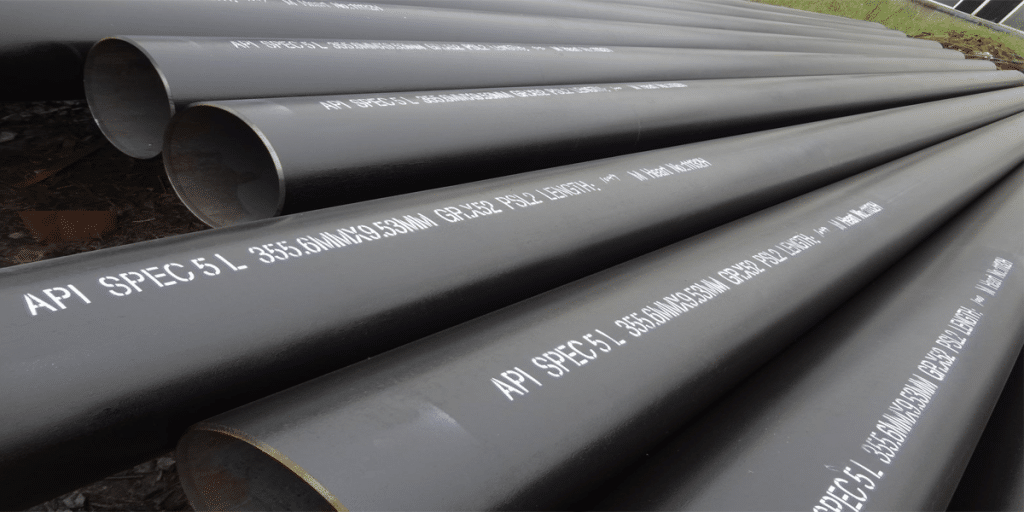
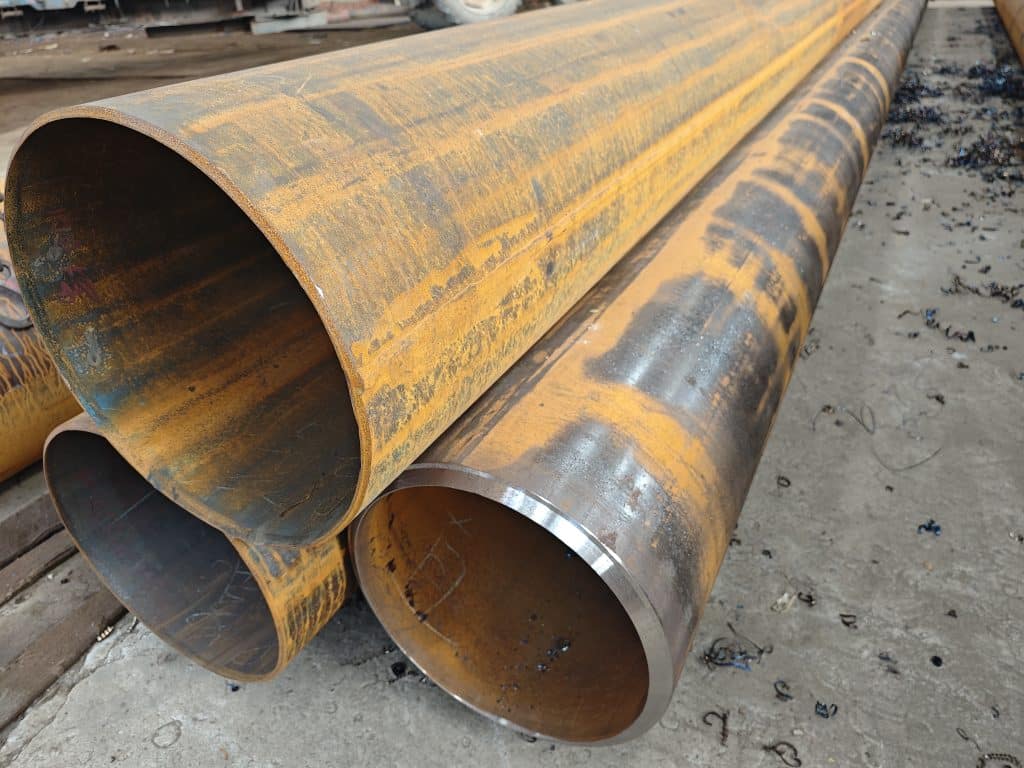
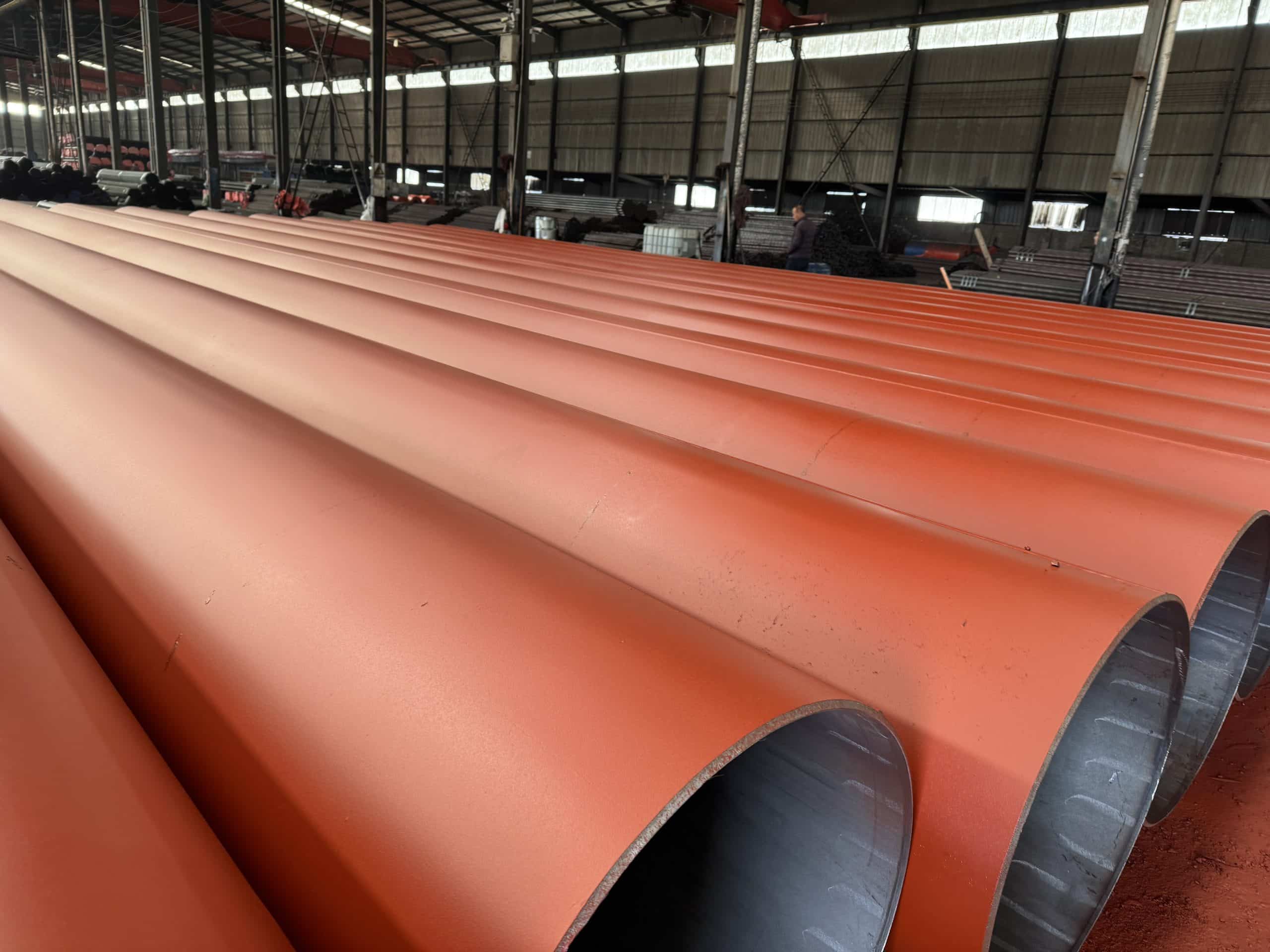
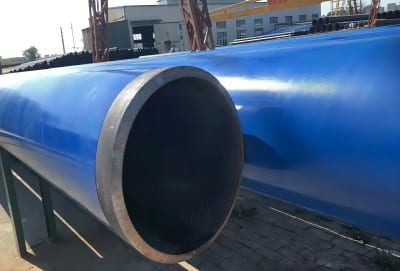
FBE-coated steel pipe is steel pipe protected with fusion-bonded epoxy, a thermosetting powder coating applied to a prepared and heated steel surface in a controlled plant. The coating may be applied by the pipe manufacturer or an approved coating applicator. The powder melts, flows, and cures into a bonded, continuous film that helps isolate the steel from the surrounding environment.
FBE performance depends on more than the coating name. Steel grade, pipe dimensions, surface preparation, powder formulation, application temperature, film thickness, cure, inspection, handling, installation, cathodic protection, operating temperature, and exposure conditions all affect the completed system.
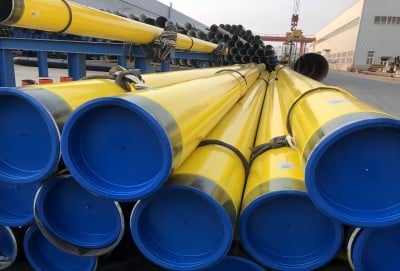
What Is Fusion-Bonded Epoxy Coating?
FBE is applied as a dry powder rather than as a solvent-borne liquid coating. After abrasive blast cleaning, the steel is heated within the qualified application range. Electrostatic spray equipment deposits powder on the pipe, and heat causes the epoxy to fuse and cure.
The cured coating forms a corrosion barrier that reduces contact between steel and moisture, oxygen, dissolved salts, and other environmental constituents. FBE helps control corrosion but does not make a pipeline defect-free or maintenance-free.
Advantages of FBE-Coated Steel Pipe
Bonded Corrosion Barrier
When properly selected and applied, FBE adheres to prepared steel and reduces the area exposed to an electrolyte. Coating continuity, cure, adhesion, and resistance to the intended environment must be verified through the applicable standard and project procedure.
Factory-Controlled Application
Plant application allows controlled abrasive blasting, heating, electrostatic spraying, cure, cooling, thickness measurement, holiday detection, repair, and traceability. Factory control improves repeatability, but transportation and construction can still damage the coating, so receiving and installation inspection remain necessary.
Compatibility with Cathodic Protection
FBE is commonly used with cathodic protection on buried or submerged steel pipelines. The coating limits the exposed steel area, while cathodic protection helps reduce corrosion at coating holidays or other exposed locations. Cathodic protection does not prevent, hide, or repair coating damage, and the combined system must be designed and monitored by the pipeline owner.
Flexible Project Configuration
FBE formulations and thicknesses can be selected for different operating and installation conditions, subject to qualification. More severe handling, abrasive installation, elevated temperature, or trenchless construction may require a dual-layer system, a three-layer polyolefin coating, or other specified protection.
Where Is FBE-Coated Pipe Used?
External FBE is used on steel pipelines for oil, gas, water, and industrial service when permitted by the governing specification. The final coating system should be selected using soil or water conditions, chemical exposure, operating temperature, cathodic-protection design, handling, backfill, installation method, and required service performance.
Potable-water contact requires separate attention. An internal FBE or epoxy lining must be approved or certified for the intended drinking-water application and use conditions. An external oil-and-gas pipeline coating standard does not establish potable-water suitability.
FBE vs. 3LPE, 3LPP, and Liquid Epoxy
| System | General configuration | Main selection consideration |
| Single-layer FBE | One factory-applied fusion-bonded epoxy layer | Corrosion barrier, adhesion, cathodic-protection compatibility, and installation damage risk |
| Dual-layer FBE | Base FBE plus a compatible functional FBE top layer | Additional abrasion or construction-damage resistance when qualified |
| 3LPE | Epoxy primer, adhesive, and polyethylene outer layer | Additional mechanical protection and project operating-temperature range |
| 3LPP | Epoxy primer, adhesive, and polypropylene outer layer | Mechanical performance and temperature requirements within the qualified system |
| Liquid epoxy | Liquid-applied epoxy formulation | Product-specific compatibility, application conditions, cure, and approved repair or field-joint use |
No system is automatically superior for every project. Selection should follow the owner’s coating specification, installation conditions, qualification data, operating environment, inspection plan, and lifecycle strategy.
Technical Requirements to Define
Steel Pipe Substrate
The RFQ should separately identify the steel pipe standard, manufacturing route, grade, outside diameter, wall thickness, length, end preparation, quantity, and material documentation. LONGMA’s production scope is round ERW and LSAW steel pipe.
Surface Preparation
Surface preparation should define visual cleanliness, surface profile, dust, soluble contaminants, and environmental conditions where applicable. ISO 8501-1 provides visual rust and preparation grades; it does not by itself specify the complete surface-preparation system needed for FBE.
Application and Cure
Heating range, powder application, film thickness, cure, cooling, cutback, and repair should follow the coating manufacturer’s technical data, the qualified application procedure, the applicable standard, and the project specification. There is no single universal application temperature or film thickness for every FBE product.
Inspection and Testing
- Visual examination and surface-condition verification
- Surface profile, dust, and soluble-contaminant checks where specified
- Application-temperature and cure records
- Coating-thickness measurement
- Holiday detection using the specified method and voltage
- Adhesion, impact, flexibility, cure, or cathodic-disbondment testing when required
- Repair inspection, marking, traceability, and final release documentation
Applicable Standards
ISO 21809-2:2026 specifies requirements for qualification, application, inspection, testing, handling, and storage of plant-applied single-layer external FBE for bare steel pipe used in oil and gas pipeline transportation systems. Its scope should not be extended automatically to unrelated industrial or internal potable-water applications.
- ISO 8501-1:2007 — Visual assessment of rust grades and preparation grades; a replacement draft is under development.
- ISO 21809-2:2026 — Single-layer external FBE within its stated oil and gas pipeline scope.
- CSA Z245.20 — External fusion-bonded epoxy coating for steel pipe; use the applicable edition.
- AWWA C213 — FBE coating for the interior and exterior of steel water pipe and fittings; use the applicable edition.
- EN 10204 — Inspection documents for metallic products; it does not replace coating-specific records.
What Should Be Included in an FBE Pipe RFQ?
| RFQ category | Information to provide |
| Steel pipe | Standard, grade, ERW or LSAW route, OD, wall thickness, length, quantity, and end preparation |
| Coating system | External or internal location, single- or dual-layer FBE, applicable standard, and specified thickness |
| Service | Buried or submerged environment, operating temperature, chemicals, cathodic protection, and installation method |
| Inspection | ITP, hold and witness points, holiday testing, performance tests, repair acceptance, and third-party scope |
| Documentation | Steel MTC, powder certificate, batch records, application and inspection reports, marking, and traceability |
| Delivery | Packing, handling, destination, Incoterm, and required schedule |
LONGMA FBE-Coated Steel Pipe Supply
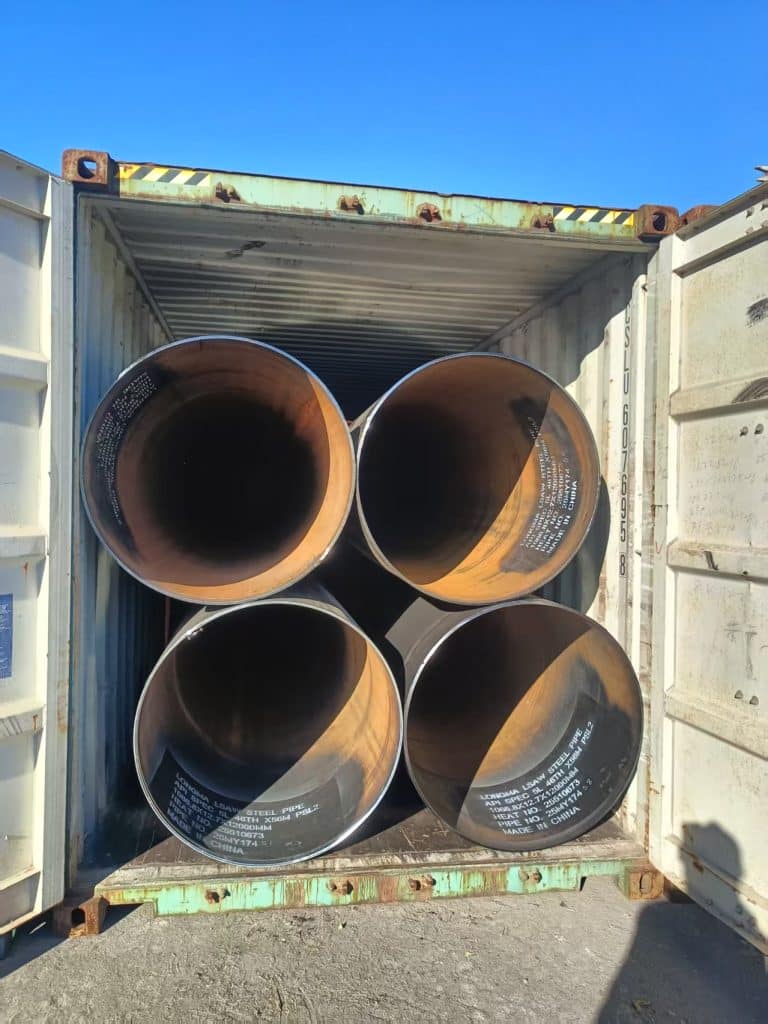
LONGMA manufactures round ERW and LSAW steel pipe. According to the company’s ASTM A671 product page, LONGMA operates two factories with a combined plant area of 200,000 square meters and reports annual steel pipe output of 300,000 tons. Available FBE application, coating configuration, inspection, and documentation should be confirmed for the actual order and project specification.
Where a project requires FBE, 3LPE, 3LPP, liquid epoxy, or another coating system, LONGMA can review and coordinate the requested option subject to technical and commercial confirmation. This wording does not represent every coating as an unrestricted in-house capability.
FAQ
What does FBE stand for?
FBE stands for fusion-bonded epoxy, a thermosetting powder coating applied to prepared and heated steel.
What is the difference between FBE and 3LPE?
FBE is an epoxy coating system. 3LPE combines an epoxy primer, adhesive, and polyethylene outer layer, providing additional mechanical protection when the complete system is qualified for the project.
Can mainline FBE be applied in the field?
Mainline FBE is normally plant applied. Field joints and repairs use project-approved systems that are compatible with the mainline coating and qualified for the installation conditions.
Does cathodic protection repair an FBE holiday?
No. Cathodic protection can help control corrosion at exposed steel, but the coating defect should still be inspected and repaired when required by the construction or integrity procedure.
Which documents should buyers request?
Request the steel MTC separately from coating documents. Coating records may include powder certificates, batch traceability, application-temperature and cure records, thickness and holiday results, repair records, specified performance tests, and final inspection reports.
Request an FBE-Coated Pipe Quotation
Send the steel pipe and coating specification, service conditions, dimensions, grade, coating standard, thickness, testing and documentation requirements, quantity, and destination to info@ilongma.com. LONGMA will review the requested scope before confirming the quotation.