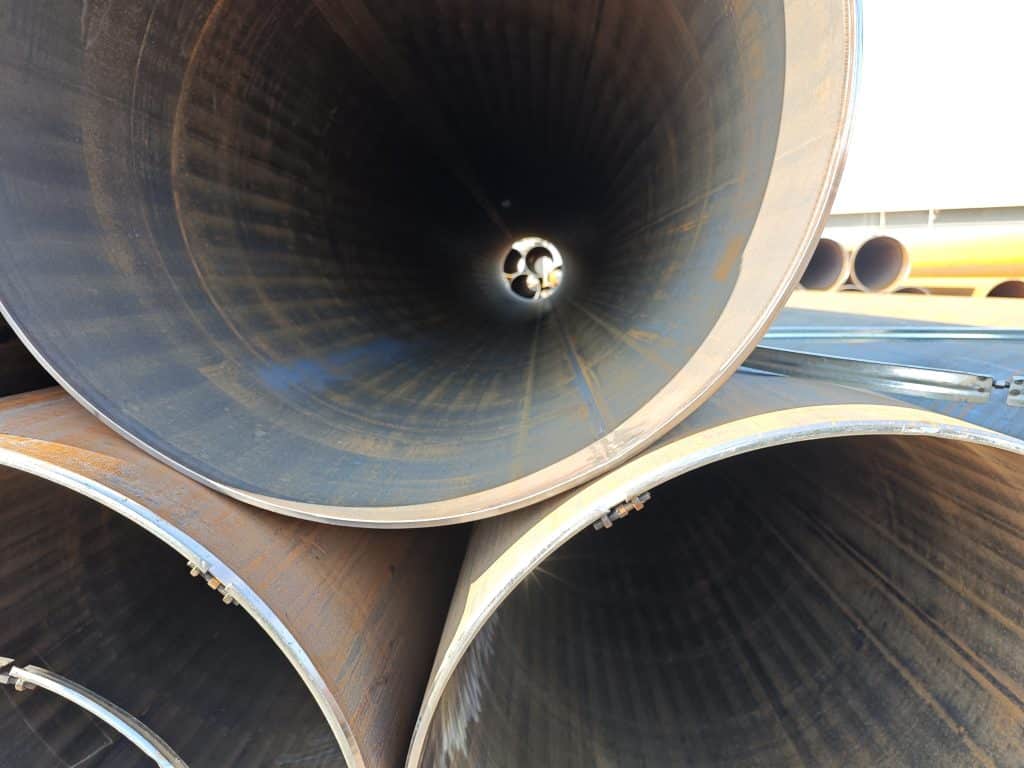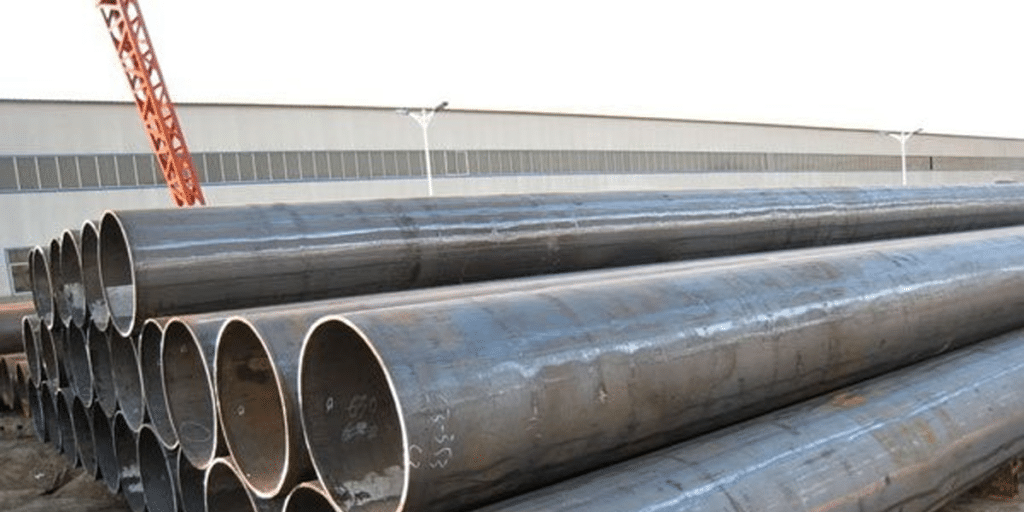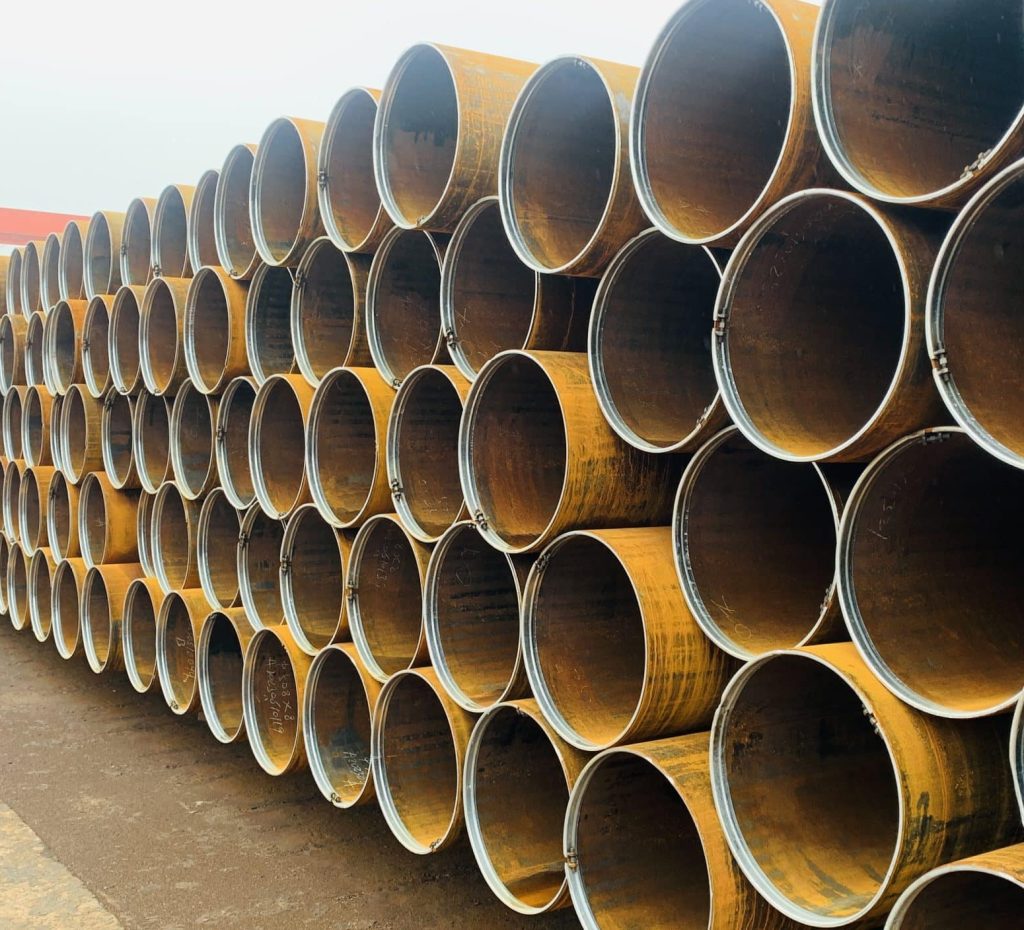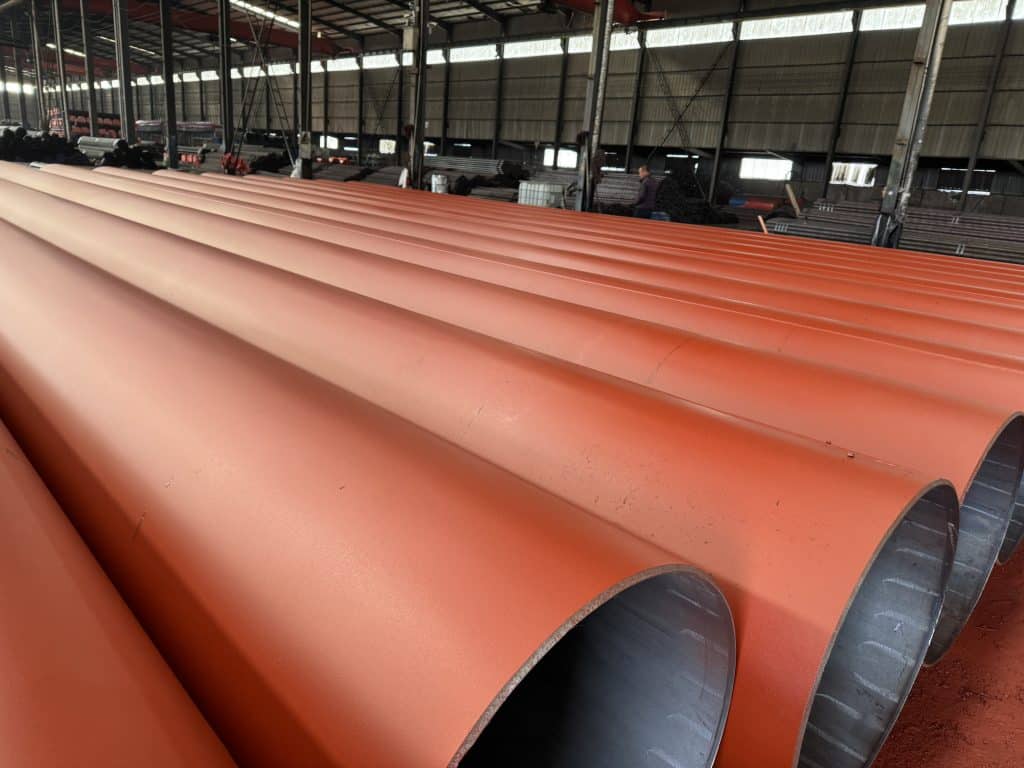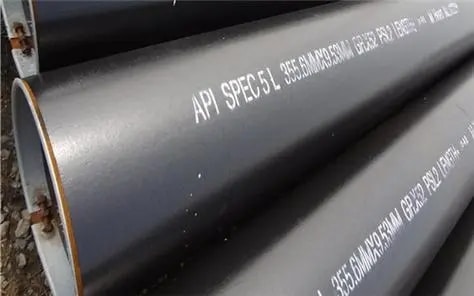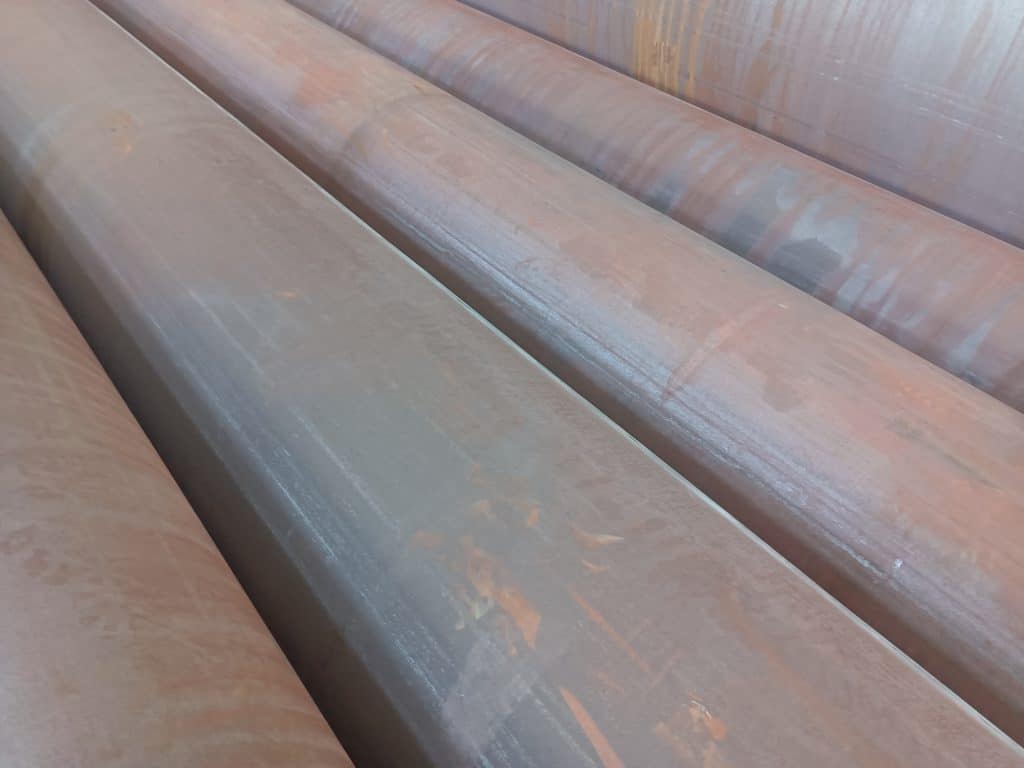
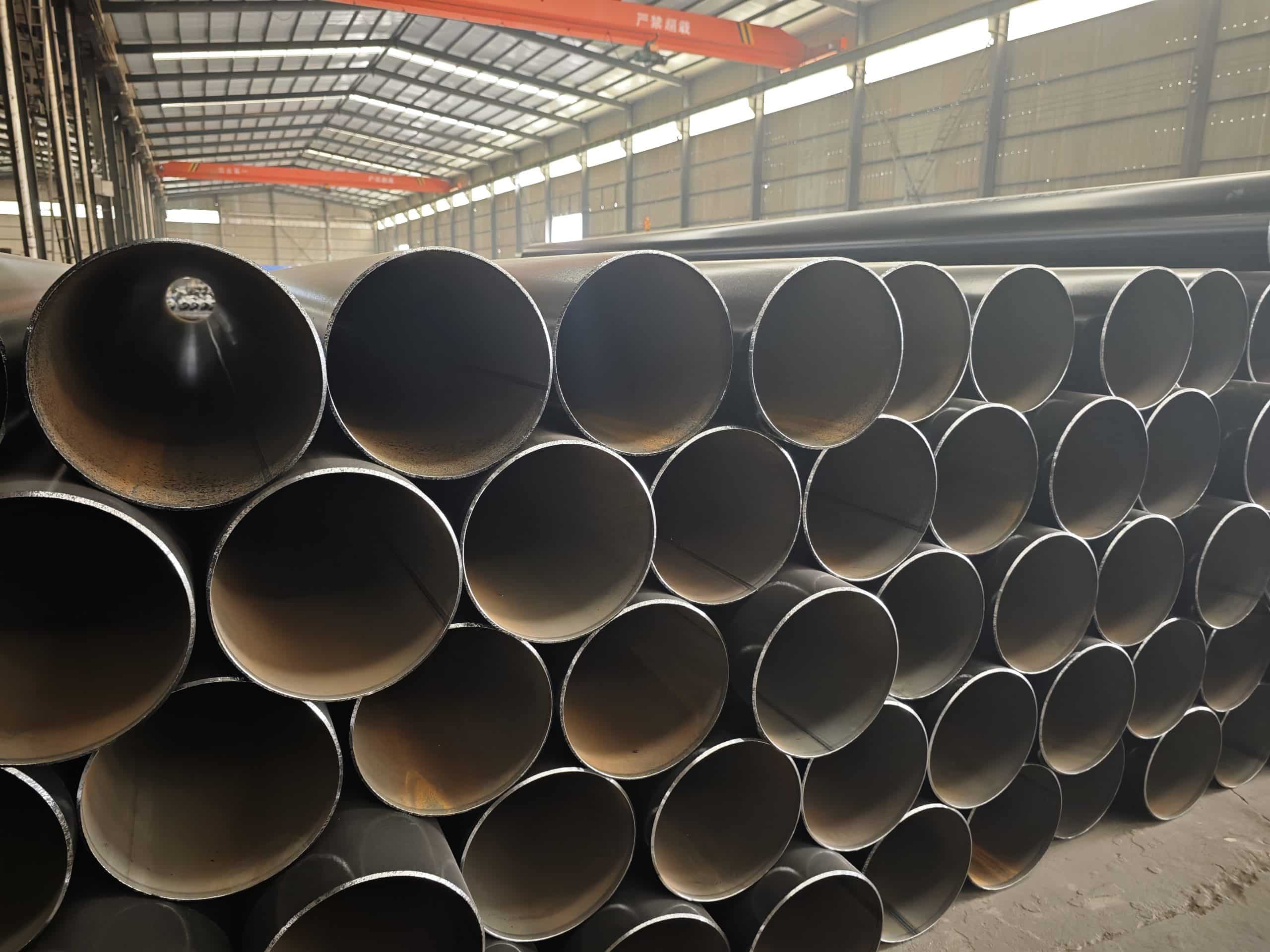
ASTM A53/A53M is a widely used carbon-steel pipe specification for mechanical and pressure applications and for ordinary steam, water, gas and air lines. This guide explains common uses, the differences between available types and grades, and the information a buyer should confirm before selecting pipe for a specific system.
Before requesting a quotation, confirm that the proposed product range, finish, dimensions, end preparation, documentation and delivery commitment are available for the specific order. The final quotation and mill test documentation should govern all product claims.
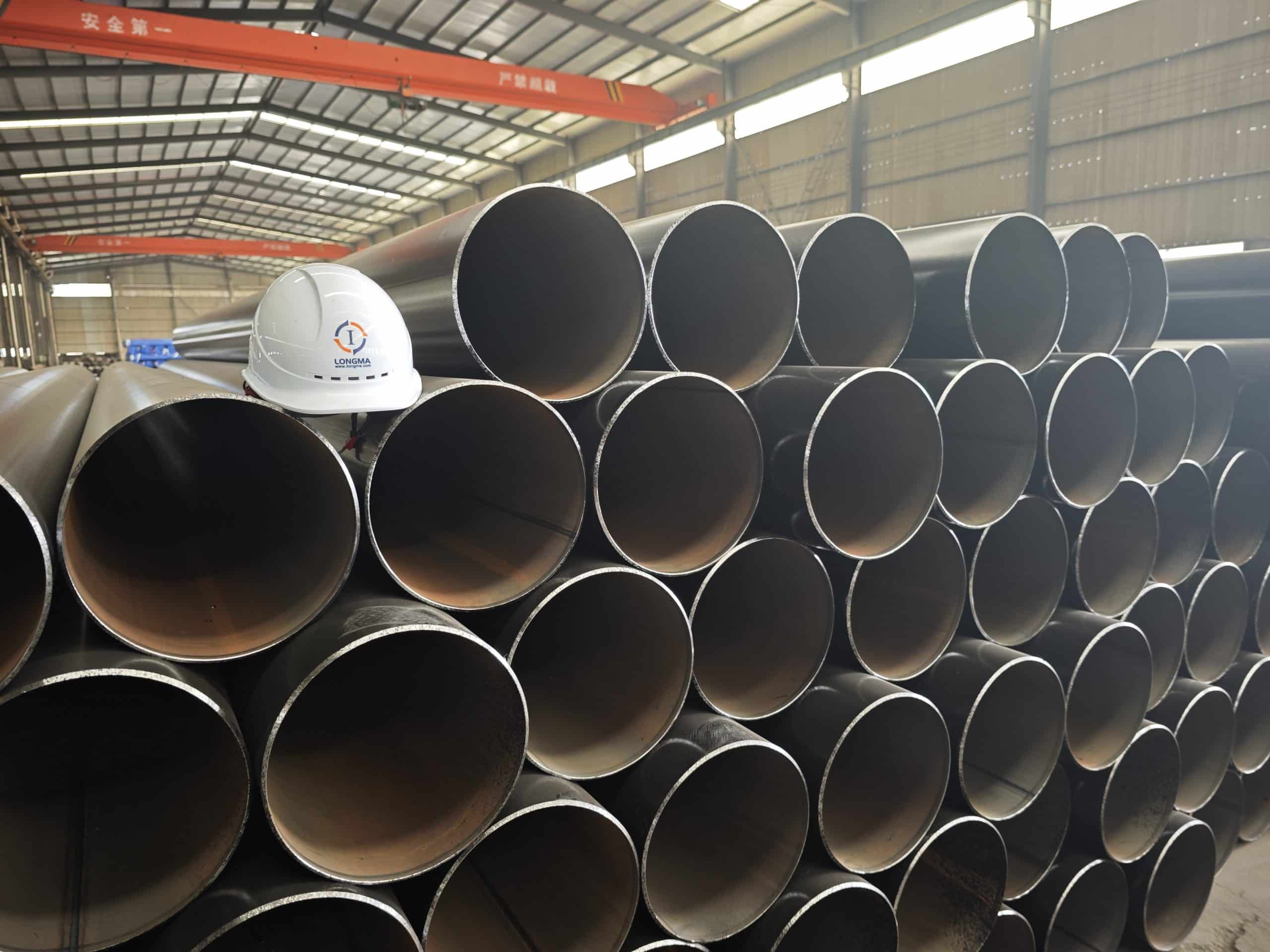
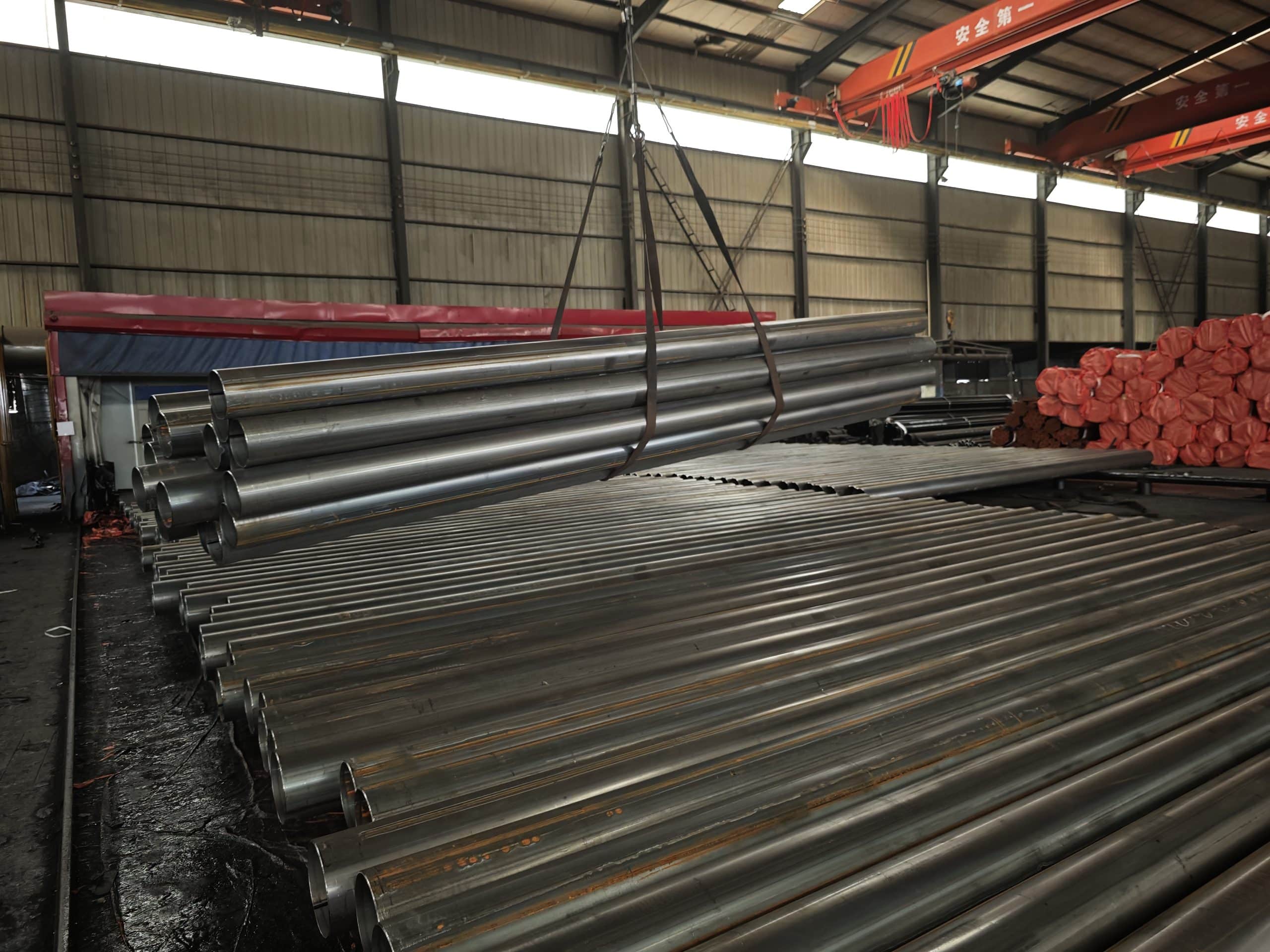
What Is ASTM A53 Pipe?
Definition and Standard Overview
ASTM A53/A53M is an ASTM International specification for black and hot-dipped zinc-coated, welded and seamless steel pipe. Consult the current edition named in the contract for the full scope, dimensions, types, grades, tests and ordering requirements.
Types and Grades at a Glance
ASTM A53 defines Type F (furnace-butt-welded) Grade A; Type E (electric-resistance-welded) Grades A and B; and Type S (seamless) Grades A and B. The selected type and grade must be stated on the order and checked against the current standard.
| Feature | Type F | Type E | Type S |
| Manufacturing method | Furnace-butt welded | Electric-resistance welded | Seamless |
| Available grades | Grade A | Grades A and B | Grades A and B |
| Forming note | Not intended for flanging under ASTM A53. | Confirm suitability under the standard and project design. | Confirm suitability under the standard and project design. |
| Selection reminder | Confirm type, grade, dimensions and service requirements. | Confirm type, grade, dimensions and service requirements. | Confirm type, grade, dimensions and service requirements. |
Grade B has higher specified minimum strength than Grade A, but grade alone does not establish allowable operating pressure or suitability. The piping designer must evaluate dimensions, wall thickness, temperature, fluid, corrosion allowance, joining method and the applicable design code.
How ASTM A53 Pipe Is Used in Oil and Gas Transportation
Low-to-Medium-Pressure Gathering Lines
ASTM A53 pipe may be considered for mechanical, pressure and ordinary fluid-service applications within the limits of the applicable design code and project specification. For oil and gas service, the designer must establish material suitability, pressure design, joining, corrosion control, testing and regulatory requirements.
Where a gas-pipeline code or local regulation lists ASTM A53/A53M as an eligible material specification, the project must still meet all applicable design, joining, testing, traceability and regulatory requirements. Listing in a code is not a blanket approval for every pressure, location or service condition.
Anti-Corrosion Solutions for Harsh Environments
Galvanizing and external coatings can be specified where appropriate, but corrosion-control design must consider the actual exposure, fluid, temperature, surface preparation, coating system, joint protection and inspection requirements.
ASTM A53 Pipe in Structural and Mechanical Applications
Building Frames, Columns, and Scaffolding
ASTM A53 may be used for certain structural or mechanical applications where the governing design specification permits it. For load-bearing structural members, the responsible engineer must select the material standard, section properties, connections and corrosion protection under the applicable structural code.
For any structural or mechanical use, confirm the product’s certified dimensions, properties, permitted manufacturing type and the project’s code requirements before selection.
Fire Protection and Sprinkler Systems
NFPA 13 has listed ASTM A53, ASTM A135 and ASTM A795 among acceptable ferrous piping standards in relevant editions. Fire-protection use also depends on the applicable NFPA edition, system design, listing/approval requirements, pipe schedule, joining method and authority-having-jurisdiction approval. Verify these items before specifying material.
ASTM A53 is a general pipe specification; it does not by itself establish acceptance for a particular fire-protection system. Apply the relevant NFPA edition, listed/approved components and local authority requirements.
Water Transmission and Municipal Infrastructure
ASTM A53 may be used for certain water, mechanical and utility applications when the design specification permits it. For potable-water, buried, municipal or wastewater service, material, coating, joints, lining, pressure class and approvals must be selected under the governing project and local requirements; do not treat A53 as a universal water-main specification.
How to Select the Right ASTM A53 Pipe for Your Project?
Step 1: Define Your Application
Choose the type and grade only after the system designer has established the design code and service conditions. Grade B has higher specified minimum strength than Grade A; however, pressure rating is calculated from the selected dimensions, material properties, design temperature, corrosion allowance and applicable piping code. Grade A may be preferred for certain forming operations as stated in the standard.
Step 2: Choose Surface Finish
Surface finish and corrosion protection must be selected from the actual environment and system requirements. Confirm whether black, hot-dipped zinc-coated or a separate coating system is required, and define the applicable coating and inspection standard.
Step 3: Specify End Finish and Dimensions
Specify end finish and connection method only after confirming the applicable code, pipe dimensions, joint system, pressure/temperature duty, installation procedure and any listing or approval requirements.
Step 4: Verify Documentation and Compliance
Documentation must follow the purchase order and project specification. Define the exact certificate, test record, traceability, coating, third-party inspection and listing/approval evidence required before production.
Quick-Reference Selection Table
| Application | Selection considerations | |||
| Fire-protection system | Applicable NFPA edition, listing/approval, pipe schedule, joints and AHJ approval. | |||
| Water or utility system | Design code, water quality, corrosion protection, joints and local approvals. | |||
| Structural use | Structural design standard, loads, connections and corrosion protection. | |||
| HVAC / mechanical service | Pressure, temperature, fluid, insulation, corrosion and code requirements. | |||
| Oil and gas utility service | Applicable pipeline or plant code, pressure, fluid, corrosion and documentation. |
Conclusion
ASTM A53/A53M is a general steel-pipe specification. Its suitability for a particular installation must be established by the governing design code, project specification, responsible engineer and applicable approvals.
FAQs
1. What is the difference between ASTM A53 Grade A and Grade B pipe?
Grade A and Grade B have different minimum mechanical-property requirements in ASTM A53/A53M. Select between them using the current standard and the applicable design code; do not infer pressure capability from grade alone.
2. Can ASTM A53 pipe be used for fire sprinkler systems?
ASTM A53 may be permitted for relevant fire-protection use when the applicable NFPA edition, system requirements, listing/approval requirements and authority-having-jurisdiction requirements are satisfied. Verify these items for the actual project before ordering.
3. What temperature can ASTM A53 pipe handle?
ASTM A53/A53M does not establish a universal operating-temperature limit for every piping system. Temperature suitability must be determined under the governing piping code, material specification, fluid conditions and project requirements.
4.What information should I provide when requesting ASTM A53 pipe?
Ask the supplier to confirm the available type, grade, dimensions, finish, end preparation, documentation and delivery date in a written quotation for the specific enquiry.
5. What is the hydrostatic test pressure for ASTM A53 pipe?
Hydrostatic-test requirements and test pressure must be confirmed from the current ASTM A53/A53M edition, the ordered product and any applicable options. System design pressure is established under the governing piping code, not from a generic test value.
Request a Project-Specific ASTM A53 Pipe Quotation
For a purchase decision, obtain written confirmation of the supplier’s applicable product capability, certification scope, inspection/test documentation and delivery terms. Do not publish capacity, customer, inventory or delivery claims unless independently verified and current.