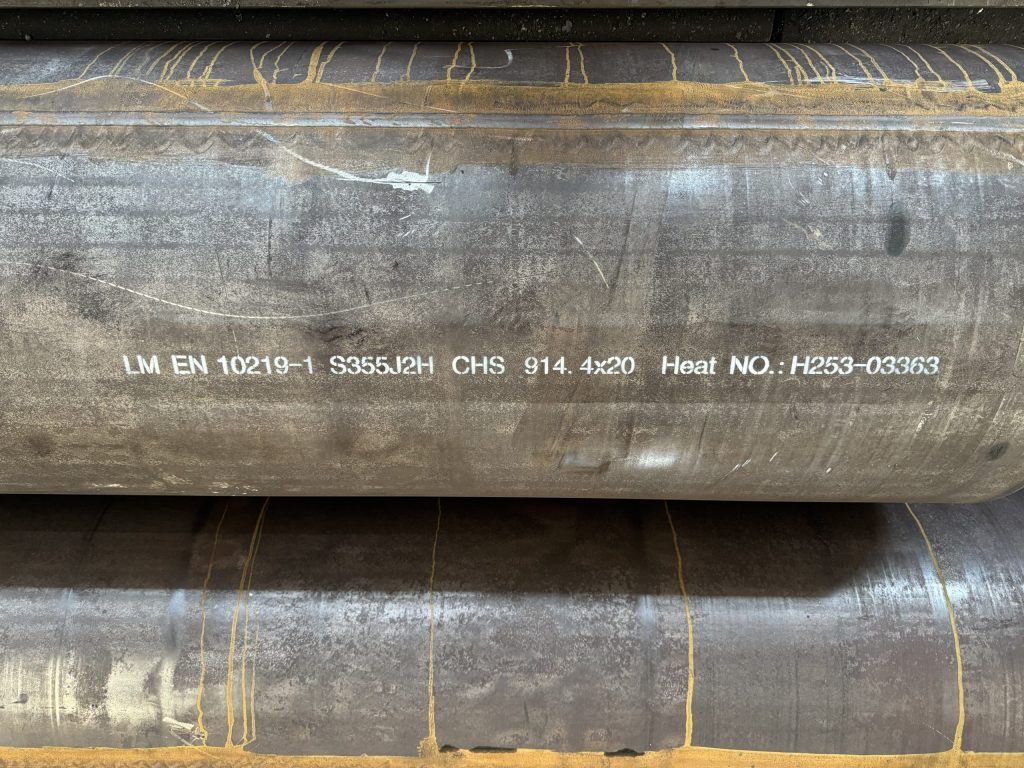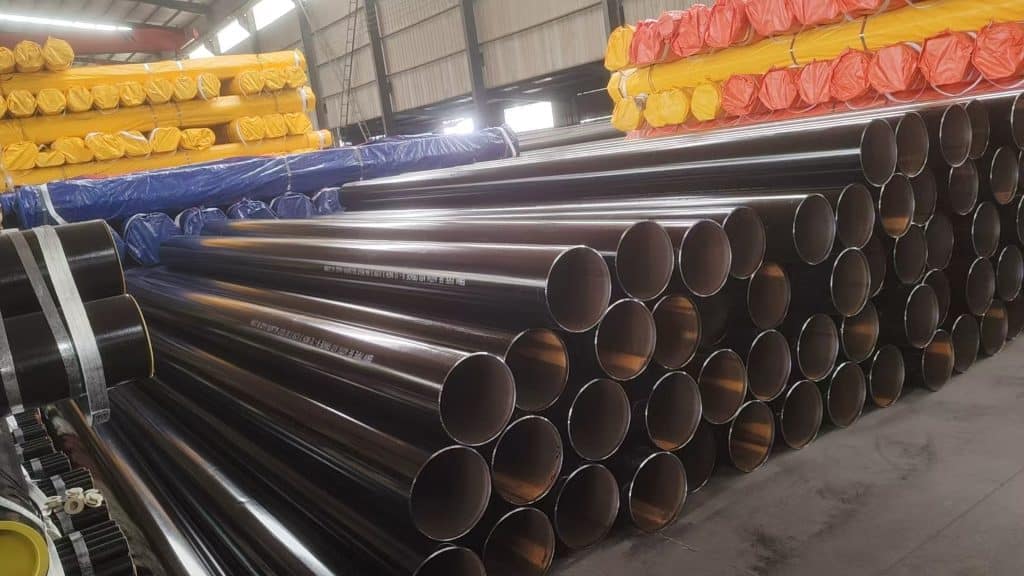
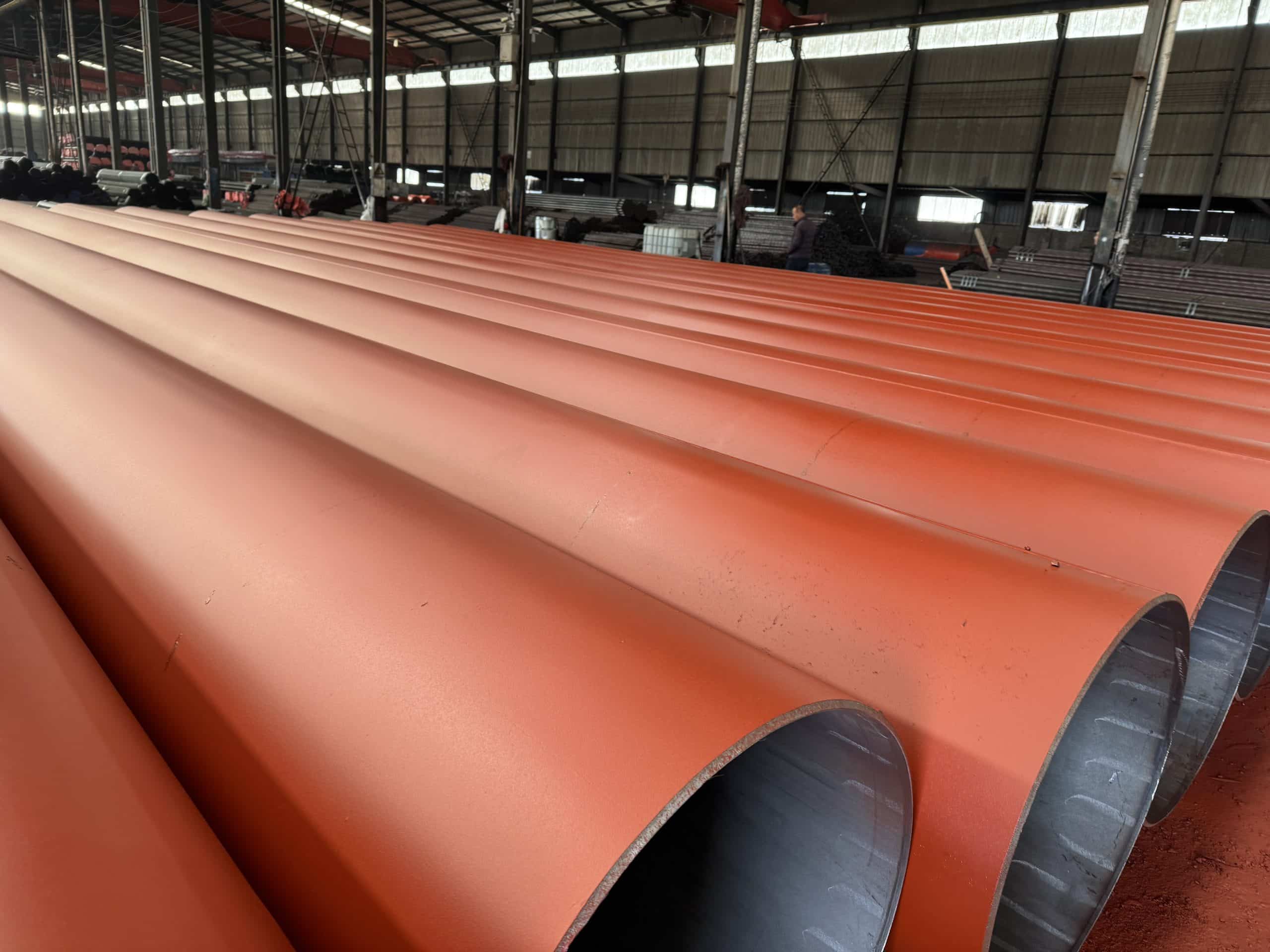
Polishing the galvanized steel pipe is a balancing act of esthetics and protection of the zinc covering. The method entails washing the surface using non-acidic detergents, using fine grit abrasives (400-600 grit) or soft nylon brushes to minimize damage to the galvanized layer, and using specific polishing chemicals developed for zinc surfaces. When properly implemented, these procedures help preserve the corrosion resistance of the pipe, and they provide a smooth, uniform finish for an industrial application where look and long life are important.
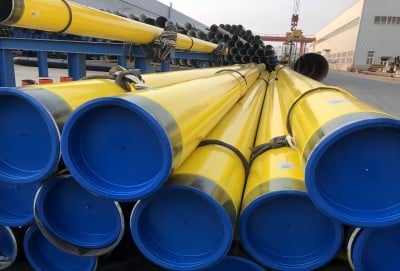
Galvanized Steel Pipe Surface Characteristics
Galvanized steel pipes are carbon steel substrates coated with zinc by hot-dip galvanizing to provide a metallurgical link between the base material and protective layer. The coating is usually 45 to 85 microns thick (ASTM A53) and has excellent resistance to environmental deterioration. The zinc layer is formed by a process that generates unique iron-zinc alloy phases, Gamma, Delta and Zeta layers below the outer Eta pure zinc layer, each providing distinctive protective qualities.
Why Polishing Galvanized Surfaces Presents Unique Challenges
The zinc coating is somewhat soft compared to the underlying steel and this causes unique handling needs. Aggressive mechanical treatments may decrease the coating thickness and then the steel substrate is exposed to rapid corrosion. NACE International research shows that even small breaches in coatings may lower protective life duration by 40-60% in corrosive conditions. Procurement specialists considering polished pipe requirements need to grasp these material weaknesses while evaluating supplier capabilities and quality control procedures.
Material Properties Affecting Polish Quality
The crystalline structure of hot-dip galvanized coatings affects the final surface appearance. The visible zinc crystal patterns are called spangle patterns and depend on cooling speeds and chemical composition during galvanizing. Larger spangles might seem uneven after polishing. Minimized spangle finishes are more consistent. Coating adhesion strength should be >7 MPa as per ISO 1461 standard, to resist polishing practices without delamination, which is one of the important specifications for procurement assessment.
Effective Polishing Methods for Galvanized Steel Pipe
Optimal surface quality of zinc coated pipes and achieving desired esthetics and maintaining coating integrity via methodical procedures. These technologies have been developed over decades of manufacturing expertise servicing large oil and gas contractors across many continents.
Surface Preparation and Cleaning Protocols
Initial cleaning eliminates manufacturing residues, transport pollutants and oxidation products without chemical assault on zinc. Alkaline detergents with pH 9-11 are efficient in removing oils and particles and retaining coating stability. Avoid acidic cleansers altogether since pH below 6 starts the breakdown of zinc. Deionized water pressure washing at 1,000-1,500 PSI is an effective method of cleaning big diameter pipes often requested for municipal water projects that conform to AWWA C210 standards.
Proper drying avoids water spots which may cause problems in later polishing steps. Mechanical polishing uses 90 PSI compressed air to blow moisture from the inside of the pipe and recessed regions where standing water might interfere with coating application.
Mechanical Polishing Techniques
The right choice of abrasives maintains the coating thickness yet gives a smooth surface. The following method achieves a good trade-off between efficiency and protection:
Selection and Use of Abrasives: Non-woven nylon abrasive pads, 400-600 grit, eliminate surface imperfections without removing excessive zinc. The use of rotary tools working at a speed of between 1200 and 1800 RPM with regulated pressure between 2 and 3 kg/cm² prevents localized heating that softens the zinc and produces spreading. For big diameter Galvanized Steel Pipe in district heating systems, surface quality is important for the adherence of insulation. Orbital sanders with dust extraction provide consistent results across long pipe lengths.
Progressive Refinement: Multi-stage polishing starts with 400-grit to level surface differences, moves to 600-grit for smoothing and ends with 800-grit for appearance-critical applications. Each step removes roughly 5-8 microns of coating and hence initial zinc thickness verification is necessary to confirm that sufficient protection remains. Procurement experts should look for coating integrity after polishing, when required, from certified vendors with third-party testing to ASTM B633.
Chemical Polishing and Passivation
Mild chemical treatments improve surface properties without causing mechanical interference. Field joint treatments of 2-5% phosphoric acid solutions for 30-60 seconds provide micro-etching that enhances adherence of the succeeding coatings. This is especially useful for pipes intended for oil and gas transmission projects, where field welding necessitates appropriate surface preparation for the application of FBE or liquid epoxy coatings during installation.
Chromate-free passivation procedures according to RoHS requirements provide protective conversion coatings that prevent the development of white rust during storage and shipment. Such treatments are crucial for pipes that ship to areas with long exposure to marine commerce where humidity control is difficult.
Comparing Polishing Methods: Performance and Application Suitability
Conventional aggressive polishing methods for bare steel are not suited for coated pipes and fail prematurely in corrosive operating settings. Better results are obtained with new methods developed particularly for zinc surfaces.
Traditional vs. Contemporary Approaches
A regular buffing wheel running at 3,000+ RPM will become hot enough from friction to melt the zinc (419°C locally) and will mess up the coating on a Galvanized Steel Pipe enough to fail an adhesion test, but not enough to be seen visually. Abrasive blasting is often recommended for surface preparation and it is typical to remove 20-40 microns each pass which may be detrimental to the coating integrity on pipes with normal 60 micron zinc coatings to ISO 1461 minimum criteria.
Modern techniques involve mechanical procedures with temperature control, keeping the surface temperature below 60°C, so that the coating structure is preserved. Chemical polishing solutions completely eliminate mechanical stress, however they need careful waste processing and paperwork for environmental compliance – a problem for facilities operating under ISO 14001 environmental management systems.
Application-Specific Method Selection
The industrial environment defines the polishing techniques. Appearance is less of a concern than corrosion prevention with pipes for subterranean water transmission in Southeast Asian markets. Polishing is minor, limited to removal of transport damage. Meanwhile, the architectural applications in petrochemical facilities need greater esthetic quality, hence, the multi-stage mechanical polishing technique followed by the final chemical passivation is justified.
Service temperature circumstances impact the selection of technique. FBE coatings are put over hot-dip galvanization for district heating pipes working at 80-95 °C and need surface preparation polishing to establish an ideal mechanical anchoring, without weakening the coating. Our production methods for heating projects in Eastern Europe illustrate how application-specific polishing preserves performance throughout a range of service requirements.
Conclusion
Polishing a galvanized steel pipe is a specialist understanding of how to improve the look without damaging the coating. Successful results rely on proper choice of technology – mild mechanical procedures or regulated chemical treatments – according to particular application needs and service conditions. Procurement experts need to go beyond basic product requirements and analyze suppliers’ capabilities, including quality control systems, certification compliance and specialized service offers to expedite project execution. Lifecycle value is provided by proper maintenance practices that increase the life of the protective coating and justify the original investment in quality polished galvanized items.
FAQ
1. Does polishing take away from the corrosion protection of a galvanized pipe?
Proper polishing processes remove only a limited amount of coating thickness (usually 10-15 microns across all stages) and retain most of the protective capability. Standard hot-dip galvanizing to ASTM A53 provides 60-85 microns of coating, so sufficient zinc normally remains after professional polishing. Coarse abrasives or excessive pressure in aggressive techniques, however, can sacrifice protection. Always seek post-polishing coating thickness verification and ask for evidence to ensure residual zinc conforms to project specifications. Reputable manufacturers regularly test the magnetic thickness gage and will provide confirmation of coating integrity within specification following polishing operations.
2. How often should outdoor galvanized pipe systems be serviced?
Environmental conditions govern inspection periods. Visual examination weekly and cleaning semi-annually is required for coastal or industrial areas with salt spray or chemical exposure. Moderate inland temperatures in temperate zones may allow for a yearly inspection schedule. Use pH-neutral detergents and gentle brushes to clean polished surfaces. Avoid strong chemicals or abrasive pads that harm coating. Watch for the production of white rust (zinc corrosion products) indicative of moisture build-up necessitating remedial drainage improvements. By documenting inspection results, you may follow performance across the lifespan and support warranty claims.
Partner With a Trusted Galvanized Steel Pipe Manufacturer
LONGMA has 20 years specialized expertise in producing anti-corrosion steel pipes for demanding industrial applications all over the globe. Our integrated manufacturing plant enables us to control everything from pipe formation to state of the art coating technologies including hot dip galvanizing, 3LPE, 3LPP, FBE and liquid epoxy for consistent quality and full traceability. We have successfully supplied over 500,000 tons per year to significant projects in oil and gas transmission, municipal water infrastructure and district heating networks, winning the trust of industry heavyweights such as SINOPEC, CNPC and PEMEX.
Our engineering team offers technical consulting based on your project needs with unique coating thickness combinations, specialist polishing services, and accelerated delivery options designed to meet important construction timetables. All items are certified to ISO 9001:2015 and documented to EN 10204 3.1 with third party testing available via SGS and BV for projects needing independent verification.
Want to discuss your galvanized steel pipe supplier needs? For complete product specifications, competitive bulk pricing and delivery schedules that fit your project timetable, contact our procurement experts at info@ilongma.com. Visit https://www.ilongma.com/ to see our whole anti-corrosion pipe range and obtain technical documents to help your sourcing selections.