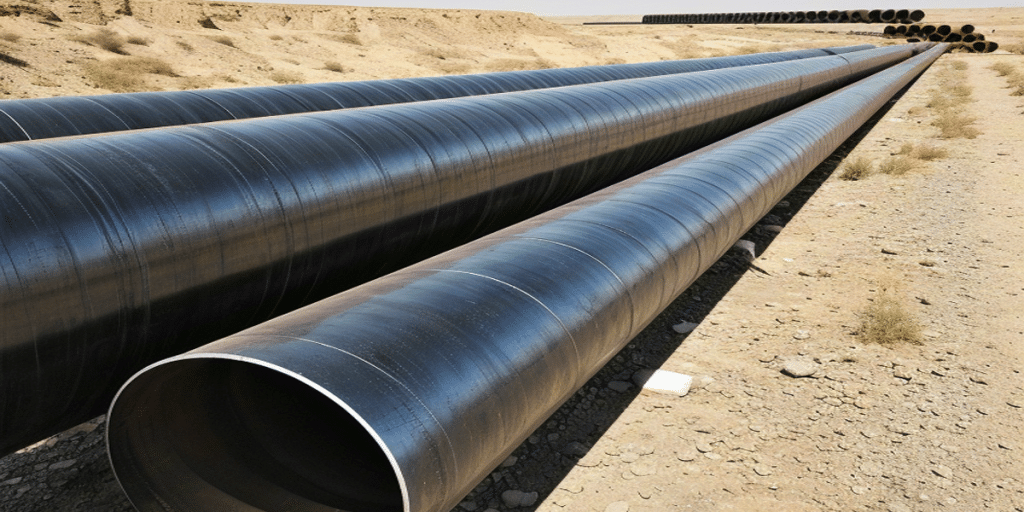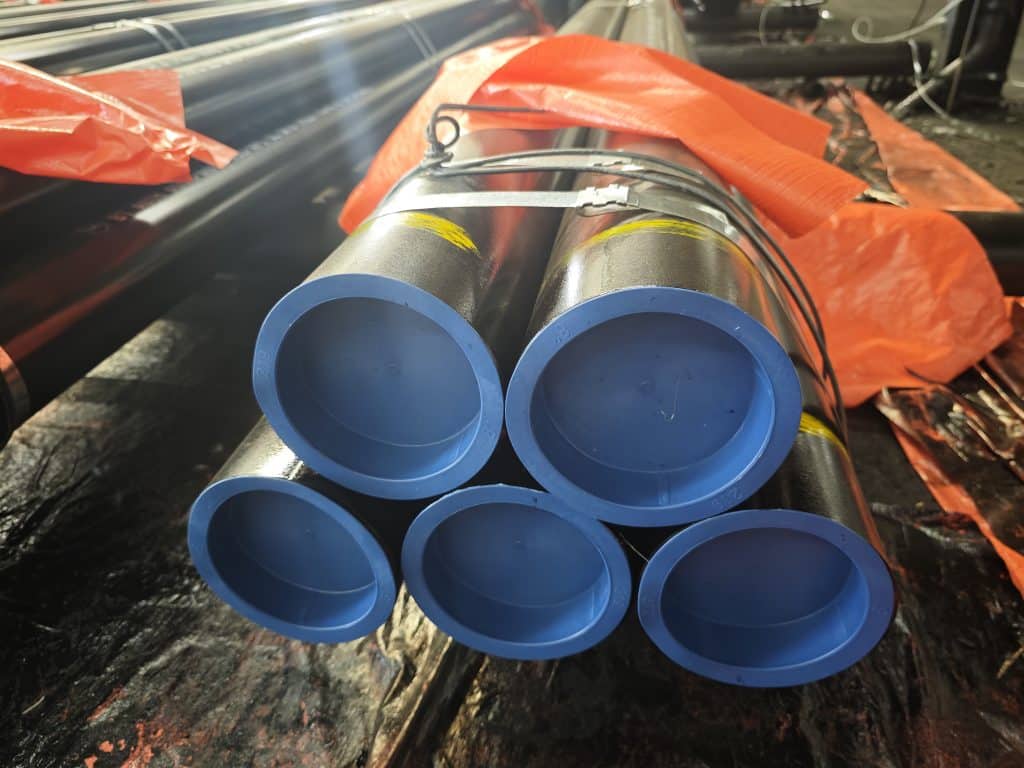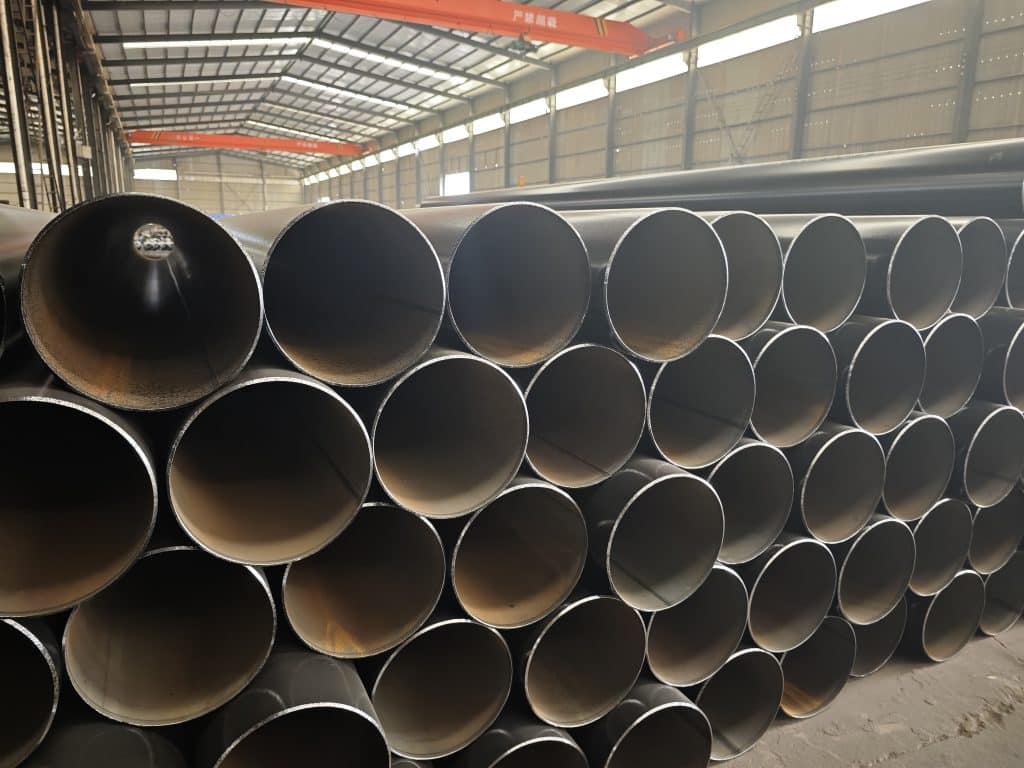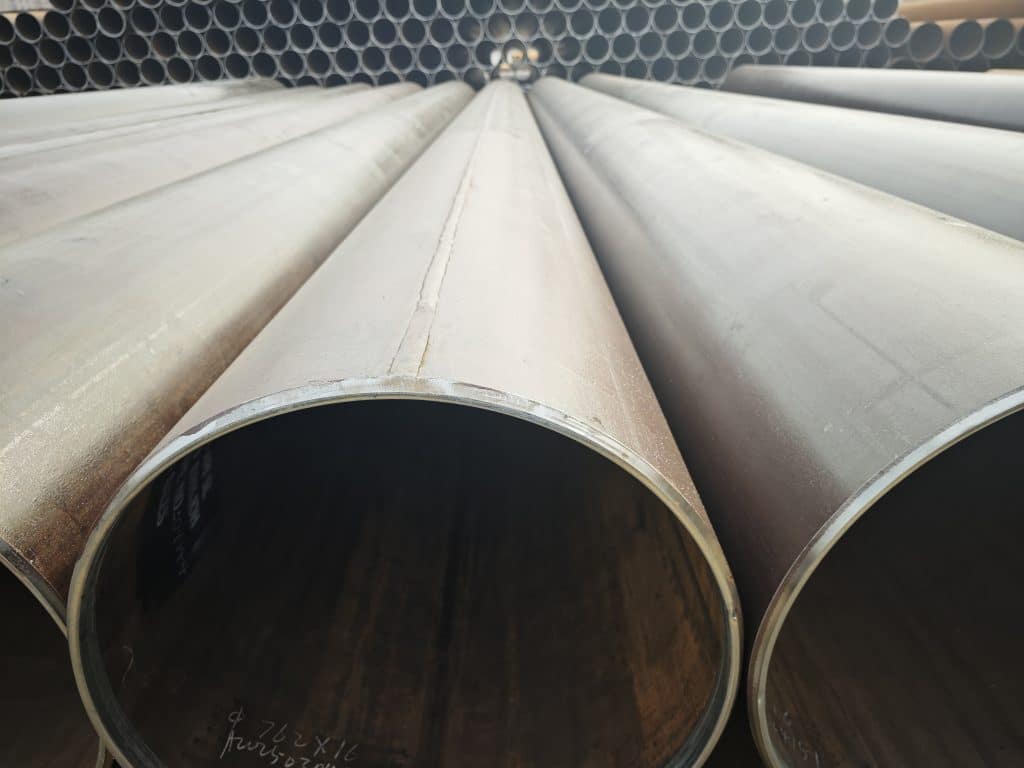
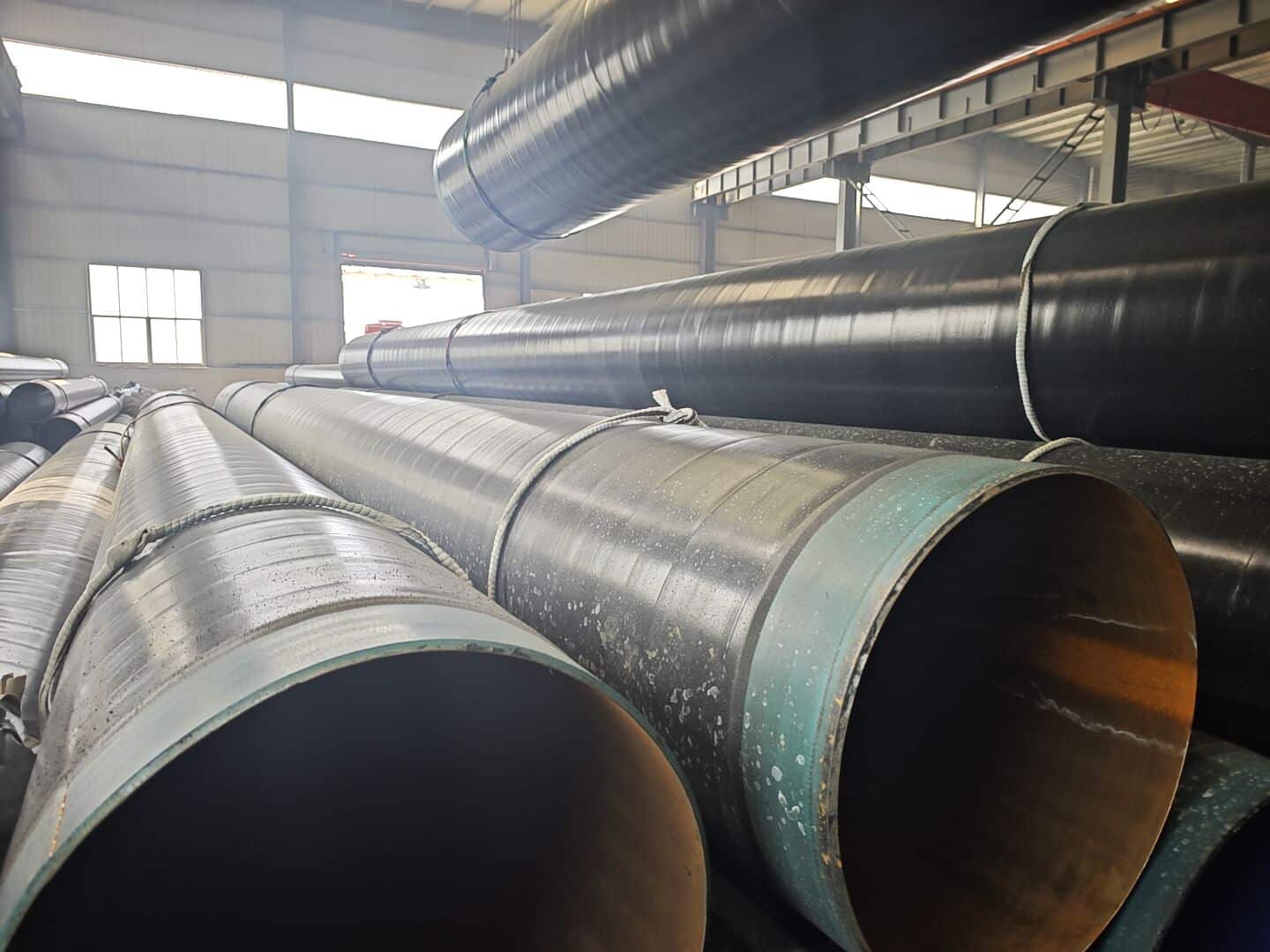
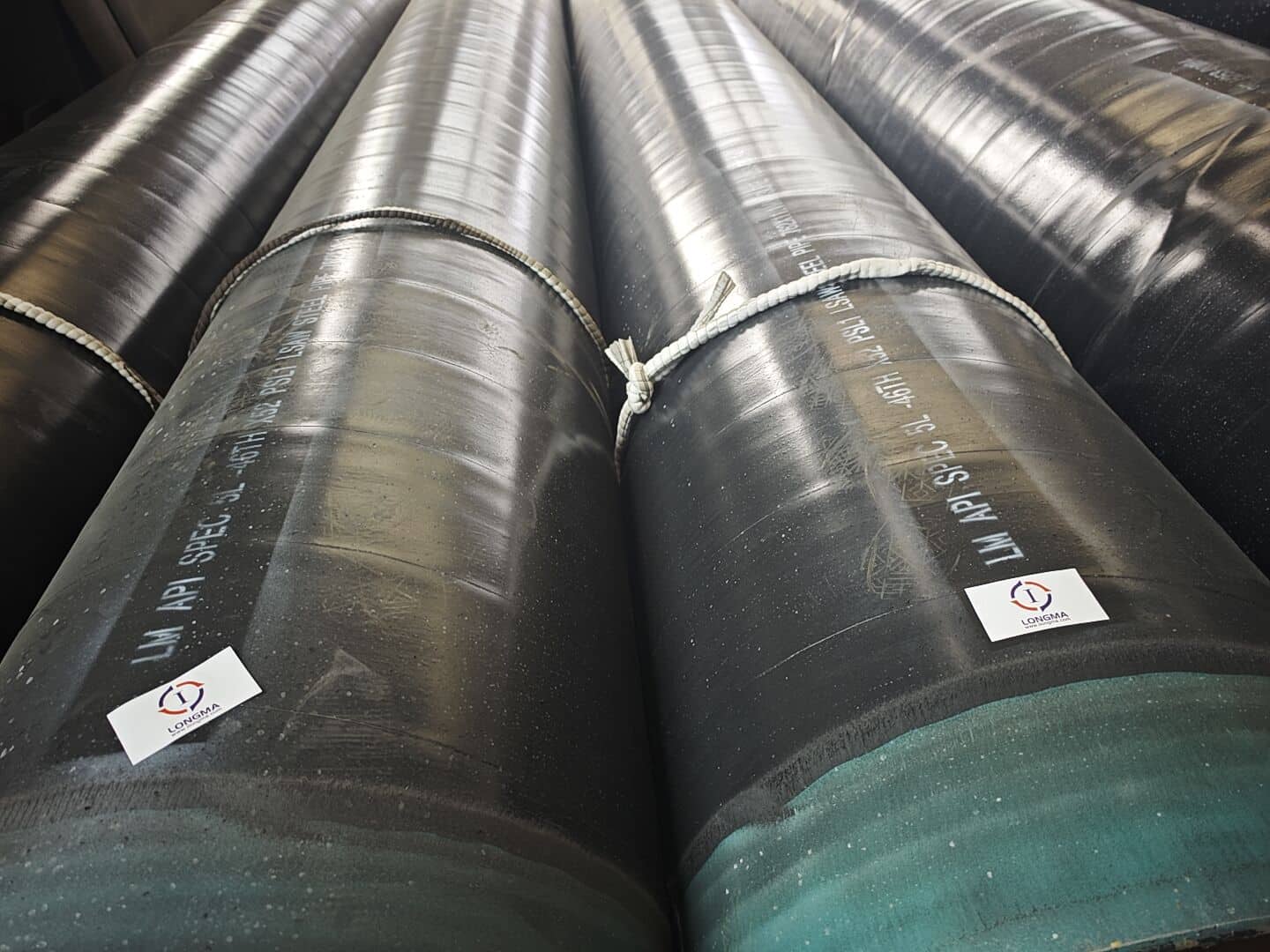
High performance in API 5L X52 (L360) ERW steel pipe means that material properties, weld quality, dimensions and inspection records meet the requirements of the intended project. Using the API 5L 46th-edition metric framework, X52 has a specified minimum yield strength of 360 MPa and minimum tensile strength of 460 MPa. These material values support engineering design, while the pipe’s dimensions, service environment and governing code determine its actual suitability.
Material Properties and Specifications
Chemistry and Field Weldability
Chemical composition affects strength, toughness and weldability. Requirements depend on the ordered PSL, grade, delivery condition, manufacturing route and applicable thickness provisions. The mill test certificate should identify the heat analysis and the acceptance requirements for the product supplied. A single simplified chemistry table cannot represent every X52 delivery condition.
Carbon equivalent helps welding engineers assess hardenability and cracking risk. Depending on the applicable rules, evaluation may use the IIW carbon-equivalent formula or Pcm. These calculations have different coefficients and selection conditions, so their values and limits are not interchangeable. Use the required method and actual heat analysis when reviewing the approved welding procedure.
A controlled carbon equivalent can support weldability, but preheat also depends on wall thickness, diffusible hydrogen, restraint and ambient conditions. Welding heat input and interpass temperature must remain within the approved procedure. Lower carbon equivalent does not automatically justify reducing preheat or abandoning hydrogen-control measures.
Strength and Toughness
X52’s minimum strength values must be verified by the required tensile tests. PSL2 also includes applicable upper strength limits and yield-to-tensile-ratio controls. Elongation requirements depend on the specimen and dimensions specified by the standard. Compliance with these tests demonstrates defined material properties; seismic strain capacity, pressure transients and fatigue require assessment of the complete pipeline design.
For PSL2, Charpy V-notch requirements have specific applicability conditions. The required locations, specimen size, test temperature and absorbed energy must be established for the product ordered. Toughness testing contributes to fracture assessment, while the fracture-control plan may include further project requirements. A general claim of impact resistance does not replace the actual test results.
The purchase order should identify its standard editions and supplements. API published its 47th edition in June 2026. ISO 3183:2019 is the fourth edition and supplements API 5L, 46th edition (2018), with stated exceptions and additions. The numerical comparisons in this article use the latter framework, and orders should be reviewed against the editions specified by the contract.
ERW Manufacturing and Quality Control
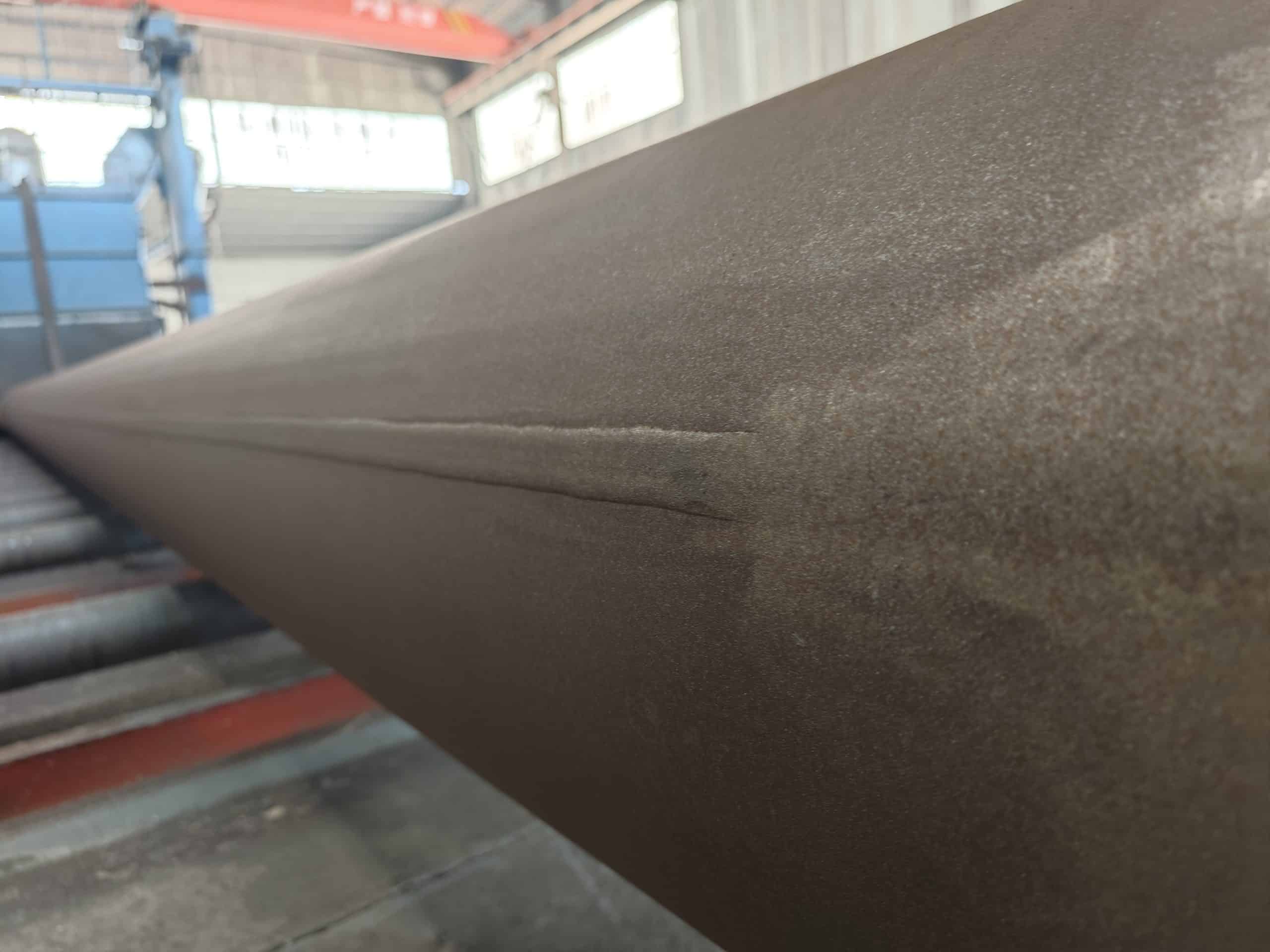
High-frequency ERW production forms steel strip into a round section, heats the aligned edges electrically and joins them under pressure without filler metal. Control of strip condition, edge alignment, welding power and line speed helps establish a sound seam. Weld flash removal and applicable seam heat treatment complete important stages before final acceptance.
Seam treatment must satisfy the requirements for the ordered product and delivery condition. The process should control weld-zone and heat-affected-zone properties, with inspection verifying acceptability. Describing every compliant ERW pipe as having undergone exactly the same normalizing treatment would overlook differences in applicable manufacturing provisions.
LONGMA performs hydrostatic testing, weld inspection and dimensional verification according to the ordered API 5L requirements and agreed inspection plan. Checks cover outside diameter, wall thickness, straightness, pipe ends and surface condition. Consistent dimensions assist field fit-up, while traceability links the finished pipe to its material and inspection records.
Comparing X52 With Other Grades and Processes
The table compares specified minimum strengths under the stated metric framework. It does not assign universal pressure ratings or applications to the grades.
| Grade | Minimum yield MPa | Minimum tensile MPa |
| Grade B L245 | 245 | 415 |
| X42 L290 | 290 | 415 |
| X52 L360 | 360 | 460 |
| X60 L415 | 415 | 520 |
| X70 L485 | 485 | 570 |
At otherwise comparable design conditions, higher specified yield strength can permit a thinner calculated wall. The selected thickness must also meet corrosion allowance, tolerances, stability, installation and other code requirements. The resulting cost comparison depends on the available product and qualification scope rather than grade alone.
ERW can offer an economical production route within a mill’s qualified dimensions. Seamless or LSAW products may be appropriate where their capabilities suit the specification. Compare equivalent material, dimensional and inspection requirements. API 5L establishes product requirements, while ASME B31.4, B31.8 or another governing code addresses the pipeline design. Compliance with one does not automatically establish compliance with the other.
Testing Certification and Traceability
Product Acceptance Tests
Tensile testing verifies required properties using the specified specimens. Toughness testing applies where required by the standard and order. Hydrostatic testing uses the prescribed pressure and hold conditions to assess pressure tightness; it is a manufacturing acceptance test rather than a simulation of every operating event. Required tests and examinations must be completed before product release.
ERW or HFW weld inspection must follow the applicable process-specific NDT provisions, including required methods, coverage, acceptance criteria and any examination of areas missed by automatic equipment. A generic choice between UT and RT should not be transferred from another welding process. The inspection plan should also identify dimensional checks and any supplementary material examinations.
Documentation and Supplier Qualification
Agree EN 10204 type 3.1 or 3.2 certification and third-party participation before production. Test reports should remain traceable to the relevant heat, lot and finished-pipe identification. Type 3.2 has defined validation arrangements and is not merely an extra certificate automatically required for every PSL2 order. Coating documentation should identify its own system and inspection requirements.
Where the contract requires the API Monogram, verify the manufacturer’s current authorization and scope through the API licensing directory. Review management-system certification alongside manufacturing capability and product records. LONGMA supports agreed source inspection by organizations such as SGS, Bureau Veritas or Intertek, with hold and witness points established in the inspection plan.
Service Conditions and Lifecycle Performance
X52 ERW pipe can be considered for oil and gas transmission, gathering systems and suitable water-injection duties when the design requirements are satisfied. Grade selection is not governed by a universal 6–10 MPa range. Ordinary X52 carbon steel does not acquire enhanced corrosion resistance simply because it is manufactured by ERW.
For H₂S-containing environments, assess material suitability against the applicable service specification and environmental conditions. Where API 5L Annex H is invoked, order its corresponding PSL2 sour-service requirements. HIC testing may use NACE TM0284 with the applicable acceptance criteria, while SSC resistance and hardness controls follow the relevant qualification requirements. A grade suffix alone is insufficient evidence of suitability.
External corrosion control may use qualified FBE or 3LPE together with the designed cathodic-protection system. Specify the relevant application standard separately for each coating. Field-joint quality, handling and repair procedures affect performance as much as the mill-applied system. Internal corrosion assessment should address fluid chemistry and water exposure.
Lifecycle cost includes material, coatings, transport, field welding, inspection and maintenance. A thinner compliant wall can reduce steel weight, but support loads, handling, buckling resistance and inspection-tool compatibility require their own checks. Documented manufacturing quality and suitable corrosion control help protect the investment throughout service.
Frequently Asked Questions
What Does L360 Mean
L360 is the metric strength designation corresponding to X52. It identifies a specified minimum yield strength of 360 MPa. Imperial and metric requirements should be taken from the standard’s respective unit system rather than mixed through approximate conversions.
Does Every Audited Project Require PSL2
The project specification determines the PSL. PSL1 also includes manufacturing, inspection and documentation requirements. Owner audit or third-party inspection alone does not automatically change the product to PSL2; any additional requirements must be included in the order.
Request a Quote From LONGMA
Since 2003, LONGMA has manufactured round ERW and LSAW line pipe. Our factory covers 230,000 m², with annual output exceeding 500,000 tonnes and more than 60 senior technical personnel. We support traceable inspection records, agreed third-party inspection and coating requirements. Delivery commonly ranges from seven days for confirmed stock to around 45 days for custom orders. Send your requirements to info@ilongma.com or visit www.ilongma.com for a quotation.