- 1. Main Pipe Categories Across the Oil and Gas Industry
- 2. Seamless, ERW, LSAW and Spiral Welded Pipe
- 3. Materials for Corrosion, Temperature and Sour Service
- 4. Coatings, Cathodic Protection and Inspection
- 5. Procurement Requirements and Supplier Evaluation
- 6. Frequently Asked Questions
- 7. Request Round ERW and LSAW Pipe from LONGMA
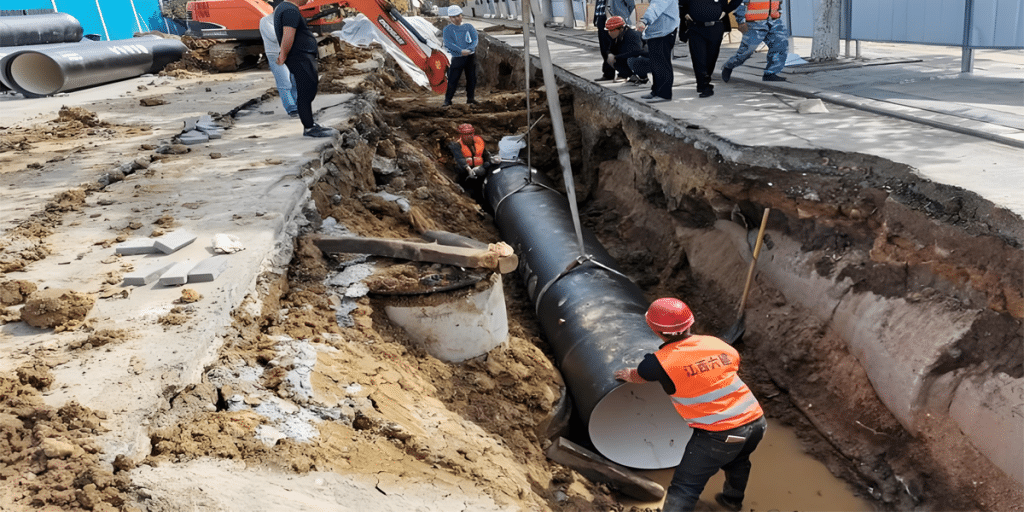
Oil and gas projects use line pipe, well casing and tubing, process pipe, and specialized corrosion-resistant or low-temperature pipe. These categories describe different functions. Within each category, pipes may also be distinguished by material, manufacturing method, grade and protective coating. Selecting the right pipe means matching all of these characteristics to pressure, temperature, fluid composition, installation and the governing design requirements.
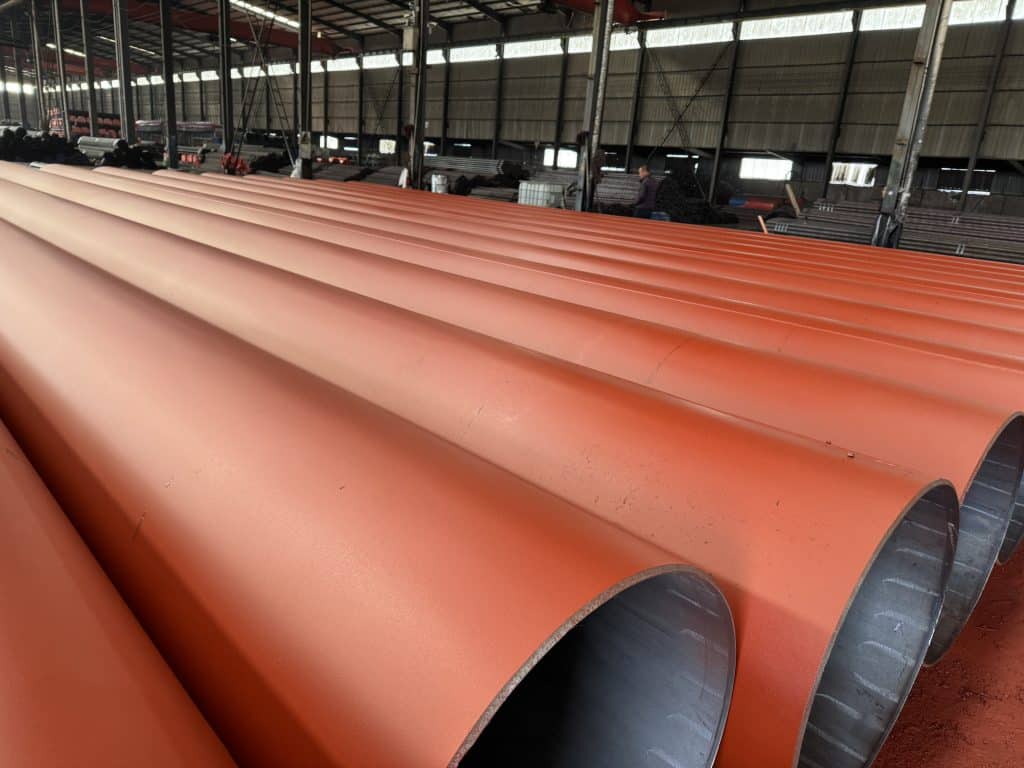
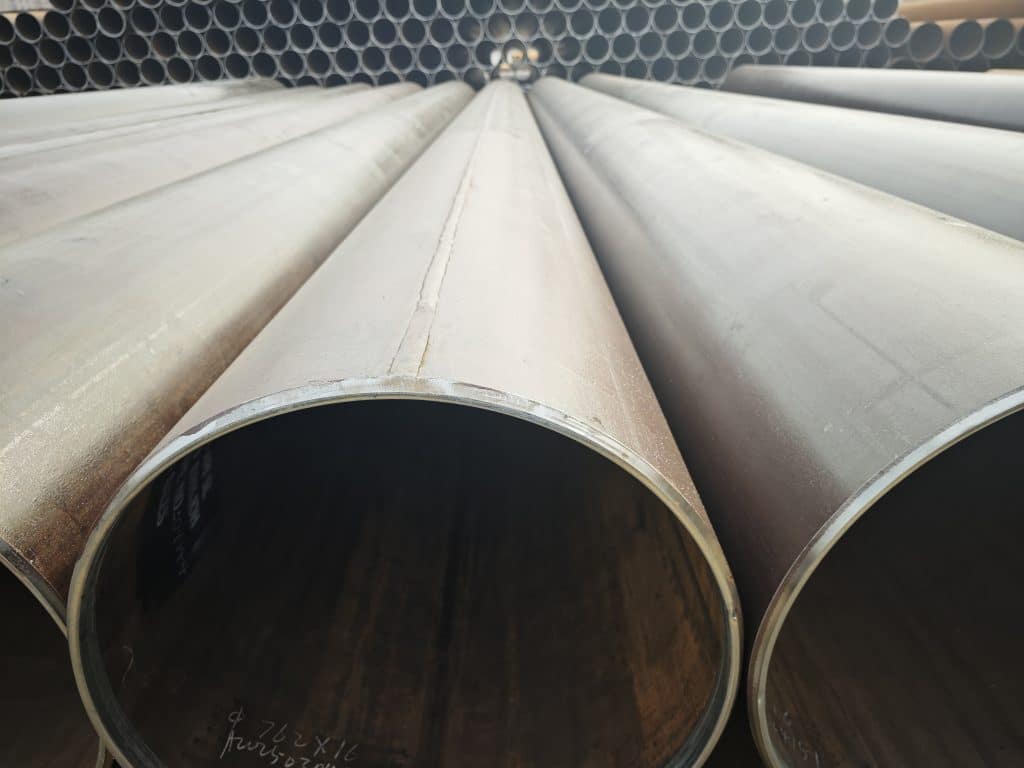
Carbon steel is widely used for transportation pipelines because of its strength, availability and cost. Stainless steel, alloy steel and other specialized systems serve applications that require different temperature or corrosion performance. LONGMA manufactures round ERW and LSAW steel pipes; other pipe types described below provide context for selecting the appropriate product across an oil and gas project.
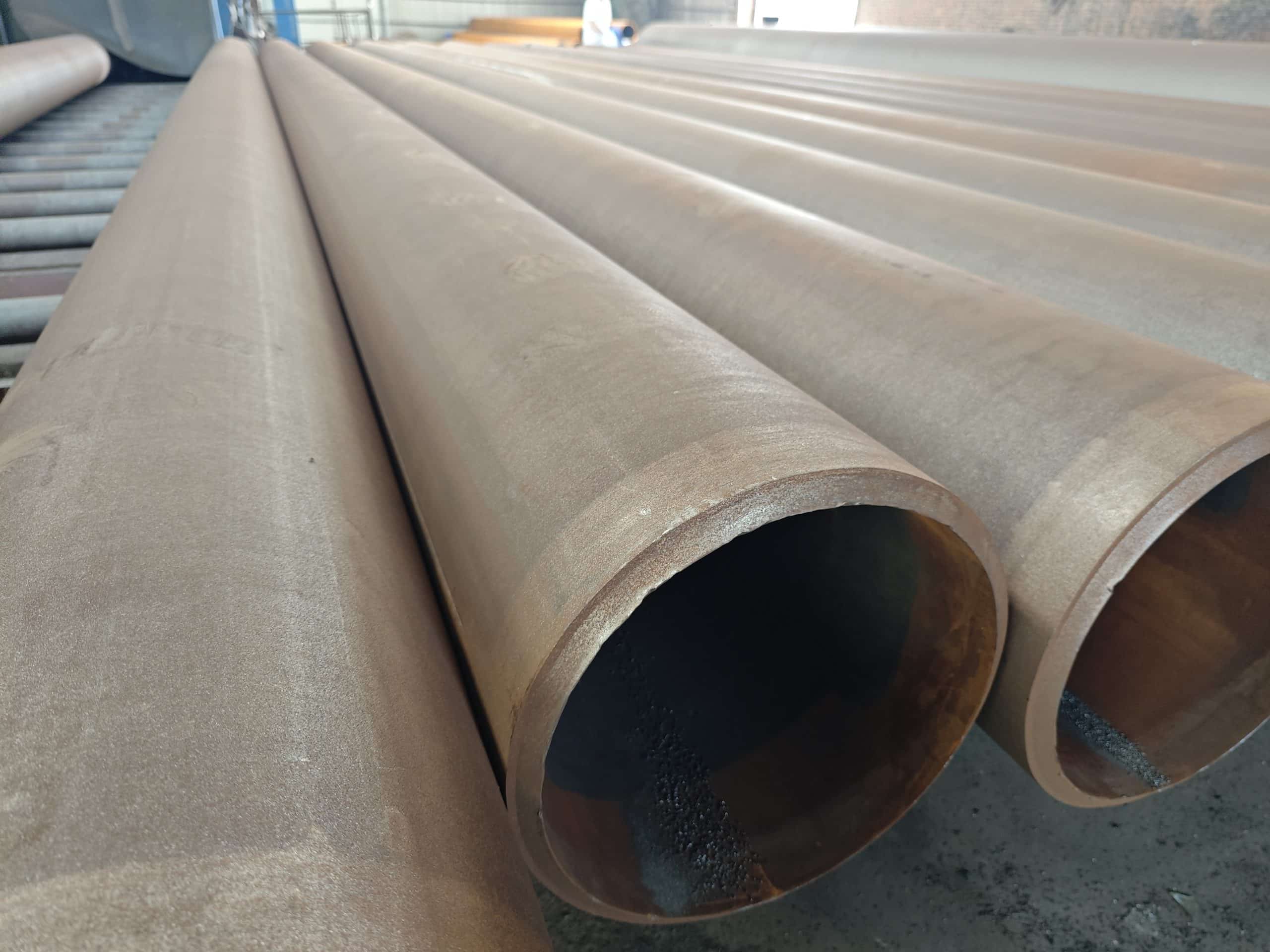
Main Pipe Categories Across the Oil and Gas Industry
Line Pipe for Gathering and Transmission
Line pipe carries oil, gas and associated fluids between production facilities, processing plants, storage and distribution systems. API Specification 5L covers seamless and welded steel line pipe for pipeline transportation systems. A complete order identifies the grade, product specification level, manufacturing route, dimensions, delivery condition and any supplementary requirements.
Gathering lines, long-distance transmission lines and offshore pipelines can face very different design conditions. Internal pressure is only one consideration. External pressure, bending, ground movement, fatigue, minimum temperature and corrosion may also govern selection. A pipe suitable for an aboveground utility line is not automatically suitable for a deepwater flowline of similar diameter.
Well Casing, Tubing and Drill Pipe
Casing supports and isolates sections of a well, while production tubing provides a flow path for produced or injected fluids. API 5CT addresses applicable casing and tubing products. Drill pipe performs a different function in the drilling string and is addressed by specifications such as API 5DP. These products have connection, loading and inspection requirements that differ from transportation line pipe.
A line-pipe specification should therefore not be used as a substitute for a casing, tubing or drill-pipe specification. For an upstream project, separate the well tubular package from the surface pipeline package before requesting quotations.
Process Piping and Plant Utilities
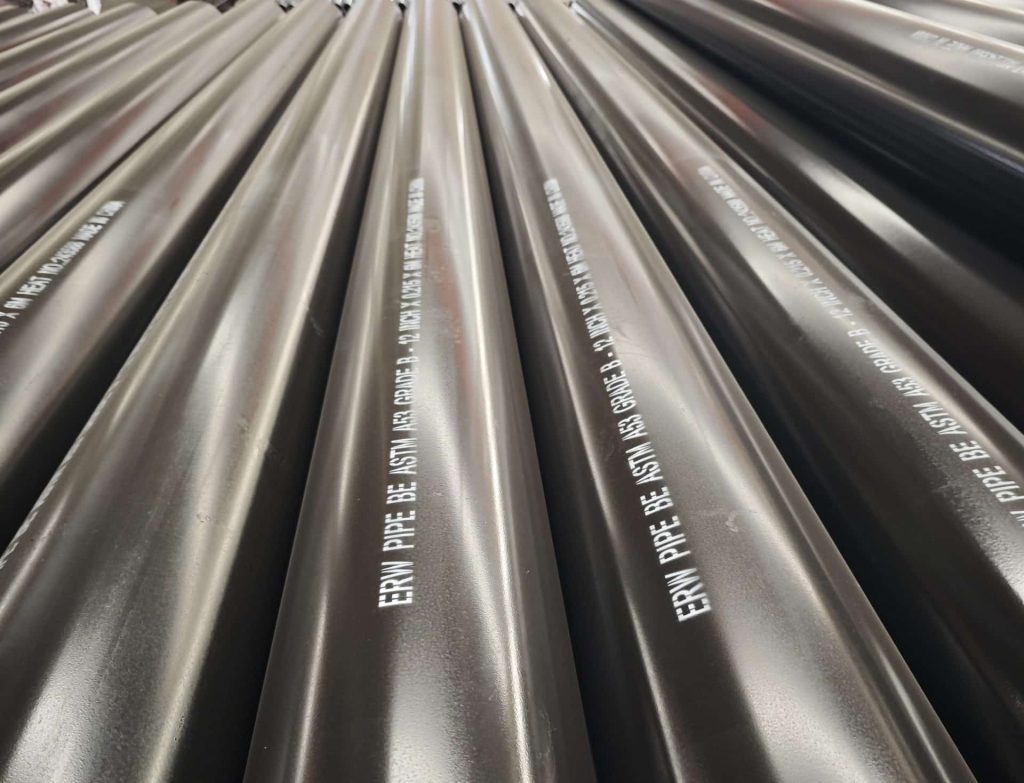
Refineries and processing plants use piping selected under the applicable plant design code and material specification. ASTM A106 covers seamless carbon steel pipe for high-temperature service; ASTM A53 covers specified welded and seamless products for suitable mechanical and pressure applications. The product-standard title alone does not establish an allowable operating temperature or pressure. The design code, material grade, wall thickness and service conditions determine suitability.
Seamless, ERW, LSAW and Spiral Welded Pipe
Seamless pipe is made from solid steel that is pierced and processed into a hollow section without a longitudinal weld. Welded pipe is formed from strip or plate, with its edges joined by a qualified manufacturing process. Both types can meet demanding product requirements when properly specified and inspected.
| Manufacturing method | Main characteristic | Selection consideration |
| Seamless | No longitudinal weld seam | Product specification, dimensions and service requirements |
| ERW | Longitudinal resistance weld, normally without filler | Available grade, size and qualified manufacturing route |
| LSAW | Longitudinal submerged arc weld in formed plate | Larger diameter or wall thickness within the mill’s range |
| SSAW | Helical submerged arc weld | Project acceptance, dimensions and weld configuration |
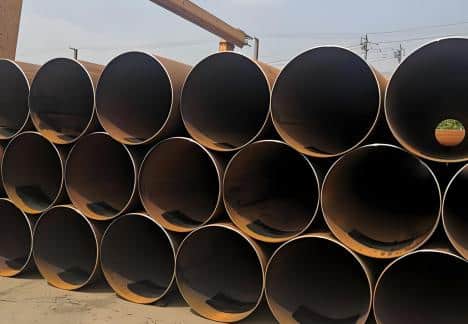
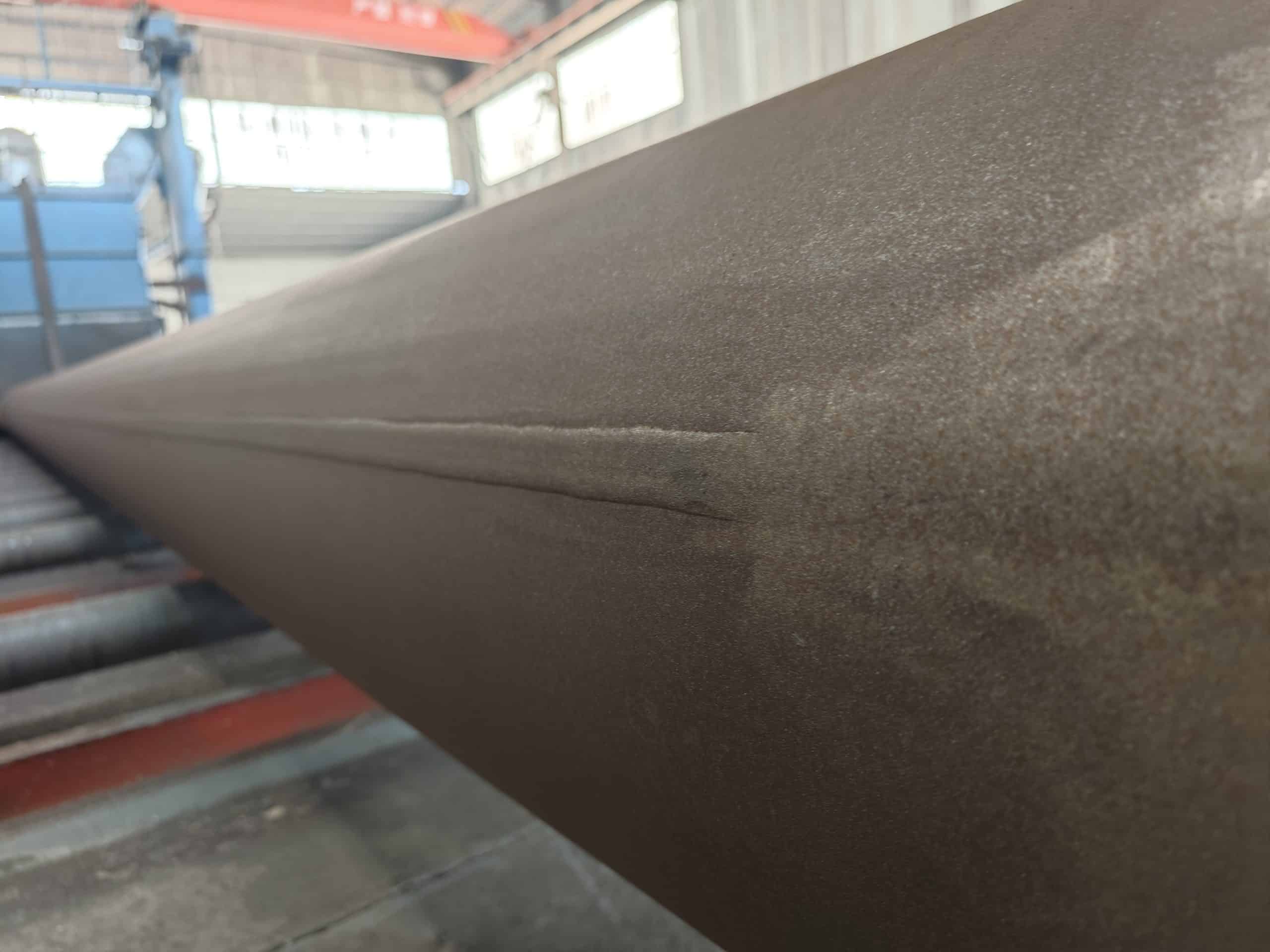
ERW pipe is formed from steel coil or strip and joined using electrical resistance heating and pressure. LSAW pipe is formed from plate, commonly using a JCOE or UOE route, and welded longitudinally by submerged arc welding. Spiral submerged arc welded pipe has a helical seam. Manufacturing method does not by itself determine allowable operating pressure or prove that one product is always superior.
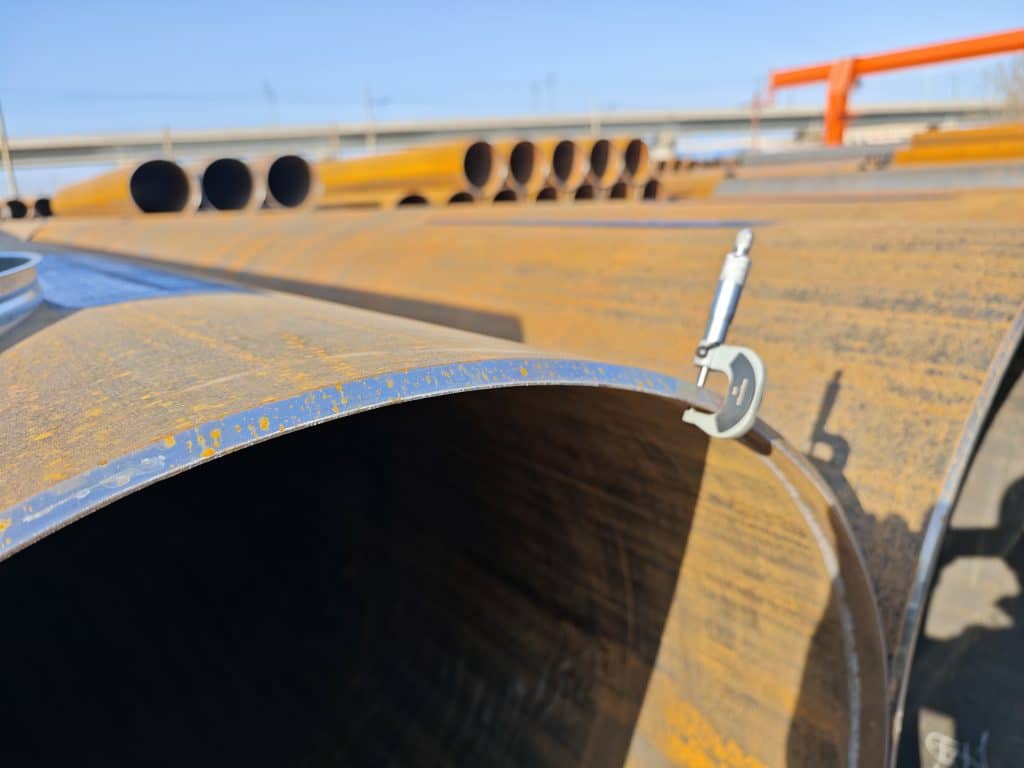
For LONGMA enquiries, confirm the required round ERW or LSAW dimensions, grade and delivery condition. The available diameter and wall thickness must be assessed together with steel strength and equipment capability; a general size range should not be interpreted as guaranteeing every possible combination.
Materials for Corrosion, Temperature and Sour Service
Carbon steel line pipe is available in different specified strength levels. For example, API 5L 46th edition SI tables identify Grade B with a minimum yield strength of 245 MPa and X80 with 555 MPa. Higher yield strength can influence pressure design, but wall selection also depends on design factors, external loads, tolerances and allowances. A grade designation is not an operating pressure rating.
Stainless and duplex stainless steels may be selected for particular corrosive fluids or operating conditions. Nickel alloys and other specialized materials may be required for more demanding environments. None is immune to all corrosion: chloride concentration, temperature, pH, stress and other exposure conditions must be evaluated for the actual grade.
Low-temperature material selection requires similar care. A specified impact-test temperature is not a universal minimum operating temperature. ASTM A333 Grade 6 may serve suitable low-temperature duties within an LNG facility, but that does not establish suitability for liquid LNG near −162°C. Deep cryogenic service requires an appropriate material and design basis.
For H₂S-containing service, assess the actual environment and specify applicable material-selection and test requirements, including ISO 15156 where relevant. Ordinary API 5L PSL2 compliance alone does not demonstrate suitability for every sour environment. Chemical controls, hardness, HIC or SSC testing and acceptance criteria must follow the applicable specification and project requirements.
Coatings, Cathodic Protection and Inspection
External coatings reduce contact between steel and its environment. Common systems include FBE, 3LPE and 3LPP. Their standards must match the supplied system: DIN 30670-1 addresses applicable polyethylene coatings, DIN 30678-1 polypropylene coatings, and ISO 21809-2 applicable single-layer FBE. Specify the edition, thickness, application procedure, tests, field joints and repair arrangements.
Buried and submerged pipelines commonly combine coating with a designed cathodic-protection system. Coatings reduce the exposed steel area, while cathodic protection helps protect steel at defects. Internal linings are selected separately for the conveyed fluid and intended function, including friction reduction or corrosion control.
For directional drilling, evaluate abrasion, pullback loads and installation procedures. A thin FBE film is not automatically the best protection for every crossing. The coating or additional abrasion-resistant system must be qualified for the actual installation conditions.
Hydrostatic testing and nondestructive examination follow the ordered pipe standard and inspection plan. UT, RT, MT and PT serve different examination purposes. Coverage depends on the manufacturing route, inspection location and applicable requirements; PSL2 should not be summarized as universally requiring identical full-body UT and RT on every product.
Procurement Requirements and Supplier Evaluation
An effective RFQ states the pipe category, product standard and edition, grade, PSL where applicable, dimensions, quantity, length, end preparation, coating and delivery destination. Provide the relevant service conditions and identify supplementary sour, offshore, impact or inspection requirements. This allows suppliers to quote the same technical scope.
Review the supplier’s manufacturing capability and applicable API licence scope where Monogram supply is required. Agree inspection hold points and the required EN 10204 document type. A 3.1 certificate and a 3.2 inspection document have different validation arrangements; independent inspection should be specified rather than inferred from a general certificate statement.
Compare quotations using the complete delivered scope, including testing, coating, packing, freight and inspection. Production capacity alone does not establish the delivery date: plate or coil availability, existing orders and approval requirements also matter. LONGMA stock can ship in as little as seven days, with production schedules confirmed for the ordered product and inspection scope.
Frequently Asked Questions
Is API 5L suitable for every oil and gas pipe?
No. It covers line pipe within its scope. Well tubulars, drill pipe and plant piping require their applicable product specifications and design requirements.
Does PSL2 automatically mean sour-service pipe?
No. Sour-service suitability requires the applicable supplementary provisions and evaluation of the actual environment. Specify the complete material and testing requirements.
Which coating is best for a buried pipeline?
Select the qualified coating for soil conditions, temperature, installation loads and the corrosion-control design. FBE, 3LPE and 3LPP each have suitable applications; no system is universally best.
Request Round ERW and LSAW Pipe from LONGMA
Since 2003, LONGMA has manufactured round ERW and LSAW steel pipes. The factory covers 230,000 m², with annual output exceeding 500,000 tonnes. Contact info@ilongma.com or visit www.ilongma.com with your specification, dimensions, coating and inspection requirements for a project quotation.