- 1. Overview of ASTM A672/A672M Standard
- 2. Common Grades and Their Applications in Petroleum Pipelines
- 3. Interpretation of Heat Treatment Requirements for ASTM A672 Steel Pipes
- 4. Testing Requirements for ASTM A672 Steel Pipes
- 5. LONGMA In-House Laboratory: A Robust Quality Assurance System
- 6. Key Considerations for Procuring ASTM A672 Steel Pipes for Petroleum Pipelines
- 7. Advantages of Partnering with LONGMA
- 8. Conclusion
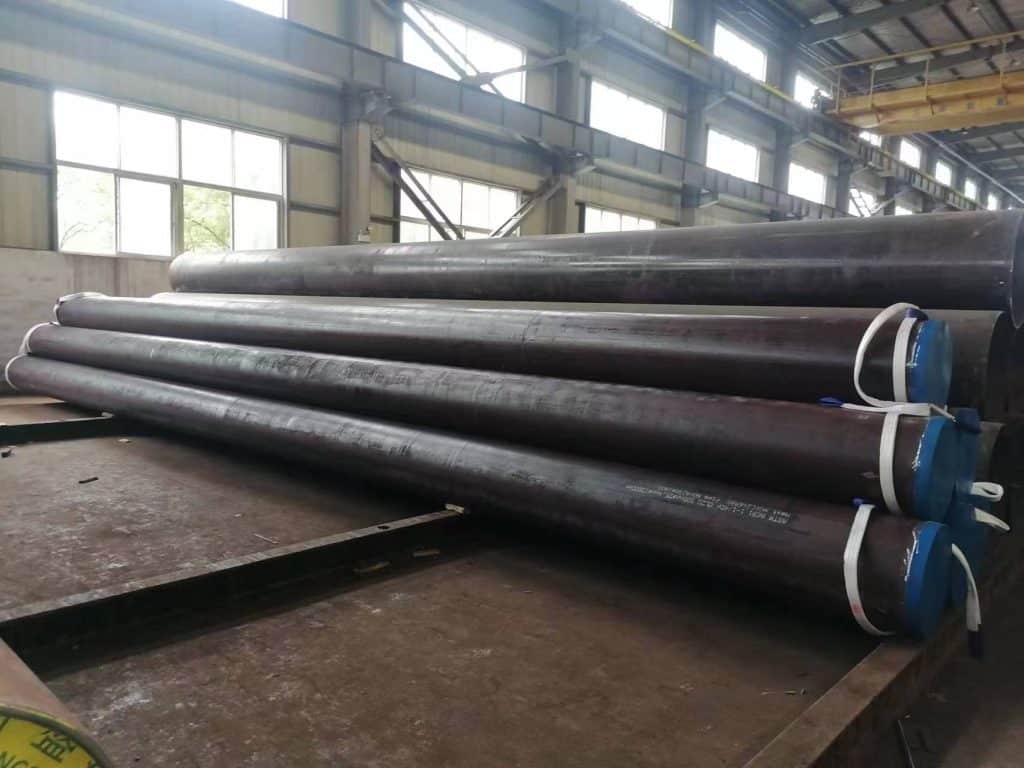
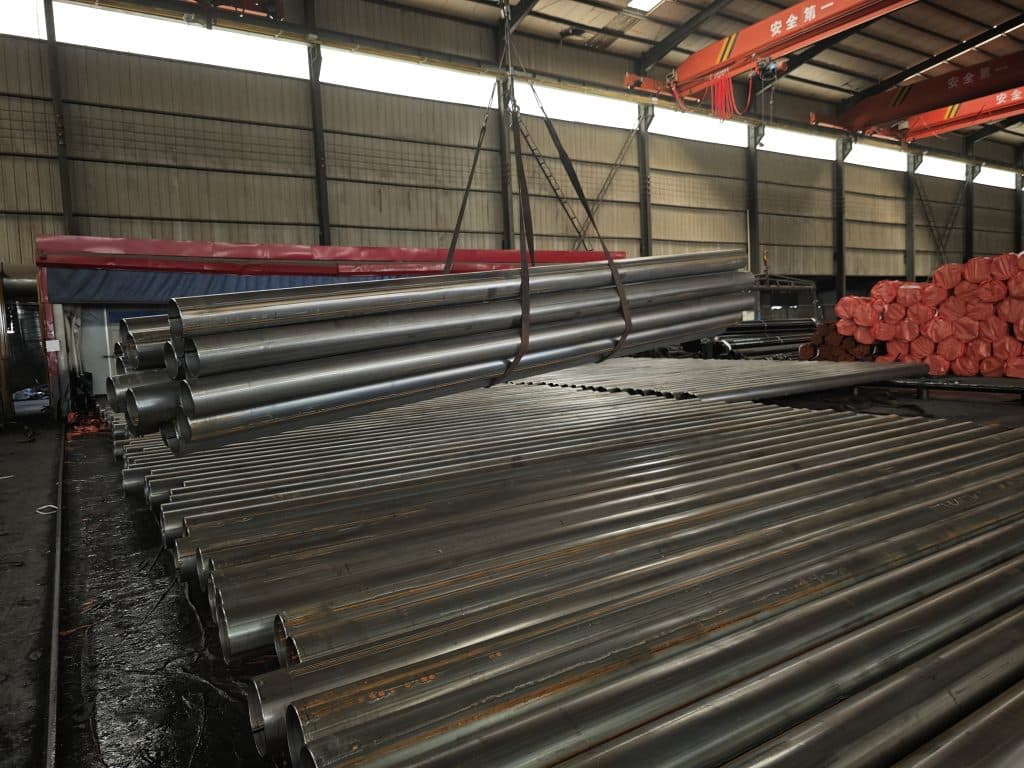
With the continuous expansion of global oil and gas transportation networks, petroleum pipelines impose higher requirements on steel pipes in terms of pressure bearing capacity, weldability and long-term operational reliability. As an internationally recognized standard for Electric-Fusion-Welded (EFW) Pressure Pipe, ASTM A672/A672M is widely adopted in refineries, crude oil transmission pipelines, natural gas processing facilities and petrochemical projects. Compared with ordinary welded steel pipes, ASTM A672/A672M specifies not only base metal grades but also systematic requirements for welding procedures, heat treatment, non-destructive testing and hydrostatic pressure testing.
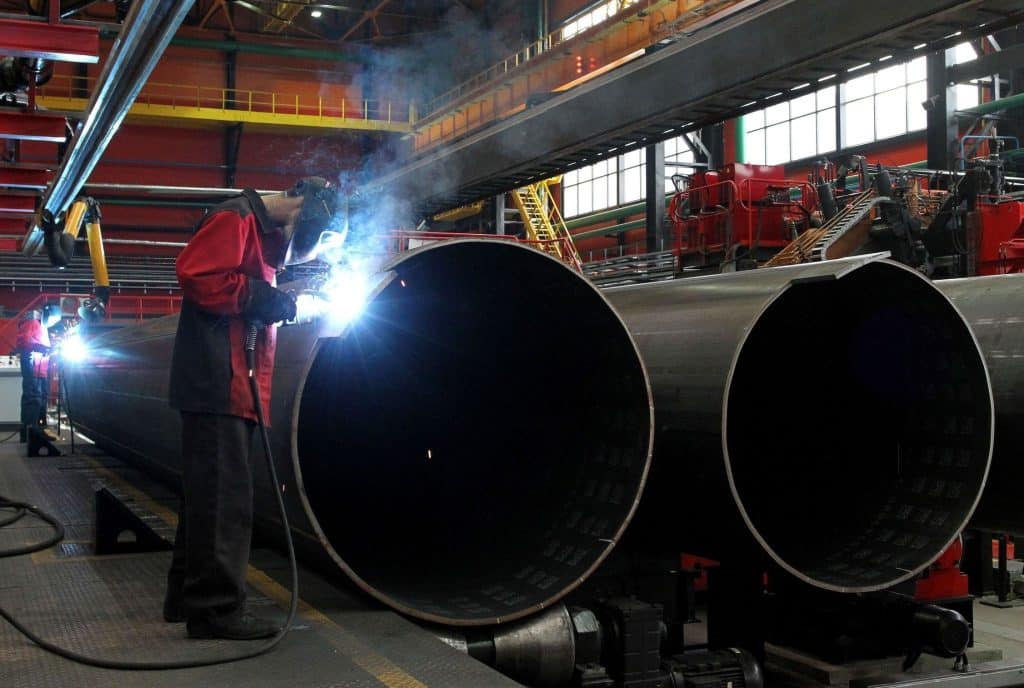
As a steel pipe manufacturer with over 20 years of production experience, LONGMA specializes in manufacturing seamless ERW, LSAW and EFW steel pipes. Equipped with a sound quality control system and in-house laboratory, we deliver high-quality steel pipe solutions complying with ASTM A672/A672M standards for oil and gas projects worldwide.
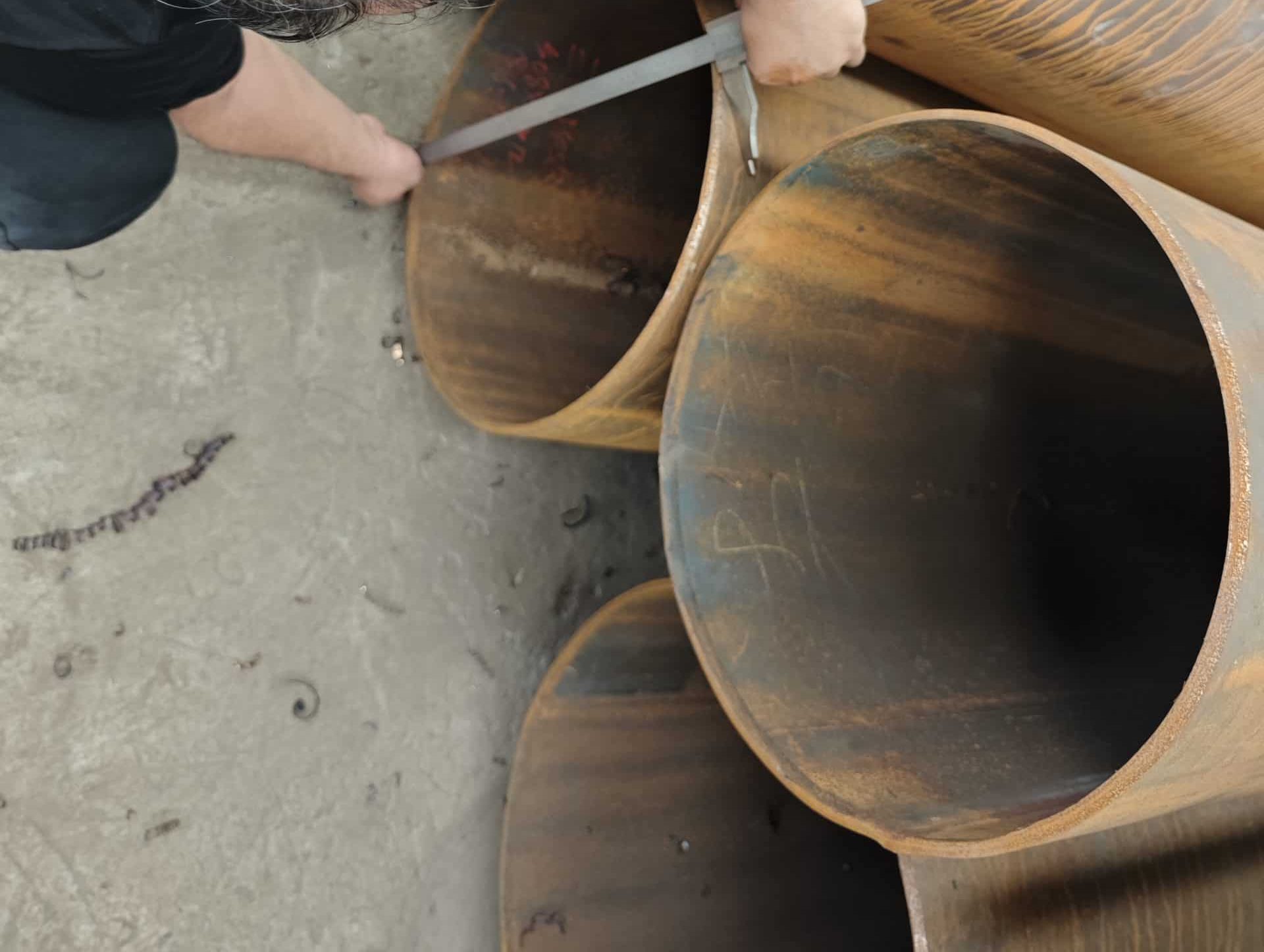
Overview of ASTM A672/A672M Standard
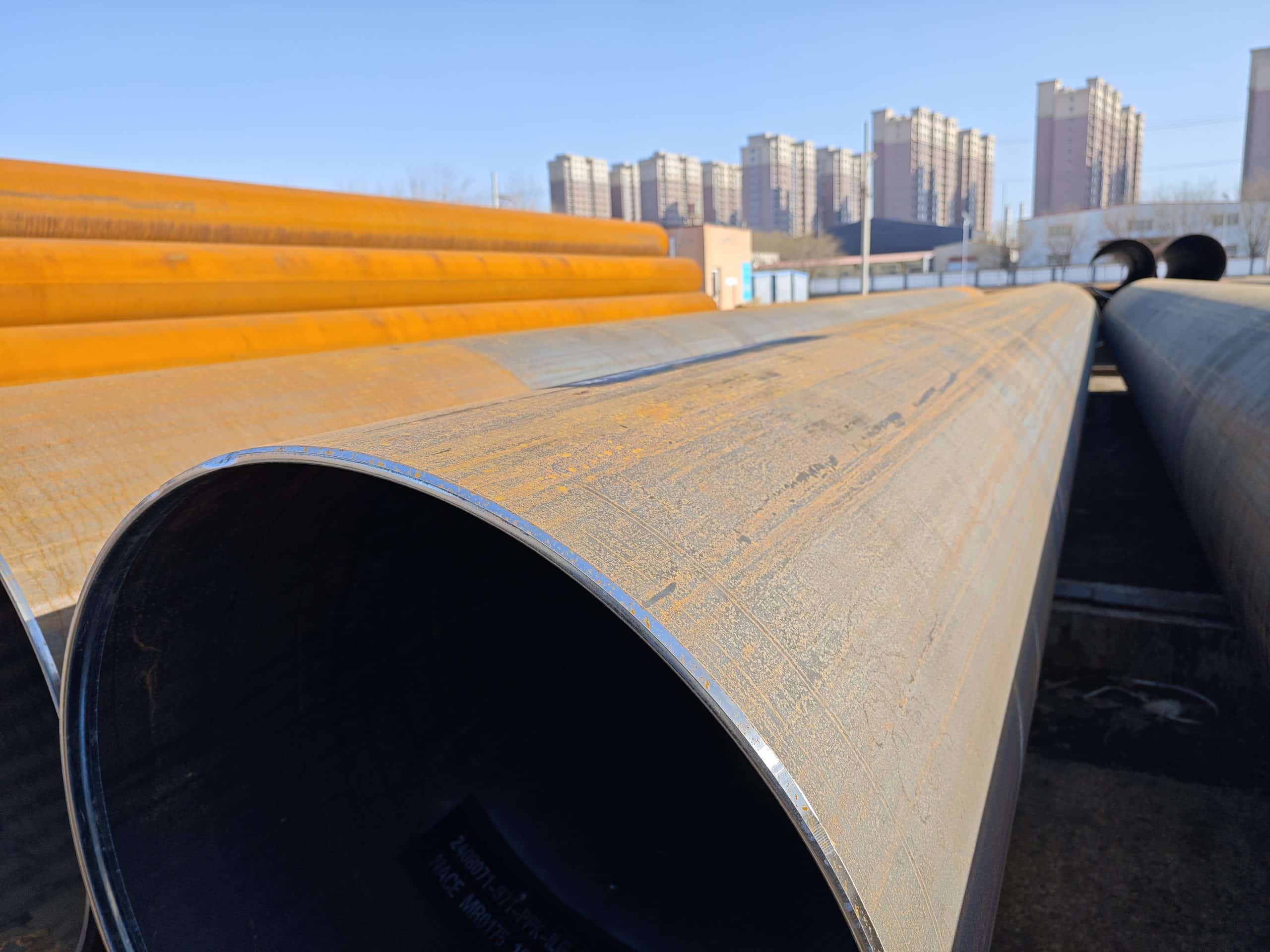
ASTM A672/A672M, Electric-Fusion-Welded Steel Pipe for High-Pressure Service at Moderate Temperatures, applies to electric-fusion-welded (EFW) steel pipes fabricated from pressure vessel grade carbon steel plates, primarily designed for service under moderate temperatures and high pressure.
Unlike ASTM A671 which mainly targets low-temperature working conditions, ASTM A672 is more suitable for industrial environments with medium-to-high temperatures and elevated pressure, including petroleum refining, long-distance crude oil transmission pipelines, offshore platforms and refinery process units.
The standard adopts a dual classification system of Grade and Class:
- Grade defines base metal material and mechanical properties;
- Class specifies post-weld heat treatment, radiographic testing and hydrostatic test requirements.
Therefore, when procuring ASTM A672 steel pipes, confirming only the steel grade is insufficient, as Class directly affects product quality and service life.
Common Grades and Their Applications in Petroleum Pipelines
ASTM A672 classifies multiple grades based on base metal strength, among which C60, C65 and C70 are the most widely used.
| Grade | Material Characteristics | Typical Applications | Advantages |
| C60 | Medium strength, excellent weldability | Refinery process pipelines | Cost-effective, good machinability |
| C65 | Balanced strength and toughness | Crude oil transmission pipelines | Stable comprehensive performance |
| C70 | High-strength pressure vessel steel | Long-distance oil & gas pipelines, large-diameter pressure pipelines | Superior pressure bearing capacity |
For large-scale petroleum pipeline projects, engineers select appropriate Grades according to design pressure, conveyed medium and ambient temperature, and determine heat treatment and testing requirements by matching different Classes.
Interpretation of Heat Treatment Requirements for ASTM A672 Steel Pipes
Heat treatment is critical to guarantee the stable long-term operation of ASTM A672 steel pipes. The standard stipulates distinct manufacturing processes for different Classes to optimize weld microstructure, eliminate residual welding stress and improve overall mechanical properties.
| Class Series | Heat Treatment Process | Applicable Scenarios |
| Class 10 Series | No overall heat treatment | General pressure systems |
| Class 20 Series | Stress Relieving | Mitigate residual welding stress |
| Class 30 Series | Normalizing | Improve microstructure uniformity and toughness |
| Class 40 Series | Normalizing & Tempering | High-pressure, medium-to-high temperature service conditions |
| Class 50 Series | Quenching & Tempering | High-strength special projects |
For petroleum pipelines, post-weld heat treatment can enhance the toughness of welds and heat-affected zones, and effectively reduce risks of cracking and stress corrosion during long-term service.
LONGMA adopts automatic temperature-controlled heat treatment equipment. Furnace batch numbers, holding time, temperature curves and cooling records are archived for each production batch to achieve full traceability.
Testing Requirements for ASTM A672 Steel Pipes
ASTM A672 mandates a full set of test items in addition to mechanical property compliance to ensure steel pipes meet high-pressure transportation standards. Partial testing requirements can be implemented in conjunction with ASTM A530/A530M.
1.Chemical Composition Analysis
Testing Purpose: Verify that elements including C, Mn, P and S comply with base metal specifications to guarantee weldability and service durability.
Implementation Procedures:
- Conduct detection via spectrometer;
- Cross-check against chemical composition requirements of steel plates;
- Archive test reports.
2.Tensile Test
Testing Purpose: Validate yield strength, tensile strength and elongation against corresponding Grade criteria.
3.Guided Bend Test
Testing Purpose: Examine weld ductility and fusion integrity.
Defects Detectable:
- Incomplete fusion
- Cracks
- Weld embrittlement
4.Radiographic Testing (RT)
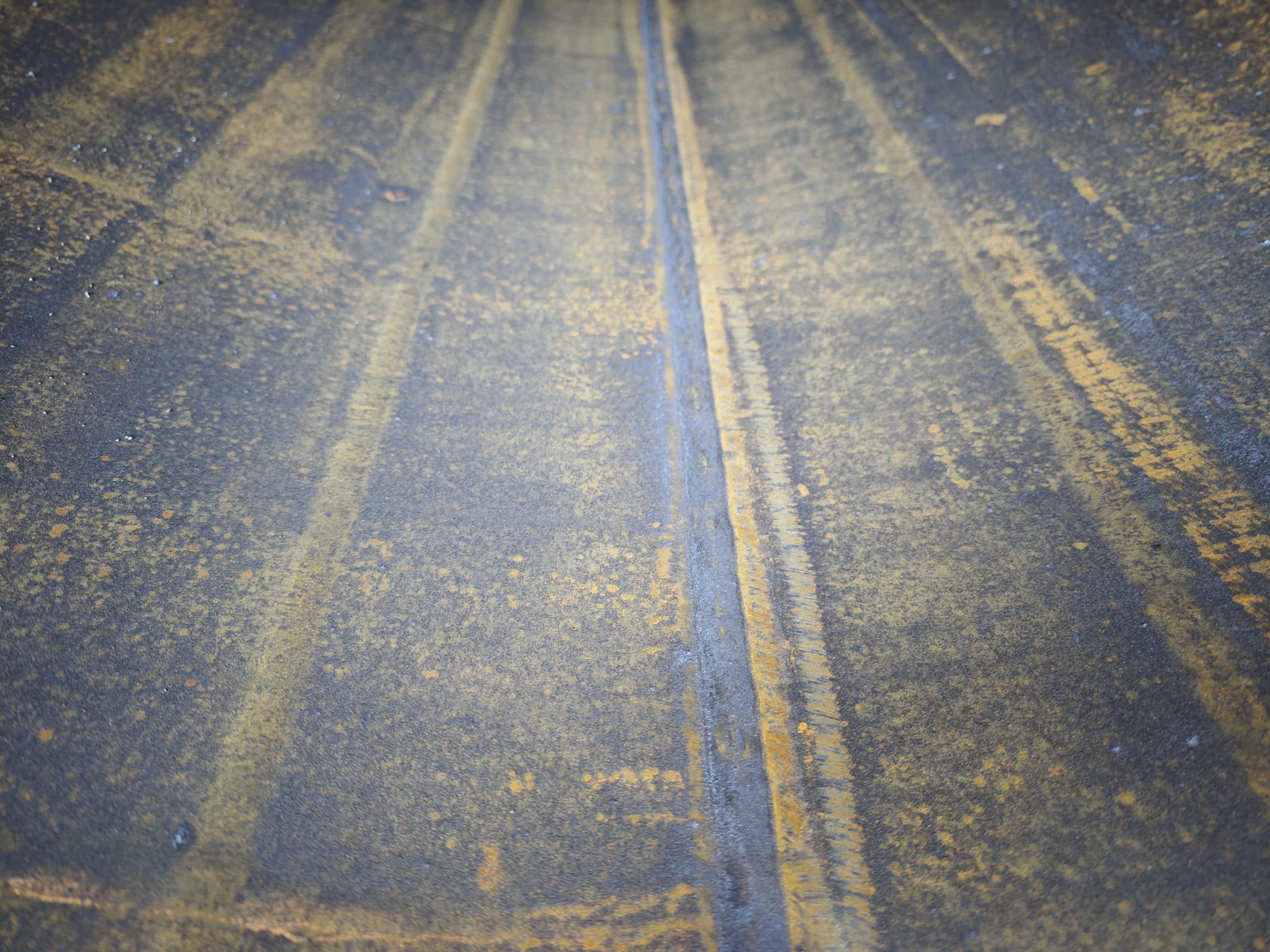
As required by ASTM A672, 100% radiographic inspection of welds may be specified for certain Classes. Defects Detectable:
- Porosity
- Slag inclusions
- Incomplete penetration
- Cracks
5.Ultrasonic Testing (UT)
Ultrasonic inspection detects internal defects in welds and base metal such as lamination, inclusions and incomplete fusion, serving as a vital testing method for large-diameter petroleum pipelines.
6.Hydrostatic Test
Finished steel pipes undergo pressurization, pressure holding and leakage inspection in accordance with ASTM A530/A530M to verify compliance with design pressure specifications.
LONGMA In-House Laboratory: A Robust Quality Assurance System
For international petroleum projects, purchasers obtain not merely steel pipes, but a complete quality assurance system. LONGMA operates a fully equipped in-house laboratory capable of full-process testing from raw materials to finished products.
Laboratory Equipment
- Optical emission spectrometer
- Universal tensile testing machine
- Charpy impact testing machine
- Metallographic microscope
- Digital radiographic testing system
- Automatic ultrasonic testing system
- Magnetic particle testing equipment
- Hydrostatic test facility
- Dimensional and visual inspection system
Quality Documents Supplied for Each Batch of ASTM A672 Steel Pipes
| Document | Core Contents |
| MTC (EN 10204 3.1) | Chemical composition, mechanical property test results |
| Heat Treatment Report | Complete heat treatment records |
| NDT Report | RT, UT and MT inspection data |
| Hydrostatic Test Report | Hydrostatic pressure test records |
| Dimensional Inspection Report | Outer diameter, wall thickness, length and ovality measurements |
| Third-Party Inspection Certificate | Inspection reports issued by SGS, BV, TÜV and other authorized third parties |
These quality documents satisfy acceptance criteria for international EPC projects and help purchasers mitigate quality risks effectively.
Key Considerations for Procuring ASTM A672 Steel Pipes for Petroleum Pipelines
Many buyers overly focus on pricing during inquiries while overlooking factors that determine project safety and service life. The following items shall be prioritized for verification:
| Inspection Item | Significance for Procurement |
| Compliance of Grade and Class with design specifications | Determines pressure bearing capacity and mandatory heat treatment standards |
| Complete in-house heat treatment capacity | Governs long-term reliability of welds |
| Full RT, UT and other non-destructive testing implementation | Ensures internal integrity of welds |
| Availability of an in-house laboratory | Guarantees authenticity and credibility of test data |
| Supply of MTC documents and third-party inspection certificates | Meets acceptance requirements for international projects |
Low-cost products often cut corners by omitting heat treatment procedures or reducing testing coverage. Although upfront procurement costs are lower, such products may lead to weld cracking, production shutdowns for maintenance or even full project rework, resulting in higher overall lifecycle costs.
Advantages of Partnering with LONGMA
With over 20 years of steel pipe manufacturing experience, LONGMA strictly adheres to ASTM A672/A672M standards and implements full-process quality control covering steel plate sourcing, welding, heat treatment and final inspection. Our core strengths include:
- Professional production of ERW, LSAW and EFW round steel pipes
- Automated welding and heat treatment production lines
- Full-range RT, UT and MT non-destructive testing capabilities
- Comprehensive in-house laboratory and full quality traceability system
- Provision of EN 10204 3.1 certificates, third-party inspection services and customized technical support
- Extensive export experience in oil, gas and petrochemical projects
If you are seeking a reliable manufacturer of ASTM A672 steel pipes, LONGMA can provide professional material selection recommendations, full technical document support and competitive quotations to deliver safe and reliable steel pipe solutions for your petroleum pipeline projects.
Conclusion
ASTM A672/A672M is far more than a manufacturing standard; it constitutes an integrated system covering materials, welding, heat treatment, inspection and quality traceability. For petroleum pipeline projects, selecting a supplier with mature manufacturing expertise, complete testing infrastructure and international project service experience is the cornerstone of long-term safe project operation. LONGMA will continue to deliver high-quality products and professional technical services to create greater value for global energy engineering clients.