- 1. Onshore and Subsea Oil & Gas Transmission Pipelines
- 2. Trenchless and Horizontal Directional Drilling (HDD) Crossing Projects
- 3. Water Conservancy, Municipal Infrastructure, and Seawater Desalination
- 4. Offshore Engineering and Pile Structures
- 5. Why Choose FBE Coated Steel Pipe for These Applications?
- 6. How to Select the Right FBE Coated Steel Pipe for Your Project?
- 7. Conclusion
- 8. FAQ
- 9. Get Quality FBE Coated Pipe from a Trusted Manufacturer
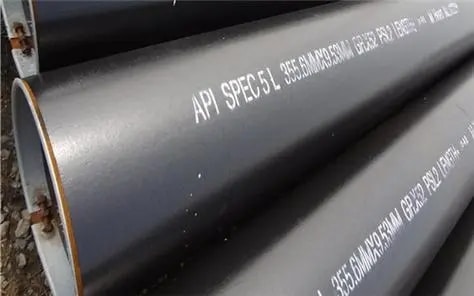
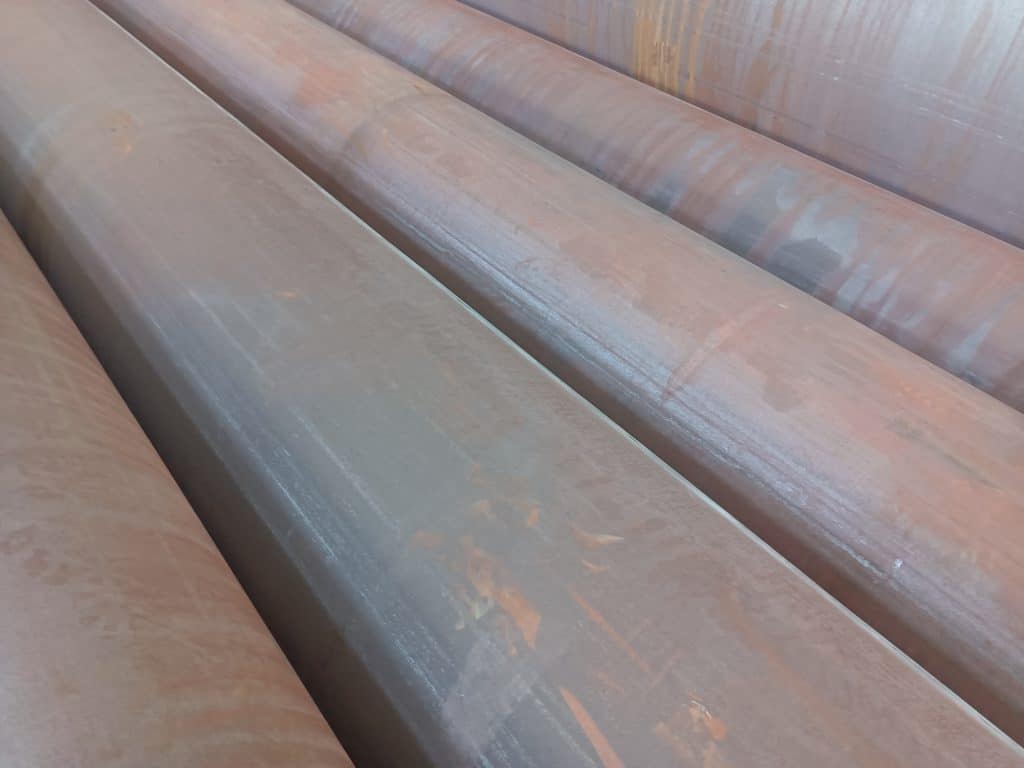
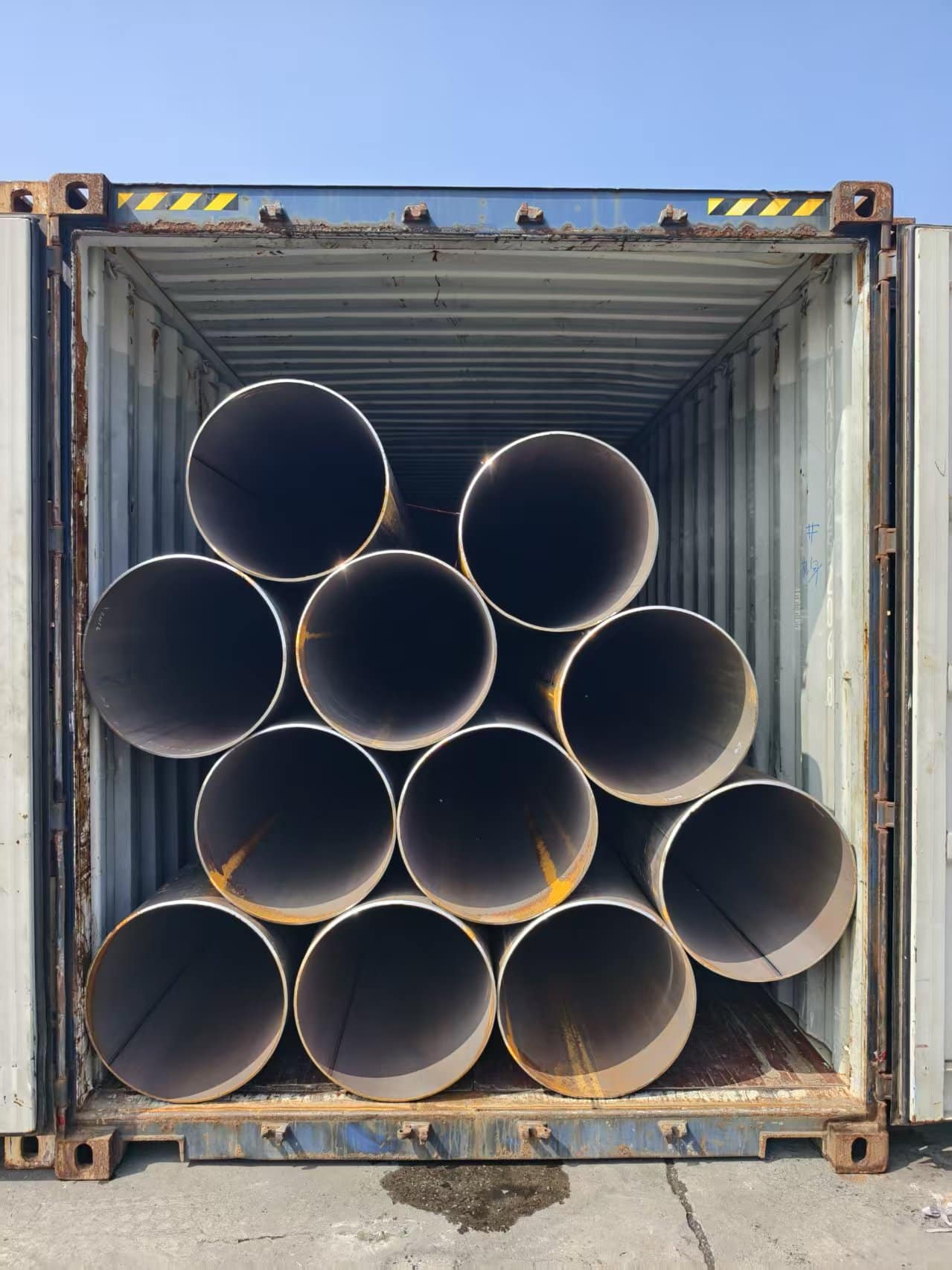
One of the most common corrosion prevention methods used in the pipeline and infrastructure business is steel pipe with Fusion Bonded Epoxy (FBE) coating. The coating is applied as a dry powder that is electrostatically sprayed onto a warmed steel surface, where it melts and cures to produce a thick, homogeneous protective layer. This technique imparts FBE coated steel pipe with high adhesion, good chemical resistance and long-term durability in harsh situations.
The qualities of FBE coated steel pipe make it the material of choice for a variety of applications, including long-distance oil and gas transmission lines, municipal water systems, trenchless crossings, and offshore buildings. This article reviews the four key application areas, the performance criteria behind each and how to pick the correct FBE coated pipe for a specific project.
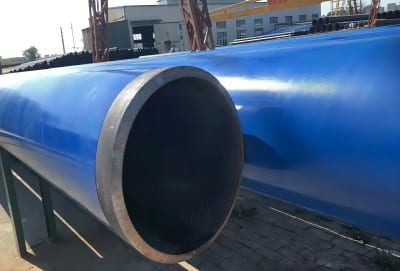
Onshore and Subsea Oil & Gas Transmission Pipelines
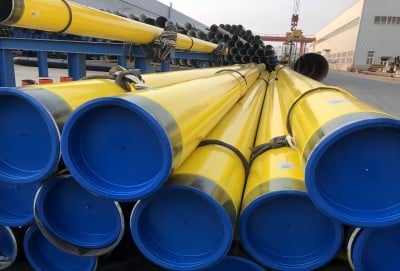
Oil and gas transmission is the biggest and most established use for FBE coated steel pipe. Buried and submerged pipes are exposed to soil moisture, groundwater and for subsea parts saltwater, which accelerate corrosion if the steel surface is not protected. An FBE coating creates a continuous barrier that prevents moisture and oxygen from penetrating the pipe wall . It also prevents cathodic disbondment , a typical source of pipe failure when the coating peels away from the pipe near cathodic protection devices .
Onshore Pipeline Applications
FBE coated steel pipe is used for crude oil transmission lines, transmission lines of natural gas and high pressure long distance systems which may be underground for hundreds of kilometers. For these underground pipeline applications a coating is required that can provide a robust moisture resistant barrier over decades of continuous use.
Subsea Pipeline Applications
Subsea applications are more complex: pipes need to survive continuous exposure to saltwater, mechanical stress during laying and installation, as well as compatibility with other coating layers such as concrete weight coating . The coating must be intact throughout handling and laying and shipping.
Key Performance Requirements
When applied onshore or subsea there are various performance criteria that determine whether an FBE coating can work reliably over decades of service:
- Adhesion force to the steel substrate
- Impact resistance during transportation, handling and fitting
- Backfill and rough terrain abrasion resistance
- Resistance to cathodic protection currents and soil pollutants
- Holiday detection and thickness gages to confirm coating thickness and inspection
Designating FBE coated steel pipe for oil and gas pipelines is a proven approach for pipeline operators to increase asset life and reduce long-term maintenance and repair expenses.
Trenchless and Horizontal Directional Drilling (HDD) Crossing Projects
Horizontal Directional Drilling or HDD is a trenchless construction technique for installing pipes under rivers, roadways, railroads and ecologically sensitive regions without disturbing the surface. Since the pipe is pushed through a drilled borehole, rather than being placed in an open trench, the coating is subjected to a high degree of friction and mechanical stress during installation, making the longevity of the coating very important.
Why FBE Coating Is Suitable for HDD Crossings
There are several reasons why FBE coating is perfectly suited to HDD applications. It adheres tenaciously to the steel surface, prevents damage from contact with soil and rock during the pull-back operation, and continues to protect the pipe from corrosion while in service underground.
Typical HDD Applications
Typical uses for FBE coated steel pipe include:
- HDDRiver crossings and waterways
- Crossings on roads and highways
- Rail crossings
- Pipeline installations in urban areas when excavation is not practicable
- Environmentally sensitive or protected places
Coating Considerations for HDD Projects
Since HDD installation is more physically demanding than open-cut trenching, project requirements generally need upgraded FBE coated pipe for trenchless crossing applications, often with an extra abrasion resistant overcoat (ARO) layer. Surface preparation quality, coating thickness uniformity, holiday detection and field joint coating compatibility are critical in ensuring that the coating will survive the drilling process intact.
Water Conservancy, Municipal Infrastructure, and Seawater Desalination
Beyond oil and gas, FBE coated steel pipe has a key use in water related infrastructure, a sector which is expanding quickly as cities extend water networks and invest in desalination capacity.
FBE Coated Steel Pipe for Water Transmission
FBE coated pipe is used for raw water pipelines, transmission mains for drinking water supply, irrigation networks and large diameter water conveyance systems where a long service life and a smooth interior surface are important to ensure flow efficiency.
Applications in Municipal Infrastructure
FBE coated steel pipe is used across water supply networks, wastewater systems and underground utility corridors in metropolitan contexts where pipe lifetime has a direct impact on maintenance budgets and service dependability.
FBE Coated Steel Pipe for Seawater Desalination
One of the most corrosive situations for water infrastructure is the desalination of seawater. FBE coated steel pipe is utilized for saltwater intake pipelines, pretreatment system pipes, and water transmission pipelines that need resistance to prolonged exposure to very salty water.
Advantages of FBE Coating in Water Infrastructure
The basic benefits of the FBE coating in all three cases are similar, i.e. excellent corrosion protection, smooth inner surface reducing friction losses and accumulation and extended service life with reduced maintenance needs over time compared to bare steel. This makes FBE coated steel pipe for water pipelines and desalination projects a cost viable long-term investment for utilities and infrastructure companies.
Offshore Engineering and Pile Structures
The fourth large area of use is in offshore platforms, marine constructions and piling foundations – settings where steel is subjected to some of the toughest corrosion exposures in any sector.
FBE Coated Steel Pipe in Offshore Engineering
FBE coated steel pipe is utilized in offshore engineering for platform components, marine structural parts and coastal engineering works where long-term corrosion protection is a must since offshore maintenance is difficult and expensive.
FBE Coated Steel Pipe for Piles
FBE coating is also widely used in pile applications such as foundation piles, jacket piles for offshore platforms, marine construction piles, bridge or pier foundations, etc.
Corrosion Challenges in Marine Environments
The splash zone is subject to repeated cycles of wetting and drying with high oxygen exposure; the tidal zone is subject to continuous immersion cycles; and the soil/marine interface introduces a mixture of galvanic and chemical corrosion mechanisms. In these zones, effective protection is generally achieved by combining FBE coating with cathodic protection systems, rather than relying on FBE coating alone as a barrier.
Benefits of FBE Coating for Pile Structures
The benefits of the FBE coating for pile structures are: assured corrosion resistance in saline environments; good adhesion to withstand driving stresses during pile installation; mechanical protection against impact; and significantly extended structural service life ,which is an important aspect for offshore assets that are costly and difficult to repair or replace.
Why Choose FBE Coated Steel Pipe for These Applications?
The rationale for FBE coated steel pipe is identical across all four industries based on the following performance advantages:
- Superior corrosion resistance in soil, fresh water and marine settings
- Good adherence to the steel surface to reduce disbondment risk
- high impact and abrasion resistance during transportation, installation and servicing
- Longevity, which reduces lifetime maintenance and repair costs
- Ability to work in a variety of installation situations from open-cut trenching to HDD and offshore pile driving
- Compatibility with cathodic protection systems for layered corrosion management methods
How to Select the Right FBE Coated Steel Pipe for Your Project?
| Project Factor | Key Considerations | Effect on Specification for FBE Coated Steel Pipe |
| Operating Environment | Soil conditions, freshwater, seawater, humid environments, or offshore service | Determines the required FBE formulation, corrosion-resistance level, and coating thickness. Marine and high-salinity environments generally require enhanced protection. |
| Pipe Size and Operating Conditions | Pipe diameter, wall thickness, design pressure, operating temperature, and conveyed medium | Influences the steel grade, wall thickness, coating application temperature, curing parameters, and suitable coating system. |
| Installation Method | Open-cut burial, horizontal directional drilling (HDD), subsea installation, or pile driving | Determines the required resistance to impact, scratching, and abrasion. HDD, subsea installation, and pile driving typically require higher mechanical protection. |
| Coating Requirements | Single-layer FBE, dual-layer FBE, internal coating, external coating, or internal and external coating | The coating configuration is selected according to corrosion risk, abrasion severity, fluid characteristics, and installation conditions. |
| Additional Protective Layers | 3LPE, concrete weight coating, sacrificial anodes, or other mechanical protection systems | May be required for high-impact, subsea, deepwater, or highly corrosive environments to improve overall pipeline protection. |
| Quality and Standards | Coating thickness, holiday detection, adhesion, impact resistance, cathodic disbondment, and inspection requirements | Ensures that the FBE coating complies with project specifications, design-life requirements, and field installation conditions. |
Conclusion
FBE coated steel pipe provides reliable, long-term corrosion protection in four main applications: onshore and subsea oil and gas transmission pipelines, trenchless and HDD crossing projects, water conservancy and municipal infrastructure including seawater desalination, and offshore engineering and pile structures. The unique mix of high adhesion, corrosion resistance and mechanical endurance make it a top choice for engineers and project owners working in a wide variety of challenging settings.
Looking for FBE coated steel pipe for your next pipeline or infrastructure project? Contact our technical team to discuss the specifications of the pipes, coating requirements, relevant standards and project circumstances.
FAQ
1. Can FBE coated steel pipe be used for onshore and offshore projects?
Yes. FBE coated steel pipe is suitable for use in a broad variety of situations, from buried on-shore transmission lines to subsea pipelines and offshore platform constructions. The individual layer thickness, curing factors and further layers are usually customized to the exposure circumstances of the each project.
2. How does the FBE coating system compare to 3LPE or 3LPP coating systems?
The application of FBE coating is typically employed as a single layer of anticorrosion coating, or as the first layer of three-layer polyethylene (3LPE) or three-layer polypropylene (3LPP) coatings. FBE standalone is usually used for water lines, HDD projects, and piling constructions, while 3LPE/3LPP is typically requested for long-distance oil and gas transmission pipes that need additional mechanical protection.
3. What thickness of coating is normally needed for FBE coated steel pipe?
Coating thicknesses depend on the application and the relevant standard but basic anticorrosion FBE coatings are often 300-500 micron or more thick and dual-layer FBE systems used in more aggressive situations may be thicker. Always check the project specifications and appropriate standards (AWWA C213, or ISO 21809-2, etc.) for the precise requirements.
Get Quality FBE Coated Pipe from a Trusted Manufacturer
For over 20 years, LONGMA has been providing anti-corrosion pipeline solutions to leading oil and gas operators such as SINOPEC, CNPC and PEMEX, based on our established manufacturing knowledge and strict quality procedures. Our pipe coating facilities manufacture single-layer and dual-layer FBE systems to ISO 21809-2 and AWWA C213, and 3-layer PE/PP systems (with an FBE primer layer) to DIN 30670, with EN 10204 3.1 certification and full traceability from raw material to completed product. Whether your project is for municipal water systems using single-layer FBE or for offshore applications with dual-layer systems, our technical team tailors coating parameters to your environmental conditions and performance needs. We make procurement easy with integrated pipe manufacturing and coating applications. Stock products within 30 days, specialty orders within 45 days. Please contact our professionals at info@ilongma.com to discuss your FBE coated pipe supplier needs, request technical data sheets, or organize factory audits showing our quality standards.