- 1. Understanding Circular Hollow Sections (CHS)
- 2. Comparing Circular Hollow Sections with Other Structural Tubes
- 3. Procurement Guide for Circular Hollow Sections
- 4. Standards, Technical Specifications, and Welding Guidelines
- 5. Applications and Benefits of Circular Hollow Sections in Construction and Beyond
- 6. Conclusion
- 7. FAQ
- 8. Get Certified Circular Hollow Section from LONGMA — Request a Quote Today
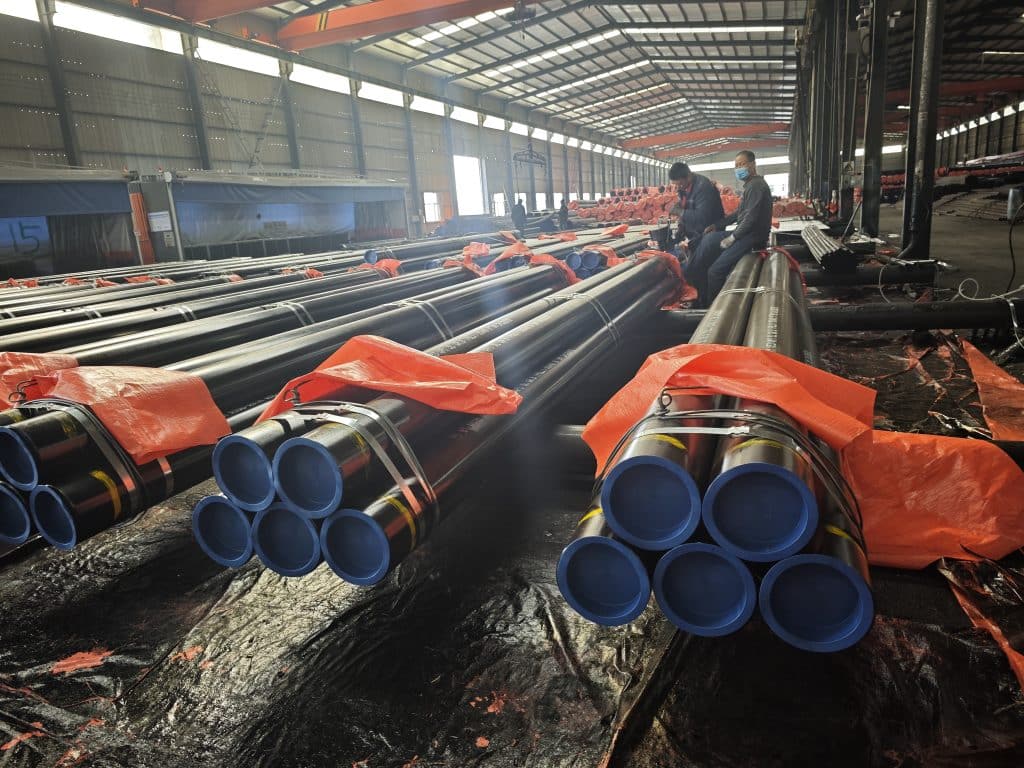
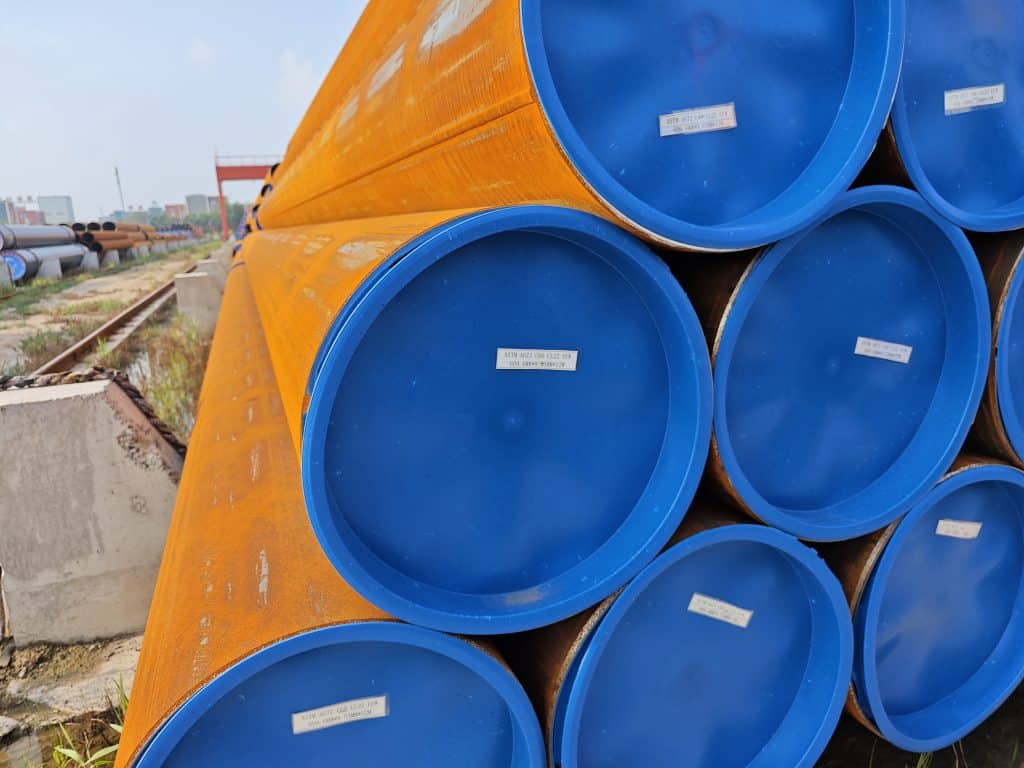
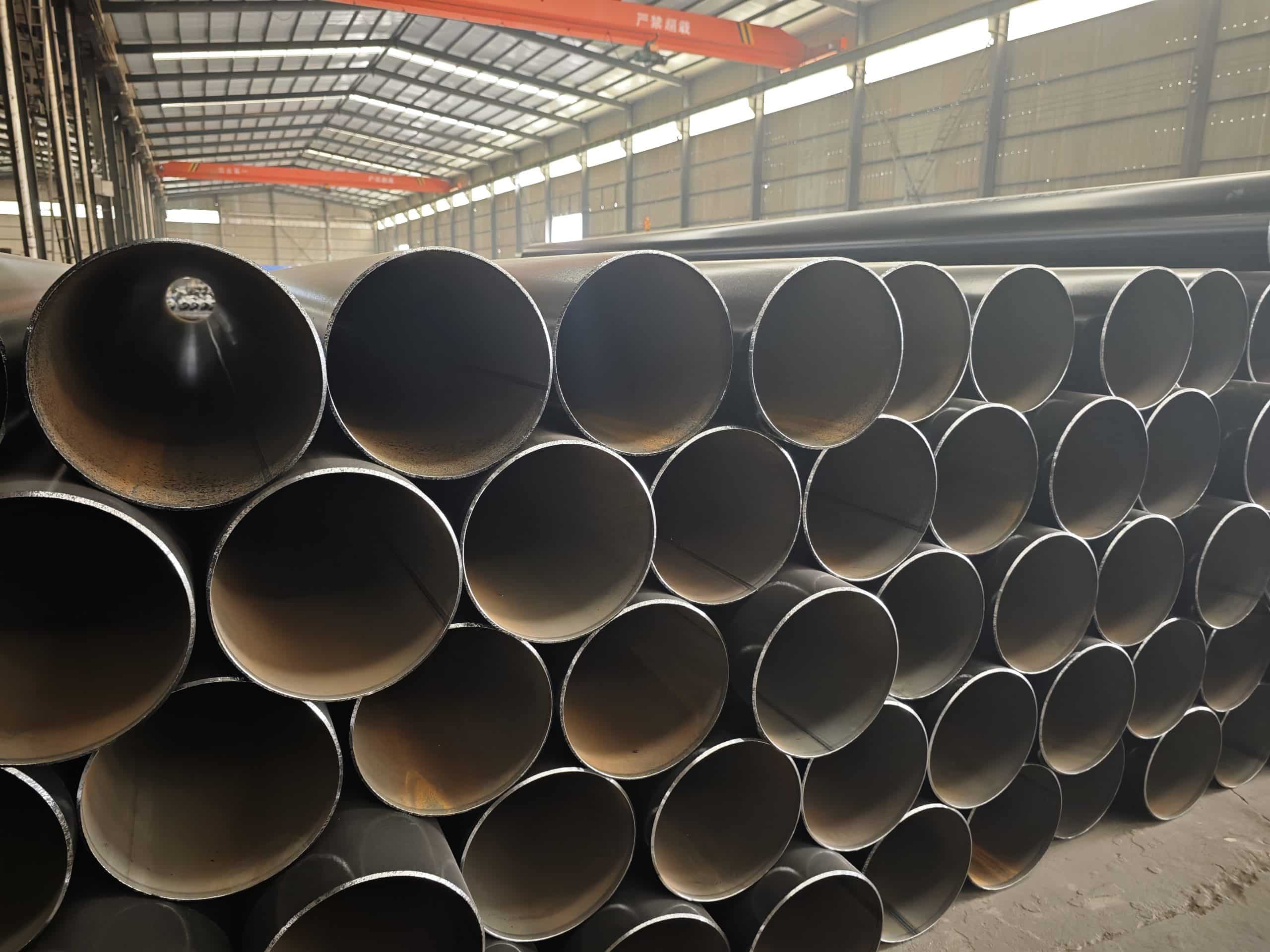
A circular hollow section (CHS) is a structural steel tube with a round outside profile and a hollow interior. Its geometry gives the same section properties about every axis through the centre, which can be useful for columns, bracing and members exposed to loads from different directions. Structural performance still depends on section size, steel grade, member length and connection design.
Understanding Circular Hollow Sections (CHS)
What Defines a CHS and How Is It Made?
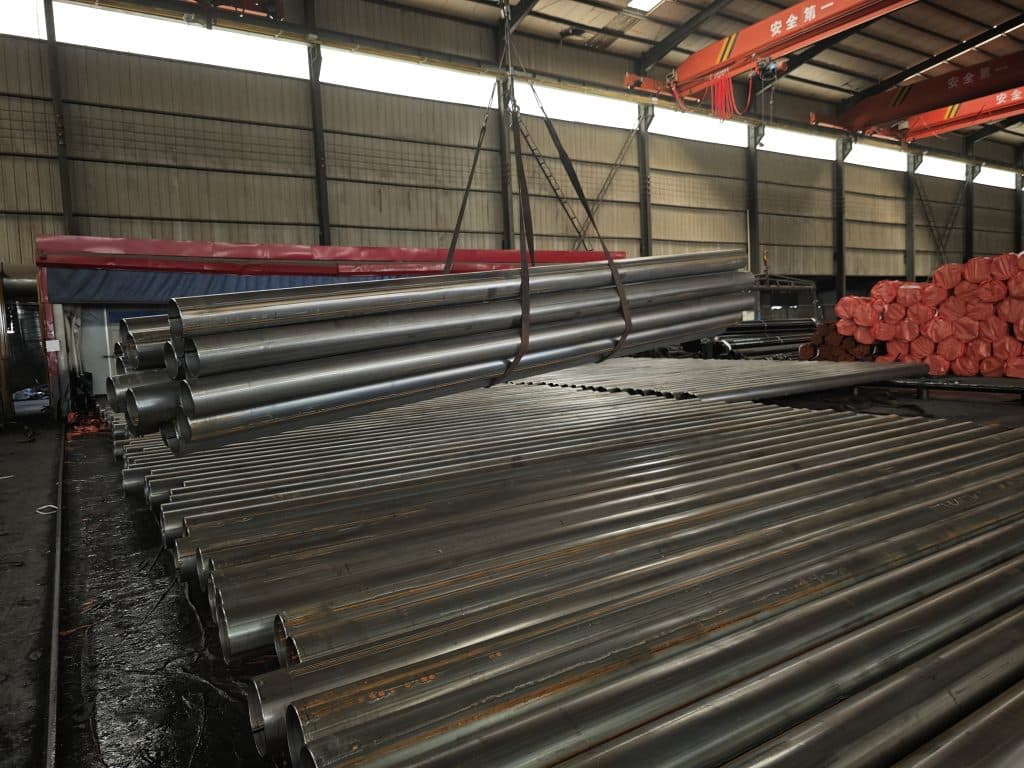
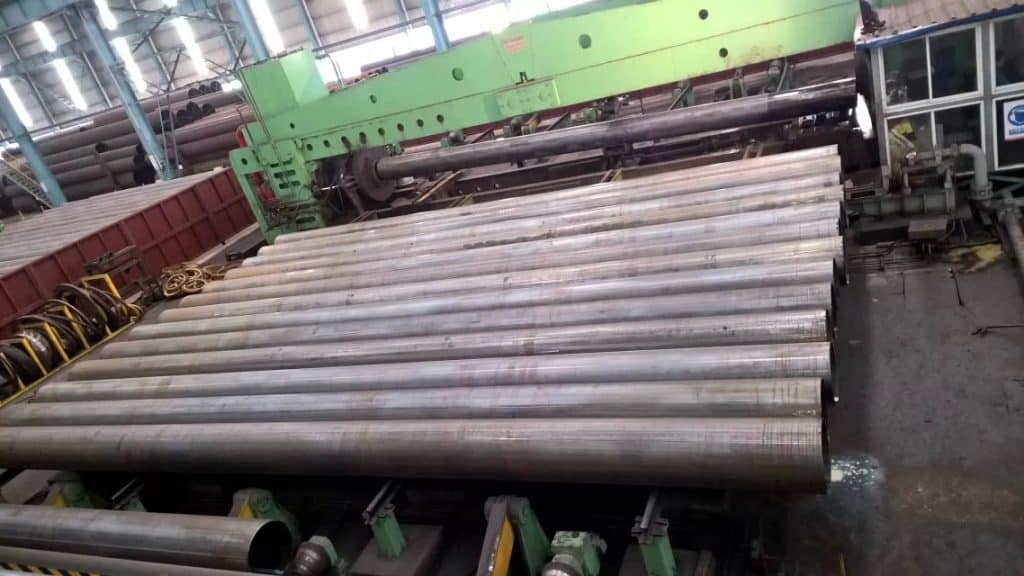
Cold-formed welded CHS can be made by forming steel strip into a round tube and joining its longitudinal edges by electric resistance welding (ERW). AS/NZS 1163:2016 specifies requirements for cold-formed ERW structural hollow sections. Dimensions and permitted deviations should be checked against the specified edition and product size rather than assumed from a generic tolerance.
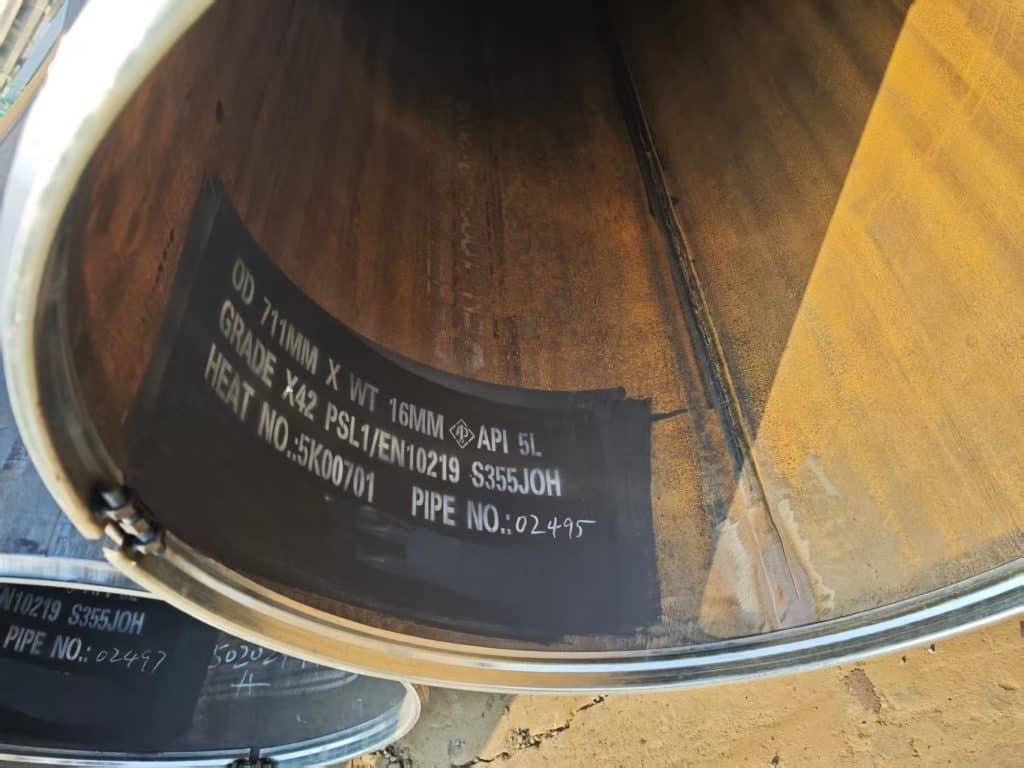
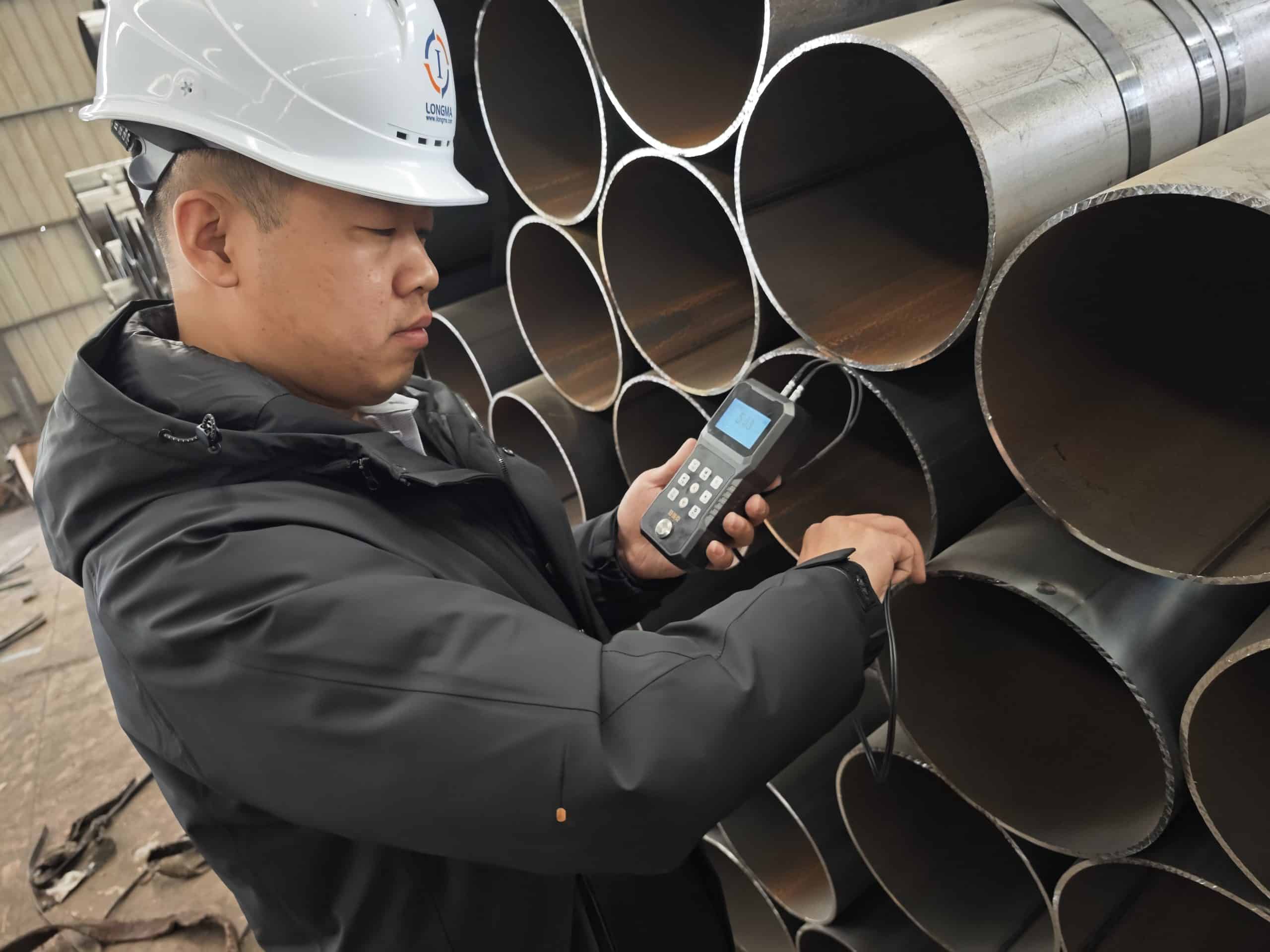
LONGMA manufactures round ERW steel pipe. For an order requiring AS/NZS 1163, confirm the required grade and size against its current production offer and request the corresponding inspection documents. Where an L0 grade is specified, verify the applicable impact-test results at 0°C against the project requirements.
Dimensions and Weight Reference
The outside diameter, wall thickness and length must be selected for the structural design and checked against the mill’s current offer. For an approximate mass of plain carbon steel CHS, with dimensions in millimetres, use:
M (kg/m) = 0.02466 × t × (D − t)
where D is the outside diameter in mm and t is the wall thickness in mm. This formula, consistent with AS/NZS 1163:2016 Appendix data, allows procurement engineers to calculate shipping weight and structural dead load precisely before ordering.
Comparing Circular Hollow Sections with Other Structural Tubes
CHS vs. SHS/RHS — When Round Wins
CHS and square or rectangular hollow sections have different connection and structural characteristics. A circular section has equal bending properties about axes through its centre and can be efficient in torsion; flat faces on other shapes can simplify some connections. Compare actual member capacity, buckling length, fabrication and cost for the proposed design.
Galvanizing or a suitable paint system can protect carbon steel CHS when specified and maintained for the exposure environment. Coated carbon steel should not be described as inherently equivalent to stainless steel in corrosion resistance or service life.
Seamless vs. Welded CHS
Seamless tubes have no longitudinal weld, while ERW structural CHS has a controlled welded seam. Either manufacturing route must be assessed against the product standard and project requirements. ASTM A500/A500M covers both welded and seamless structural tubing within its defined scope; one route does not automatically provide a structural or fatigue advantage in every design.
Procurement Guide for Circular Hollow Sections
Sourcing CHS for a certified project requires more than matching a diameter on a price list. Procurement professionals working to Australian Building Code (project design requirements) requirements or international project specifications need to verify several layers of compliance before committing to a supplier.
Here are the core verification criteria every buyer should confirm:
- Product conformity: Request evidence that the offered grade and dimensions meet the specified edition of AS/NZS 1163, with order-specific inspection results where required. Third-party witnessing may be arranged if the project calls for it.
- Inspection certificate: Specify the certificate type required by the project, including EN 10204 type 3.1 if applicable, and verify the traceability and relevant chemical, mechanical and dimensional results. Hydrostatic testing is not a general requirement to claim for structural CHS.
- Quality management: Verify the current certificate and its scope when ISO 9001 certification is requested. A quality-system certificate does not by itself establish that a particular shipment meets AS/NZS 1163.
- Dimensional records: Request measured outside diameter, wall thickness, length and straightness for the supplied lot and compare them with the applicable product requirements.
Together, these checks support a clearer supplier assessment. Confirm grade and size availability, any witness inspection, production schedule and shipping arrangements in the actual quotation; lead time varies with the order and destination.
Standards, Technical Specifications, and Welding Guidelines
Multiple international standards regulate CHS quality. The most relevant for this product range include:
- AS/NZS 1163:2016 — a product standard for cold-formed electric resistance-welded structural hollow sections in Australia and New Zealand.
- ASTM A500/A500M-23 — a specification for cold-formed welded and seamless carbon steel structural tubing within its stated size limits.
- EN 10219-1:2006 / EN 10219-2:2019 — the European standard for cold-formed welded structural hollow sections, relevant to projects specifying European design codes.
Welding requirements should be developed for the actual grade, wall thickness, chemical composition, joint detail and fabrication conditions. Where AS/NZS 1554.1 applies, select the welding procedure and any preheat from its applicable requirements and the material documentation; a blanket no-preheat rule is inappropriate.
Applications and Benefits of Circular Hollow Sections in Construction and Beyond
CHS can be used as columns, truss chords and bracing in buildings and industrial structures. Its suitability for a particular bridge, mine or other infrastructure project must be established through design and the specified material requirements.
The round profile can provide useful directional symmetry and a smooth external surface for finishing. Higher-strength grades can sometimes reduce required section size, but engineers must also check buckling, local slenderness, connections and serviceability before claiming a reduction in steel tonnage.
A protective coating should be chosen for the exposure and intended use. Hot-dip galvanizing, paint and buried-pipe coating systems serve different conditions and require suitable surface preparation and application specifications. Structural use and coating availability should be confirmed for each order.
Conclusion
Circular hollow sections offer useful geometric properties for structural members, but the appropriate grade and dimensions follow the project design. For AS/NZS 1163 orders, verify the product specification, actual inspection records and agreed documentation before procurement.
FAQ
1. What is the main structural advantage of a circular hollow section over a square profile?
A CHS has the same nominal bending section properties about every axis through its centre and can be useful where loading direction varies. Relative buckling and torsional performance must be checked for the actual CHS and alternative section sizes, lengths and supports.
2. How do I calculate the weight of a CHS for a project?
Use the formula M = 0.02466 × t × (D − t), where D is the outside diameter and t is the wall thickness, both in millimetres. The result gives mass in kg/m. Multiply by the ordered length to obtain total weight for freight and structural dead-load calculations.
3. Does LONGMA accept custom-size orders for CHS?
Discuss the required diameter, wall thickness, length, grade and quantity with LONGMA. The technical team can assess whether the requested combination is available and provide an order-specific production schedule.
4. What documentation comes with each order?
The inspection documents supplied depend on the agreed product standard and purchase order. Specify the required certificate type, traceability, test results and any third-party inspection before production; hydrostatic testing should be requested only where relevant and agreed.
Get Certified Circular Hollow Section from LONGMA — Request a Quote Today
LONGMA manufactures round ERW and LSAW steel pipe. For a circular hollow section quotation, send the project standard and edition, grade, diameter, wall thickness, length, quantity and inspection requirements to info@ilongma.com. The team can confirm the applicable production route, documentation and delivery terms.