- 1. What Galvanized Steel Pipe Is and How It Is Made
- 2. Main Applications of Galvanized Steel Pipe
- 3. Corrosion Resistance and Service Limitations
- 4. Galvanized Pipe Compared With Other Options
- 5. Specifications, Dimensions and Inspection
- 6. Installation and Procurement Checklist
- 7. Frequently Asked Questions
- 8. About LONGMA
Galvanized steel pipe is steel pipe protected by a zinc coating. It is commonly selected for fencing, handrails, agricultural structures, exposed utility lines, building services and other applications where the strength of steel and resistance to atmospheric corrosion are both important. Whether a galvanized pipe is suitable for carrying water or another fluid depends on the underlying pipe specification, system design, operating conditions and local requirements—not simply on the presence of zinc. This guide explains practical uses, manufacturing methods, coating limitations and purchasing checks.
What Galvanized Steel Pipe Is and How It Is Made
Galvanizing applies zinc to a steel surface. The coating acts as a barrier and also provides sacrificial protection: where small areas of steel are exposed, nearby zinc may corrode preferentially. Zinc is gradually consumed, so galvanized pipe is corrosion-resistant rather than corrosion-proof. Stainless steel is different; its corrosion resistance comes primarily from a chromium-rich passive film, not from zinc. Stainless steels can also corrode in unsuitable environments.
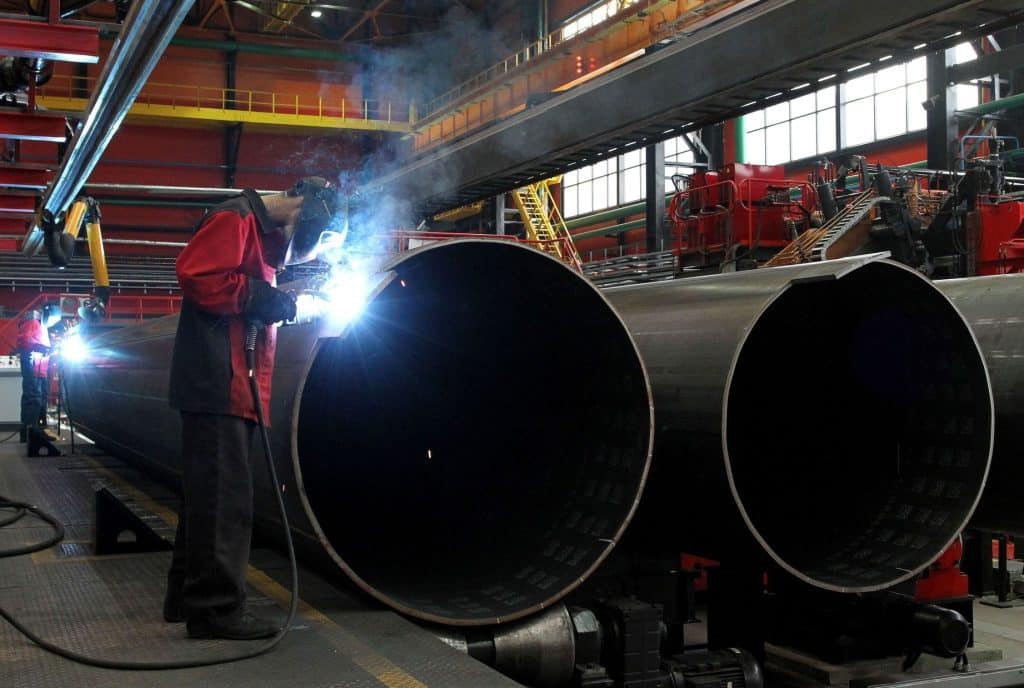
For hot-dip galvanizing after fabrication, the completed pipe is cleaned, prepared and immersed in molten zinc. This process can coat both accessible internal and external surfaces, although coverage and coating characteristics depend on fabrication details and the applicable specification. Pre-galvanized pipe is formed from zinc-coated strip; welding may disturb the zinc near the seam, requiring appropriate restoration or protection. Electrogalvanizing deposits zinc electrically and commonly produces a thinner, smoother coating for less aggressive exposure. These processes should not be treated as interchangeable when ordering.
The steel pipe itself may be welded or seamless. Galvanizing does not establish the strength of the base material, weld quality, pressure rating or suitability for a particular service. Those matters are determined separately by the pipe specification and design code.
Main Applications of Galvanized Steel Pipe
In construction, galvanized circular steel pipe is used for fence posts, gates, guardrails, handrails, sign supports and selected structural frames. For safety-critical or load-bearing applications, engineers must check the appropriate structural standard, connection details and design loads. Scaffolding components also require the applicable scaffold-specific specification and inspection; a zinc coating alone does not qualify a pipe for scaffolding.
Agricultural uses include greenhouse frames, livestock enclosures, irrigation supports and exposed service runs. The coating helps protect steel from rain and routine outdoor exposure, but fertilizers, manure, persistent moisture and certain chemicals may accelerate zinc consumption. A local exposure assessment remains important.
Building-services applications include mechanical supports, cable protection and certain non-potable water systems. Galvanized steel has historically been used in water distribution, but internal deposits and water chemistry can affect long-term performance. For drinking-water applications, verify the applicable local regulations, the suitability of the full system and any required certification, such as NSF/ANSI/CAN 61 where relevant. Certification of one component does not automatically qualify every fitting or joint in the installation.
Galvanized pipe is not a universal substitute for dedicated high-pressure transmission line pipe. Long-distance oil and gas systems typically use pipe selected to the relevant line-pipe standard and an engineered corrosion-protection system.
Corrosion Resistance and Service Limitations
Coating life depends on zinc thickness, exposure time, atmospheric pollutants, chloride concentration, moisture, water chemistry, soil conditions and damage during handling or installation. A galvanized component in a dry indoor location may perform very differently from one near a coastline or in a chemically aggressive plant. No single service-life figure applies to every location.
For buried service, soil resistivity, moisture, pH, chlorides, stray current and installation details can affect corrosion. Galvanizing should not automatically be considered sufficient protection for buried trunk pipelines. Project engineers may specify a dedicated external coating, cathodic protection or a different pipe material after assessing the exposure. For internal service, the conveyed fluid and operating temperature can be as important as the external environment.
Cut ends, threads, damaged coating and field welds deserve particular attention. Repair materials and procedures should match the applicable coating specification and exposure. Galvanized steel should also be evaluated for galvanic interaction with dissimilar metals. Contact with copper-containing components, for example, can require additional design consideration in wet service.
Galvanized Pipe Compared With Other Options
Black carbon steel pipe may be suitable where corrosion is controlled by painting, insulation, internal treatment or a separate protective system. Galvanized pipe provides zinc protection without relying solely on paint, but its performance depends on the exposure. Stainless steel may be preferable where its selected grade offers the required resistance to the service medium; it is not immune to all corrosion. Plastic piping can be advantageous in permitted water or gas distribution services because it does not undergo ordinary steel rusting, but allowable pressure, temperature, installation conditions and regulations must be checked.
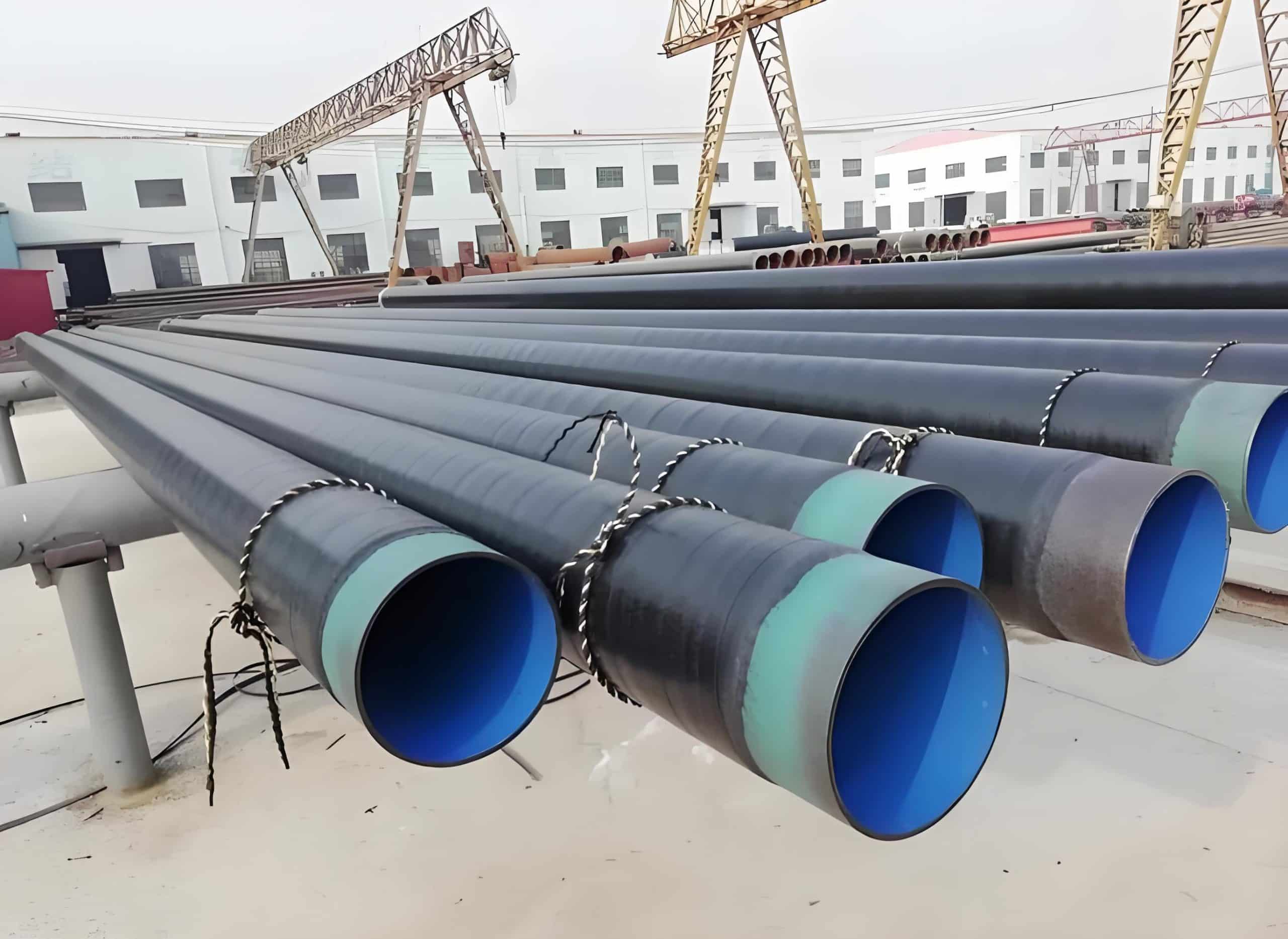
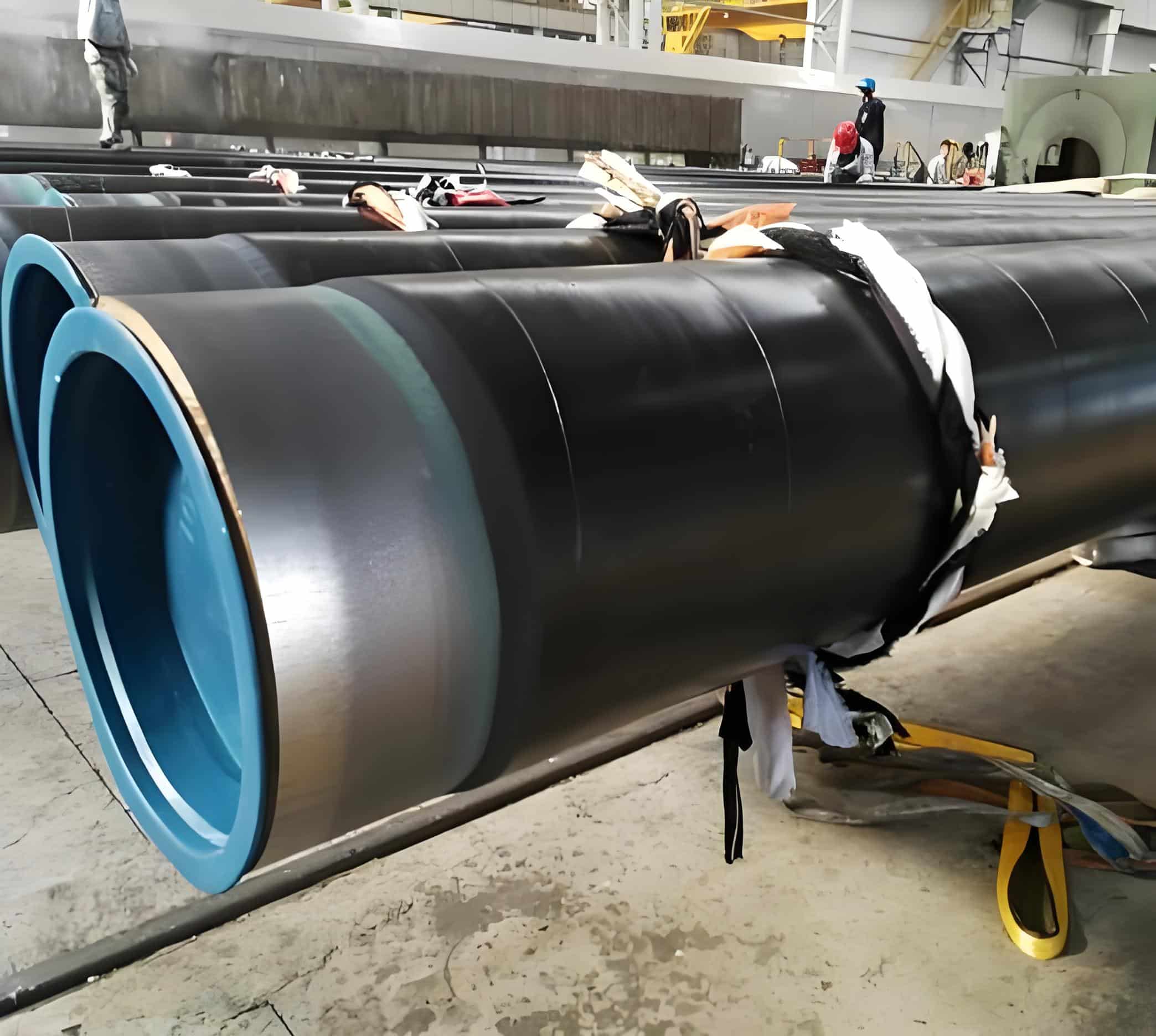
Fusion-bonded epoxy (FBE) and three-layer polyethylene (3LPE) are coating systems commonly considered for engineered buried steel pipelines. They are not different steel grades; they are protective systems applied to suitable pipe. Their selection depends on soil exposure, operating temperature, mechanical loading, cathodic protection design and coating qualification. A comparison based only on initial price or appearance is inadequate.
Specifications, Dimensions and Inspection
A purchase specification should identify the steel pipe standard, grade, outside diameter or nominal pipe size, wall thickness, length, end preparation and coating requirements. ASTM A53/A53M covers certain black and hot-dipped zinc-coated welded and seamless steel pipes; EN 10255 covers specified non-alloy steel tubes suitable for welding and threading. The applicable edition and permitted sizes must be checked rather than assumed. Standards for galvanizing fabricated articles, such as ISO 1461 or ASTM A123/A123M, have their own scopes and should not automatically replace the product-specific requirements of a pipe standard.
Schedule 40 and Schedule 80 describe standardized wall-thickness series for given nominal pipe sizes. Neither is a standalone pressure rating. Allowable pressure also depends on material properties, temperature, joint efficiency, corrosion allowance, the governing piping code and the fittings used.
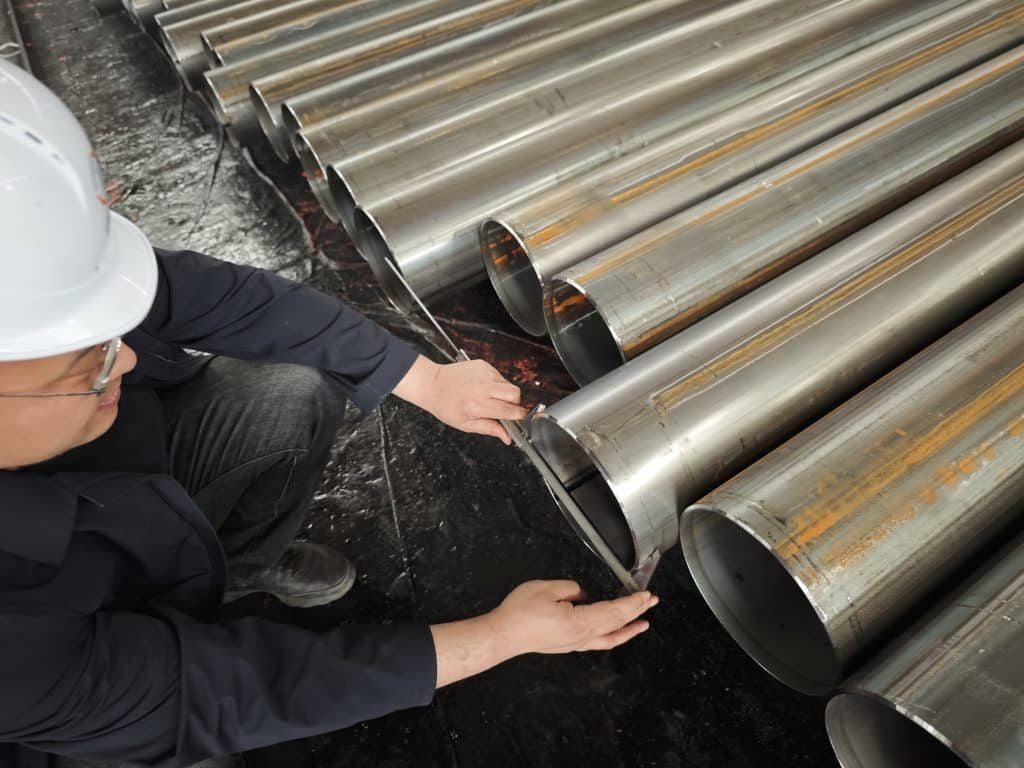
Inspection should address dimensional conformity, visible coating defects, coating thickness or mass as specified, end condition, marking and material traceability. Hydrostatic and nondestructive tests should be requested when required by the product specification or project documents. A coating inspection cannot replace verification of the pipe’s mechanical properties.
Installation and Procurement Checklist
Before ordering, define whether the pipe is intended for a structural component, support, conduit or fluid service. Provide the operating environment and, for pressure service, the design pressure, design temperature and conveyed medium. State the pipe grade and standard, coating process, minimum zinc requirements, nominal size, wall thickness, length, end finish, quantity and required inspection documentation. Confirm compatibility with couplings, threads, grooves, flanges and supports.
During installation, avoid unnecessary coating damage and inspect cuts, threads and welded connections. Repairs should follow the project-approved procedure. Do not weld galvanized pipe without appropriate controls for zinc fumes and the relevant welding procedure. For potable-water service, confirm the suitability of the entire system under local rules. For buried applications, obtain a corrosion assessment rather than relying on galvanizing alone.
For procurement comparisons, consider the delivered cost, documentation, coating quality, packing, availability and the supplier’s ability to meet the actual specification. The lowest price per metre may not represent the lowest installed cost.
Frequently Asked Questions
What is galvanized steel pipe mainly used for? It is used for exposed structures, fencing, handrails, agricultural frames, utility supports and selected piping systems where zinc protection is appropriate.
Can galvanized pipe carry drinking water? Only when the pipe, fittings and overall installation comply with applicable local rules and any required drinking-water approvals. Water chemistry and long-term performance should also be considered.
Is galvanized steel pipe rustproof? No. Zinc slows corrosion, but it is consumed over time and may be damaged or attacked by aggressive conditions.
Is Schedule 40 a pressure rating? No. It identifies a wall-thickness series; pressure suitability must be established through the relevant design requirements.
Can galvanized pipe be buried? Some applications permit it, but suitability depends on soil and corrosion conditions. An engineered coating and cathodic protection system may be required.
What is the difference between hot-dip and pre-galvanized pipe? Hot-dip galvanizing after fabrication coats the completed article; pre-galvanized pipe is formed from coated strip, so the weld area requires particular attention.
About LONGMA
LONGMA is a manufacturer of round ERW and LSAW welded steel pipes with more than 20 years of industry experience. Its manufacturing site covers 230,000 m², and annual production exceeds 500,000 tonnes. For projects requiring welded steel pipe and an appropriate corrosion-protection solution, buyers can submit the intended service, pipe dimensions, standards and coating requirements for technical review. Contact: info@ilongma.com.