- 1. 2LPE Coating Temperature Limits
- 2. 2LPE Coating Structure and Temperature Performance
- 3. Temperature Considerations During Manufacture and Installation
- 4. Standards and Specification Selection
- 5. Inspection Records and Purchasing Checklist
- 6. Conclusion
- 7. FAQ
- 8. Discuss Your Coated Pipe Requirements with LONGMA
A two-layer polyethylene (2LPE) coating is an external corrosion-protection system consisting of an adhesive layer and a polyethylene outer layer applied to a prepared steel surface. Its suitability depends on the complete coating system, the service environment, installation conditions and the project specification. There is no single operating-temperature range that can be applied to every 2LPE product. Buyers should obtain the coating manufacturer’s documented limits for the specified materials and application procedure before approving a system.
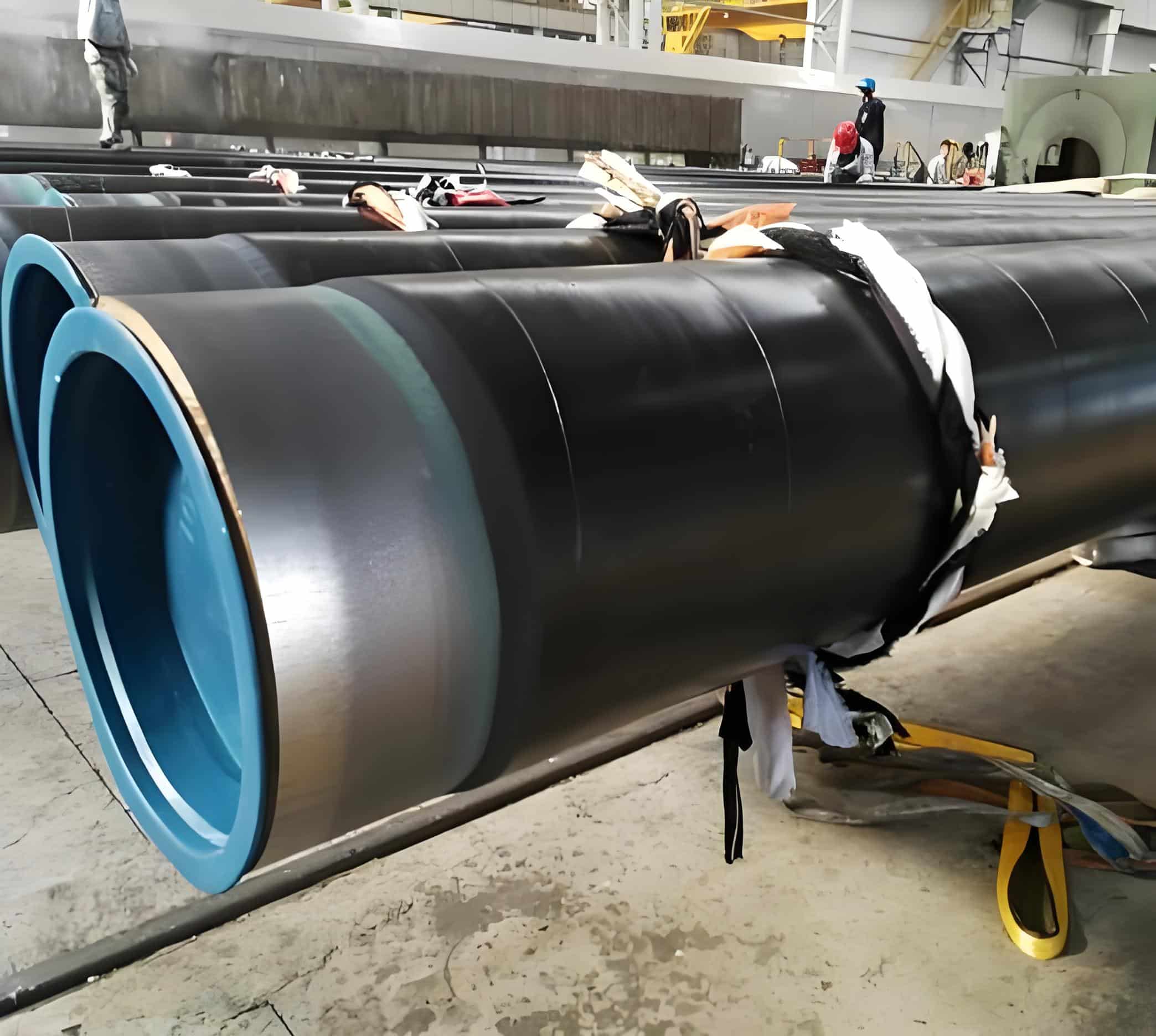
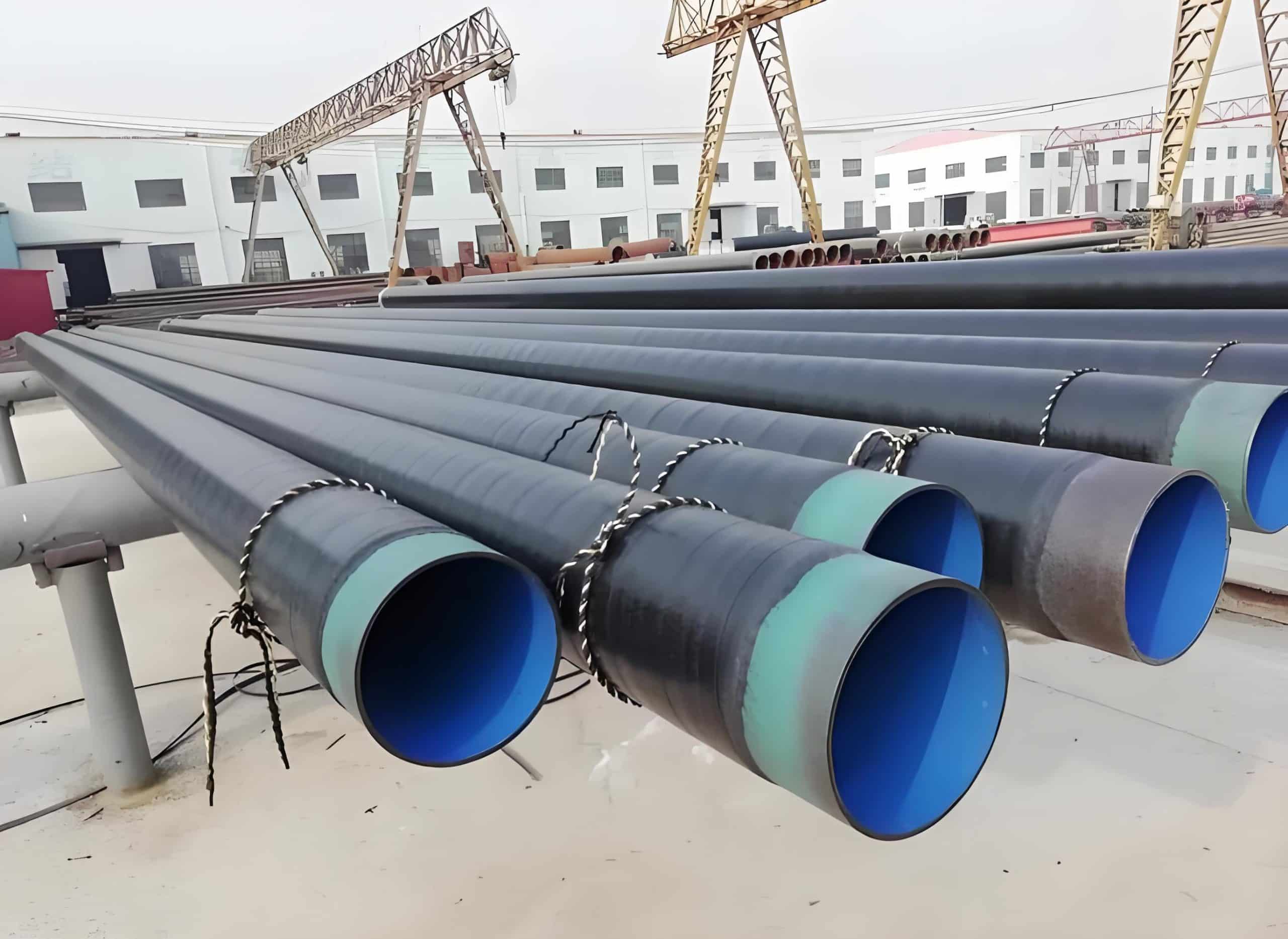
2LPE Coating Temperature Limits
Why temperature matters
Temperature affects polyethylene stiffness, flexibility, dimensional stability and long-term behaviour. It can also affect the performance of the adhesive bond between the steel substrate and the polyethylene layer. At low temperatures, a coating may become less flexible and more vulnerable to impact damage. At elevated temperatures, polyethylene may soften and become more susceptible to deformation or creep. The actual response depends on the resin grade, adhesive formulation, coating thickness, manufacturing controls and exposure conditions.
Do not use a universal temperature range
A generic value such as −40°C to +60°C should not be treated as a universal 2LPE operating rating. A temperature limit must be supported by the technical data for the complete coating system and by the applicable project requirements. Confirm the minimum and maximum continuous operating temperatures, any short-term temperature excursions, and the expected frequency and duration of thermal cycles. Where relevant, also confirm whether the stated limits apply to the coating material, the completed coating system or the pipeline operating condition.
Operating, application and installation temperatures
These temperature categories describe different stages and must not be used interchangeably:
| Temperature category | Meaning | Information to confirm |
| Operating temperature | Temperature experienced by the coated pipe during service. | Normal range, minimum and maximum values, transient peaks and thermal cycling. |
| Application temperature | Temperature conditions controlled during coating manufacture. | Steel preheat, material application conditions and process-control limits specified by the coating procedure. |
| Installation temperature | Ambient and pipe temperatures during handling, welding, lowering-in and backfilling. | Permitted handling conditions and any installation restrictions stated by the coating supplier. |
2LPE Coating Structure and Temperature Performance
Surface preparation and adhesion
For a conventional 2LPE system, the adhesive is applied to the prepared steel surface and the polyethylene forms the outer layer. Because the system does not include the FBE primer used in 3LPE, the condition of the steel surface and the suitability of the adhesive are important to coating adhesion. Surface cleanliness, surface profile, soluble-salt contamination, dust, moisture and pipe temperature should be controlled in accordance with the approved coating procedure and governing specification.
Adhesive and polyethylene behaviour
The adhesive must be compatible with both the steel substrate and the polyethylene compound. The outer polyethylene layer provides a barrier against moisture and contributes electrical insulation and mechanical protection. Its performance is affected by resin properties, layer thickness, processing conditions and service temperature. Buyers should request identification of the specified adhesive and polyethylene grades, together with the technical data and qualification records applicable to the offered coating system.
Thermal expansion and temperature cycling
Steel and polyethylene have different thermal-expansion characteristics. Temperature changes therefore create movement within the coating system and can impose stress on the bond between layers. The magnitude and effect of this stress depend on material properties, temperature range, coating construction and cycle frequency. Avoid using a fixed multiplier to describe the difference in expansion. For pipelines subject to repeated or significant temperature changes, request relevant thermal-ageing or thermal-cycling evidence and confirm that the test conditions represent the intended service.
Temperature Considerations During Manufacture and Installation
Coating application and process control
A typical manufacturing sequence includes abrasive blast cleaning, removal of surface contaminants, controlled preheating, application of the adhesive and polyethylene, cooling, and final inspection. The precise process depends on the coating system and the manufacturer’s qualified procedure. Incorrect surface conditions, application temperatures or extrusion parameters can affect adhesion, coating continuity and thickness. Production records should identify the coating materials and document the inspections and process checks required by the purchase specification.
Storage and transportation
Coated pipe should be handled and stored to avoid impact, abrasion, local loading and deformation. Use suitable lifting equipment and padded supports; do not drag or drop coated pipe. Stacking arrangements should prevent excessive loads and contact with sharp objects. The supplier’s instructions should be followed for outdoor exposure, ultraviolet protection, storage duration and temperature-related restrictions. Inspect the coating after loading and unloading, and repair damage in accordance with an approved repair procedure.
Installation and field-joint protection
Installation conditions can expose the coating to abrasion, impact and concentrated loads. Trench preparation, bedding, backfill material, lowering-in procedures and any trenchless installation method should be considered during coating selection. Factory-applied coating does not protect the field girth weld automatically. The field-joint coating system, cutback dimensions and repair materials should be specified and confirmed as compatible with the factory coating and the expected service conditions.
Standards and Specification Selection
The coating standard must be selected from the project design basis and purchaser’s specification. DIN 30670 has been revised and is now published in separate parts, including DIN 30670-1:2024-01 for requirements and testing of factory-applied extruded polyethylene coatings. The applicable part and edition should be stated in the purchase documents. ISO 21809-1:2018 specifies plant-applied three-layer polyethylene and three-layer polypropylene coatings; it should not be described as a general 2LPE coating standard. The pipe-body standard, such as API 5L or ASTM A53/A53M where applicable, is separate from the external-coating specification.
For U.S. natural-gas pipeline applications within its scope, 49 CFR §192.461 sets performance requirements for external protective coatings, including surface preparation, adhesion, ductility, resistance to handling and soil damage, compatibility with supplemental cathodic protection, and inspection before lowering-in and backfilling. It does not prescribe a universal 2LPE temperature rating. Applicability should be assessed together with the other relevant provisions of 49 CFR Part 192 and the project requirements.
Inspection Records and Purchasing Checklist
Records to request
The inspection and test plan should identify the required checks, acceptance criteria, sampling frequency and records. Depending on the governing specification and purchase order, relevant checks may include surface cleanliness and profile, coating thickness, visual condition, holiday detection, adhesion or peel testing, impact resistance, indentation resistance and repair inspection. Do not assume that every test applies to every coating system; define the required tests in the project specification.
Information to include in the RFQ
Provide the pipe standard and grade, outside diameter, wall thickness, quantity, coating system, coating standard and edition, required thickness, operating-temperature profile, installation method, soil and groundwater conditions, field-joint requirements, inspection scope, documentation level, destination and delivery schedule. Ask the supplier to state the qualified temperature limits for the complete coating system in writing and to identify any exclusions or restrictions.
Conclusion
The temperature suitability of a 2LPE-coated steel pipe cannot be determined from a generic temperature range or the polyethylene resin rating alone. It must be assessed using the complete coating-system data, the approved application procedure, the operating-temperature profile and the installation environment. Clear standards, documented process controls and defined inspection requirements help buyers compare coating proposals on a consistent technical basis.
FAQ
What temperature range can a 2LPE coating handle?
There is no single temperature range that applies to all 2LPE systems. Obtain the minimum and maximum service limits for the specified adhesive and polyethylene grades, coating construction and project conditions.
Is application temperature the same as operating temperature?
No. Application temperature relates to the coating manufacturing process; operating temperature describes the conditions experienced by the completed pipe in service. Installation temperature is a separate consideration.
Can 2LPE-coated pipe be used for buried pipelines?
It may be considered where the coating system meets the project requirements for the soil environment, operating conditions, installation method and applicable standard. The purchaser’s specification governs acceptance.
Does ISO 21809-1 cover 2LPE?
ISO 21809-1:2018 specifies plant-applied three-layer PE and three-layer PP coatings. It should not be cited as a general specification for two-layer PE coatings.
What information is needed for a quotation?
Provide pipe dimensions and grade, coating type and standard, required thickness, operating-temperature profile, installation conditions, quantity, inspection requirements and delivery information.
Discuss Your Coated Pipe Requirements with LONGMA
For a 2LPE-coated round ERW or LSAW steel pipe enquiry, contact LONGMA with the pipe dimensions, steel grade, coating specification, temperature profile, quantity and destination. The technical requirements can then be reviewed against the requested coating system and project documents. Email: info@ilongma.com. Website: https://www.ilongma.com/.