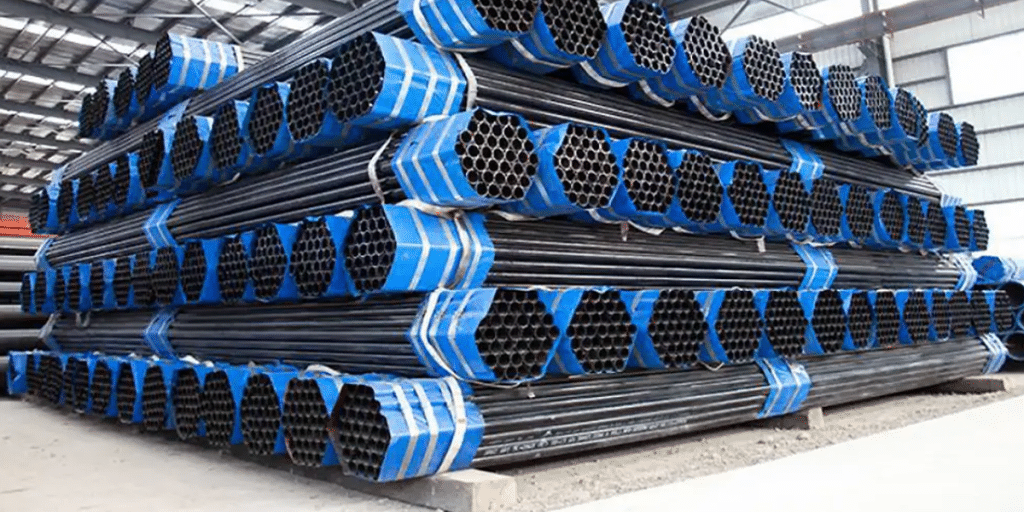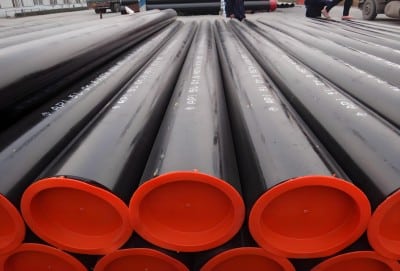
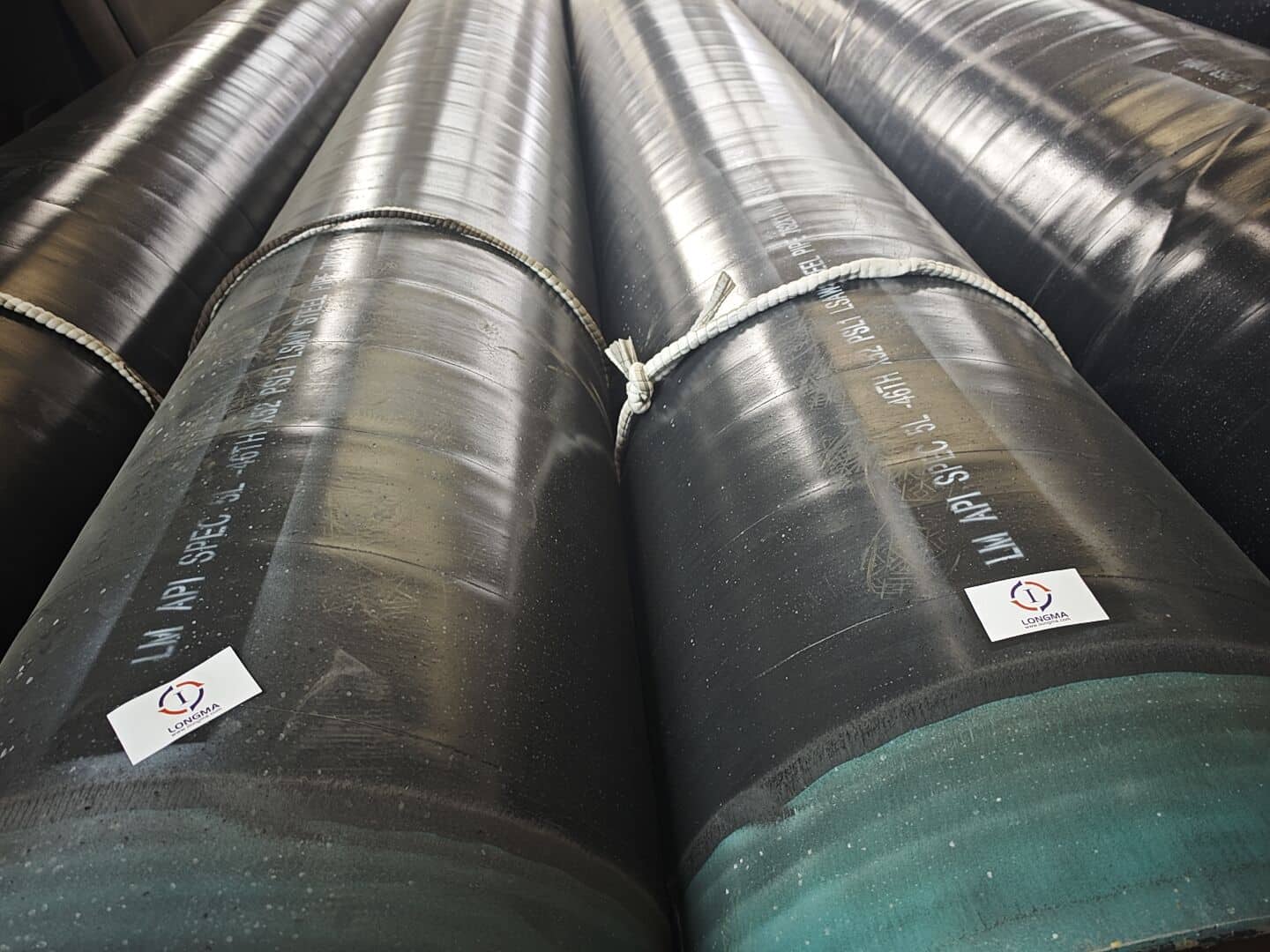
When comparing API 5L ERW pipe grades X42, X52, X60, and X70, procurement managers face a critical decision that impacts project performance and budget. These electric resistance welded pipes differ primarily in yield strength—ranging from 42,000 psi for X42 to 70,000 psi for X70—which directly influences their suitability for various pressure environments and operational demands. Understanding these distinctions enables better alignment between material specifications and project requirements, ensuring safe, cost-effective pipeline installations across oil, gas, and water transmission applications.
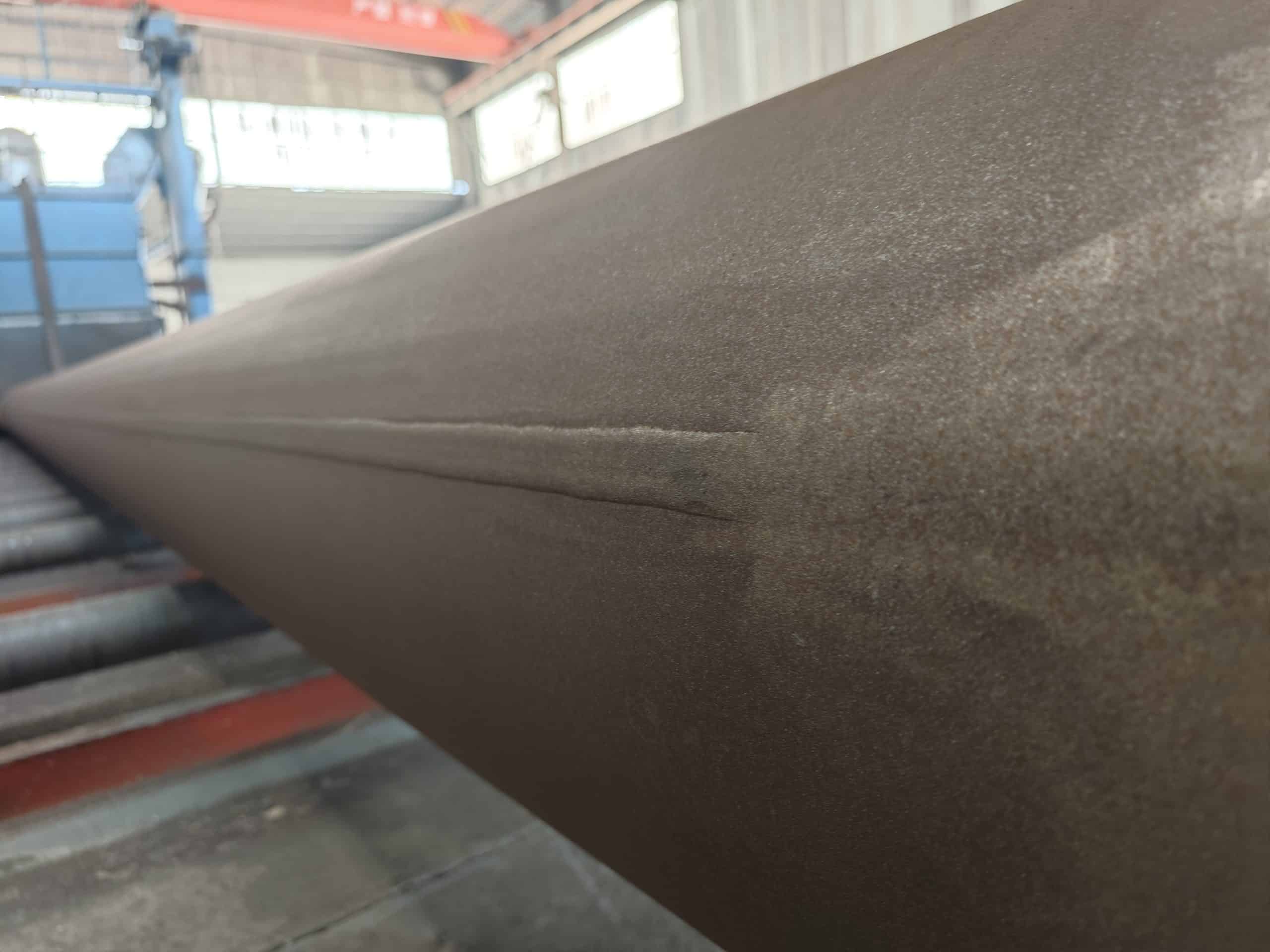
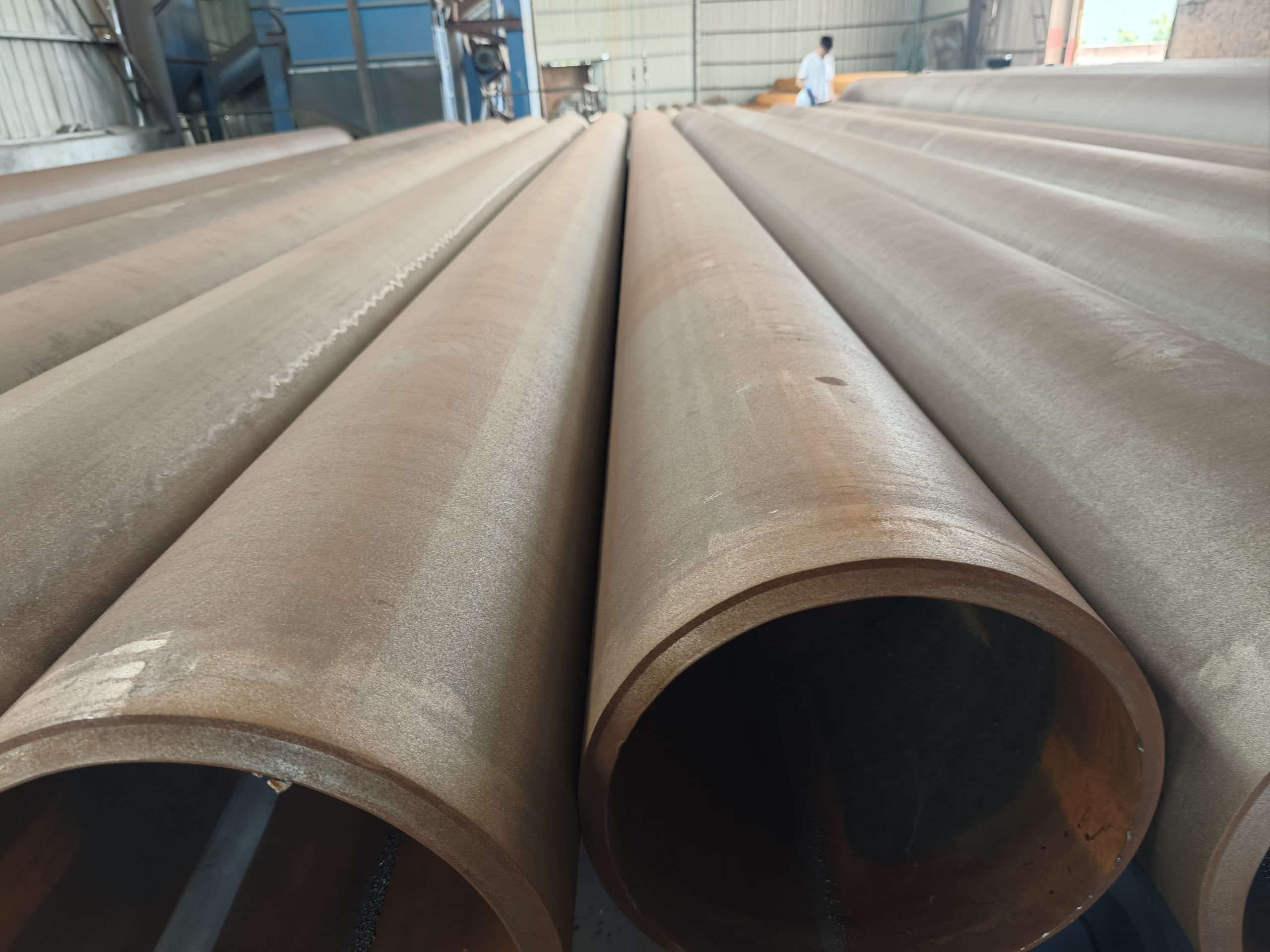
API 5L ERW Pipe Grades: X42, X52, X60, X70
What Makes ERW Manufacturing Distinct
Electric resistance welding is a complex way to make things. It uses high-frequency electrical resistance to join hot-rolled steel coils into cylinder shapes. This method gives very accurate measurements and consistent weld quality that seamless pipes can’t always offer at the same price. When welding, controlled heat input keeps the mechanical qualities of the base material throughout the pipe body while minimizing warping.
One clear advantage is how efficiently things are made. It is possible for API 5L ERW pipe plants to meet tight project schedules without lowering quality standards. Because coil-to-pipe change happens all at once, less material is wasted, and prices stay low. This is especially true for small to medium-sized uses with diameters between 2 inches and 24 inches.
Chemical Composition and Mechanical Properties
When you know what chemicals are in each grade, you can see why performance varies from one application to the next. All grades have carefully controlled carbon content that stays between 0.26% and 0.31%. Higher classes need tighter limits to keep their weldability. Manganese amounts rise gradually from X42 to X70, making the material stronger while keeping its toughness. In PSL2 standards, sulfur and phosphorus levels must be less than 0.030% to keep the material from breaking easily and to make sure it works well in tough conditions.
The name of each grade comes from API 5L ERW pipe yield strength: X42 has a minimum of 290 MPa, X52 has 360 MPa, X60 has 415 MPa, and X70 has 485 MPa. Tensile strength follows in a proportional way, which makes sure there are enough safety margins during pressure cycling. These mechanical qualities are put through a lot of tests using tensile pieces taken from real pipe bodies. This makes sure that the production process always meets the requirements.
When figuring out if something can be welded in the field, the carbon equivalent number is very important. Lower-quality pipes like X42 keep the CEV below 0.43%, which lets you weld them without having to do a lot of preheating. As grades get closer to X70, CEV goes up. This means that welding parameters need to be more carefully controlled to keep heat-affected zones from cracking during pipeline building.
Matching Grades to Industry Applications
In the energy and infrastructure areas, each API 5L ERW pipe grade fills a different practical need. When cost is more important than strength, X42 grade pipes work best in low- to medium-pressure natural gas distribution networks. X42 is often chosen for water transmission projects because it strikes a good balance between cost and structural integrity. This is especially true in municipal infrastructure where operating pressures rarely go above 1,000 psi.
With X52, you can get both general-use and high-performance apps. X52 pipes are often used in places where there are moderate pressure changes, like in oil gathering systems and regional gas transmission lines. Because the grade is stronger, there can be longer spans between supports. This lowers the cost of installation while still meeting safety standards set by pipeline codes.
The better performance of X60 and X70 grades is needed for high-pressure trunk lines that move fuels over long distances. These pipes can handle working pressures of more than 1,440 psi and can also handle loads from the ground and weather stresses. The strength-to-weight ratio of X70 makes it ideal for offshore platform connections and subsea pipes because it lowers the amount of support that is needed in harsh marine settings.
Comparing Performance & Advantages of API 5L ERW Grades
Mechanical Performance Under Stress
In real-world work situations, stress resistance is what sets these scores apart. X42 works well enough for most uses, and safety factors are usually set at 1.5 to 2.0 times the operating pressure. This feature is expanded by X52, which allows for higher flow rates without making the walls thicker, which would add weight and cost more materials. The X60 and X70 grades are very resistant to pressure cycling fatigue, which is very important for pipelines that start up and shut down a lot.
Impact hardness is very important in cold places where weak fractures are more likely to happen. Charpy V-notch testing must be done at certain temperatures according to PSL2 standards. This makes sure that materials stay flexible even when the temperature drops below freezing. X70 pipes made for Arctic service regularly absorb 40 joules of energy at -40°C. This stops catastrophic running cracks that could damage whole pipeline segments.
When choosing materials for jobs that will require a lot of field joining, weldability is an important factor to keep in mind. Because X42 has a lower carbon equivalent, it is easy to weld by hand or automatically using standard tools and methods. X60 needs controlled hydrogen welding methods, and depending on the thickness of the wall, it may need stress relief after the weld. X70 needs low-hydrogen consumables, precise control of heat input, and is often heated to temperatures between 150°C and 200°C before it can be used. This makes construction schedules more complicated and takes more time.
Corrosion Resistance and Service Life
Even though all types use the same base steel chemical, the corrosion resistance depends on how well the microstructure is refined during production. Microalloying elements like niobium and vanadium are often used in higher-grade API 5L ERW pipe. They make the grains in the pipe more uniform, which stops localized corrosion from starting. No matter what grade you choose, the best way to protect against soil-side rust is with an external covering system. These include three-layer polyethylene, fusion-bonded epoxy, and polypropylene.
Protection against internal corrosion depends on the properties of the fluid being moved. When transporting dry hydrocarbons in sweet service applications, there aren’t many corrosion risks across all grades. Sour service settings with hydrogen sulfide need PSL2 materials made from steel that has been treated with calcium to control the forms of the inclusions and stop hydrogen from causing cracks. All four grades have a solid service life of 30 to 50 years in normal transmission uses when they are properly defined and coated.
Cost Analysis Through Project Lifecycle
From X42 to X70, the initial cost of materials goes up gradually because the alloy content goes up and production controls get tighter. When ordering similar amounts, purchasing managers usually see price differences of 8% to 12% between grades that come after each other. But lifetime economics tells a more complex story than just the price of the item.
Higher-grade API 5L ERW pipes allow wall thickness reductions for the same pressure ratings. This saves weight, which lowers the cost of installation and transportation. A 24-inch X70 pipeline working at 1,440 psi needs about 15% less wall thickness than an X52 pipeline working at the same pressure. This means that it costs less to ship and takes less time to join during building. Most of the time, these saves make up for the extra money that is spent on better materials, especially on long-distance jobs where shipping costs a lot.
Total ownership calculations take maintenance and replacement costs into account a lot. When pipelines are built with enough strength margins, integrity events that need emergency repairs or section replacements happen less often. Installing X60 and X70 in high-risk areas is worth the extra cost because they improve safety and cause fewer problems with operations over many years.
Quality Assurance and Certification Standards
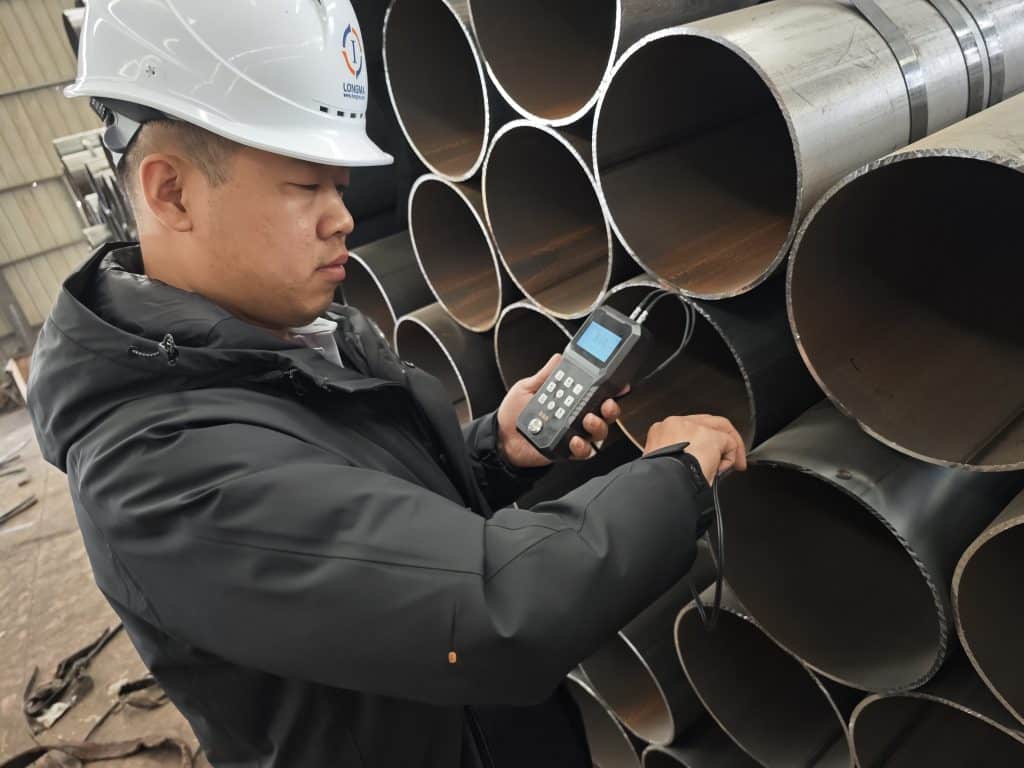
Before they are shipped, API 5L ERW pipes that have been manufactured must pass strict testing protocols. In hydrostatic testing, each pipe is put under 1.5 times its maximum working pressure for certain amounts of time. This makes sure that the structure is sound and the weld is solid. Ultrasound checks the whole length of the weld seam automatically, finding flaws as small as 5% of the wall thickness that could affect the long-term performance.
In addition to the tests required by PSL1, PSL2 specifications call for more tests to be done, such as checking the impact toughness, setting limits on the maximum yield strength, and making the tolerances for dimensions tighter. Drop weight tear testing checks how well a material resists cracks spreading, making sure that it breaks in a flexible rather than a brittle way. With these better controls, procurement teams can be sure that materials will work reliably in important service applications.
Each package comes with a material tracking certificate that meets the requirements of EN 10204 3.1 or 3.2. This certificate keeps track of chemical analysis results, mechanical test data, and heat treatment records. This paperwork lets buyers make sure that the project is being done according to the plans, and it also gives regulatory agencies and quality management systems the audit trail they need. Manufacturers who are ISO 9001 approved keep production records that connect each pipe to a specific steel heat, the date it was made, and the results of any inspections.
How to Source the Right API 5L ERW Pipes?
Defining Technical and Commercial Requirements
For buying to go well, detailed specifications must be made that match the properties of the materials to the needs of the project. When figuring out the diameter and wall thickness, you have to take into account the design pressure, temperature ranges, and any safety factors that are required by pipeline codes. When choosing a grade, you have to weigh the need for strength against the need to be able to weld in the field. Before sending out requests for quotes, procurement teams should work with engineering groups early on to make sure these guidelines are clear.
Prices and delivery times are greatly affected by the number of orders placed. Standard-sized minimum orders usually start at 50 tons, but manufacturers may be able to handle lower volumes at a higher cost. Volume discounts of 5% to 10% off published rates are common for projects that need 500 tons or more. When planning the lead time, you should allow 30 to 45 days for standard specs. For unique needs, like special mill testing or coating applications, the lead time can go up to 60 days.
During the buying process, budget limits and technology needs often come into conflict. Even though better-grade pipes cost more to buy, the lower wall thickness standards may make up for the higher original cost by saving money on shipping and installation. Instead of just looking at unit API 5L ERW pipe prices, people in charge of buying things should ask possible sellers for lifetime cost analyses and compare the total installed costs.
Evaluating Supplier Credentials and Capabilities
Certifications for manufacturers are an important way to make sure that suppliers have good quality systems and technical know-how. API 5L monogram license proves that mills have been checked by a third party to make sure they can make pipes that meet the standards. Getting ISO 9001 certification shows that you are dedicated to quality management and practices for continuous improvement. Suppliers who keep both certificates show that they are serious about meeting quality standards around the world.
Assessing production ability stops providers from taking on too much work and not being able to meet delivery dates. Modern API 5L ERW pipe lines allow mills to produce 15,000 to 25,000 tons per month, but this depends on the diameter range and complexity. To get a good idea of when deliveries might happen, procurement managers should ask about current order backlogs and production schedules. Site visits to factories show the state of the tools and the controls used in the process that quality papers alone can’t show.
When buying from other countries, export knowledge is very important. Suppliers who work on big energy projects know what paperwork is needed, how to ship things, and how to make foreign payments, which makes deals easier. References from past customers in the same or a similar geographic area can help you figure out how reliable a seller is and how quickly they can solve problems. Companies that have delivered goods successfully to big companies like SINOPEC, CNPC, or PEMEX bring tried-and-true skills that lower the risks of buying.
Conclusion
When choosing between API 5L ERW pipe grades X42, X52, X60, and X70, you have to weigh the needs for mechanical performance against the available budget and project deadlines. For uses with moderate pressure, X42 offers cost-effective options, and for high-pressure transmission systems that need to be strong, X70 is the best choice. Quality of production, seller credentials, and thorough testing documents are just as important as grade selection when it comes to making sure a project succeeds. When procurement professionals understand these technical differences and use strict source evaluation methods, their companies set themselves up for decades of reliable pipeline performance. Material requirements and sourcing plans will continue to be affected by how manufacturing technology changes and how to be environmentally friendly in the years to come.
FAQ
What distinguishes X42 from X52, X60, and X70 grades?
Different grades are differentiated by their minimum yield strengths: X42 has 290 MPa, X52 has 360 MPa, X60 has 415 MPa, and X70 has 485 MPa. These differences in strength are caused by changes in the chemical makeup, especially the amount of carbon and manganese. These differences affect how well the material works under pressure and how easily it can be welded during installation.
Can ERW pipes handle high-pressure oil and gas service?
When correctly specified and fitted, modern API 5L ERW pipes made to PSL2 standards can safely handle high-pressure applications up to 1,440 psi. Advanced welding technology and a 100% non-destructive examination make sure that the integrity of the weld seam matches the properties of the base material. It is common for grades X60 and X70 to support trunk line pressures that are higher than those in regional gathering systems.
How do I verify supplier certification legitimacy?
Ask suppliers for API monogram certificates directly, and use the American Petroleum Institute’s online database to make sure you are registered. Issuing body websites can be used to check the truth of an ISO 9001 certification. Ask for mill test results from recent orders that include full chemistry and mechanical testing data. While you are first qualifying suppliers, you might want to use third-party inspection services to make sure that the manufacturing processes and quality systems are correct.
Partner with a Trusted API 5L ERW Pipe Manufacturer
LONGMA has been China’s top producer of high-performance API 5L ERW pipe products since 2003. They have 20 years of experience in this field. Our 230,000-square-meter factory makes more than 500,000 tons of steel every year for big oil companies like SINOPEC, CNPC, PEMEX, and PDVSA. We cover all PSL1 and PSL2 grades from X42 to X70. We keep up-to-date on our API monogram licensing and ISO 9001 certification, which means that before being shipped, every pipe goes through strict hydrostatic testing and non-destructive examination. All orders come with full traceability paperwork that meets EN 10204 3.2 standards, and our expert team helps with specifications all the way through the procurement process. Competitive prices, 30-day delivery on standard sizes, and a variety of customization options meet the needs of procurement managers all over the world. Get in touch with info@ilongma.com to talk about the details of your project and get quotes from an experienced API 5L ERW pipe seller that is dedicated to quality, dependability, and on-time delivery.