- 1. What Is API 5L Grade B / L245 Line Pipe?
- 2. PSL1 vs PSL2: What Changes for Grade B?
- 3. Chemical Composition and Weldability
- 4. Dimensions and Manufacturing Method
- 5. Inspection, Testing and Documentation
- 6. Coating and Corrosion Protection
- 7. How to Write a Complete API 5L Grade B RFQ
- 8. Why Source API 5L Grade B Pipe from LONGMA?
- 9. FAQ
API 5L Grade B, also designated L245, is one of the most widely specified line-pipe grades for oil, gas, water and related pipeline transportation systems. Its popularity comes from a practical balance of strength, weldability and availability. However, a correct purchase order requires more than the words “API 5L Grade B.” Buyers also need to define the Product Specification Level (PSL), dimensions, manufacturing route, delivery condition, inspection requirements, coating and certification.
API published the 47th Edition of API Specification 5L in June 2026. The new edition updates requirements across more than 15 technical areas, including HFW pipe quality, impact toughness, sour-service requirements, lamination control, nondestructive evaluation and CO2 transportation. Project specifications should therefore identify the applicable edition rather than relying on an old data sheet or a generic supplier description.
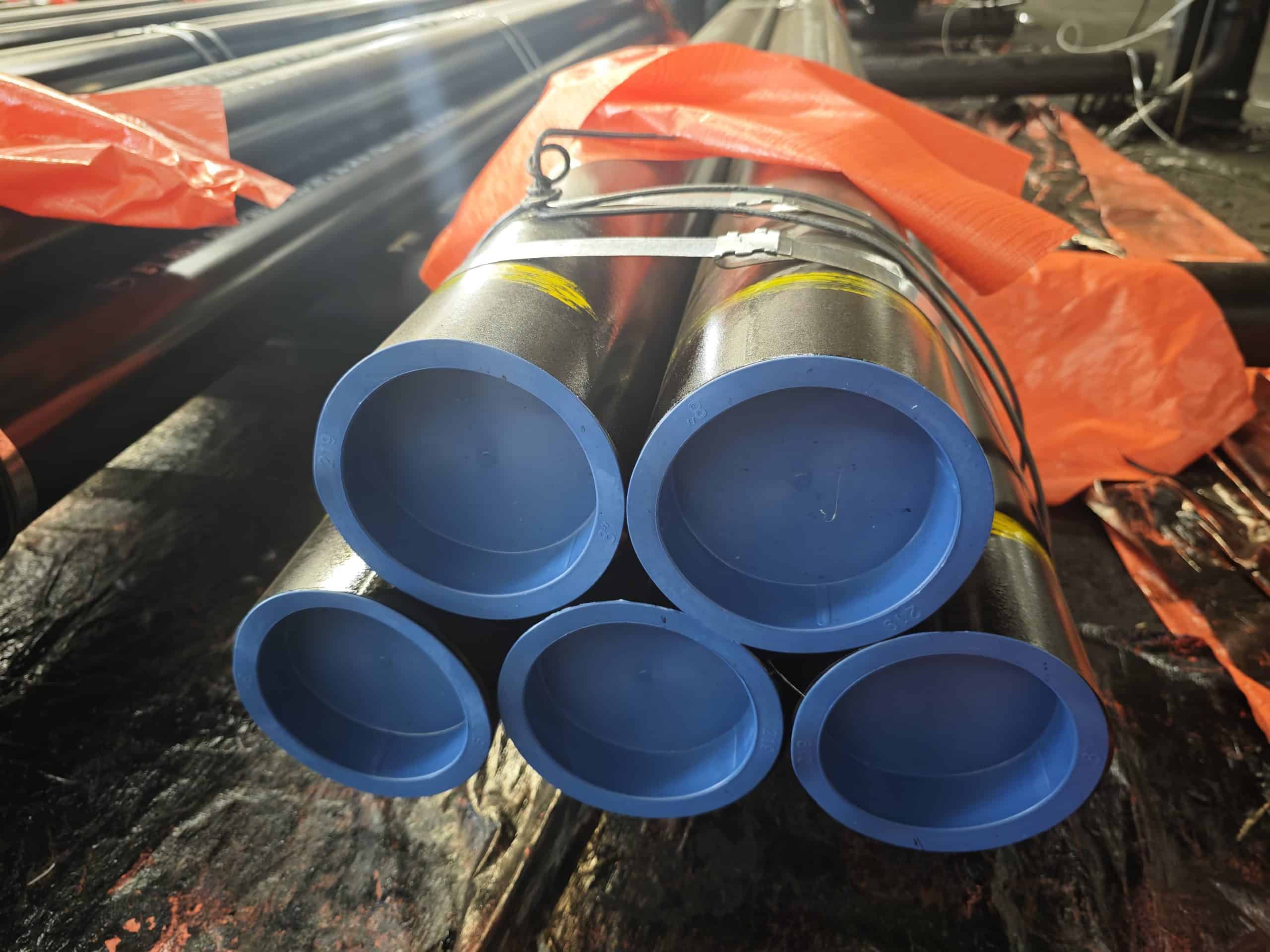
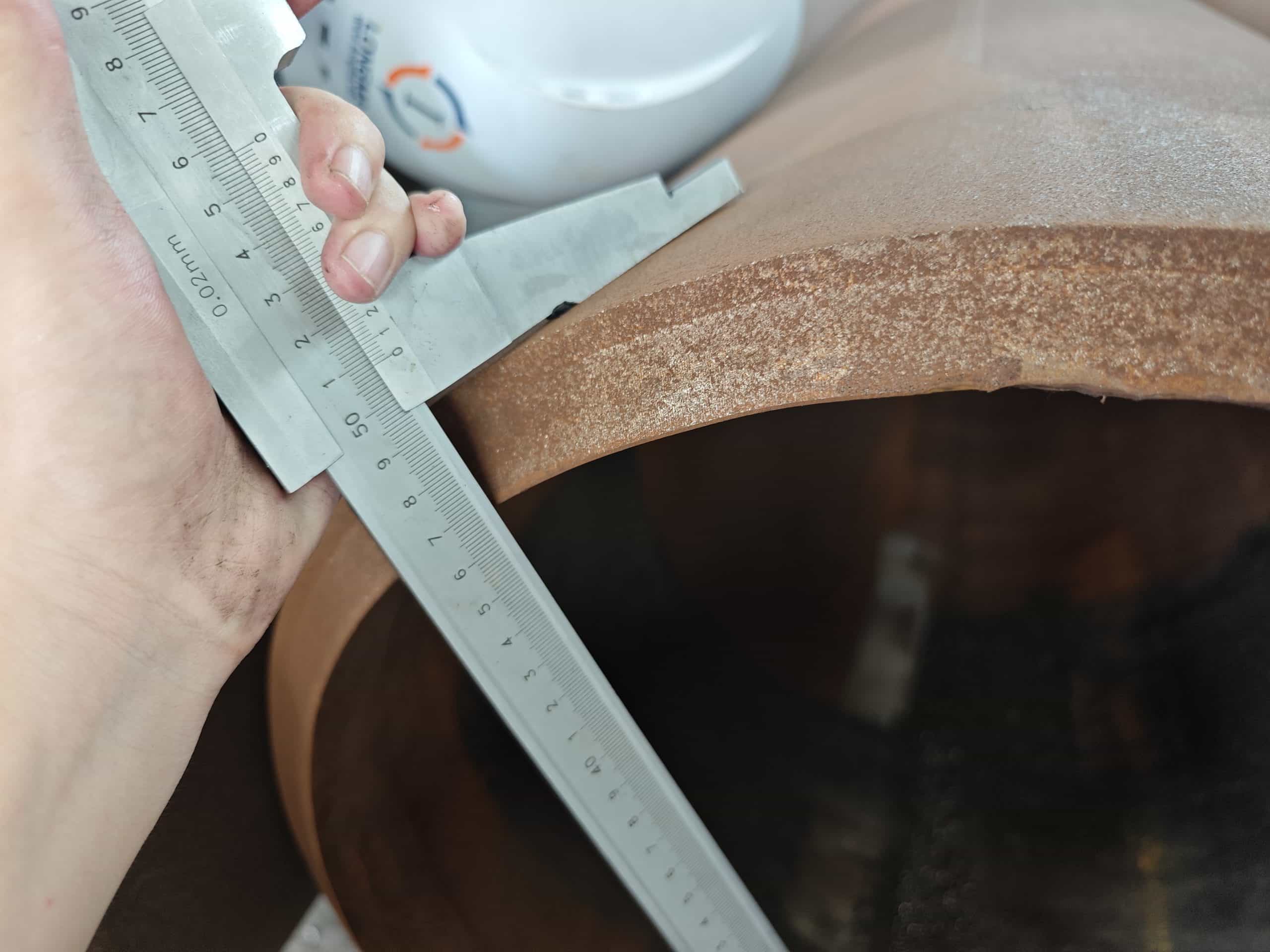
What Is API 5L Grade B / L245 Line Pipe?
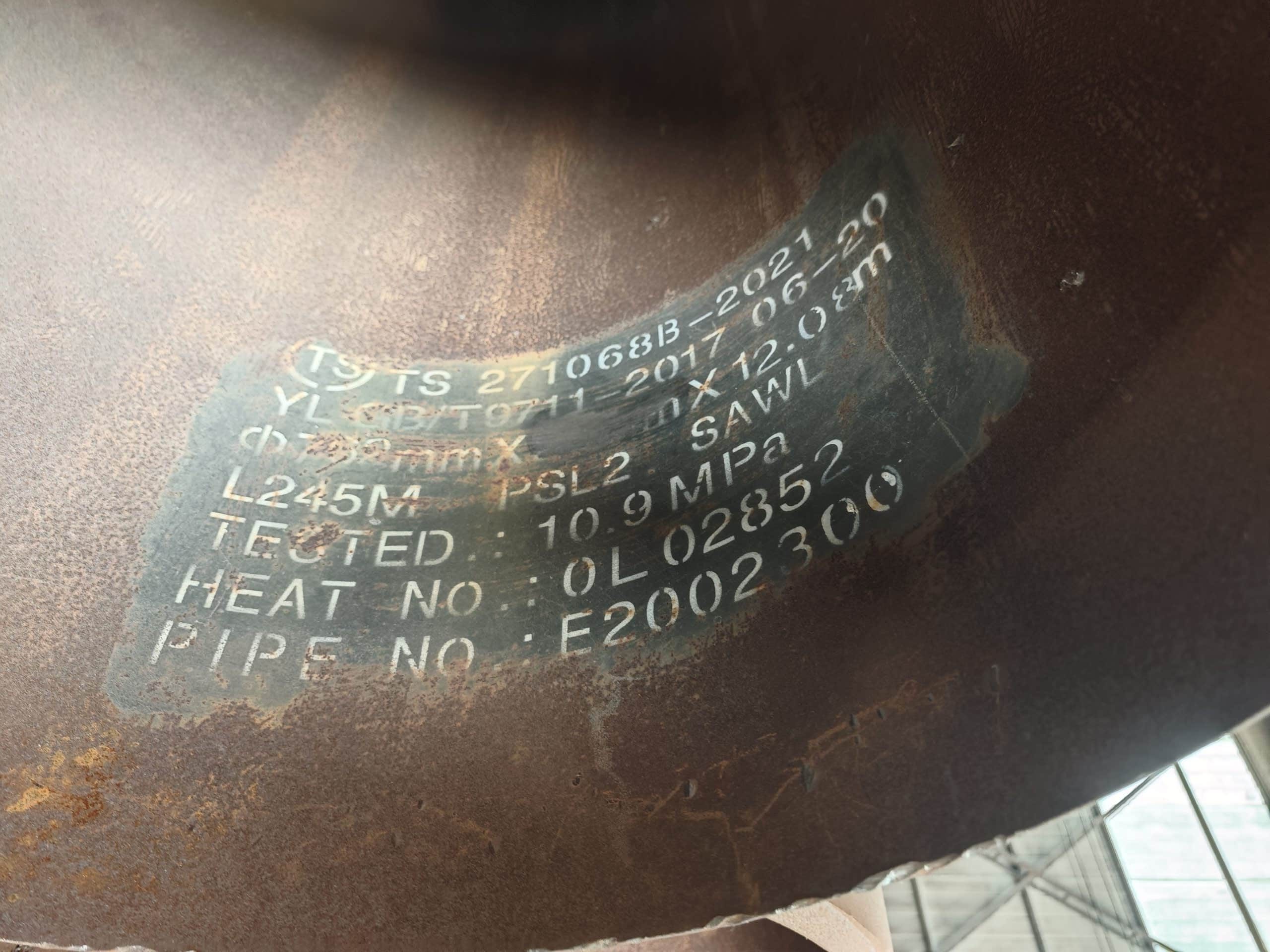
API Specification 5L covers seamless and welded steel line pipe used in pipeline transportation systems. Grade B is the conventional designation, while L245 is the corresponding SI designation. The “245” identifies the specified minimum yield strength in megapascals.
| Property | API 5L Grade B / L245 |
| Specified minimum yield strength | 245 MPa (35,500 psi) |
| Specified minimum tensile strength | 415 MPa (60,200 psi) |
| Product specification levels | PSL1 and PSL2 |
| Manufacturing routes | Seamless and permitted welded processes, subject to the applicable specification |
| Typical project use | Pipeline transportation where the design confirms Grade B strength is sufficient |
API 5L Grade B should not be treated as automatically interchangeable with ASTM A53 Grade B or ASTM A106 Grade B. Similar grade names or similar strength levels do not make two specifications equivalent. Their scope, manufacturing requirements, dimensions, testing, marking and intended service can differ. Any substitution should be reviewed and approved by the project design authority and purchaser.
PSL1 vs PSL2: What Changes for Grade B?
PSL1 and PSL2 are not simply “basic” and “premium” versions of the same pipe. PSL2 introduces tighter controls in areas such as chemistry, traceability, toughness and inspection. The exact requirements depend on the applicable API 5L edition, product form, dimensions, delivery condition and any supplementary purchaser requirements.
| Procurement Point | PSL1 | PSL2 |
| Material control | Standard API 5L requirements | More restrictive controls and defined delivery conditions |
| Toughness | Depends on the applicable requirements | More stringent toughness requirements apply |
| Carbon equivalent | Not controlled in the same manner as PSL2 | Controlled in accordance with the applicable grade and product requirements |
| Traceability | Required to the applicable PSL1 level | More stringent traceability requirements |
| Project use | Suitable where accepted by the design basis | Often selected when the project requires tighter material and inspection controls |
A buyer should never assume that PSL2 automatically means “sour-service pipe.” H2S-containing service can require additional material qualification, hardness control, HIC or SSC testing, weld controls and project-specific acceptance criteria. ISO 15156-2:2020 addresses the selection and qualification of carbon and low-alloy steels for H2S-containing oil and gas production environments and supplements, rather than replaces, the applicable design code.
Chemical Composition and Weldability
Chemical composition is important because it influences strength, weldability, toughness and resistance to hydrogen-assisted cracking. API 5L specifies chemical limits according to grade, PSL, manufacturing route and delivery condition. Because the 47th Edition revised chemical-element requirements in several areas, procurement teams should use the chemistry table from the edition stated in the purchase order rather than copying limits from an older online summary.
For welded construction, carbon equivalent is especially important. It helps engineers assess welding behavior together with wall thickness, heat input, hydrogen control, preheat and the qualified welding procedure. A compliant pipe does not remove the need for a qualified field welding procedure.
Dimensions and Manufacturing Method
API 5L does not mean that every manufacturer can produce every diameter and wall thickness. Actual manufacturing ranges depend on equipment, forming route, steel availability and qualification. For this reason, buyers should specify outside diameter, wall thickness, length and manufacturing route and then confirm mill capability before finalizing the order.
ERW and LSAW
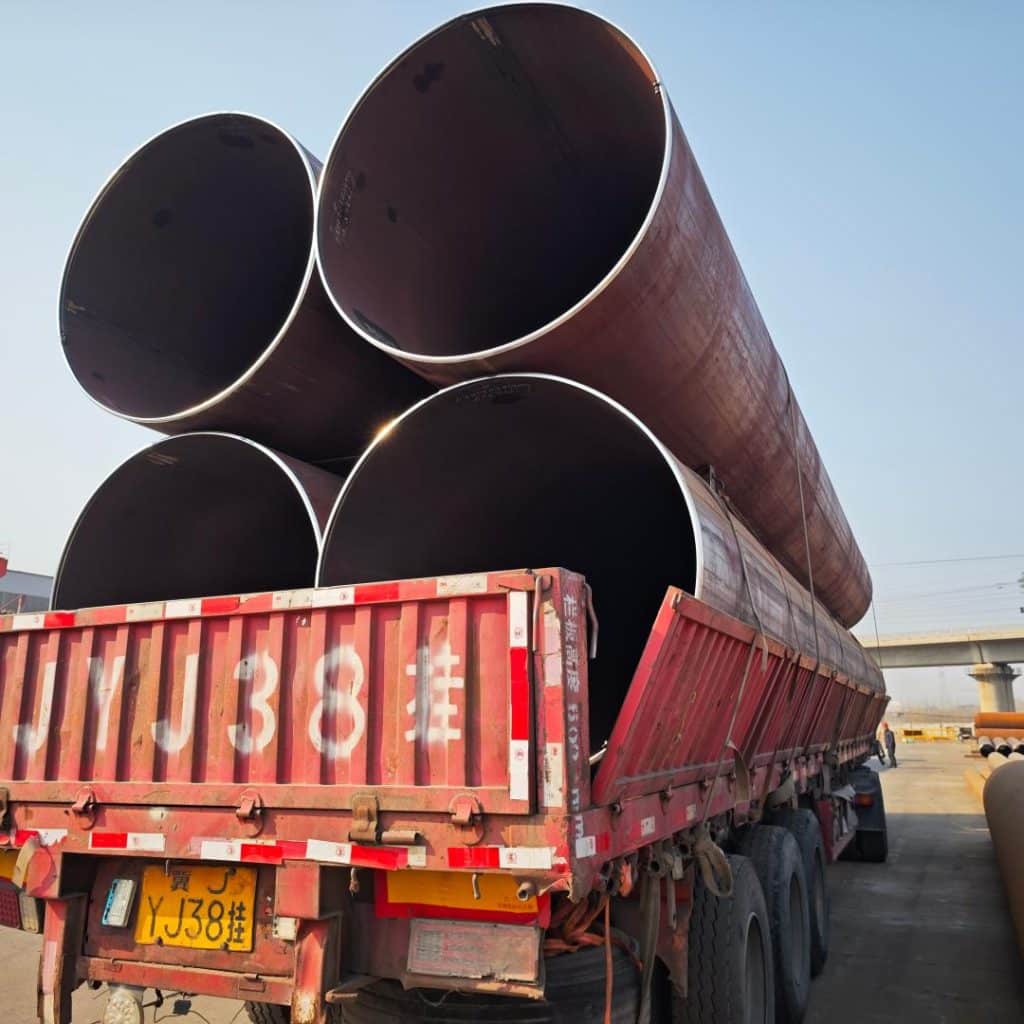
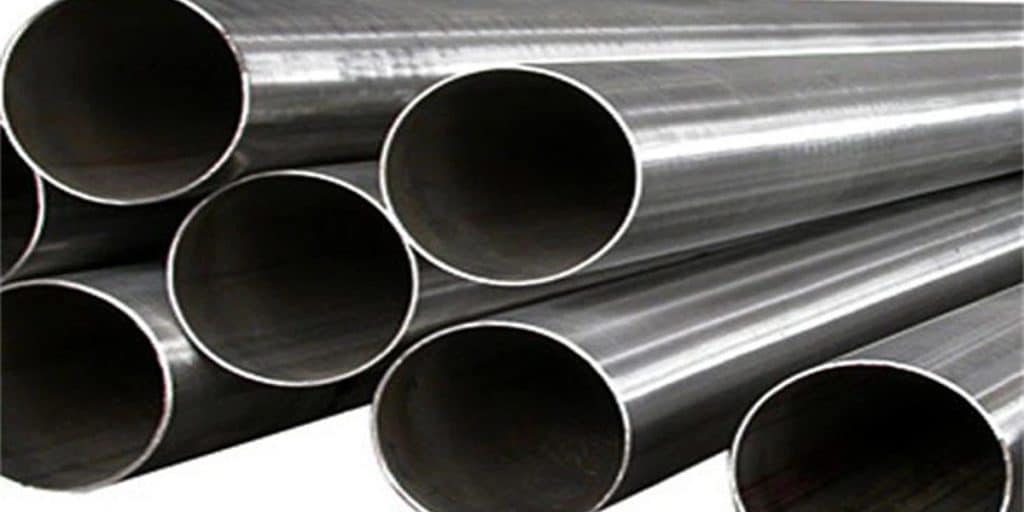
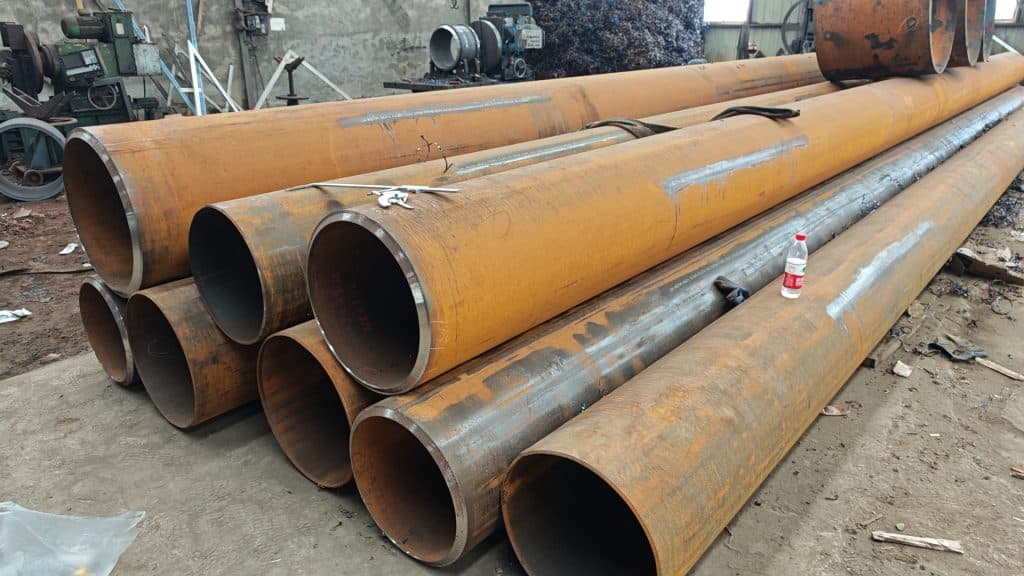
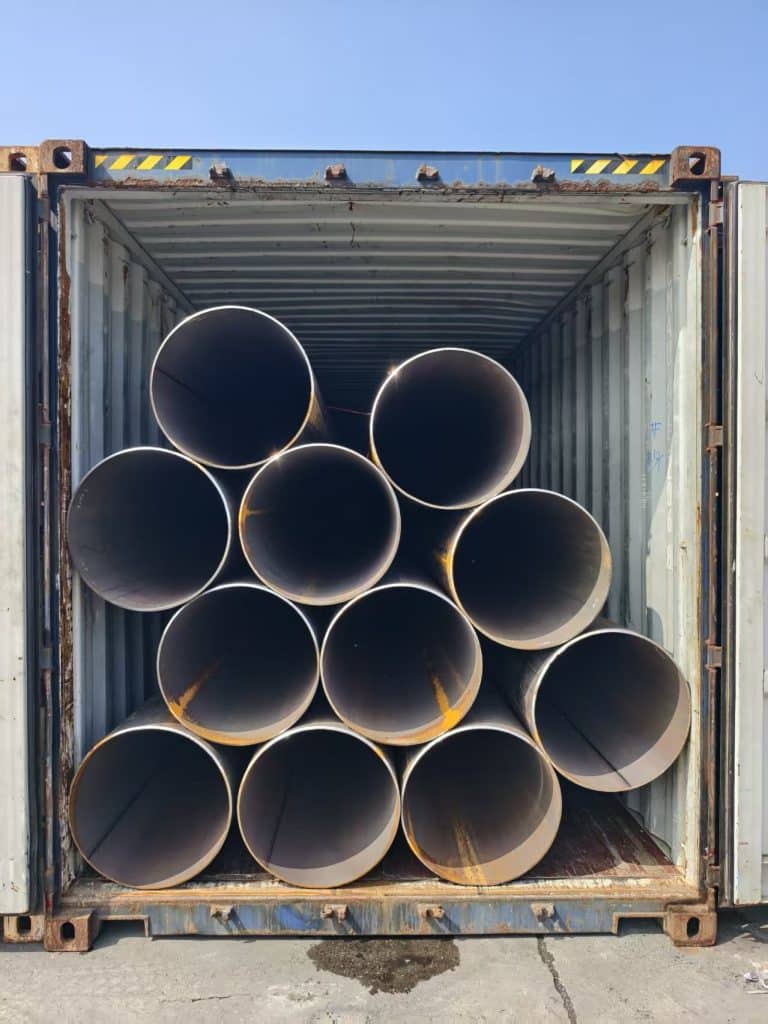
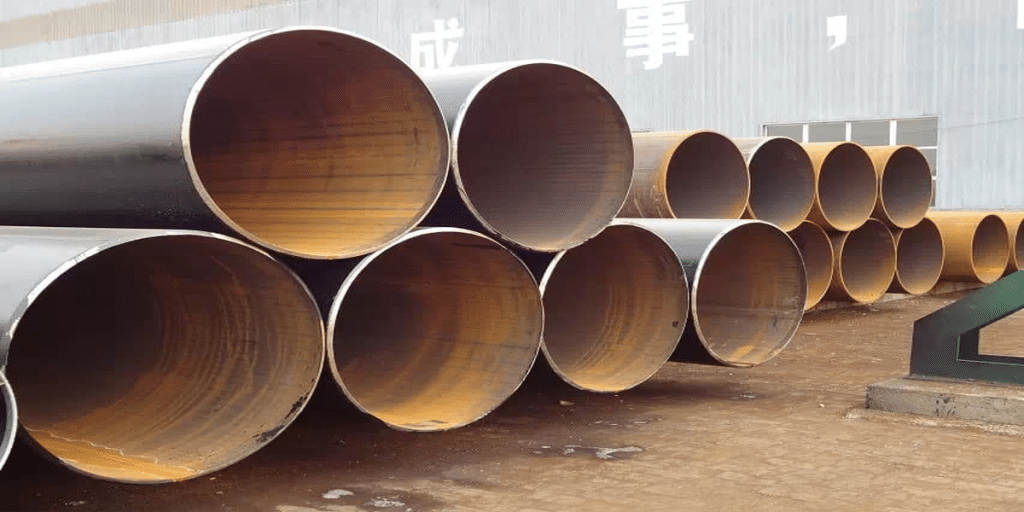
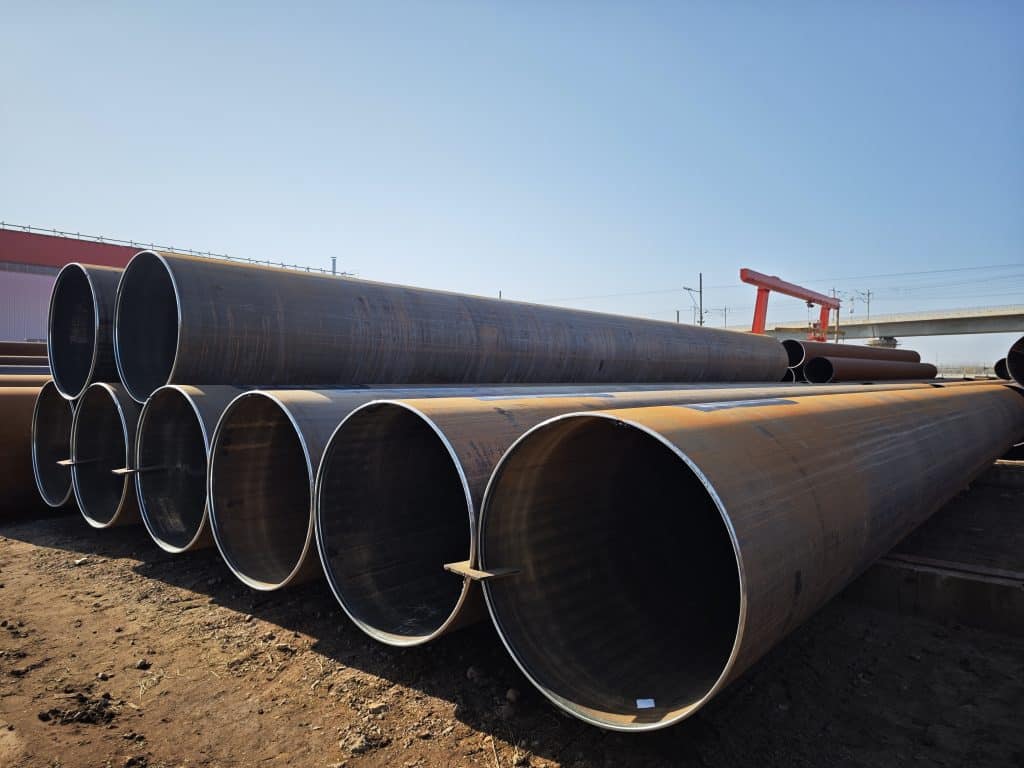
ERW/HFW production is widely used for welded line pipe where continuous forming and high-frequency welding suit the required diameter and wall thickness. LSAW uses longitudinal forming and submerged-arc welding and is commonly selected for large-diameter and/or heavy-wall project pipe. The two processes have overlapping applications, so selection should be based on the project specification rather than a universal diameter cut-off.
LONGMA focuses on round ERW and LSAW steel pipe. Seamless and spiral-welded pipe may be discussed in technical comparisons, but they are not presented as LONGMA’s manufacturing scope.
Inspection, Testing and Documentation
A reliable API 5L purchase is defined by both the steel and the evidence supplied with it. Depending on the order, inspection may include dimensional checks, visual examination, chemical analysis, tensile testing, hydrostatic testing and nondestructive examination appropriate to the manufacturing route. Additional impact, hardness, HIC, SSC or other tests should be specified when required by the project.
The purchase order should also define the required inspection document. EN 10204 Type 3.1 or Type 3.2 documentation may be requested by the purchaser, but the required certificate type should be agreed before production. If API Monogram product is contractually required, the buyer should also verify the manufacturer’s current license and the applicable product marking.
Coating and Corrosion Protection
API 5L defines the line pipe, not a universal external coating system. FBE, 3LPE, 3LPP and other qualified corrosion-protection systems are normally specified separately according to operating temperature, soil or marine exposure, cathodic protection, handling conditions and field-joint requirements. Coating standards and inspection criteria should therefore appear as separate items in the material requisition.
How to Write a Complete API 5L Grade B RFQ
| Item | Information to Specify |
| Standard | API Specification 5L and applicable edition |
| Grade | Grade B / L245 |
| PSL | PSL1 or PSL2 |
| Dimensions | OD, wall thickness, length and quantity |
| Manufacturing route | ERW/HFW or LSAW when purchasing from LONGMA |
| Service conditions | Medium, design pressure, temperature and relevant H2S/CO2 conditions |
| Ends and coating | Plain/beveled ends and required coating system |
| Testing | Hydrotest, NDT and supplementary tests where required |
| Documentation | MTC type, ITP, inspection records and third-party inspection requirements |
An inquiry such as “API 5L Grade B, 12-inch pipe” leaves too many technical variables undefined. A complete RFQ allows quotations from different suppliers to be compared on the same technical basis and reduces the risk of clarification delays after an order is placed.
Why Source API 5L Grade B Pipe from LONGMA?
LONGMA has manufactured round ERW and LSAW steel pipes since 2003. The company operates a production site covering approximately 230,000 square meters, with annual output exceeding 500,000 tons. Its published product portfolio includes API 5L PSL1 and PSL2 grades, including Grade B, X42, X46, X52, X56, X60, X65, X70 and X80.
For project orders, LONGMA can coordinate material traceability, inspection and test planning, MTC documentation, NDT records and coating requirements according to the agreed purchase specification. Send the required grade, PSL, OD, wall thickness, length, quantity, ERW or LSAW process, coating and inspection requirements to info@longma-group.com for technical review and quotation.
FAQ
- What is the minimum yield strength of API 5L Grade B?
API 5L Grade B / L245 has a specified minimum yield strength of 245 MPa and a specified minimum tensile strength of 415 MPa.
- Is API 5L Grade B the same as ASTM A106 Grade B?
No. API 5L is a line-pipe specification and permits seamless and qualified welded manufacturing routes. ASTM A106 covers seamless carbon steel pipe intended for high-temperature service. Similar grade names do not make the specifications interchangeable.
- Does Grade B have a fixed pressure rating?
No. Allowable pressure depends on the governing design code, outside diameter, wall thickness, specified strength, design factor, temperature and other project conditions.
- Is PSL2 automatically suitable for sour service?
No. Sour service can require additional qualification and testing based on the H2S-containing environment and project specification. PSL2 alone should not be treated as proof of sour-service suitability.
- Does LONGMA manufacture seamless API 5L Grade B pipe?
LONGMA’s manufacturing focus is round ERW and LSAW steel pipe. Buyers should specify the required welded manufacturing route in the inquiry.