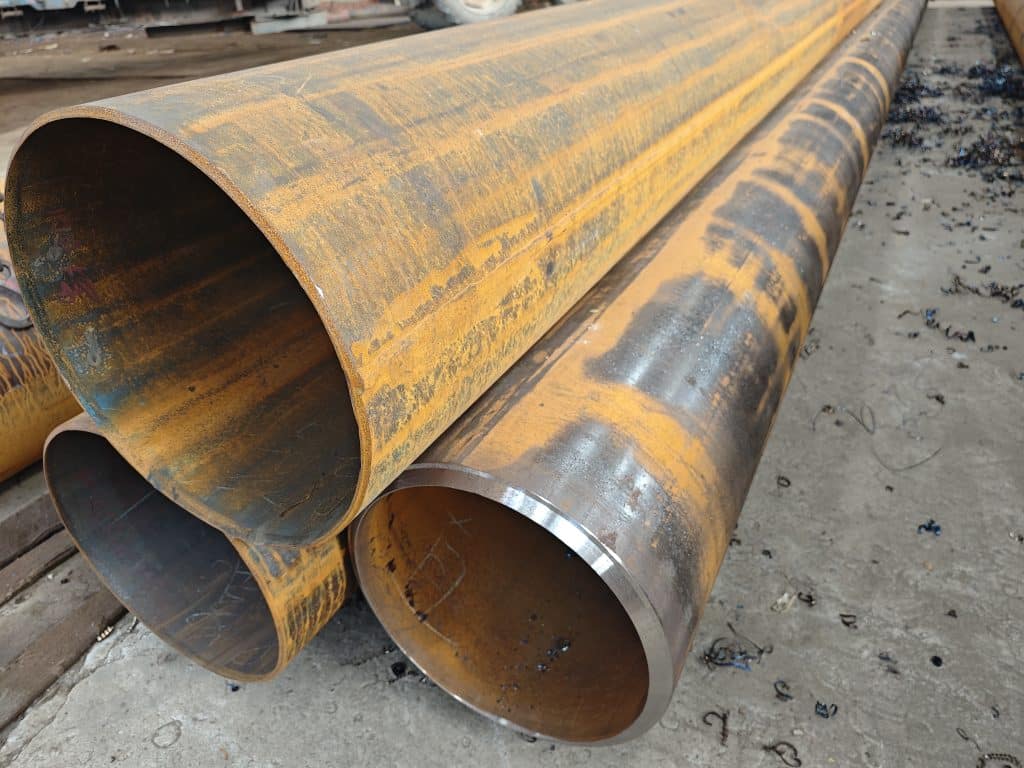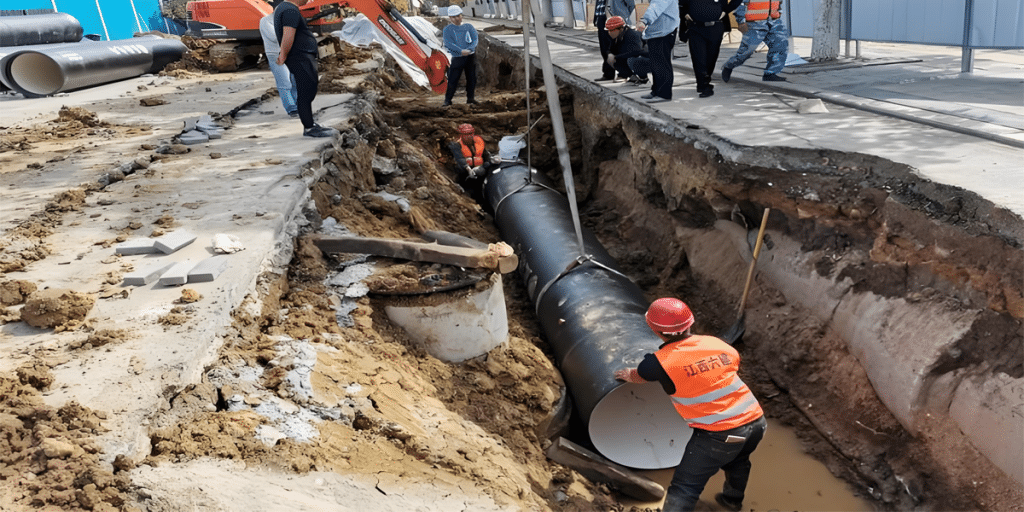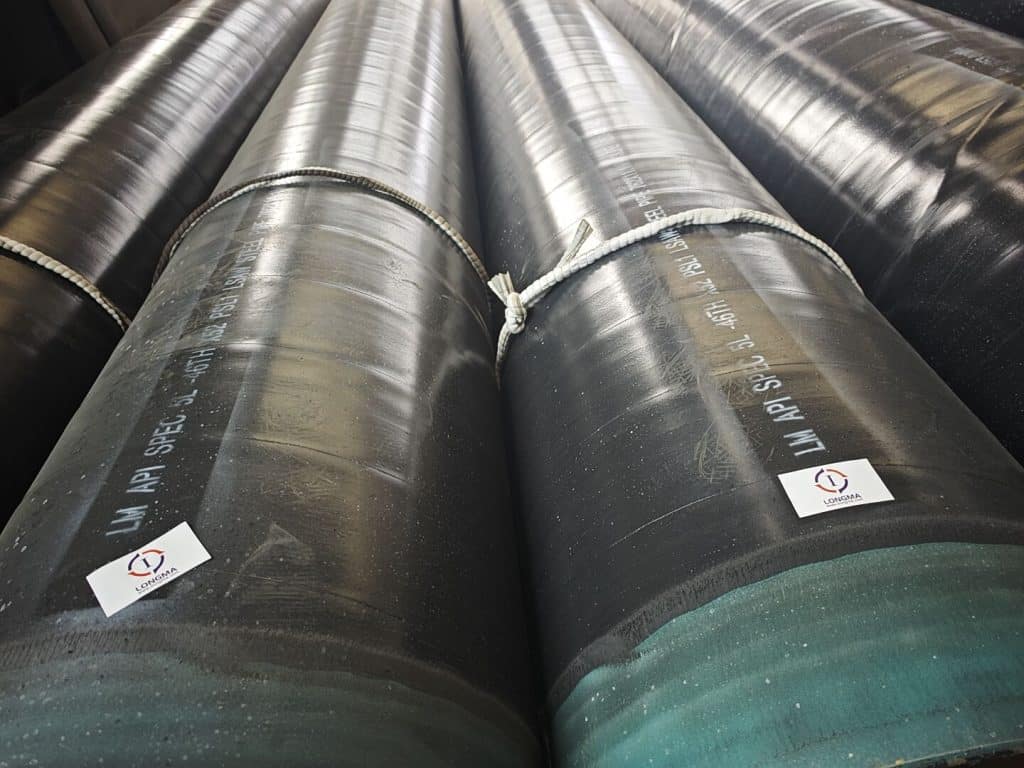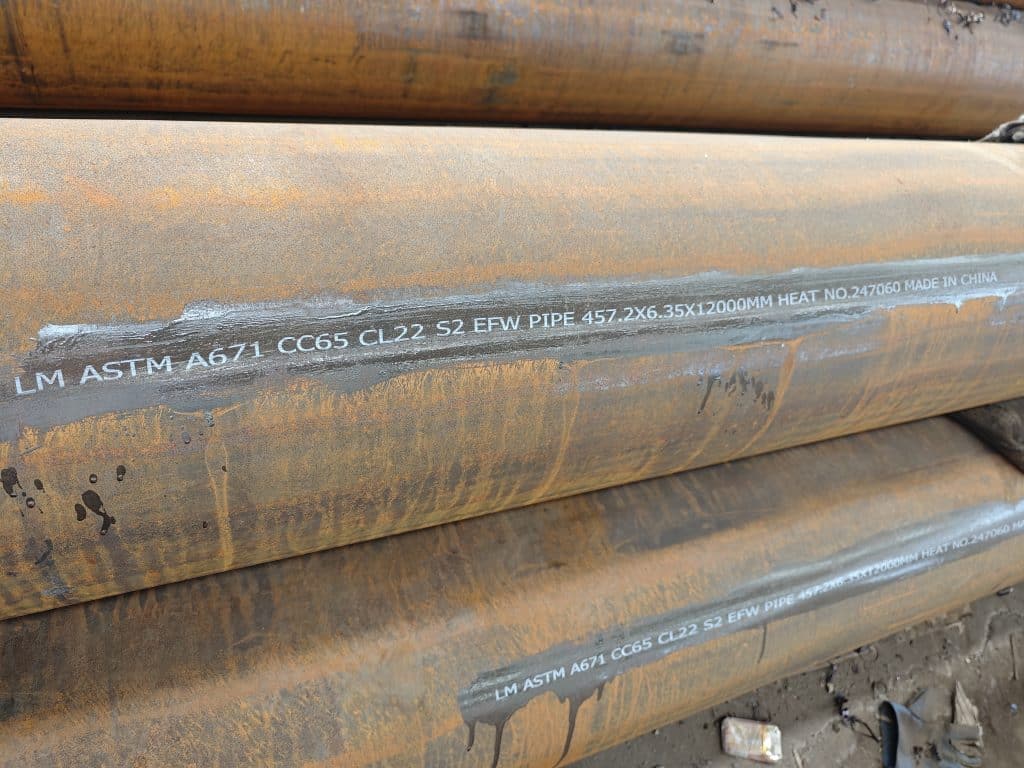
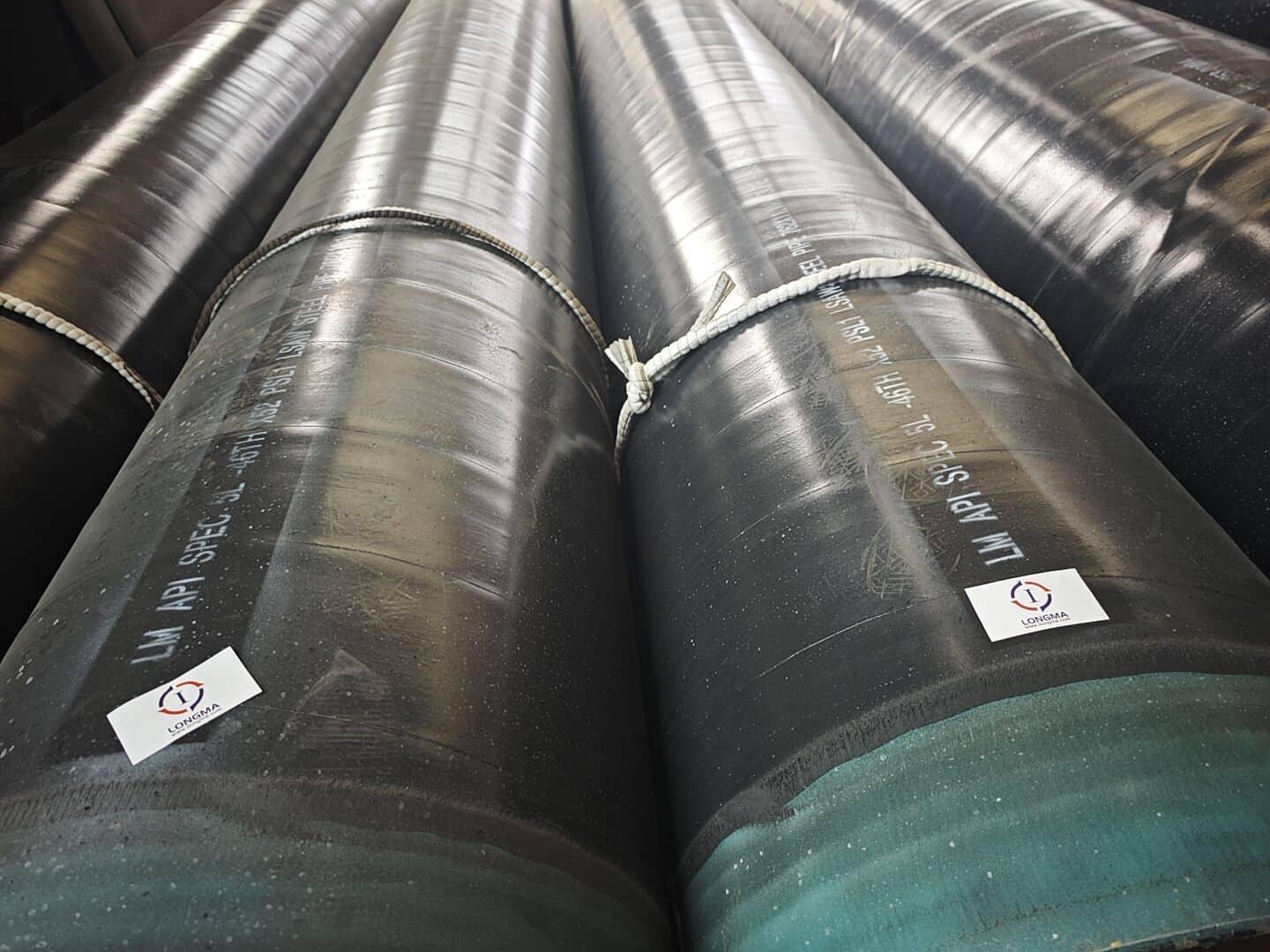
API 5L X52 is a line-pipe grade used in pipeline transportation systems. The X52 designation corresponds to a specified minimum yield strength of 52 ksi in the US customary designation; the related SI grade designation is L360. This strength level, combined with established welding and coating practices, makes X52 a common project option for oil, gas, and other pipeline services. It is not a complete purchase specification by itself: buyers must also define the product specification level, manufacturing route, dimensions, delivery condition, inspection, testing, coating, and documentation.
This guide explains the decisions that matter when sourcing API 5L X52 pipe. Requirements should always be checked against the edition and addenda named in the contract. API published a 47th Edition update notice in June 2026, so purchase orders should not rely on an article or an earlier mill certificate to determine the governing edition.
API 5L X52 Mechanical and Chemical Requirements
API 5L controls tensile properties, chemical composition, manufacturing, dimensions, inspection, testing, marking, and traceability. The grade name identifies the yield-strength level, but the detailed acceptance limits depend on whether the order is PSL1 or PSL2 and on the applicable product form and delivery condition. For that reason, a single generic table labelled “typical X52 chemistry” can be misleading.
| Specification item | Procurement meaning |
| Grade designation | X52 in US customary units and L360 in SI units identify the corresponding strength level. |
| Tensile properties | Verify the required yield strength, tensile strength, ratio limits where applicable, and elongation using the governing API 5L tables and test-piece rules. |
| Chemical composition | Limits vary with PSL, pipe type, grade, and delivery condition. Confirm the product analysis and any carbon-equivalent or Pcm requirement stated for the order. |
| Toughness | Impact testing is governed by the applicable PSL2 requirements and any project-specific test temperature, specimen size, or acceptance criteria. |
| Sour service | PSL2 alone does not establish sour-service suitability. The purchase specification must define the applicable ISO 15156 NACE MR0175 and project requirements. |
Elongation should not be presented as one fixed percentage for every size. API 5L determines required elongation through its specified rules, which account for the test specimen and mechanical properties. Likewise, weldability cannot be inferred from the grade name alone; the final welding procedure must consider chemistry, carbon equivalent, wall thickness, restraint, consumables, heat input, and service conditions.
PSL1 and PSL2
PSL1 and PSL2 are product specification levels, not informal quality labels. PSL2 introduces additional or tighter controls in areas such as chemistry, tensile properties, toughness, manufacturing, traceability, and inspection. The exact differences must be read from the applicable edition of API 5L and the purchase specification.
| Decision area | PSL1 | PSL2 |
| Project basis | Used when the design and purchase specification permit PSL1. | Specified when the project requires the additional PSL2 controls. |
| Chemistry and strength | Requirements apply under the PSL1 tables and conditions. | Additional or tighter limits apply under the PSL2 tables and conditions. |
| Toughness | Requirements depend on the order and applicable clauses. | Charpy testing and acceptance are addressed under PSL2, subject to size and test conditions. |
| Traceability and inspection | Must meet the applicable PSL1 provisions and purchase order. | More extensive traceability, testing, and inspection provisions apply. |
| Selection | Do not select on price alone. | Do not specify automatically; use the design code, service conditions, and project specification. |
A buyer should not state that PSL1 has no non-destructive testing or that PSL2 is mandatory for every high-pressure project. Inspection requirements depend on the manufacturing route, pipe features, PSL, dimensions, supplementary requirements, and contract. The responsible engineer and project specification determine the appropriate level.
Manufacturing Routes Dimensions and Coatings
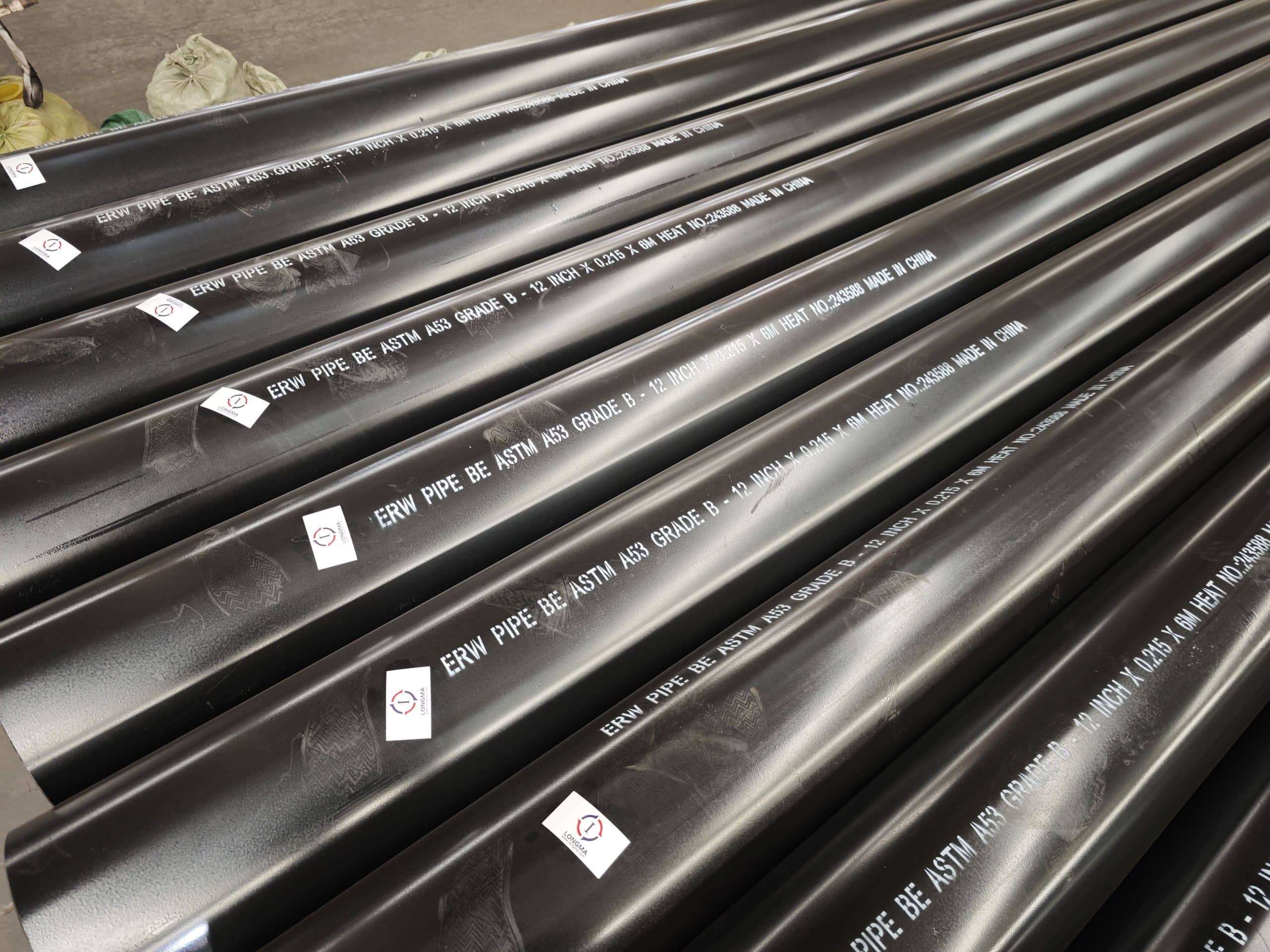
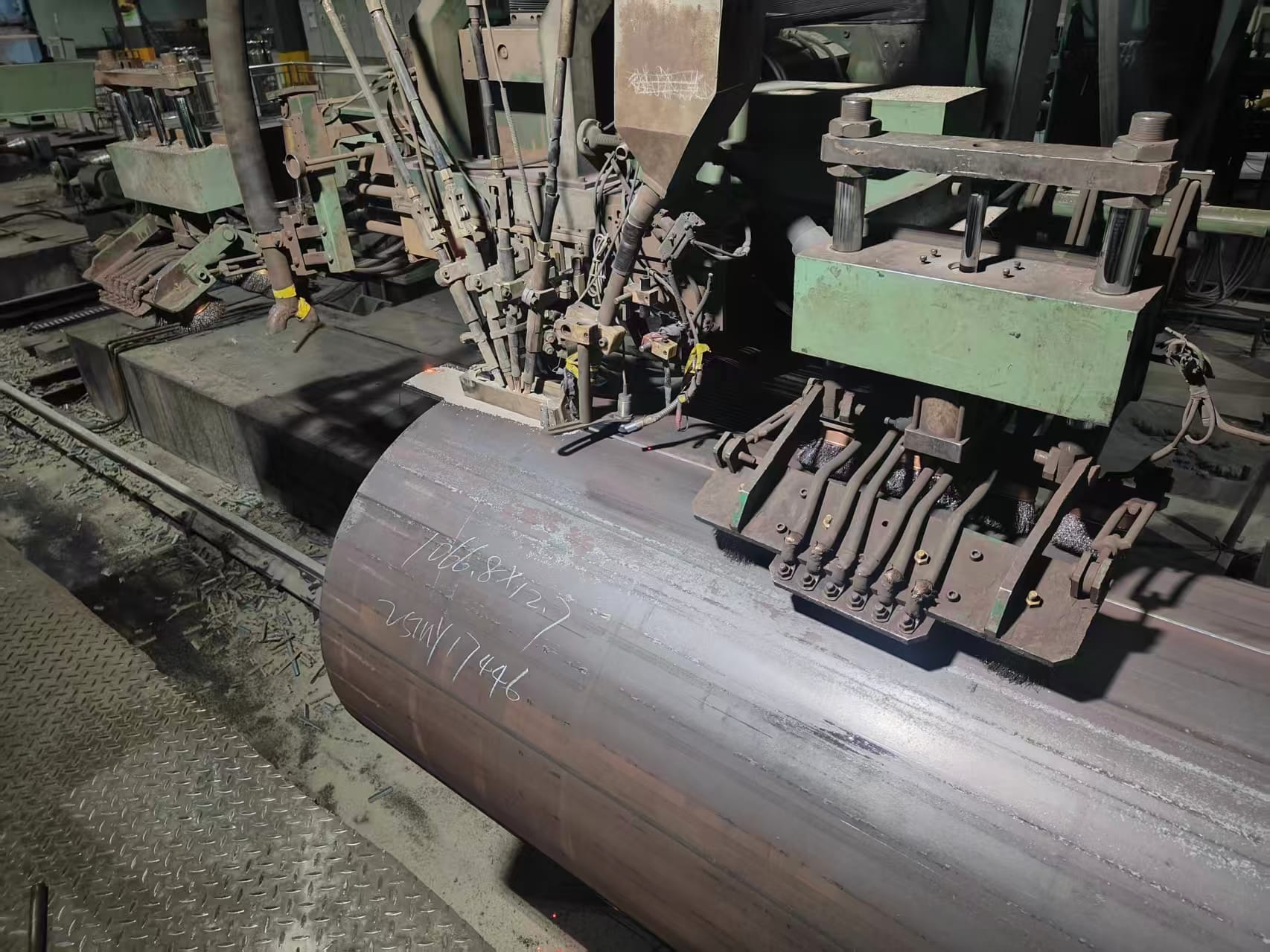
API 5L covers recognized seamless and welded manufacturing routes. LONGMA focuses on welded round steel pipe, including ERW and longitudinal submerged-arc-welded products. Listing other routes in a general explanation should not be interpreted as a statement that every manufacturer supplies each process.
Dimensions must be written directly into the purchase order. Nominal pipe size and schedule references can be useful for familiar configurations, but API 5L orders should identify outside diameter, specified wall thickness, length, end preparation, dimensional tolerances, and mass requirements as applicable. Design pressure, corrosion allowance, installation loads, external pressure, bending, and constructability all affect wall-thickness selection; the steel grade alone does not determine it.
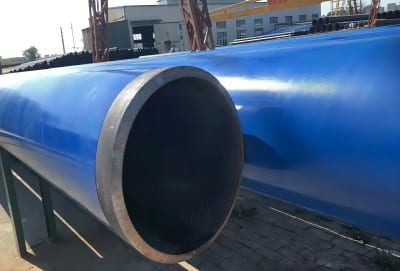
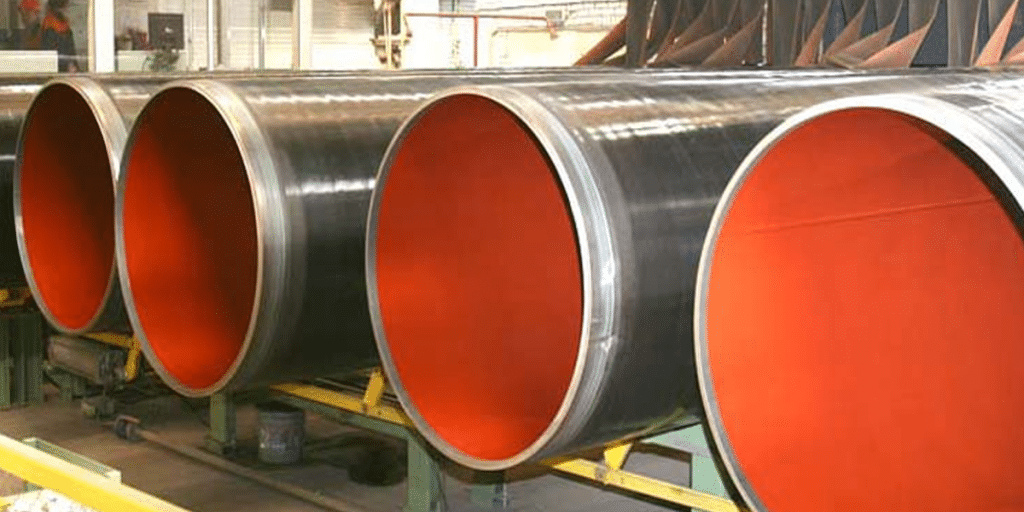
External coating is a separate engineering decision. FBE and three-layer polyethylene systems can be specified for compatible pipeline environments, while internal lining may be selected for flow, water quality, or corrosion-control needs. Coating qualification, surface preparation, holiday testing, repair criteria, and cathodic-protection compatibility should be defined by the relevant project standard.
Application Scope and Grade Selection
The central scope of API 5L is steel pipe for pipeline transportation systems in the petroleum and natural gas industries. X52 is commonly considered for onshore or offshore pipeline segments when its strength, toughness, weldability, dimensions, and delivery condition satisfy the design. It may also be ordered for other fluid-transmission projects when the governing design code and project specification permit API 5L material.
API 5L X52 should not be presented as a default material for boilers, pressure vessels, nuclear piping, structural piling, or building columns. Those applications are governed by their own design and material standards. If an engineer proposes X52 outside its principal line-pipe role, the material must be evaluated and approved under the governing project requirements rather than accepted because it has a familiar grade name.
Choosing between X52 and higher grades such as X60, X65, or X70 is a system-design decision. Higher yield strength can reduce required wall thickness in some designs, but it may also change welding, toughness, fracture-control, forming, availability, and inspection requirements. X52 is appropriate only when the complete design and procurement specification supports it.
Inspection Documentation and LONGMA Supply
A complete inquiry should state the governing API 5L edition, X52 or L360 designation, PSL, pipe manufacturing route, delivery condition, outside diameter, wall thickness, length, ends, coating, marking, inspection document, required supplementary tests, and third-party inspection hold points. For sour service, low-temperature service, offshore service, or other demanding conditions, the inquiry must include the project-specific technical requirements rather than the words “PSL2” alone.
- Review the mill test certificate against the purchase order, including heat identity, chemistry, tensile results, and any required toughness results.
- Confirm dimensional inspection, hydrostatic testing, and applicable non-destructive examination records for the ordered manufacturing route.
- Define whether an EN 10204 3.1 or 3.2 inspection document is required and identify the approving party for 3.2 documentation.
- Agree coating inspection, marking, packing, and third-party witness points before production.
LONGMA states on its official website that it has manufactured ERW, LSAW, and DSAW steel pipe since 2003. Its published line-pipe range includes Grade B and X42 through X80, and the company reports a 230,000 m² production site and annual output exceeding 500,000 tonnes by the end of 2022. Available dimensions, delivery condition, tests, coating, and delivery schedule remain subject to technical and production review for each order. For a project-specific quotation, contact enquiry@ilongma.com.
Frequently Asked Questions
What does X52 mean
X52 identifies the US customary grade designation associated with a specified minimum yield strength of 52 ksi. L360 is the corresponding SI designation used in API 5L. The full mechanical requirements still depend on PSL and the applicable product conditions.
Is PSL2 always better than PSL1
PSL2 has additional and tighter controls, but the correct choice is the level required by the design and purchase specification. Specifying PSL2 without defining service and supplementary requirements does not resolve sour-service, fracture-control, or coating decisions.
Can X52 be used offshore
It can be specified for offshore pipeline applications when the governing design, toughness, fracture-control, dimensional, inspection, welding, and corrosion-protection requirements are satisfied. The grade name alone is not evidence of offshore suitability.
Is X52 automatically compliant with ISO 15156 NACE MR0175
No. Sour-service material selection depends on the applicable part of ISO 15156, the metallurgical condition, hardness and manufacturing controls, and the defined H2S environment. These requirements must be stated and verified for the project.
What should a buyer send with an inquiry
Send the standard edition, grade, PSL, manufacturing route, delivery condition, dimensions, quantity, length, end finish, coating, inspection document, supplementary requirements, destination, and third-party inspection needs. This prevents a general quotation from being mistaken for a compliant technical offer.