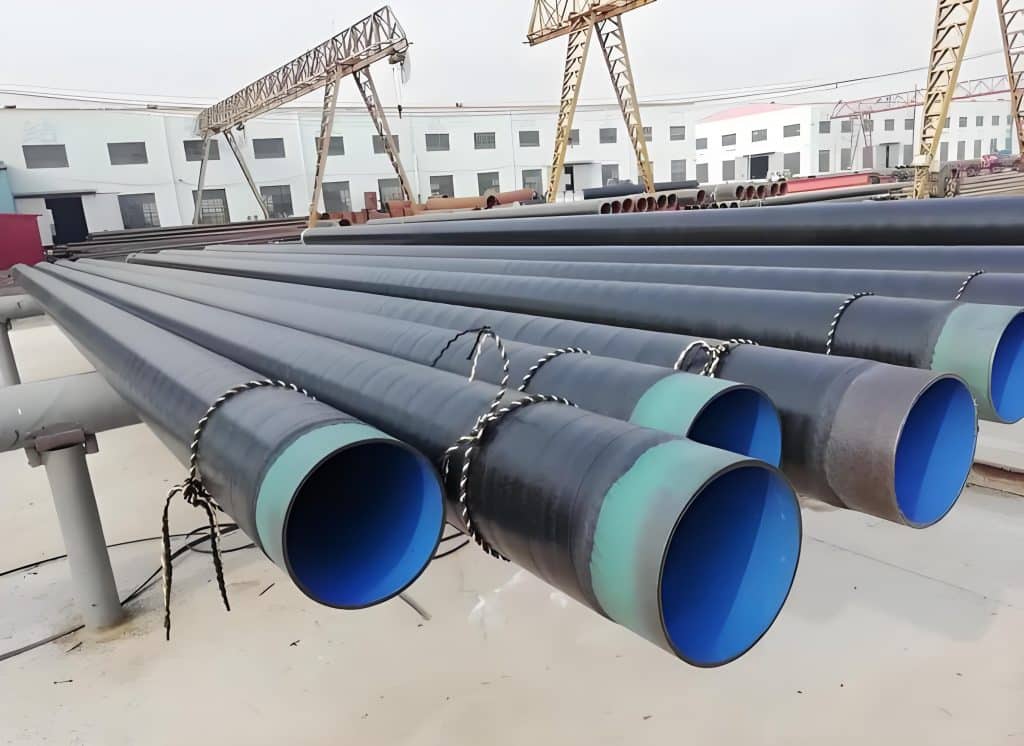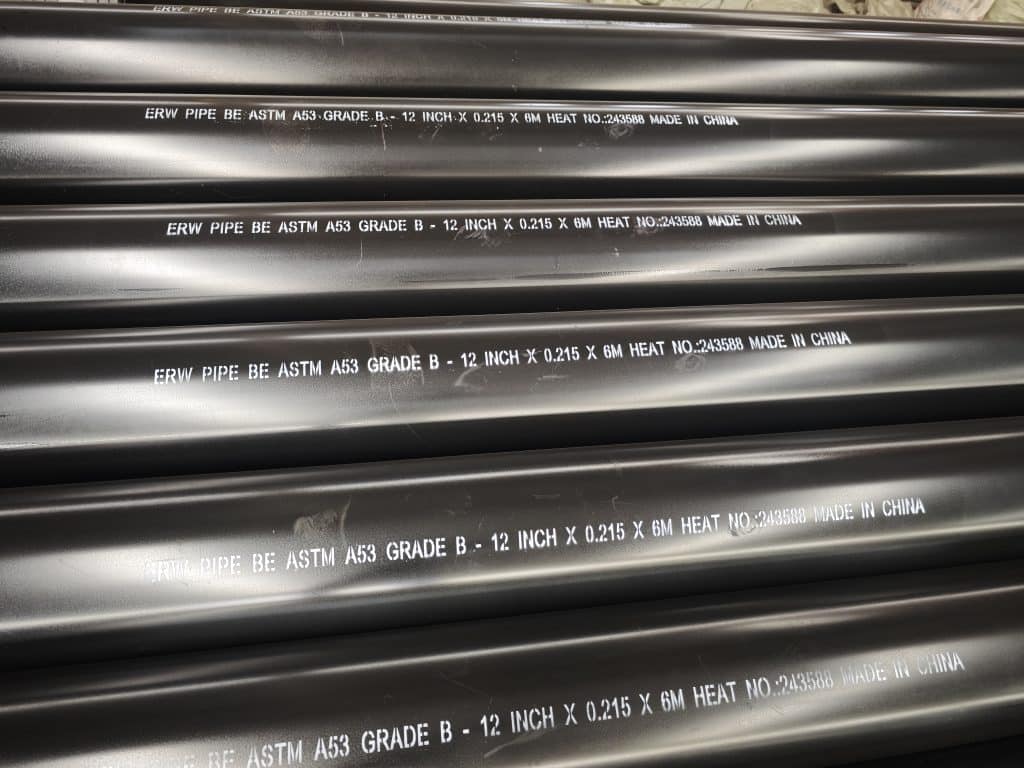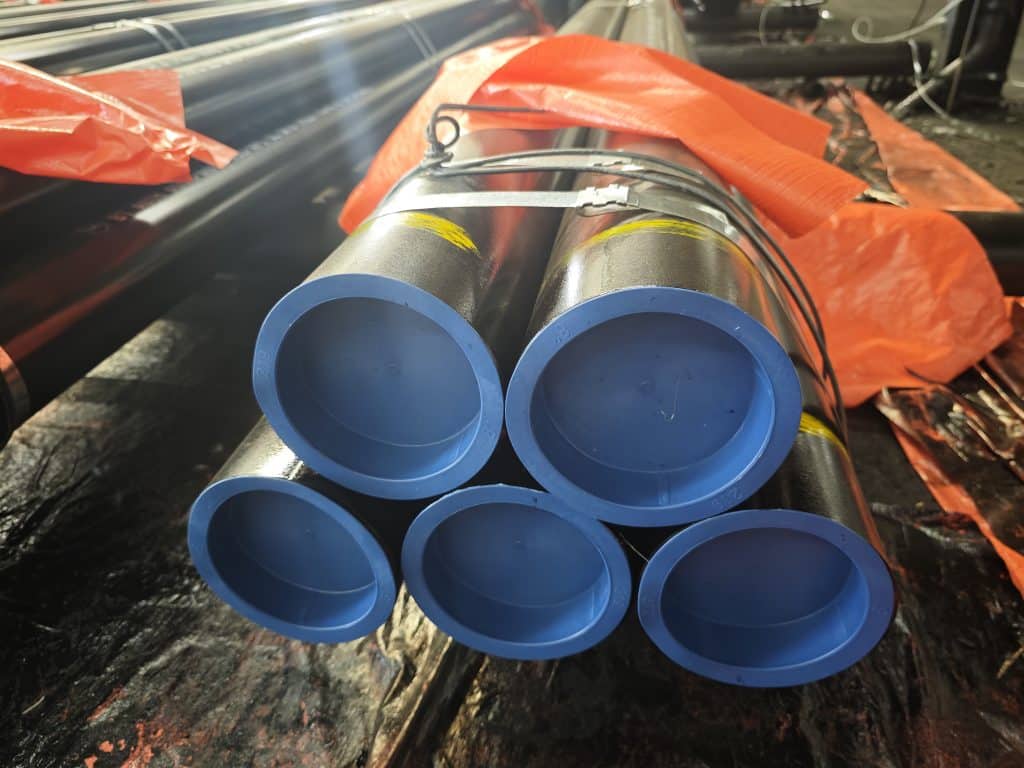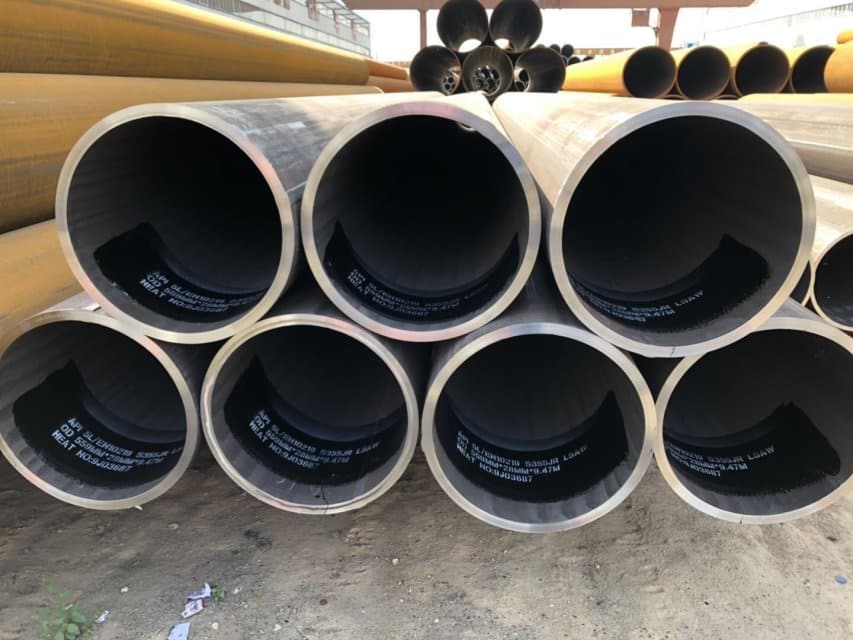
- 1. Which Pipe Wins on Strength for Long-Distance Lines?
- 2. How Diameter Range Decides ERW or LSAW
- 3. What Do ERW and LSAW Pipes Cost per Ton?
- 4. Which Pipe Handles High-Pressure Gas Transmission?
- 5. How to Choose ERW or LSAW for Your Pipeline
- 6. API 5L Specifications, Grades, PSL1, and PSL2
- 7. Quality Verification, Testing, and Documentation
- 8. Supplier Capability and Evaluation
- 9. Conclusion
- 10. FAQ
- 11. Request a Technical Quote or Compliance Checklist
Choosing between API 5L ERW pipe and LSAW pipe decides whether a cross-country pipeline stays on budget and on schedule. This guide breaks down manufacturing method, grade, dimension range, cost, and pressure rating, so your team can match the right pipe to each section of line — and know exactly which technical data to request before signing a purchase order.
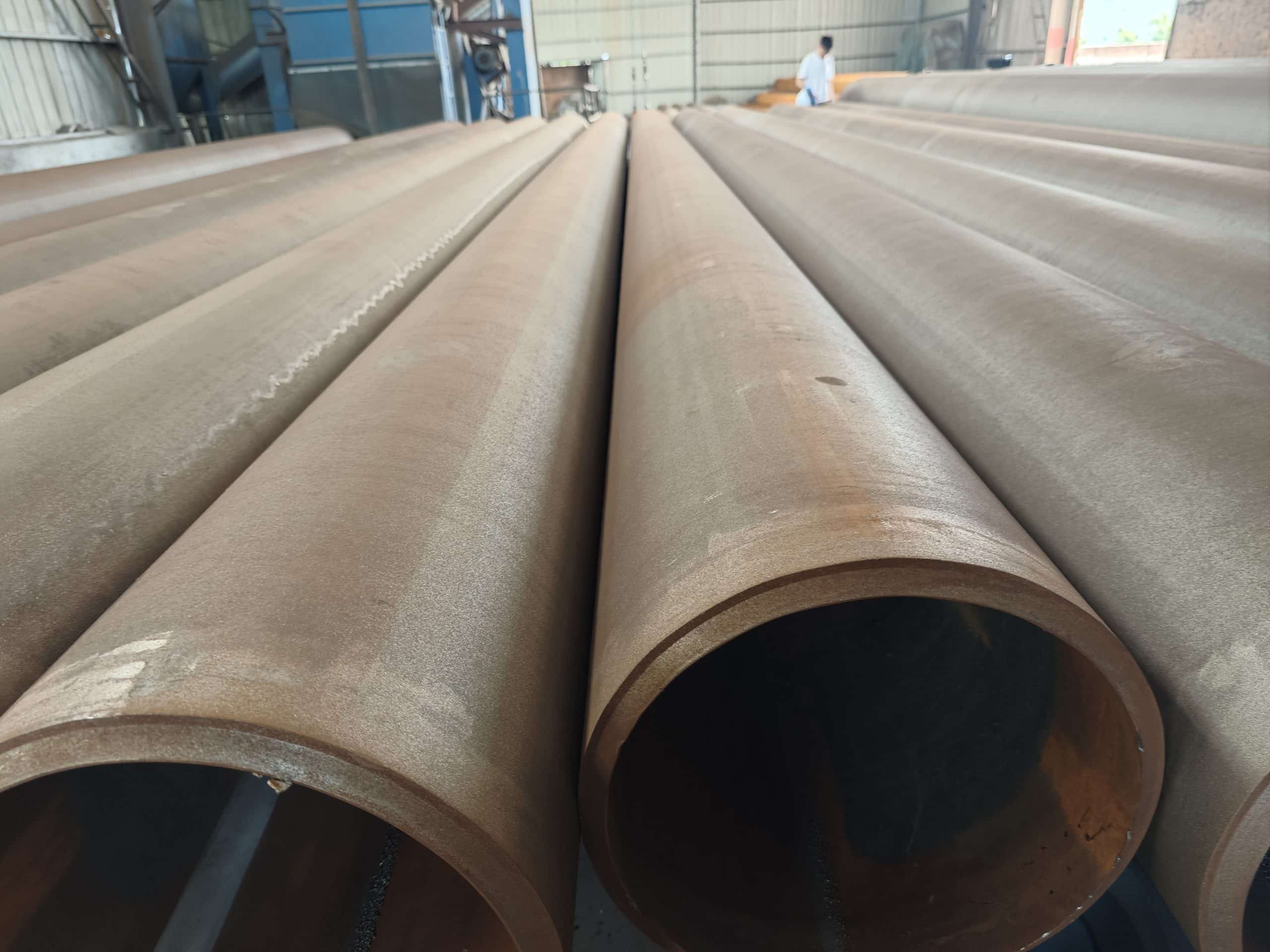
Which Pipe Wins on Strength for Long-Distance Lines?
Strength can’t be summed up in a single number. What it is made of, how thick the wall is, how well the weld is done, and how it is checked before it leaves the mill change the answer.
ERW vs LSAW Strength and Weld Integrity
Either method can meet the API 5L grade standards for yield strength and tensile strength. They are mostly set by the chemistry of the base steel, not the way it is welded. What really makes a difference is how often and where the area around the weld is checked for heat damage.
API 5L Grade B ERW Pipe vs X42 and X52
The grade you choose should not depend on what you want, but on the design pressure and service conditions. The table below shows how three popular grades compare to each other.
| Type | Grade | Relative Strength | Typical Selection Criteria | Check Points |
| Grade B | Entry-level | Moderate pressure | Gathering lines and general water service | Chemistry, tensile test, hydrotest, weld check |
| X42 | Mid-strength | Moderate design margin | Medium-pressure gas or liquid lines | NDT records, PSL level, toughness, traceability |
| X52 | High-strength | High-pressure transfer | Transmission where wall weight must stay low | Fracture toughness, weld qualification, project code |
It’s not a bad thing that Grade B API 5L ERW pipe is “weaker”; that’s how it’s supposed to be. When engineers move up to X42 or X52, they can slim down the walls without changing the pressure grade. So, it takes less time to weld in the field and less weight to move.
How Diameter Range Decides ERW or LSAW
Most of the time, diameter and wall thickness are more important than cost when deciding between API 5L ERW pipe and LSAW.
API 5L ERW Pipe Dimensions and Wall Thickness
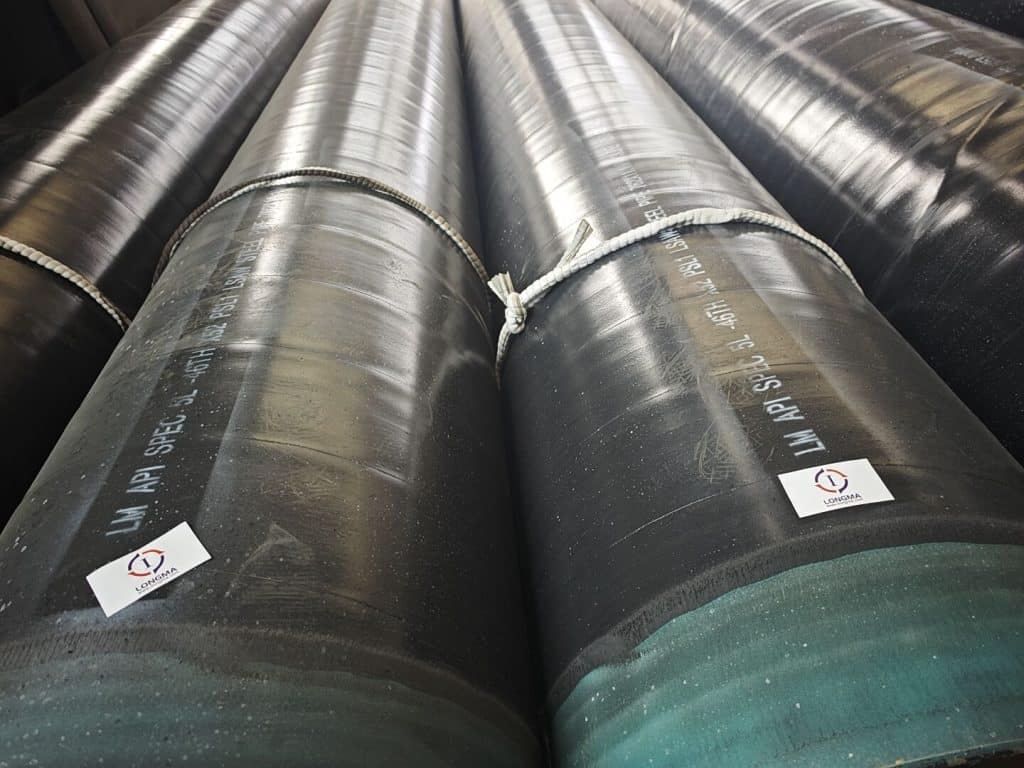
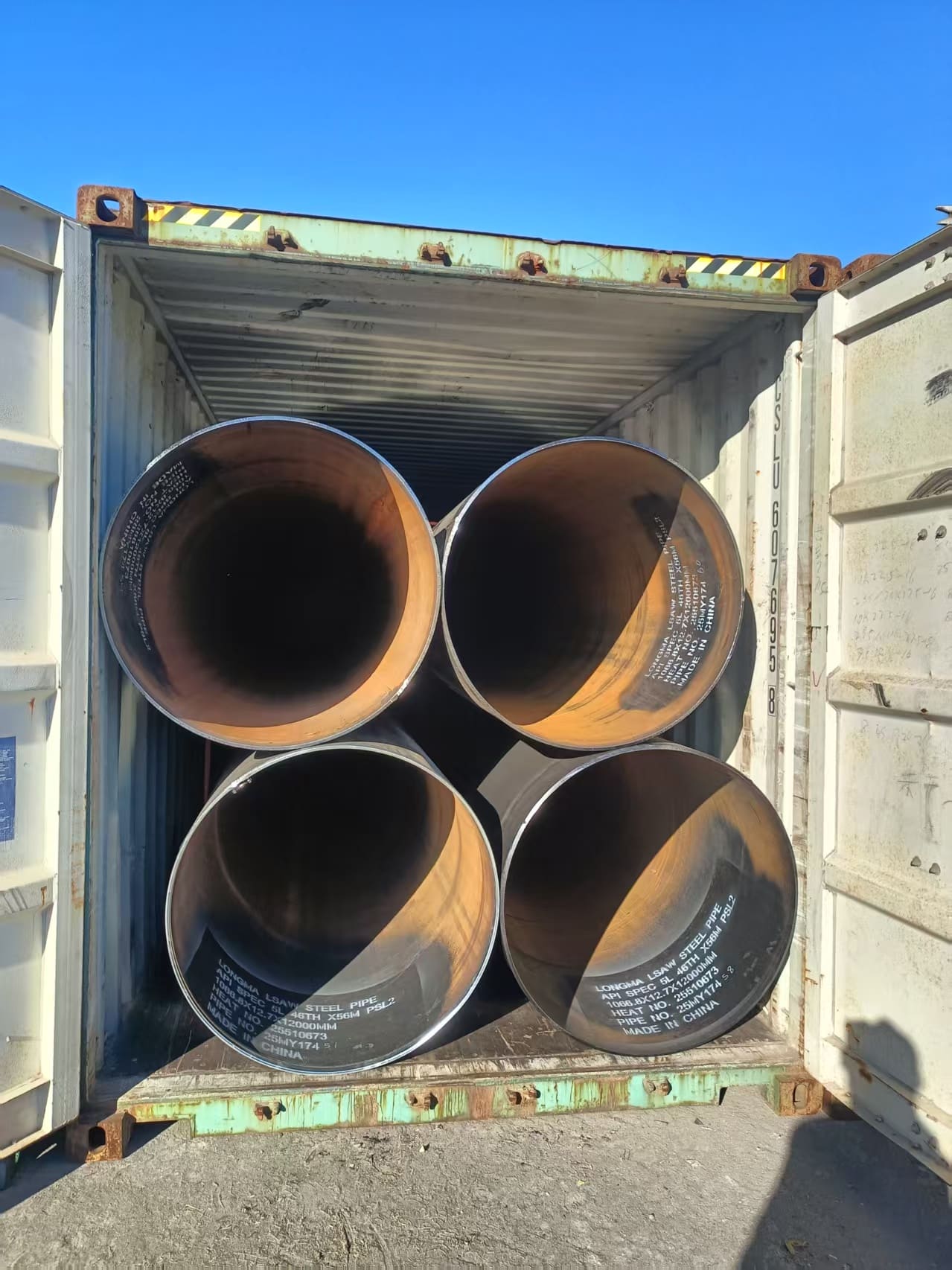
API 5L ERW pipe usually has outside diameters between 4 inches and 24 inches and walls that are between 4 mm and 25 mm thick, but mills can make pipes with different sizes. For ODs between 4″ and 24″, and wall thicknesses up to 25.4 mm, LONGMA’s ERW lines can handle them. Its LSAW lines can work with ODs ranging from 16″ to 72″ and wall thicknesses of up to 100 mm. If two different-sized pipelines are built together, they can be taken care of by the same service provider.
| OD | Nominal wall thickness | Grade | PSL | End type | Standard length |
| 12.75″ | 9.5 mm | X52 | PSL2 | Beveled end | 11.8–12.2 m |
| 20″ | 12.7 mm | X60 | PSL2 | Beveled end | 11.8–12.2 m |
| 24″ | 15.9 mm | X65 | PSL2 | Beveled end | 11.8–12.2 m |
Dimension Selection Checklist
Before choosing a diameter and wall thickness for API 5L ERW pipe, make sure your design team knows these:
- Design pressure and temperature determine the smallest wall that is safe for the whole line, even with intended pressure jumps during launching or pigging.
- The flow rate and permissible pressure drop inform you if you need a larger diameter to fulfil output targets without high pumping or compression expenditures.
- Code and corrosion allowance for pipelines: Set minimum design margins for wall thickness and grade using ASME B31.4, B31.8, or a national variant.
Changing pipe specifications mid-project after steel is rolled is typical and costly. Avoid this by ensuring these three things early on.
What Do ERW and LSAW Pipes Cost per Ton?
The price per ton is the first thing people look at when they want to buy something, but it doesn’t tell the whole story.
API 5L ERW Pipe Price Per Ton
The price of API 5L ERW pipe changes with the price of coils. Other factors that affect the price are the grade and PSL level, the outside diameter and wall thickness, the order quantity, the testing scope, and the coating requirements. For example, an order of PSL2, X52, 3LPE coating will always cost more per ton than an order of PSL1 Grade B alone. This is because it takes longer to control the chemistry, do impact tests, and coat the pipes.
| Cost component | Required information |
| Base pipe price | Grade, PSL, OD, wall thickness |
| Testing | Impact, ultrasound, hydrostatic, and weld inspection |
| Finishing | Cutting, beveling, threading, coating, end protection |
| Documentation | Mill test certificate, traceability records, inspection release note |
| Logistics | Quantity, port, packing, Incoterms, delivery schedule |
Procurement Terms to Clarify
To make sure you understand an order, write it down:
- Minimum order quantity and lead time: When getting pipes quickly is important to a project’s schedule, this is important to know. LONGMA’s stock sizes can ship in as little as 7 days, common sizes in about 30 days, and custom specifications in about 45 days.
- Payment terms and Incoterms: Find out if the deal is based on a letter of credit, FOB, CFR, or CIF. Each one changes the buyer’s and seller’s risk and cost in a different way.
- Warranty and non-conformance handling: Find out how the mill keeps track of and fixes any batch that fails inspection, and ask if you can order replacement stock without having to start the whole lead time over.
These rules keep everyone safe and make it less likely that a dispute will happen while a shipment is at port.
Which Pipe Handles High-Pressure Gas Transmission?
Pressure ratings are among the topics LONGMA discusses most often with EPC quality managers.
How to Determine API 5L ERW Pipe Pressure Rating
There is no one pressure number that goes with a single grade for API 5L ERW pipe. Pressure capacity is based on the outside diameter, wall thickness, minimum yield strength, a design factor set by the pipeline code, a weld joint factor, operating temperature, corrosion allowance, and the location class under the relevant design code. For example, ASME B31.8 uses a design factor as low as 0.4 in areas with a lot of people and as high as 0.72 in areas with less people and lower risk along the same line.
Gas, Oil, Water, and Process-Service Applications
There are a lot of pipes to choose from, as you can see in the table below.
| Use | Important Needs | Common Selection Considerations |
| Natural gas pipeline | Fracture control, toughness, weld integrity | Higher grade, PSL2, full NDT, strict code compliance |
| Crude oil pipeline | Strength, corrosion protection, coating | Grade match for pressure, external coating, corrosion allowance |
| Water transmission | Hydraulic performance, corrosion protection | Larger diameter, internal lining, external coating |
| Process piping | Temperature, chemistry, fabrication fit | Material specs matched to the governing plant code |
How to Choose ERW or LSAW for Your Pipeline
The last thing to do for API 5L ERW pipe is to make sure that everything fits your project now that you know about build, power, size, cost, and pressure.
ERW or LSAW Decision Matrix
| Project criterion | Prefer ERW when… | Prefer LSAW when… |
| Diameter | Small to medium range (up to ~24″) is enough | Large diameter above 24″ is required |
| Wall thickness | Moderate wall thickness meets the design | Heavy wall above ~25 mm is specified |
| Budget | Cost per ton is the deciding factor | Performance at large size justifies higher cost |
| Schedule | Standard stock sizes are available now | Large custom sizes need planned lead time |
| Pressure and loads | Design conditions are moderate | High loads or demanding transmission service apply |
Risk and Pitfall Checklist
One last thing, here is a small list of mistakes that people often make:
- Wrong PSL selection happens when a buyer assumes PSL1 is “good enough” for a project that needs PSL2’s toughness and tracking. This results in the material being rejected at the receiving inspection.
- Missing heat-number records: If a supplier can’t connect a finished pipe back to the coil or plate that it came from, traceability is lost. This is something that auditors on national oil company projects will flag immediately.
- Unverified pressure assumptions: When a buyer takes a pressure number from a general catalog without doing the design calculation for their specific line class and location, they are making assumptions that have not been checked.
Avoiding these three mistakes settles most technical disagreements LONGMA sees during pre-shipment inspection.
API 5L Specifications, Grades, PSL1, and PSL2
If you want to buy API 5L line pipe, the most important things to look at are the grade and PSL level.
API 5L Grade and Product Specification Requirements
For API 5L ERW pipe from API 5L Grade B to X80, it tells you the minimum yield strength, tensile strength, chemical composition limits, elongation, and sometimes toughness. Controlling the carbon equivalent is a very important part of field welding. A lower carbon equivalent value usually means easier, more forgiving welds on site.
PSL1 Versus PSL2
There are two kinds of product standards in API 5L. They are called PSL1 and PSL2. Almost every test done on the mill floor is different because of them.
| Requirement | PSL1 | PSL2 |
| Quality controls | Standard product requirements | More stringent controls on process and testing |
| Chemistry | Basic composition limits | Tighter limits plus added control elements |
| Mechanical testing | Standard tensile and hydrotest | Added impact toughness testing |
| NDT and traceability | As specified in the order | Typically wider NDT coverage and fuller traceability |
| Typical use | Lower-pressure, less critical lines | High-pressure, critical, or audited projects |
The purchase specification and the most recent version of API 5L should always be used because needs change over time.
Quality Verification, Testing, and Documentation
People who don’t have the right paperwork don’t get pipes that pass a project audit. Those pipes get held up at the port.
Inspection and Test Plan for API 5L ERW Pipe
Part of a full test plan for API 5L ERW pipe is usually checking the mechanical properties, marking, and checking the weld seam’s appearance and size. Other tests include ultrasonic and hydrostatic, final dimension review, end preparation, and heat and coil traceability.
Mill Test Certificate and Traceability
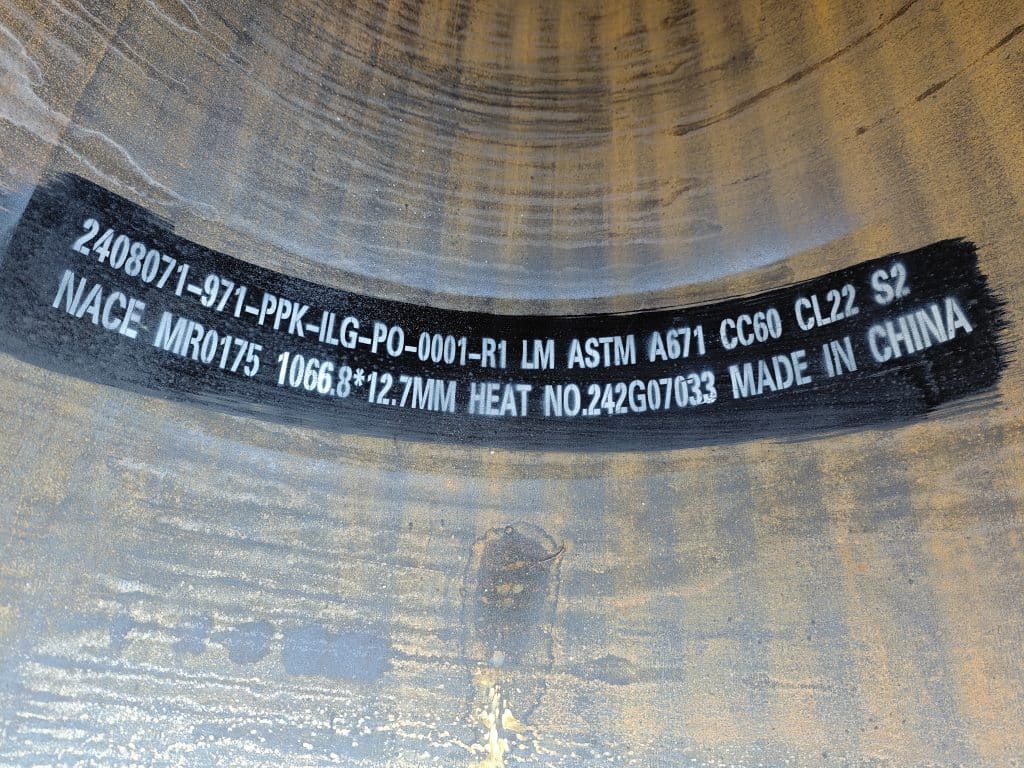
In addition to the mill’s API 5L certificate, projects should also ask for an EN 10204 3.1 or 3.2 certificate, records of heat and coil tracking, chemical and mechanical test results, hydraulic and NDT reports, coating inspection reports, and a packing list with a certificate of origin. LONGMA keeps track of each pipe by its heating number, batch number, and product number. This way, if any material is flagged, it can be traced back to its exact production run it came from.
EU and US Compliance Notes
If the project is in the EU, check to see if the Pressure Equipment Directive or a different set of rules in the country cover the pipeline. There are 49 CFR Parts 192 and 195 that cover most gas and liquid pipes in the US. These are run by PHMSA. As a quality system, ISO 9001 helps build trust, but it doesn’t replace API 5L compliance at the product level. These two certifications are for different things.
Supplier Capability and Evaluation
Being able to get the same quality from the supplier every time is vital regardless of how good the standard is.
How to Evaluate an API 5L ERW Pipe Supplier
When sourcing API 5L ERW pipe, check for a valid API 5L license, a documented quality-management system, a mill that can make the sizes you need, one that can test products in-house or in an approved lab, heat traceability practices, experience with export packaging, and a clear history of how the supplier handles non-conformities when they happen.
Supplier Comparison Checklist
Use this short list to make sure that all quotes from different mills are the same:
| Evaluation area | Evidence to request |
| Product compliance | API 5L Certificate, License, and Product Datasheet |
| Quality system | ISO 9001 license and audit scope |
| Testing | Reports on sample hydrostatic, ultrasonic, mechanical, and chemical tests |
| Traceability | Heat-number records and marking photographs |
| Capacity | Number of machines, production range, and monthly output |
| Delivery | Production schedule, stock levels, and export references |
| Commercial terms | MOQ, lead time, Incoterms, and payment terms |
| After-sales control | Warranty, claims process, and replacement policy |
Conclusion
This API 5L ERW pipe works well for medium-sized pipelines where cost, speed of delivery, and uniform weld quality are most important. When the hole size, wall thickness, or design pressure are too high for coil-fed ERW lines to handle, LSAW pipe is used. Since neither process is perfect, you shouldn’t just look at the price per ton. You should also look at the design code, grade, PSL level, pressure calculation, corrosion conditions, and the supplier’s past test records. Keep these lists next to your RFQ when you need to send it out.
FAQ
What is API 5L ERW pipe?
API 5L ERW pipe is line pipe made when you use electric resistance welding to join steel rolls or strips along a single seam. Here are the grade, PSL level, dimensional tolerance, mechanical, testing, and marking rules for this type of line pipe that come from API Specification 5L.
Is ERW pipe suitable for oil and gas pipelines?
Yes. API 5L ERW pipe can be used in oil and gas pipelines as long as the project calls for the right grade, PSL level, wall thickness, weld checking, hydrostatic testing, and coating. The governing pipeline code and the real service conditions are what decide if something is suitable in the end.
What is the difference between API 5L ERW and LSAW pipe?
Electric resistance heat is used to join coils or strips of API 5L ERW pipe together. LSAW pipe is made from steel plates that are joined together on both sides with submerged arc welding. Both ERW and LSAW are good for pipes of different sizes. LSAW is better for pipes with thicker walls.
Is API 5L Grade B stronger than X42?
No. A grade X42 has a higher specified minimum yield strength than a Grade B. The right grade is still picked based on the design pressure, temperature, toughness needs, welding method, and pipeline code, not just strength.
Request a Technical Quote or Compliance Checklist
Email LONGMA with the grade, PSL level, outside diameter, wall thickness, length, end type, coating, order number, destination port, and inspection scope you need. LONGMA will get back to you with a written quote for API 5L ERW pipes that works for your project. This is true whether you need a manufacturer for a single test order or a long-term framework supplier for a pipeline program that spans several years. Before the due date for your next project, LONGMA’s engineers can confirm test data, lead time, and prices. Feel free to email info@ilongma.com with your fluid data.