- 1. Why Is Steel Pipe Selection Critical for Oil Pipeline Construction?
- 2. Case Study 1: ERW Steel Pipes for an Oilfield Gathering Pipeline
- 3. Case Study 2: LSAW Steel Pipes for a Large-Diameter Crude Oil Trunk Pipeline
- 4. ERW vs. LSAW Steel Pipe for Oil Pipeline Projects
- 5. How LONGMA’s Internal Laboratory Minimizes Procurement Risks
- 6. Purpose
- 7. Inspection Procedure
- 8. From Order Review to Delivery: How LONGMA Ensures Complete Product Traceability
- 9. Comprehensive Technical Review Before Production
- 10. Why Choose LONGMA as Your Oil Pipeline Steel Pipe Supplier?
- 11. Selecting the Right Standard Matters
- 12. Conclusion
Oil pipeline projects often extend across dozens or even hundreds of kilometers, passing through deserts, mountainous regions, saline soils, high groundwater areas, and environments with extreme temperature variations. Any failure in steel pipe selection, weld integrity, or corrosion protection can lead to costly maintenance, production shutdowns, and environmental risks that far exceed the initial procurement cost.
Therefore, EPC contractors, pipeline owners, and engineering companies are no longer looking for simply low-priced oil pipeline steel pipes. Instead, they seek reliable manufacturers capable of delivering consistent quality in materials, manufacturing, inspection, documentation, and complete product traceability throughout the project lifecycle.
With over 20 years of experience in welded steel pipe manufacturing, LONGMA specializes in producing round ERW steel pipes and LSAW steel pipes. Manufactured in accordance with internationally recognized standards such as API, ISO, and ASTM, LONGMA provides dependable pipeline solutions for crude oil transmission, refined petroleum pipelines, oilfield gathering systems, storage terminal facilities, and other oil & gas infrastructure projects worldwide.
Why Is Steel Pipe Selection Critical for Oil Pipeline Construction?
Unlike ordinary industrial pipelines, oil transmission systems operate continuously under high pressure while transporting flammable and potentially hazardous media. Steel pipes must withstand not only internal operating pressure but also external loads caused by soil movement, temperature fluctuations, corrosion, pipeline settlement, construction stresses, and field girth welding.
The latest API Specification 5L (47th Edition), released in 2026, establishes comprehensive requirements covering:
- Raw material selection
- Manufacturing processes
- Mechanical properties
- Chemical composition
- Inspection and testing
- Product marking
- Quality documentation
- Full traceability
Similarly, ISO 3183:2019 specifies manufacturing requirements for PSL1 and PSL2 line pipes used in petroleum and natural gas transportation systems.
For project owners and procurement engineers, several practical questions must be answered before placing an order:
- Should the project use ERW or LSAW steel pipe?
- Is PSL1 sufficient, or is PSL2 required?
- Are Charpy impact tests mandatory?
- Is 100% nondestructive testing necessary?
- Should external anti-corrosion coatings be specified?
- What inspection documents should accompany the shipment?
The answers depend on multiple engineering factors, including operating pressure, pipeline diameter, transportation medium, service temperature, environmental conditions, applicable regulations, and project specifications.
Case Study 1: ERW Steel Pipes for an Oilfield Gathering Pipeline
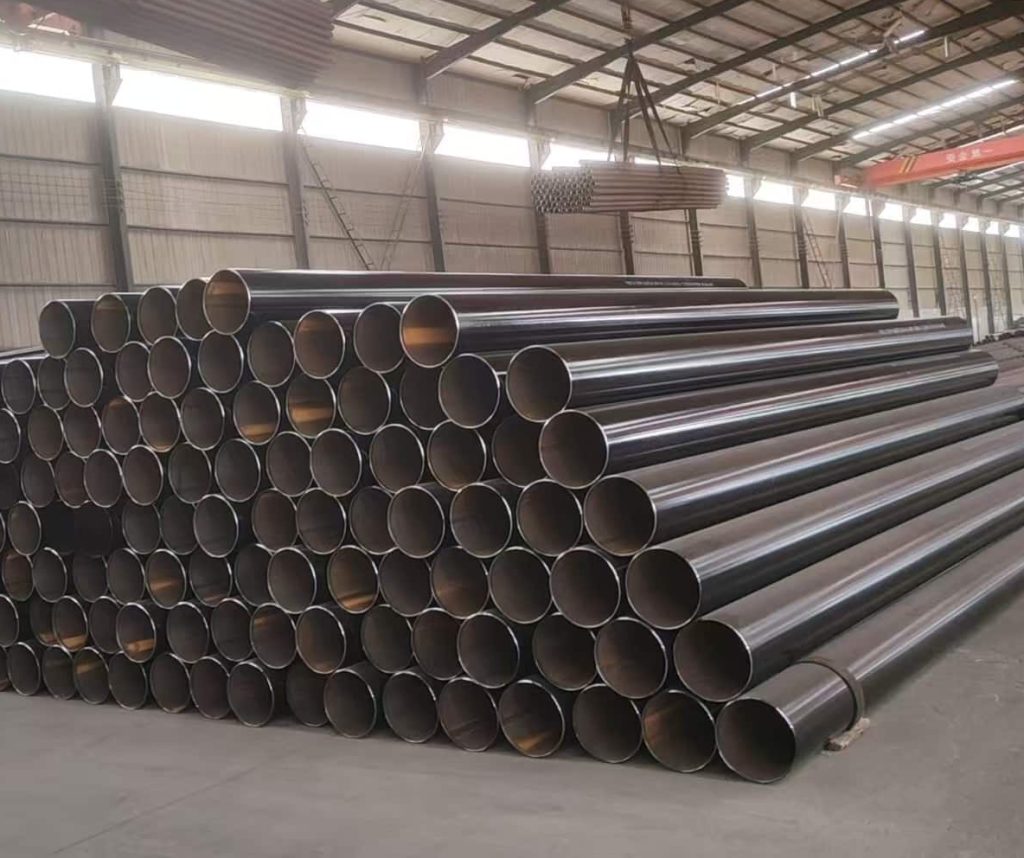
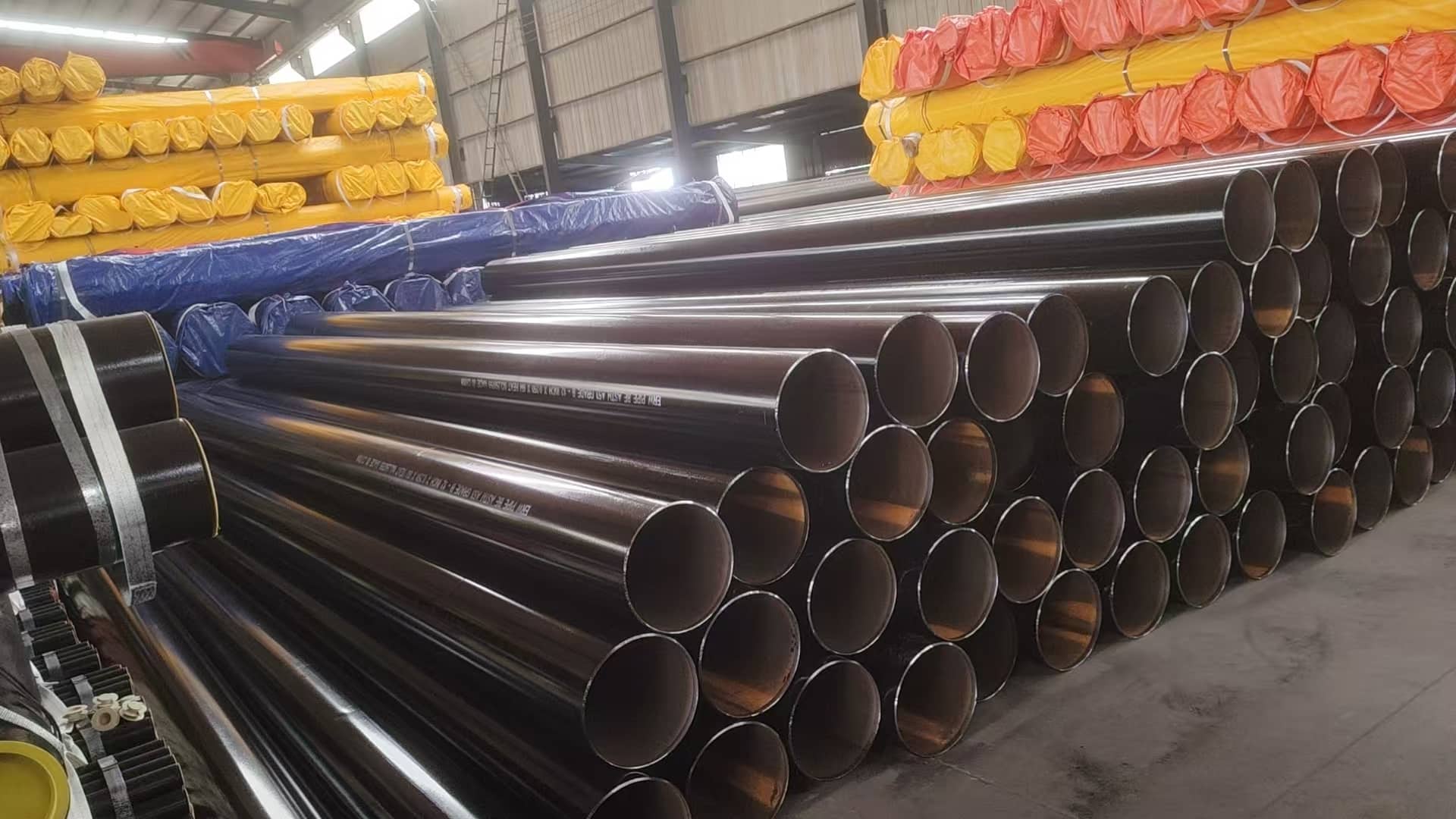
One oilfield surface gathering project required multiple medium- and small-diameter branch pipelines for transporting crude oil and oil-containing fluids. The project emphasized stable delivery schedules, dimensional consistency, and improved field welding efficiency.
After evaluating the operating pressure, pipeline diameter, construction conditions, and installation requirements, the engineering team selected API 5L Grade B and API 5L X42 ERW steel pipes.
Compared with large-diameter LSAW steel pipes, ERW line pipes offer excellent production efficiency, consistent dimensional control, and competitive manufacturing costs, making them particularly suitable for standardized oilfield gathering systems.
Project Evaluation
| Evaluation Item | Project Requirement | LONGMA Quality Control |
| Steel Grade | API 5L Grade B / X42 | Verification of coil heat numbers, chemical composition, and mechanical properties |
| Welding Method | High-Frequency Electric Resistance Welding | Strict control of heat input, squeeze pressure, and post-weld heat treatment |
| Dimensional Accuracy | Easy field fit-up | Inspection of outside diameter, wall thickness, ovality, and straightness |
| Pressure Resistance | Meets design pressure | Hydrostatic testing for every pipe or according to customer specifications |
| Product Traceability | Full heat-to-pipe traceability | Complete linkage between pipe marking, inspection reports, and Material Test Certificates (MTCs) |
Throughout production, LONGMA continuously monitors strip edge quality, forming stability, and weld fusion to ensure manufacturing consistency.
Following welding, every weld seam undergoes online nondestructive testing. Offline inspections are also performed when required to minimize the possibility of defects such as lack of fusion, inclusions, cracks, or other discontinuities entering the finished product.
As a result, the customer significantly improved field welding efficiency while reducing rework caused by pipe-end ovality and dimensional deviations.
For oilfield gathering systems requiring continuous, high-volume procurement, ERW line pipes provide an ideal balance between manufacturing efficiency, stable quality, and overall project cost.
Case Study 2: LSAW Steel Pipes for a Large-Diameter Crude Oil Trunk Pipeline
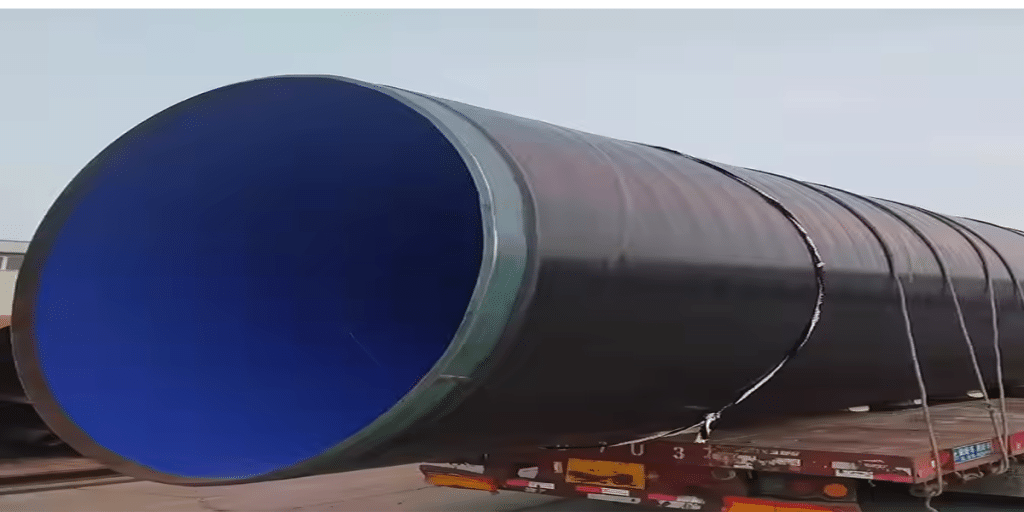
Another pipeline project involved the construction of a large-diameter crude oil transmission line. The engineering contractor required steel pipes capable of withstanding higher operating pressures while providing superior wall thickness flexibility and excellent low-temperature toughness. Due to the large pipe diameter, several sections of the pipeline also crossed highways and geologically complex areas, placing greater demands on structural integrity and long-term reliability.
Based on the project specification, LONGMA supplied API 5L X52 PSL2 LSAW steel pipes.
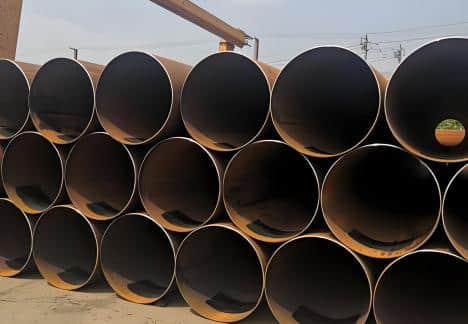
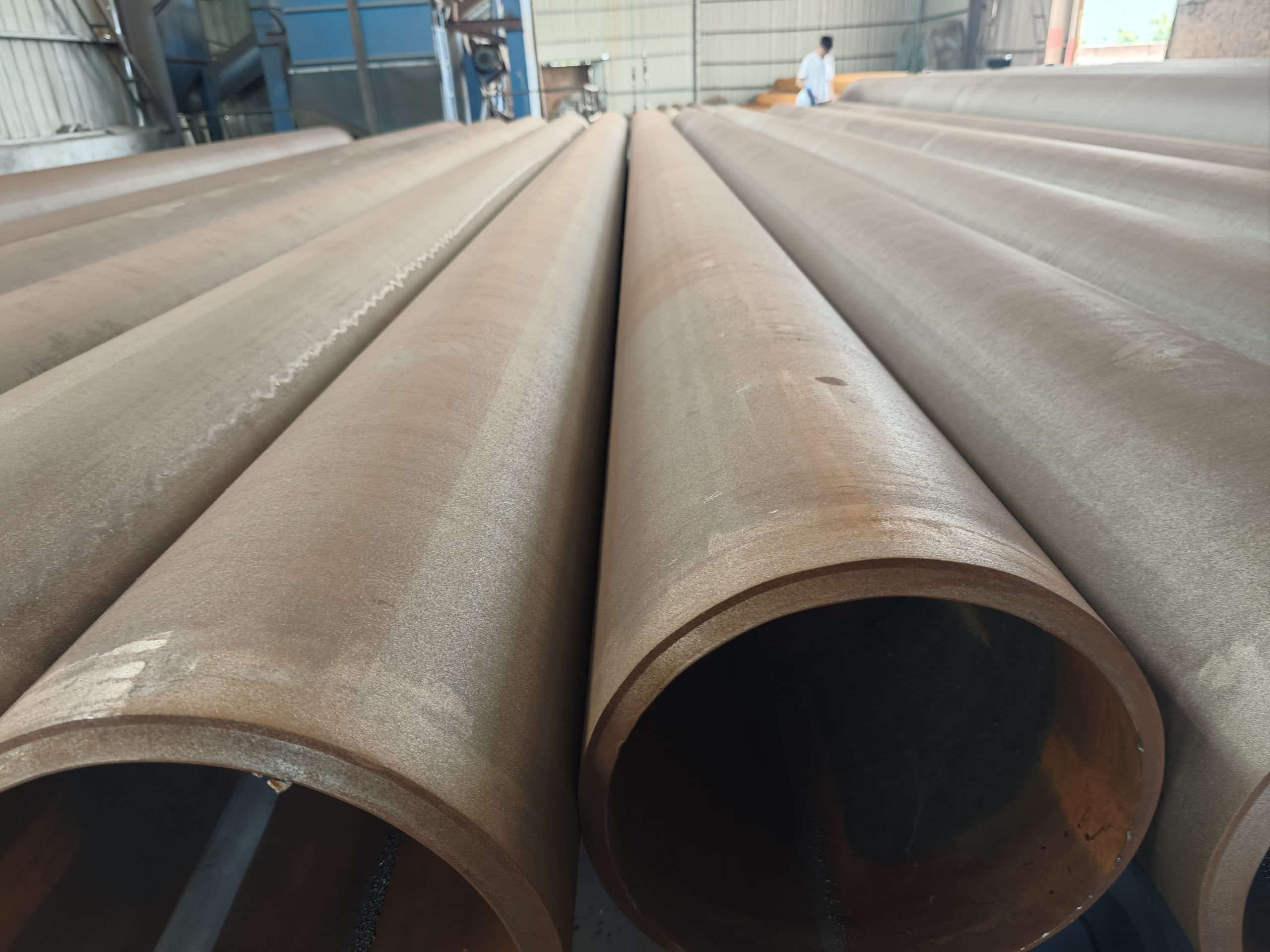
Unlike ERW pipes manufactured from steel coils, LSAW (Longitudinal Submerged Arc Welded) steel pipes are produced from individual steel plates. This manufacturing method allows wall thickness to be customized according to engineering calculations, making LSAW pipes particularly suitable for large-diameter, high-strength, and heavy-wall oil pipeline steel pipes.
ERW vs. LSAW Steel Pipe for Oil Pipeline Projects
| Comparison Item | ERW Steel Pipe | LSAW Steel Pipe |
| Typical Application | Oilfield gathering systems, station piping | Crude oil trunk pipelines, road crossings, long-distance transmission lines |
| Diameter Range | More economical for small and medium diameters | Better suited for large-diameter pipelines |
| Raw Material | Steel Coil / Strip | Steel Plate |
| Wall Thickness | Standardized continuous production | Flexible heavy-wall customization |
| Weld Type | Longitudinal Electric Resistance Weld | Longitudinal Submerged Arc Weld |
| Inspection Focus | Weld fusion and heat-affected zone | Internal & external welds, weld toe, plate edge |
Compared with PSL1, PSL2 imposes stricter requirements on:
- Chemical composition
- Carbon equivalent (CE)
- Mechanical properties
- Maximum yield strength limits
- Charpy impact toughness
- Manufacturing traceability
- Nondestructive examination (NDE)
Therefore, pipeline operators generally specify API 5L PSL2 for projects involving high operating pressures, environmentally sensitive areas, cold climates, or high-consequence pipeline routes.
It is important to note that the PSL level should never replace engineering design.
The final selection of steel grade, wall thickness, impact test temperature, coating system, and supplementary inspection requirements must always be determined according to:
- Design pressure
- Operating temperature
- Transported medium
- Pipeline location class
- National regulations
- Project technical specifications
How LONGMA’s Internal Laboratory Minimizes Procurement Risks
Many procurement disputes are not caused by selecting the wrong standard—they arise because the requirements of the specification are not fully translated into verifiable production records and inspection data.
LONGMA’s internal laboratory integrates raw material inspection, process monitoring, and finished product verification into one comprehensive quality control system. This enables customers to evaluate product conformity using measurable data instead of relying solely on supplier declarations.
1. Chemical Composition Analysis
Purpose
To verify that carbon, manganese, phosphorus, sulfur, and microalloying elements comply with the specified steel grade while calculating the appropriate Carbon Equivalent (CE) for weldability assessment.
Inspection Procedure
- Verify the heat number of each steel plate or coil.
- Perform chemical analysis using an Optical Emission Spectrometer (OES).
- Compare test results with API 5L and customer specifications.
- Record all inspection data within the material traceability system.
API 5L specifies chemical composition and carbon equivalent requirements for both PSL1 and PSL2 products.
However, the acceptable limits vary according to:
- Steel grade
- Wall thickness
- Manufacturing process
- Product Specification Level
- Applicable edition of API 5L
Therefore, buyers should never rely solely on generic chemical composition tables available online.
2. Tensile and Charpy Impact Testing
Tensile testing verifies the pipe’s:
- Yield Strength
- Tensile Strength
- Elongation
For PSL2 products or low-temperature pipeline projects, Charpy V-Notch Impact Testing is often required to evaluate the toughness of:
- Base metal
- Weld metal
- Heat-Affected Zone (HAZ)
Testing conditions—including specimen orientation, sampling location, dimensions, test temperature, and testing frequency—must fully comply with project specifications.
If customers require lower testing temperatures or higher absorbed impact energy than specified in the standard, these requirements should be confirmed during contract review rather than after production has begun.
3. Nondestructive Testing (NDT)
Reliable weld quality cannot depend on visual inspection alone.
LONGMA combines multiple nondestructive testing methods to detect both surface and internal discontinuities.
| Inspection Method | Primary Purpose | Typical Procedure | Typical Defects Detected |
| UT (Ultrasonic Testing) | Detect internal weld discontinuities | Calibrate probes and continuously scan the weld | Lack of fusion, slag inclusions, cracks |
| RT (Radiographic Testing) | Produce permanent weld images | Expose designated weld sections and interpret radiographs | Porosity, slag inclusion, incomplete penetration |
| MT (Magnetic Particle Testing) | Detect surface and near-surface defects | Magnetize the inspection area and apply magnetic particles | Surface cracks, weld toe cracks |
| PT (Liquid Penetrant Testing) | Detect surface-opening defects | Clean, apply penetrant, remove excess penetrant, apply developer | Fine surface cracks and pinholes |
API 5L defines acceptance criteria, inspection procedures, and product marking requirements.
Because different projects may reference different editions of the specification, manufacturers must always follow the exact version specified in the purchase contract rather than automatically applying the latest edition.
This practice significantly reduces project risk and prevents inspection disputes.
4. Hydrostatic Testing
Hydrostatic testing verifies the pressure integrity of both the pipe body and weld seam under specified test pressure.
Before testing, inspectors confirm:
- End sealing condition
- Pressure gauge calibration
- Test pressure
- Holding time
During pressurization, operators monitor the pipe for:
- Leakage
- Pressure loss
- Permanent deformation
Upon completion, pressure records and inspection reports are archived as part of the quality documentation package.
It is important to understand that hydrostatic testing cannot replace nondestructive testing.
Hydrostatic testing confirms the pipe’s pressure-bearing capability, whereas UT and RT identify internal discontinuities before they develop into service failures.
Using both inspection methods together provides the highest level of confidence in product quality and long-term pipeline reliability.
From Order Review to Delivery: How LONGMA Ensures Complete Product Traceability
A qualified API 5L steel pipe manufacturer should provide much more than a Material Test Certificate (MTC) at the time of shipment. True quality assurance begins with raw material verification and extends throughout every stage of production.
At LONGMA, complete traceability is established by linking:
- Steel plate or coil heat numbers
- Production batch numbers
- Individual pipe identification numbers
- Inspection records
- Mechanical test reports
- Chemical analysis reports
- Material Test Certificates (MTCs)
This integrated quality management system enables every steel pipe to be traced back to its original raw material, providing customers with confidence in product authenticity and manufacturing consistency.
For international pipeline projects, LONGMA can also provide:
- EN 10204 3.1 Inspection Certificates
- Third-party inspection services (SGS, BV, TÜV, Intertek, etc.)
- Pre-shipment inspection
- Customized Manufacturing Record Books (MRB)
- Project-specific quality documentation packages
These services simplify project acceptance procedures while meeting the documentation requirements of EPC contractors, consultants, and end users.
Comprehensive Technical Review Before Production
To minimize procurement risks and prevent costly modifications after manufacturing begins, LONGMA conducts a detailed contract review before production starts.
Typical review items include:
- Applicable manufacturing standard and edition (API 5L, ISO 3183, ASTM, etc.)
- Steel grade and PSL level
- Outside diameter, wall thickness, and pipe length
- Pipe-end preparation
- Charpy impact test temperature and minimum absorbed energy
- Required coverage for UT, RT, MT, or PT inspections
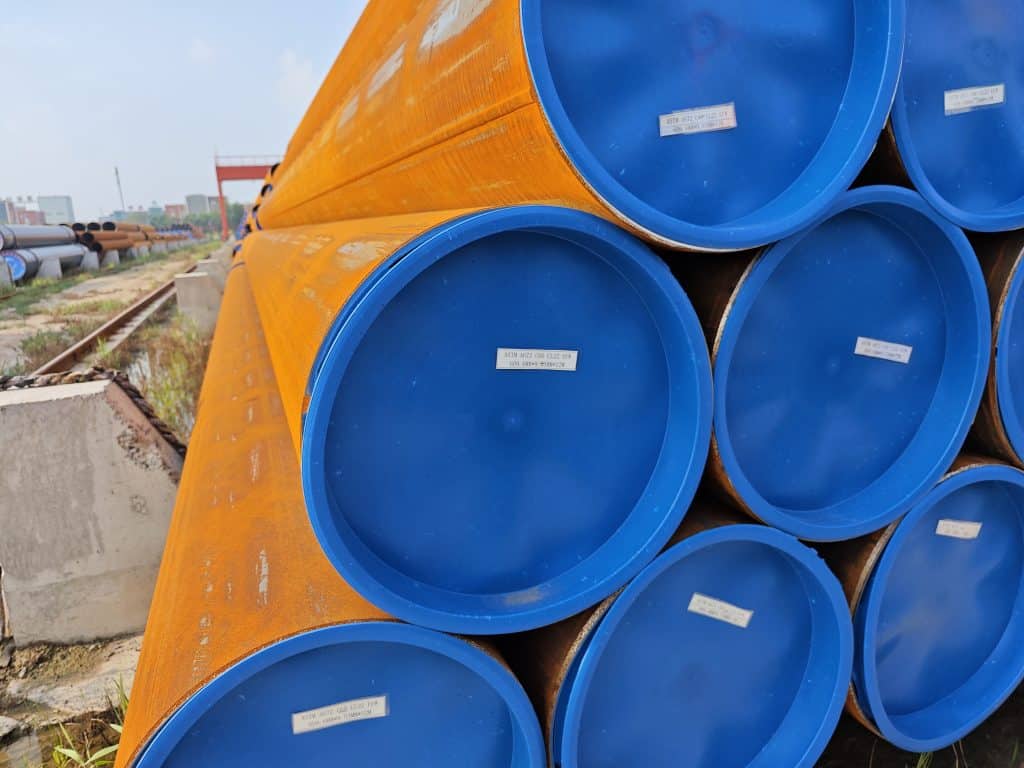
- External anti-corrosion coating requirements
- Product marking specifications
- Packaging and export shipping requirements
- Third-party witness inspection requirements
By confirming these technical details in advance, LONGMA helps customers avoid one of the most common procurement issues:
The steel pipe complies with the base standard but does not satisfy additional project-specific technical requirements.
Why Choose LONGMA as Your Oil Pipeline Steel Pipe Supplier?
When purchasing oil pipeline steel pipes, the lowest quotation rarely represents the lowest overall project cost.
Incorrect material grades, incomplete documentation, weld defects, dimensional deviations, delayed delivery, or coating failures can result in project delays, additional inspections, replacement orders, or even complete rejection of an entire shipment.
With over 20 years of manufacturing experience, LONGMA transforms production expertise into measurable quality assurance.
LONGMA’s Core Advantages
✔ More than 20 years of welded steel pipe manufacturing experience
✔ Specialized in round ERW and LSAW steel pipes
✔ Manufacturing in accordance with API 5L, ISO 3183, and relevant ASTM standards
✔ Complete in-house testing capabilities, including:
- Chemical composition analysis
- Mechanical property testing
- Hydrostatic testing
- Ultrasonic Testing (UT)
- Radiographic Testing (RT)
- Magnetic Particle Testing (MT)
- Liquid Penetrant Testing (PT)
✔ Complete traceability from raw material heat number to finished product
✔ Support for third-party inspections and customized project documentation
✔ Flexible production for customized pipe dimensions, wall thicknesses, and coating systems
✔ Extensive export experience serving global oil & gas pipeline projects
Whether your project involves crude oil transmission pipelines, oilfield gathering systems, storage terminal facilities, or cross-country pipeline construction, LONGMA provides dependable steel pipe solutions designed to meet demanding international standards.
Selecting the Right Standard Matters
Although ASTM A53/A53M steel pipes are widely used for utility piping, station facilities, and general pressure services, they are not intended to replace API 5L or ISO 3183 in long-distance crude oil transmission pipelines.
Pipeline selection should never be based solely on pipe size.
Engineers must evaluate multiple technical factors, including:
- Operating pressure
- Service temperature
- Steel grade
- Product Specification Level (PSL)
- Mechanical performance
- Toughness requirements
- Corrosion protection system
- Inspection scope
- Applicable engineering codes
Selecting the appropriate standard from the beginning significantly improves project safety, service life, and long-term operational reliability.
Conclusion
From oilfield gathering systems to large-diameter crude oil trunk pipelines, steel pipes are far more than transportation components—they are the foundation of safe, efficient, and reliable pipeline operation.
A trustworthy API 5L steel pipe supplier should be able to explain:
- Why a particular material is suitable for your project
- How manufacturing quality is controlled
- Which inspection methods are applied
- How every pipe can be fully traced
- What documentation accompanies each shipment
At LONGMA, quality is not simply claimed—it is verified through standardized manufacturing processes, rigorous inspections, and complete traceability.
Whether you require ERW steel pipes for oilfield gathering systems or LSAW steel pipes for large-diameter transmission pipelines, LONGMA can recommend the most suitable solution based on your project specifications.