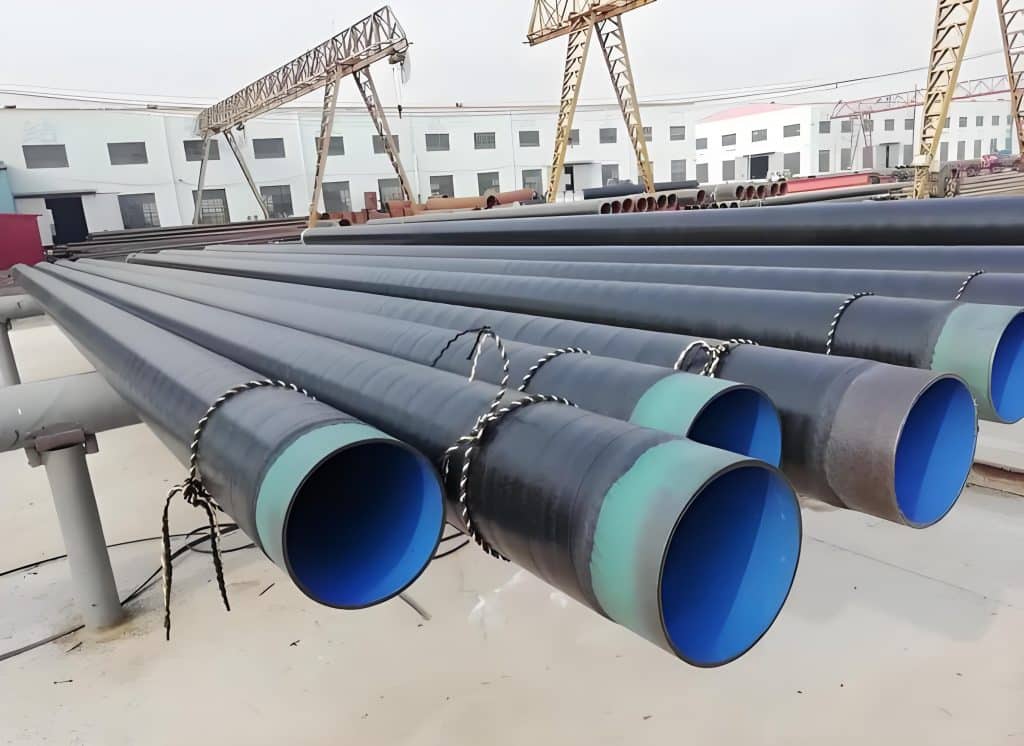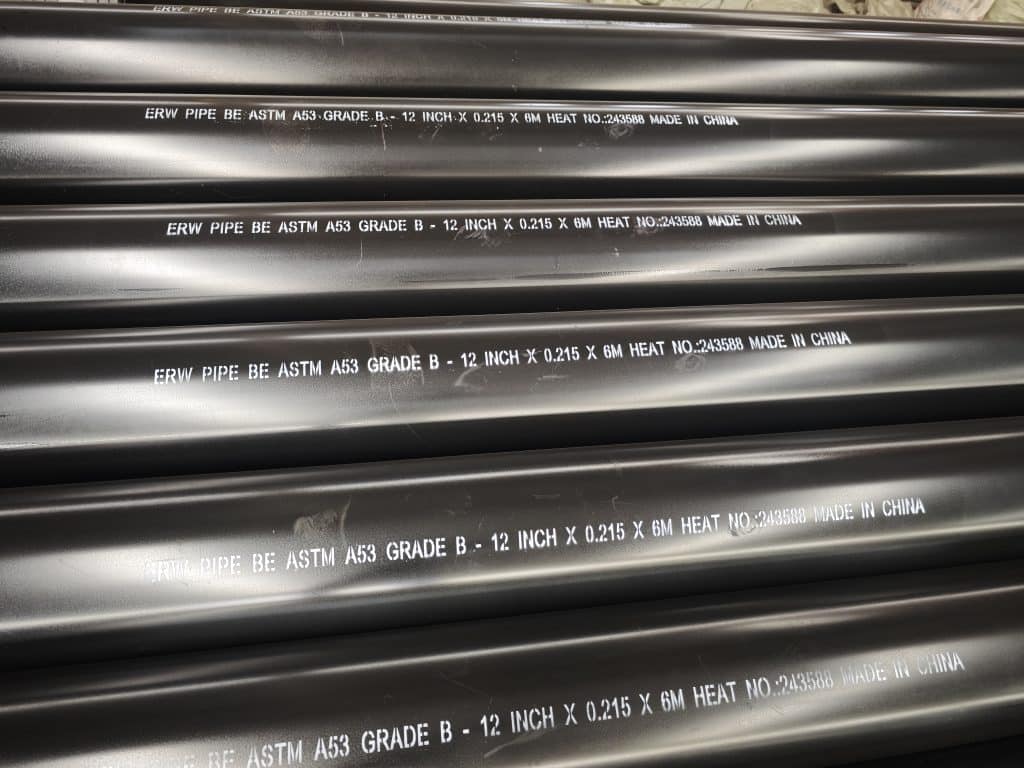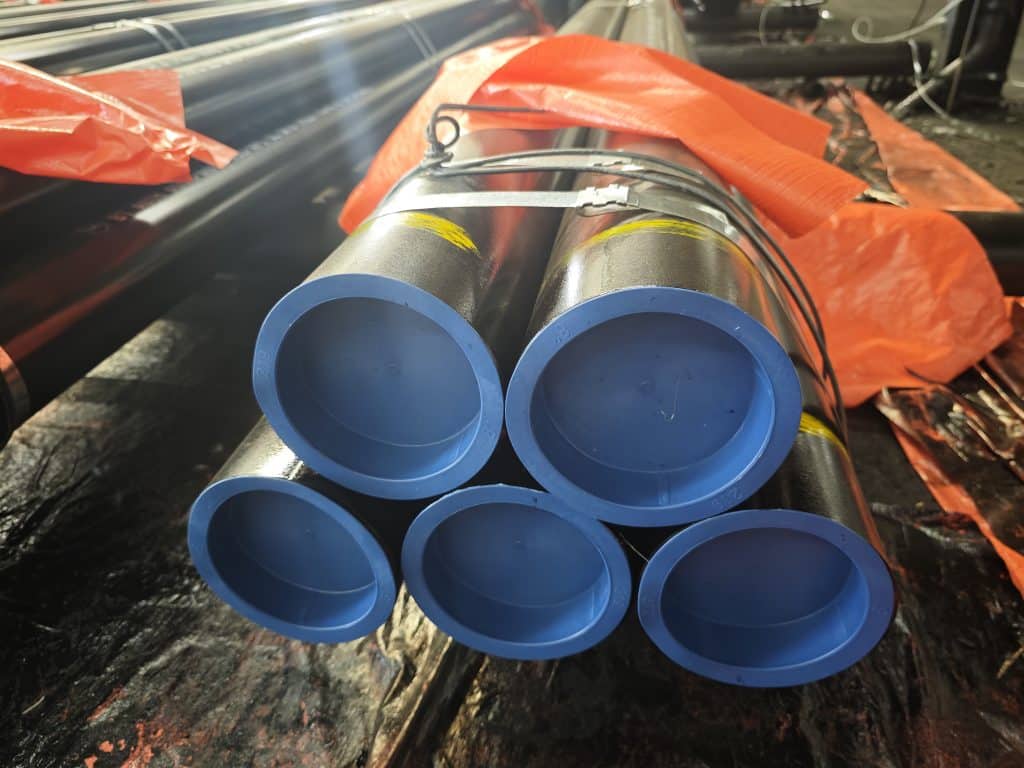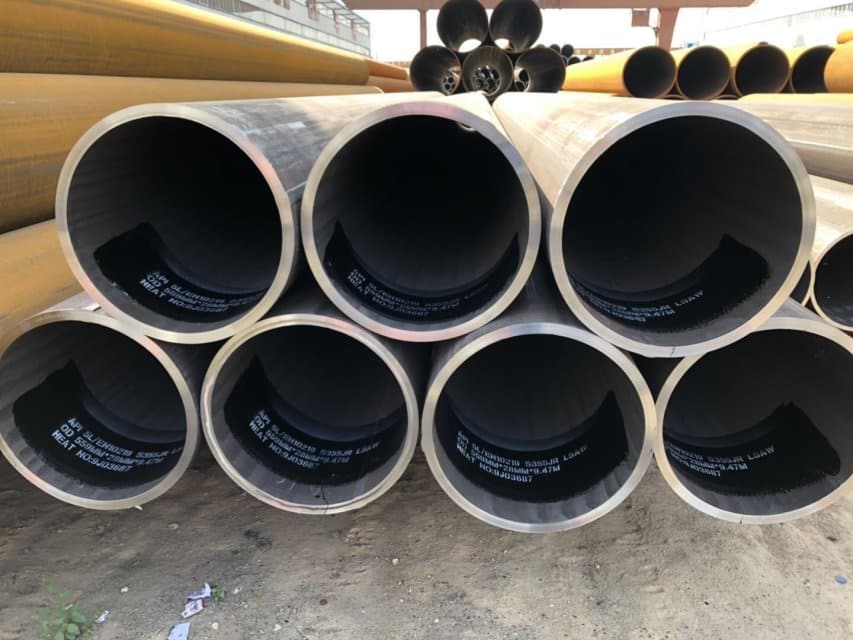
- 1. What Is Cold Formed Pipe?
- 2. How Is AS/NZS 1163 Cold Formed Pipe Manufactured?
- 3. What Sizes, Grades, and Tolerances Does Cold Formed Pipe Cover?
- 4. Why Does L0 Impact Testing Matter for Cold Formed Pipe?
- 5. Where Is Cold Formed Pipe Used? Three Project Scenarios
- 6. Cold Formed Pipe vs Hot-Finished and Seamless Pipe: Which Fits Your Project?
- 7. How Do You Choose a Reliable Cold Formed Pipe Manufacturer?
- 8. Conclusion
- 9. FAQ
- 10. Ready to Request a Cold Formed Pipe Quotation?
Cold formed pipe is often mistaken for a grade or a single product, yet the term describes only how the tube is made: steel strip rolled at room temperature and welded into a circular hollow section. What the pipe can actually carry depends on grade, wall thickness, tolerance, and impact testing such as L0. This guide explains how AS/NZS 1163 cold formed pipe is manufactured, sized, tested, and specified for structural, infrastructure, and mining projects.
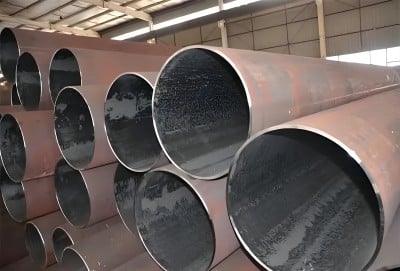
What Is Cold Formed Pipe?
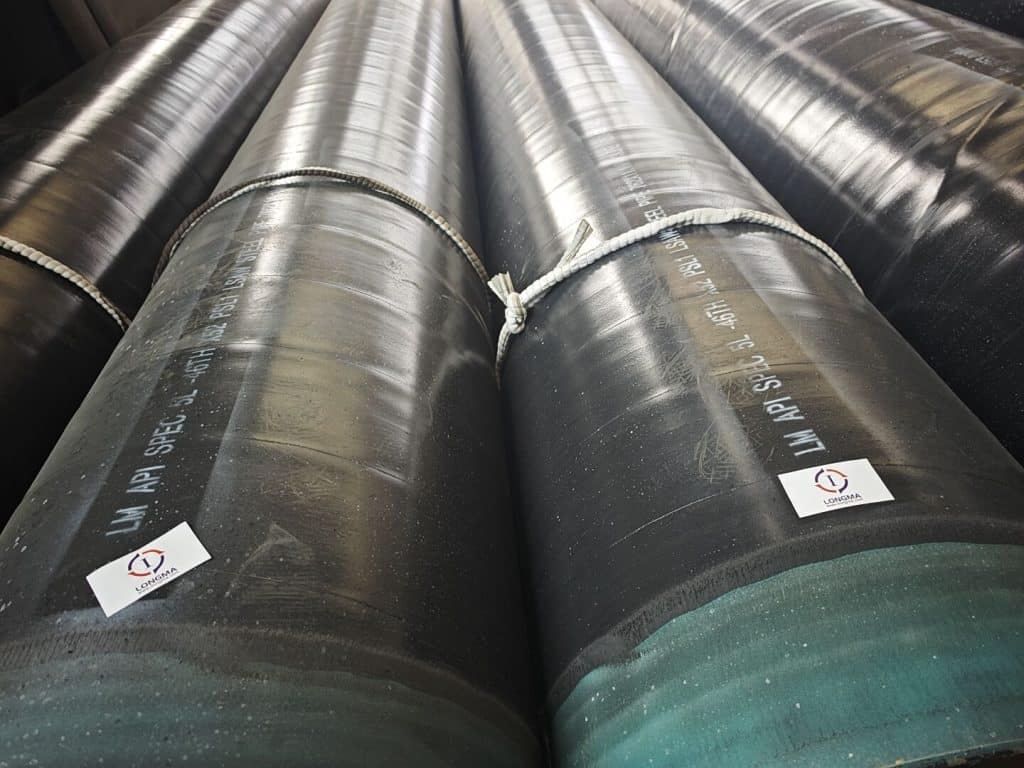
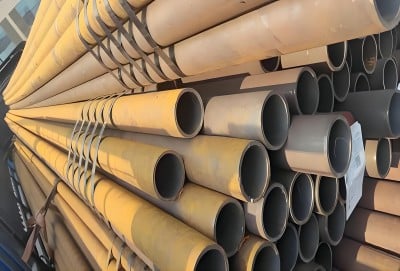
This type of steel tube is called “cold formed pipe.” It is made by rolling a flat steel strip into a circle at room temperature and then joining the ends together with a weld, usually high-frequency electric resistance welding (ERW). Fuse heat is not used to shape the tube body in this process. AS/NZS 1163 is the standard in Australia and New Zealand. It says that cold formed pipe includes “Circular Hollow Sections” (CHS) made from coiled steel strip in grades C250, C350, C450, and low-temperature L0 (Standards Australia, 2016). The term refers to the way the metal is formed, not a specific grade or size. Based on the order, a “cold formed pipe” can be either a light fence rail or a 1422mm mining support column.
Key Terms Buyers Should Know
These terms will help you read a mill certificate correctly before you ask for a quote:
- CHS: Circular Hollow Section, the round profile covered by AS/NZS 1163.
- C250 / C350 / C450: minimum yield strength in megapascals (250, 350, 450 MPa) for the base steel grade.
- L0: Charpy impact toughness of at least 27 joules at 0°C, required for low-temperature or dynamically loaded structures.
- EN 10204 3.1: the mill test certificate format that confirms chemical and mechanical results trace back to the actual production heat.
- ERW: electric resistance welding, the joining method used for most cold formed pipe production worldwide.
How Is AS/NZS 1163 Cold Formed Pipe Manufactured?
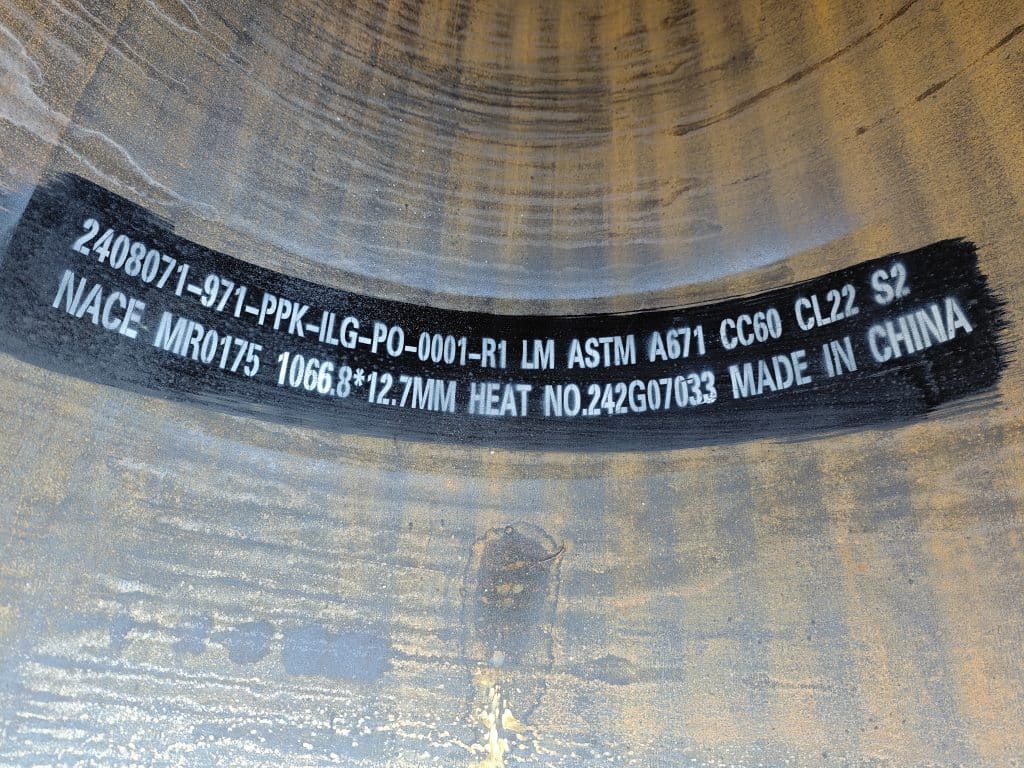
The process starts with hot-rolled steel coil that is chemically safe according to AS/NZS 1163. After cutting the coil to the right width, it is fed through rolls that curl the strip into a tube shape. Electricity with a high frequency heats the two edges, and then pressure rolls press them together to make the seam. Next, the tube goes through sizing rolls that set the final outside diameter. It is then straightened and cut to length. Astm International (2023) says that each cold formed pipe made this way has a heat number that connects it to the original coil.
Production Steps in Sequence
- Coil inspection against grade, thickness, and width specification.
- Slitting the coil to the strip width needed for the target diameter.
- Roll forming the strip into a circular section.
- High-frequency welding of the longitudinal seam.
- Sizing, straightening, and cutting to the ordered length.
- Marking, bundling, and final paperwork release.
Quality Checkpoints During Forming
| Production Stage | What Gets Checked |
| Incoming coil | Grade, thickness, heat number |
| Forming | Diameter, roundness, surface finish |
| Welding | Bead condition, visual and non-destructive testing |
| Final release | Mechanical test results, dimensional report, marking |
If a mill skips any of these checks, they can’t really say that they are fully compliant with AS/NZS 1163—even if the paperwork says they are.
What Sizes, Grades, and Tolerances Does Cold Formed Pipe Cover?
A lot of different things can be done with AS/NZS 1163 “cold formed pipe.” The outside diameters range from 114.3 mm to 1422 mm, and the wall thicknesses range from 6.02 mm to 50.8 mm. There are standard length runs that range from 3 meters to 12.5 meters, but mining projects often ask for longer custom runs to cut down on the number of field welds. Most building needs can be met by three grades: C250 is for light frames, C350 is for general building and bridge work, and C450 is for heavy-load members like conveyor galleries.
Grade, Strength, and Typical Use
| Grade | Minimum Yield | Typical Application | L0 Option |
| C250 | 250 MPa | Fencing, light frames | Yes |
| C350 | 350 MPa | Building columns, bridges | Yes |
| C450 | 450 MPa | Mining structures, heavy load members | Yes |
Standard Tolerances
AS/NZS 1163 says that the outside diameter tolerance should be within 1%, with a minimum of 0.5 mm, and the wall thickness tolerance should be the same as the nominal thickness. That’s why a structural engineer compares these numbers to the inspection report before taking delivery. Tight tolerance control is most important on robotic cutting lines and automated welding cells, where pipes that are too big or too small can stop the whole fabrication process (Australian Steel Institute, 2021).
Why Does L0 Impact Testing Matter for Cold Formed Pipe?
When you cold form something, it gets stronger because the seams and bends get harder over time, but it also adds stress that stays there. This is taken into account by design codes like AS 4100 and the material rules in AS/NZS 1163. The L0 option is important for projects in southern Australia, New Zealand’s South Island, or mine sites that are high up. L0 confirms that the steel can absorb at least 27 joules of impact energy at 0°C. This makes it less likely that the steel will break easily during cold snaps or sudden dynamic loads.
Mechanical Properties by Grade
As the grade goes from C250 to C450, the yield strength, tensile strength, and elongation all go up. Tougher carbon equivalent limits are put on higher grade cold formed pipe to keep the material weldable on site.
When Projects Require L0 Testing
- Bridges exposed to winter temperatures or coastal wind loads.
- Mining conveyor structures carrying repeated dynamic impact.
- Seismic-category buildings where sudden load reversal is a design case.
- Any structure where the specifying engineer lists L0 directly on the drawing.
Where Is Cold Formed Pipe Used? Three Project Scenarios
In each market, the demand for cold formed pipe looks different. The three examples below show the most common ways that structural fabricators, infrastructure contractors, and mining suppliers buy things.
Structural Steel Fabrication in Australia and New Zealand
When a fabricator in Sydney or Auckland wins a bid, they look at the list of materials and see if they meet the Building Code of Australia (BCA). As of 2022, the Australian Building Codes Board (BCA) said that load-bearing hollow sections had to meet AS/NZS 1163. When the technical director places an order and makes sure that the grade is C350 or C450 and that the impact data is L0. They also place a small test order before committing to the full tonnage. Once the buyer checks that the first batch is good, they quickly place more orders.
Infrastructure Projects Across Southeast Asia
A contractor in Indonesia, Malaysia, or Vietnam is hired to work on a project where AS/NZS 1163 is the design standard chosen by the owner’s engineer. The trip by sea from China to Southeast Asian ports takes only 7 to 14 days, a lot less time than the 3 to 4 weeks it takes to get to Australia. With project changes happening all the time, this buyer likes being able to choose the amount of cold formed pipe they want to buy. This is because they don’t need a big shipment of pipe all at once.
Mining and Resource Structures in Western Australia
An engineering company that works with mines in the Perth area needs C450L0 grade for support trestles and conveyor galleries that take heavy loads and can’t fail. When you combine large diameter, thick wall cold formed pipe with custom length runs of up to 12.5 meters, you can cut down on the number of field splice welds that need to be done in remote areas where skilled welders are hard to find. Because of the dust and water that are common in mines, corrosion coating is almost always required.
Cold Formed Pipe vs Hot-Finished and Seamless Pipe: Which Fits Your Project?
In every test of cold formed pipe, no one type of product comes out on top. What you should do depends on the grade, size, cost goal, and design standard that applies.
| Criterion | Cold Formed CHS | Hot-Finished CHS | Seamless Pipe |
| Starting material | Steel strip or coil | Formed or heat-treated section | Solid billet, pierced and rolled |
| Longitudinal weld | Present | Often absent | Absent |
| Typical cost | Competitive at volume | Often higher | Generally highest |
| Size flexibility | Wide, including custom lengths | Mill-dependent | More limited |
| Common standard | AS/NZS 1163, ASTM A500 | AS/NZS 1163, EN 10210 | ASTM A106 and similar |
| Best fit | Structural frames, bridges, mining support | Structural frames where seam-free finish is specified | Pressure piping, high-temperature service |
For most of the structural projects this article talks about, fabricators can get the strength-to-cost balance they need from cold formed pipe, as long as the mill can show through test reports that it can control the dimensions and weld quality.
How Do You Choose a Reliable Cold Formed Pipe Manufacturer?
Price by itself doesn’t tell you much about how well a mill works for cold formed pipe. Before the order ships, not after a dispute starts, buyers should check the supplier’s production range, traceability systems, and paperwork.
Documents to Request Before You Order
- Mill test certificate in EN 10204 3.1 format, showing chemical and mechanical results tied to the heat number.
- Dimensional inspection report covering diameter, wall thickness, length, and straightness.
- Weld inspection or non-destructive test report for the longitudinal seam.
- ISO 9001 certificate confirming an active quality management system.
- Galvanizing certificate if coating is part of the order, referencing ISO 1461 (International Organization for Standardization, 2022).
- Packing list, certificate of origin, and commercial invoice for customs clearance.
LONGMA’s Manufacturing Capability
Since 2003, LONGMA has been making ERW and LSAW steel pipe. The company has a 230,000-square-meter plant and a registered capital of 176 million RMB. With the help of more than 60 senior technical staff, annual output reaches 500,000 tons. Each batch of cold formed pipe has a heat number, a batch number, and a product number that can be used to track it from the raw steel plate to the shipment. LONGMA has worked with oilfield and infrastructure clients like SINOPEC, CNPC, PEMEX, and PTTEP. Stock sizes can be shipped in as little as 7 days, and custom orders are finished in 45 days.
Conclusion
As/NZS 1163 cold formed pipe is a cheap way for architects, builders, and mining suppliers to meet requirements for strength, impact, and tracking. A company can’t just say it has test reports for grades, sizes, and tolerances; it has to be able to show them. Before someone places an order, they should look at EN 10204 3.1 certificates, dimensional reports, and data from weld inspections. This way, they won’t have to wait as long for materials that are turned down on the job site.
FAQ
What is the difference between cold formed and hot-finished CHS?
For cold formed pipe, the strip is shaped at room temperature and then welded together. For hot-finished pipe, the sections are shaped or heated up to a higher temperature. When made and tested correctly, both can meet AS/NZS 1163.
Does AS/NZS 1163 cold formed pipe need hot-dip galvanizing?
Not all the time. Painting or leaving pipes bare is common for pipes that are used inside or in places with low exposure. A lot of pipes that are used outside, near the coast, or in mines are hot-dip galvanized to ISO 1461 so that they don’t rust over time.
What is the minimum order quantity for cold formed pipe?
The minimum order quantity changes based on the diameter, wall thickness, and type of coating needed. Southeast Asian buyers usually only need small amounts to top up their orders. In Australia, fabricators start with a sample order before they get a full tonnage.
How long does it take to ship cold formed pipe to Australia from China?
It takes about three to four weeks for goods to get from China to ports in Australia or New Zealand by sea. Southeast Asian ports are faster; it takes about 7 to 14 days to get from one port to another.
What certificates come with cold formed pipe?
An EN 10204 3.1 mill test certificate, a dimensional inspection report, and a certificate of conformity are all standard pieces of paperwork. For orders of structural or mining grade, LONGMA can provide ISO 9001 certification and weld NDT reports.
Can cold formed pipe be custom cut to length?
Yes. The standard lengths are 3 to 12.5 meters, but mining or infrastructure projects can ask for custom lengths to cut down on the number of field welds.
Ready to Request a Cold Formed Pipe Quotation?
When a project has penalties for finishing late, delays caused by rejected materials cost more than the pipe itself. When you ask, LONGMA can provide AS/NZS 1163 cold formed pipe with full mill traceability, grades C250 through C450, and L0 impact testing. If you email your drawing or size list to info@ilongma.com, you will get a quote with a lead time and a document checklist attached. For more than 20 years, LONGMA’s team has helped buyers in Australia, Southeast Asia, and the Middle East with their structural, infrastructure, and mining needs.