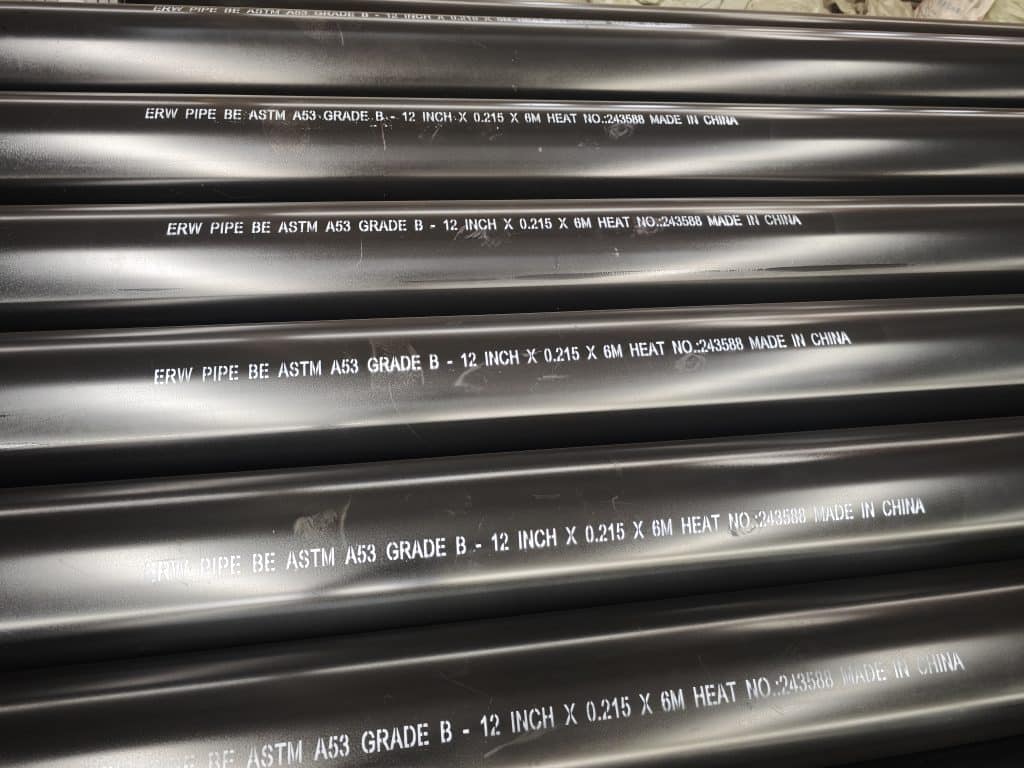
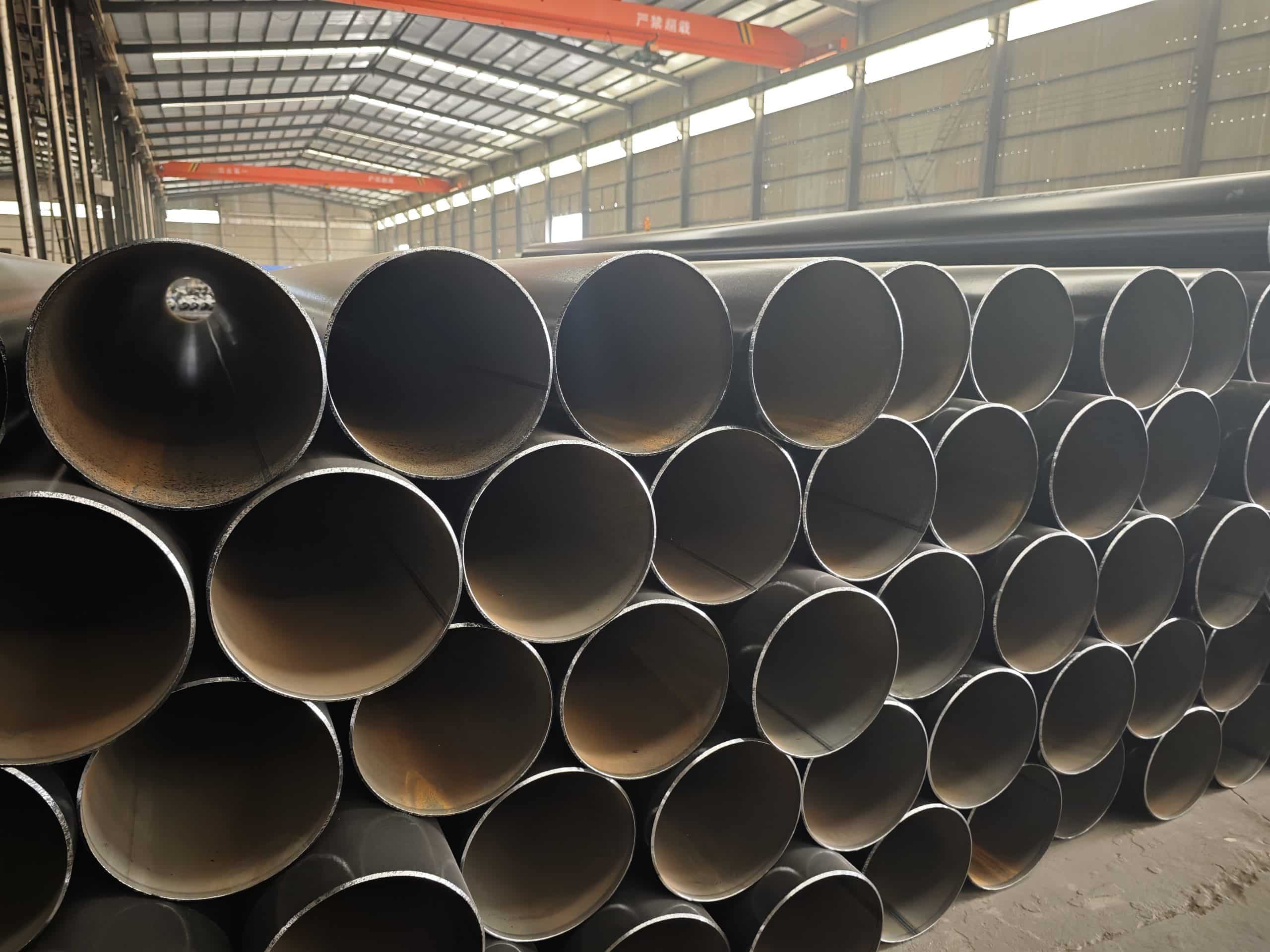
- 1. Understanding Steel Piles as Deep Foundations
- 2. Where Steel Pipe Piles Are Commonly Used
- 3. ASTM A252/A252M Pipe Piles
- 4. ASTM A252 vs. Other Pipe Specifications
- 5. Corrosion Protection for Steel Pipe Piles
- 6. Procurement Checklist for Steel Pipe Piles
- 7. Why Steel Pipe Piles Can Be Attractive for Construction
- 8. LONGMA Steel Pipe Pile Supply
- 9. FAQ
Yes. Steel piles, including circular steel pipe piles, are widely used as deep foundation elements. They transfer structural loads to deeper soil or rock through shaft resistance, end bearing, or a combination of both. This makes steel pipe piles suitable for many bridges, marine structures, industrial facilities and other projects where near-surface soils cannot provide the required foundation performance.
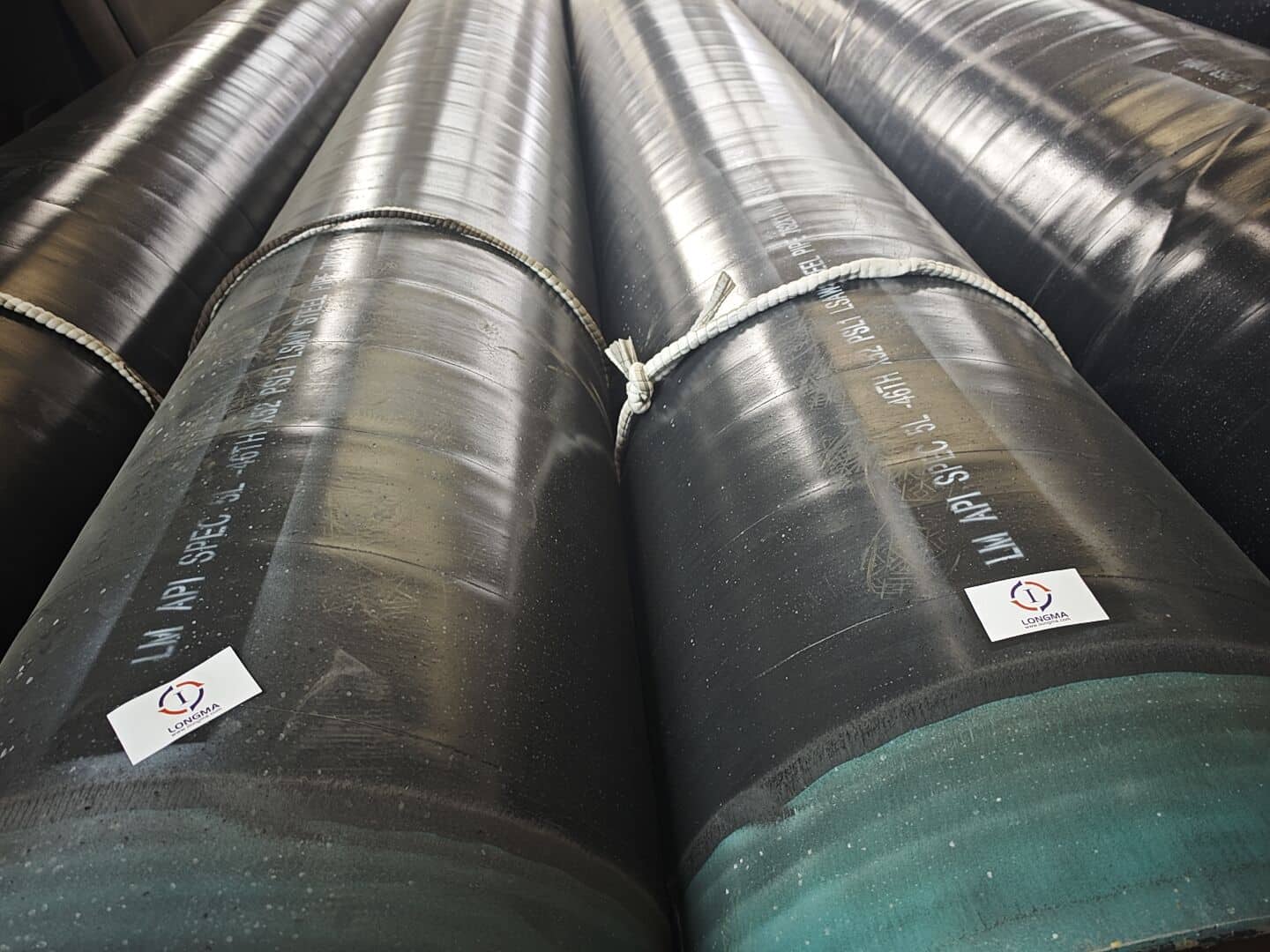
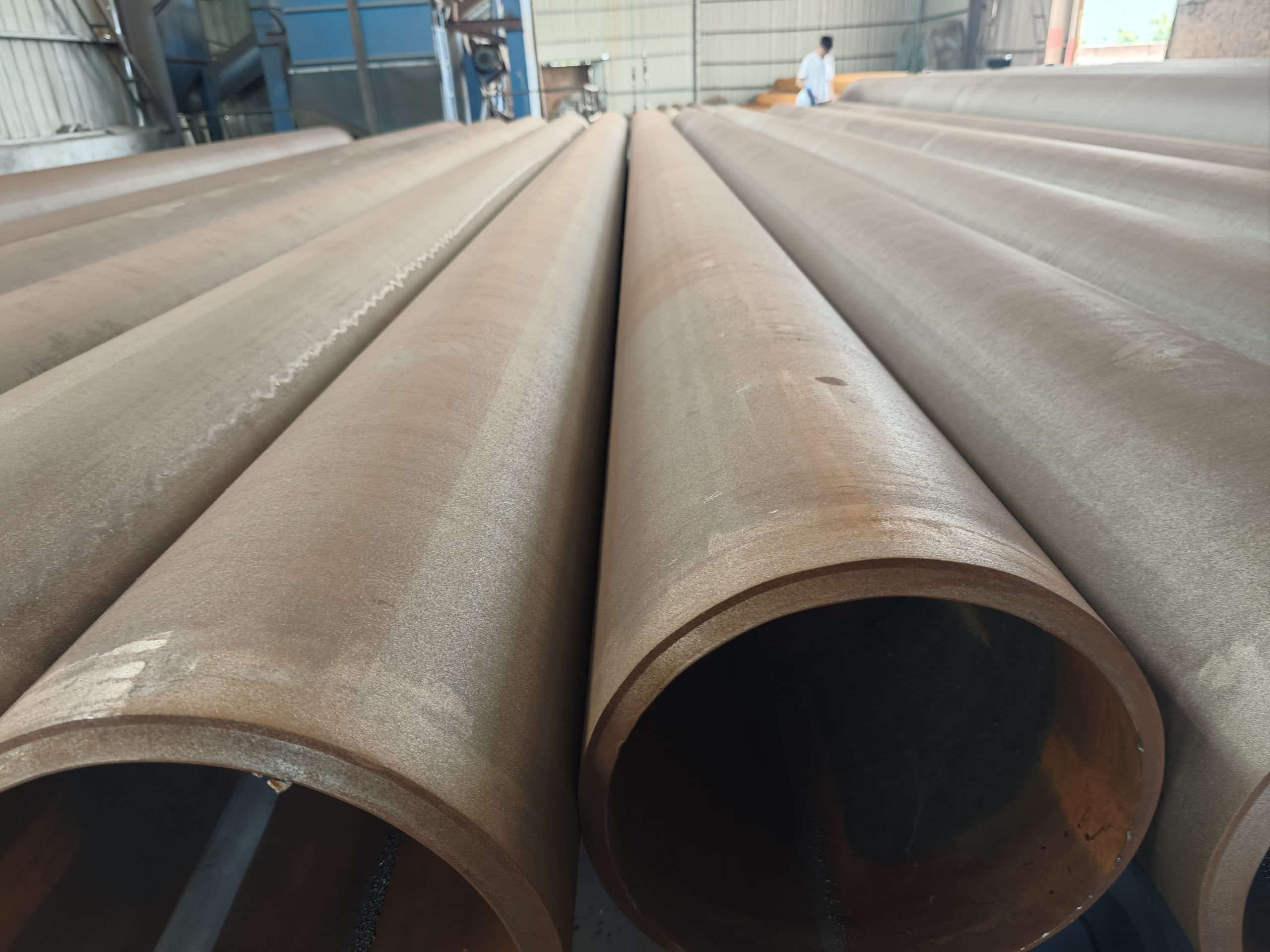
Understanding Steel Piles as Deep Foundations
Deep Foundations vs. Shallow Foundations
The distinction between shallow and deep foundations should not be reduced to a universal depth such as 3 m or to a single depth-to-width ratio. Foundation classification and design depend on geometry, load-transfer mechanism, soil profile and the governing geotechnical and structural design framework. Driven piles are a recognized form of deep foundation.
How Steel Pipe Piles Carry Load
Steel pipe piles can develop resistance along the pile shaft and at the pile toe. The relative contribution of shaft resistance and end bearing is project-specific and depends on soil stratigraphy, pile diameter and length, installation method, pile plugging behavior and other geotechnical factors. For this reason, a fixed percentage of capacity should not be assigned to shaft resistance without a project-specific analysis.
Where Steel Pipe Piles Are Commonly Used
- Bridge foundations and transportation infrastructure
- Ports, wharves and marine structures
- Industrial and energy facilities
- Building foundations where deep load transfer is required
- Projects requiring driven or vibratory installation and field splicing
Circular steel pipe piles can provide substantial axial and bending resistance and can be designed for combined loading. Their suitability compared with H-piles, concrete piles or other systems should be determined by the project engineer rather than by a universal statement that one pile type is always superior.
ASTM A252/A252M Pipe Piles
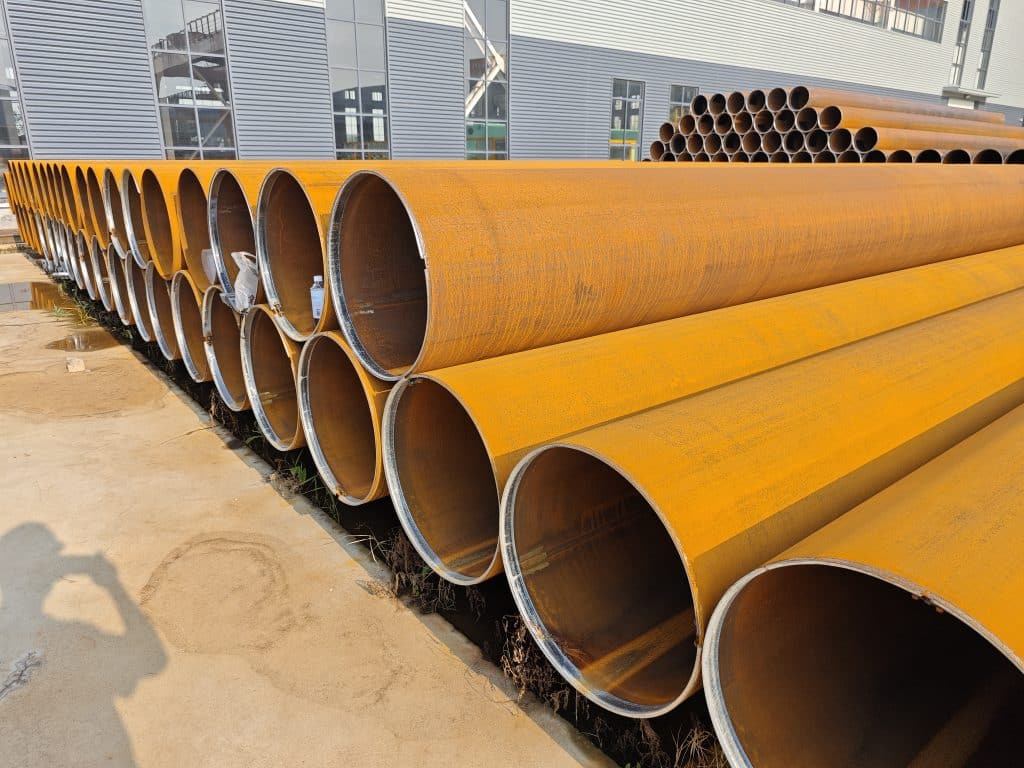
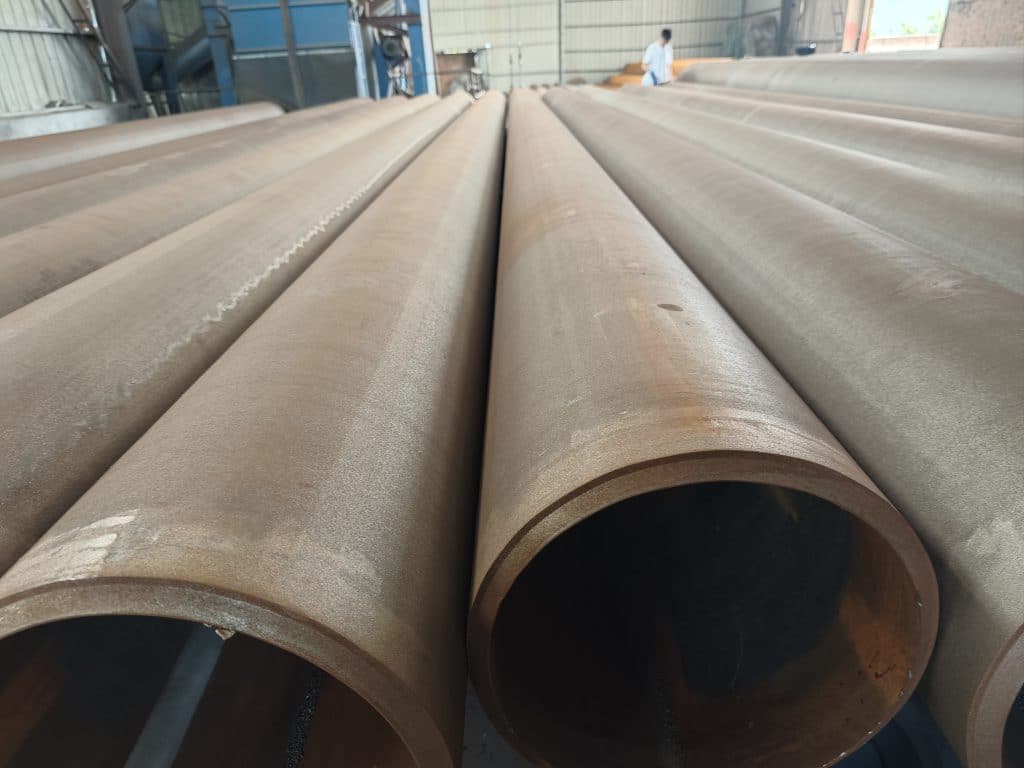
ASTM A252/A252M-26, Standard Specification for Welded and Seamless Steel Pipe Piles, is the current ASTM specification for nominal-wall cylindrical steel pipe piles. ASTM states that the steel cylinder may act as a permanent load-carrying member or as a shell for cast-in-place concrete piles. The current standard covers both welded and seamless products.
ASTM A252/A252M includes three grades. Because the 2026 edition treats inch-pound and SI units as separate standard systems and warns against mixing values from the two systems, procurement documents should use the grade and unit system stated in the applicable purchase order rather than combining converted values from different unit systems.
Grade Selection and Wall Thickness
A higher-strength grade can provide additional design flexibility, but it does not automatically permit a thinner pile wall. Wall thickness can be controlled by axial and bending demand, local buckling, driving stresses, handling, splicing, corrosion allowance, fatigue and geotechnical conditions. Any reduction in wall thickness must therefore be supported by the responsible engineer’s design.
ASTM A252 vs. Other Pipe Specifications
| Specification / Product | Primary Scope | Procurement Note |
| ASTM A252/A252M | Cylindrical steel pipe piles | Directly intended for pipe-pile applications |
| ASTM A53/A53M | Black and hot-dipped galvanized welded/seamless steel pipe | Used for piping applications within its scope; not a substitute for a pile specification unless the project permits it |
| Project pile specification | Foundation design, dimensions, welding, coating and inspection | Controls project-specific requirements beyond the material standard |
Corrosion Protection for Steel Pipe Piles
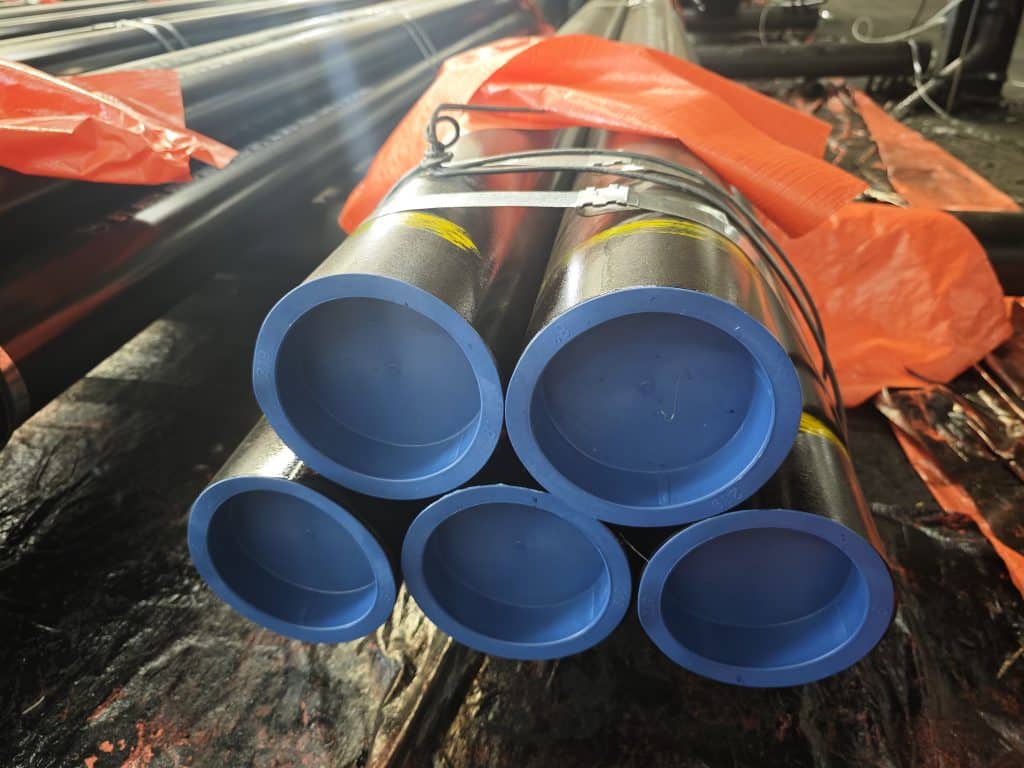
Corrosion protection should be selected from the actual exposure and design life. Depending on the project, measures may include protective coatings, cathodic protection, corrosion allowance or a combination of methods. A fixed corrosion allowance or a universal coating life should not be applied to every marine or buried pile without an engineering basis.
Procurement Checklist for Steel Pipe Piles
- Confirm ASTM A252/A252M-26 or the project-specified edition and unit system.
- Confirm grade, OD, nominal wall thickness, length and end preparation from the pile schedule.
- Verify MTC information and heat/batch traceability.
- Define dimensional inspection, welding, NDT and third-party inspection requirements in the purchase specification.
- Confirm coating or other corrosion-protection requirements from the project documents.
- Coordinate mill lengths and field splice locations to reduce unnecessary cutting and handling.
Why Steel Pipe Piles Can Be Attractive for Construction
Steel pipe piles can be fabricated in long lengths, spliced in the field under qualified procedures and installed using equipment selected for the soil and project constraints. These characteristics can be advantageous where construction sequencing, drivability or lateral-load performance matters. Concrete piles, H-piles and other systems also have valid applications, so final selection should remain an engineering decision.
LONGMA Steel Pipe Pile Supply
LONGMA manufactures round ERW and LSAW steel pipe for infrastructure and foundation projects. The production base covers approximately 230,000 square meters, with annual production exceeding 500,000 tons. Project orders can be reviewed for material specification, dimensions, end preparation, coating, inspection and documentation requirements before production.
FAQ
- Is a steel pipe pile a deep foundation?
Yes. Steel pipe piles are commonly used as deep foundation elements to transfer loads to deeper soil or rock.
- Does ASTM A252/A252M cover only welded piles?
No. The current ASTM A252/A252M-26 scope covers both welded and seamless cylindrical steel pipe piles.
- Does a higher ASTM A252 grade always allow a thinner wall?
No. Wall thickness is a design parameter influenced by structural, geotechnical, installation and durability requirements.
- Does ASTM A252/A252M require a corrosion coating?
The material specification does not replace the project’s corrosion design. Coating and other corrosion-protection requirements should be stated in the project specification.