- 1. What Is an API 5L Pipe Supplier?
- 2. Main Types of API 5L Pipe Suppliers
- 3. How to Choose the Right Supplier Type
- 4. Manufacturing Route Should Follow the Project, Not a Shortcut Rule
- 5. Supplier Qualification Checklist
- 6. Common Mistakes When Selecting an API 5L Supplier
- 7. Why Manufacturer-Direct Supply Can Be Valuable
- 8. Partner with LONGMA for API 5L ERW and LSAW Pipe
- 9. FAQ
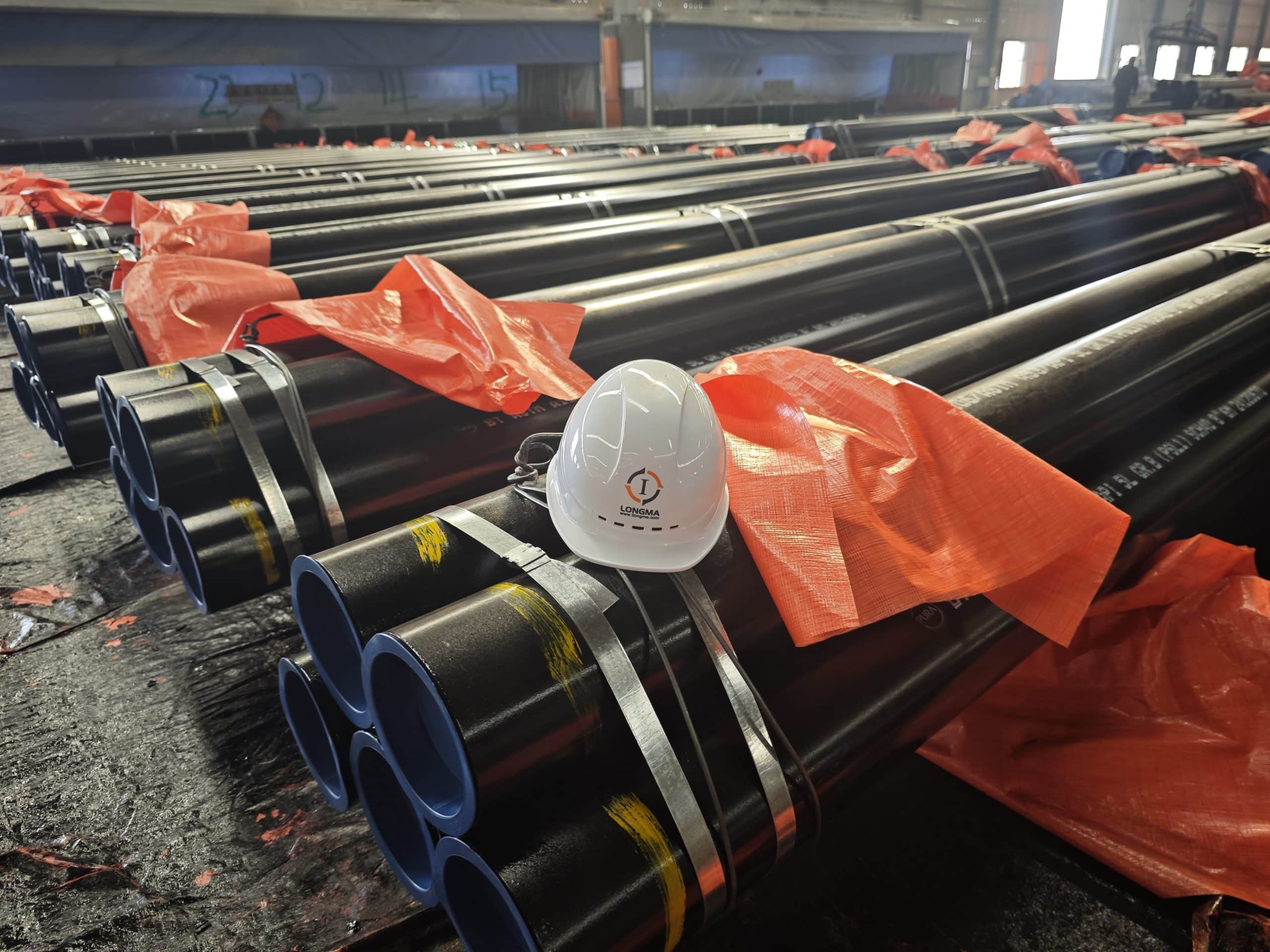
API 5L pipe can be purchased from manufacturers, stockists, distributors, trading companies and integrated service suppliers. These supplier types do not provide the same level of manufacturing control, inventory availability, customization or documentation support. For buyers, the right choice depends on the project specification, order size, schedule, required manufacturing route and inspection requirements.
What Is an API 5L Pipe Supplier?
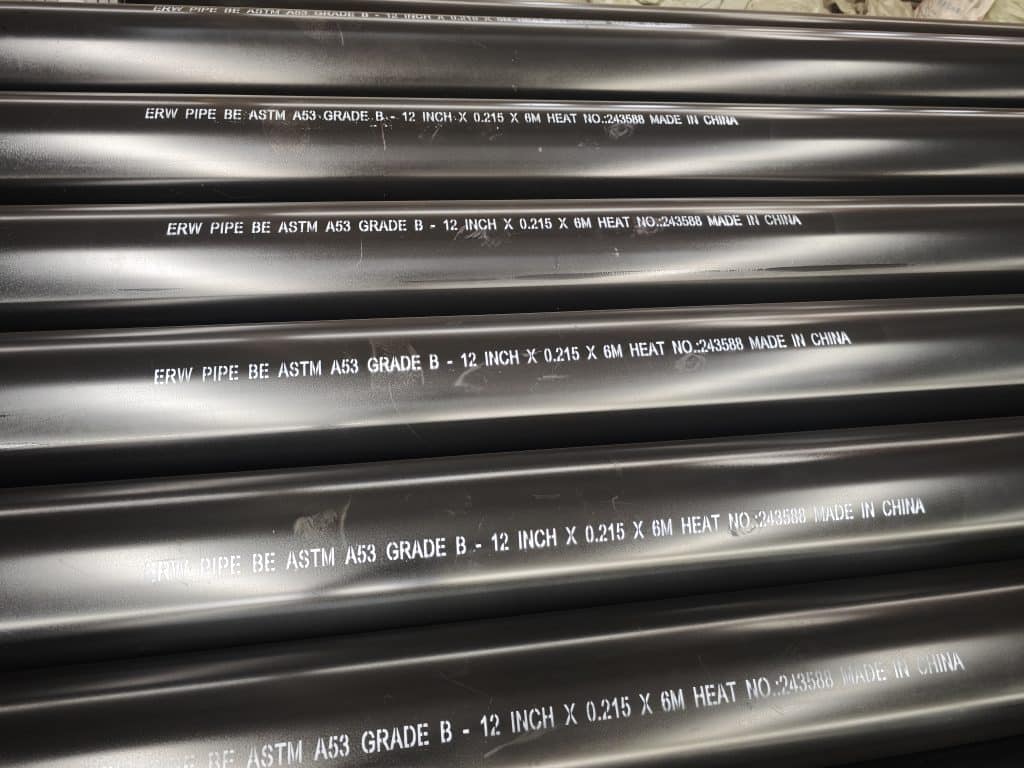
API Specification 5L covers seamless and welded steel line pipe for pipeline transportation systems in the petroleum and natural gas industries. This article focuses on API 5L line pipe rather than API 5CT casing/tubing or drill pipe, because those products are governed by different API specifications and serve different applications.
API published the 47th Edition of API Spec 5L in June 2026. Buyers should therefore identify the edition required by the project before issuing an RFQ, especially where HFW quality, sour service, impact toughness, NDE or other updated requirements are relevant.
Main Types of API 5L Pipe Suppliers
1. API-Licensed Manufacturers / Mills
Manufacturers produce pipe at their own facility and control the manufacturing process, production testing and traceability within their licensed scope. Where API Monogrammed product is specified, buyers should verify the originating manufacturer’s current license and licensed capability through API’s official directory. API describes the Monogram Program as a voluntary licensing program, so the key procurement question is whether the purchase order requires Monogrammed product and whether the manufacturer is licensed for the relevant product scope.
2. Stockists and Distributors
Stockists hold finished pipe from one or more manufacturers and can be useful when the required grade, dimensions and documentation are already available in inventory. Their main advantage is availability. The buyer should confirm that markings, MTCs and heat traceability remain linked to the originating manufacturer and that the stocked material matches the project specification.
3. Trading Companies and Export Agents
Trading companies coordinate purchases from mills and may provide export, logistics, documentation and commercial support. They can be useful for multi-product or cross-border procurement. Because the seller and manufacturer may be different entities, buyers should verify the originating mill, manufacturing route, API license status where required, and MTC traceability before shipment.
4. B2B Marketplace Suppliers
Online marketplaces can help buyers discover potential suppliers and compare initial offers, but platform badges are not substitutes for technical qualification. The same due diligence should still be applied: confirm the actual manufacturer, product scope, documentation, traceability and inspection arrangements.
5. Integrated Pipe and Coating Suppliers
Some suppliers coordinate line pipe with external coating, lining, end preparation or inspection services. This can simplify interfaces, but the buyer should still verify the standards, inspection responsibilities and traceability for each stage. Coating capability does not by itself demonstrate compliance with sour-service material requirements.
How to Choose the Right Supplier Type
| Project Need | Supplier Type Often Considered | What to Verify |
| Custom grade/size or demanding technical specification | Qualified manufacturer / mill | Licensed scope, manufacturing capability, inspection and documentation |
| Fast requirement for a common specification | Stockist / distributor | Originating mill, MTC, markings, condition and stock availability |
| Cross-border or multi-product sourcing | Trading company / export agent | Mill identity, traceability, technical responsibility and inspection plan |
| Early supplier discovery | B2B marketplace | Actual manufacturer and independent qualification evidence |
| Pipe plus coating/processing package | Integrated supplier | Base-pipe compliance, coating specification and interface responsibilities |
Manufacturing Route Should Follow the Project, Not a Shortcut Rule
High-pressure, high-grade or sour-service projects should not automatically be assigned to seamless pipe. API Spec 5L covers both seamless and welded line pipe, and the current 47th Edition includes updated HFW quality requirements. Likewise, diameter alone should not be used to declare that a project must use LSAW or seamless pipe. The correct manufacturing route depends on the project specification, dimensions, grade, design conditions and the qualified capability of the mill.
Supplier Qualification Checklist
- Confirm the exact API 5L edition, PSL, grade, dimensions and manufacturing route required by the project.
- Where API Monogrammed product is required, verify the originating manufacturer’s active license and relevant scope through API.
- Review the MTC and confirm heat/batch traceability to the supplied pipe.
- Confirm required hydrostatic testing, NDE, mechanical testing and supplementary testing.
- Specify EN 10204 3.1 or 3.2 only when required by the purchase order; do not treat 3.2 as the default document for every shipment.
- Define coating, end preparation, marking, packing and third-party inspection requirements.
- Evaluate commercial terms and delivery commitments against the actual order rather than relying on universal percentage savings, fixed order-value thresholds or generic lead-time claims.
Common Mistakes When Selecting an API 5L Supplier
- Using an outdated API 5L edition without checking the project requirement.
- Assuming PSL1 and PSL2 have the same technical and documentation requirements.
- Choosing seamless, ERW/HFW or LSAW solely from a general rule instead of the project specification.
- Accepting an MTC without checking traceability to the originating manufacturer.
- Treating a marketplace verification badge as equivalent to technical qualification.
- Selecting only on unit price without comparing testing, coating, documentation and inspection scope.
Why Manufacturer-Direct Supply Can Be Valuable
For technically demanding or customized orders, direct communication with a qualified manufacturer can reduce ambiguity between the purchase specification and production plan. It can also make technical clarification, inspection planning and traceability easier. Stockists and traders can still be appropriate for many orders; the objective is to match supplier type to project needs rather than assume one category is always best.
Partner with LONGMA for API 5L ERW and LSAW Pipe
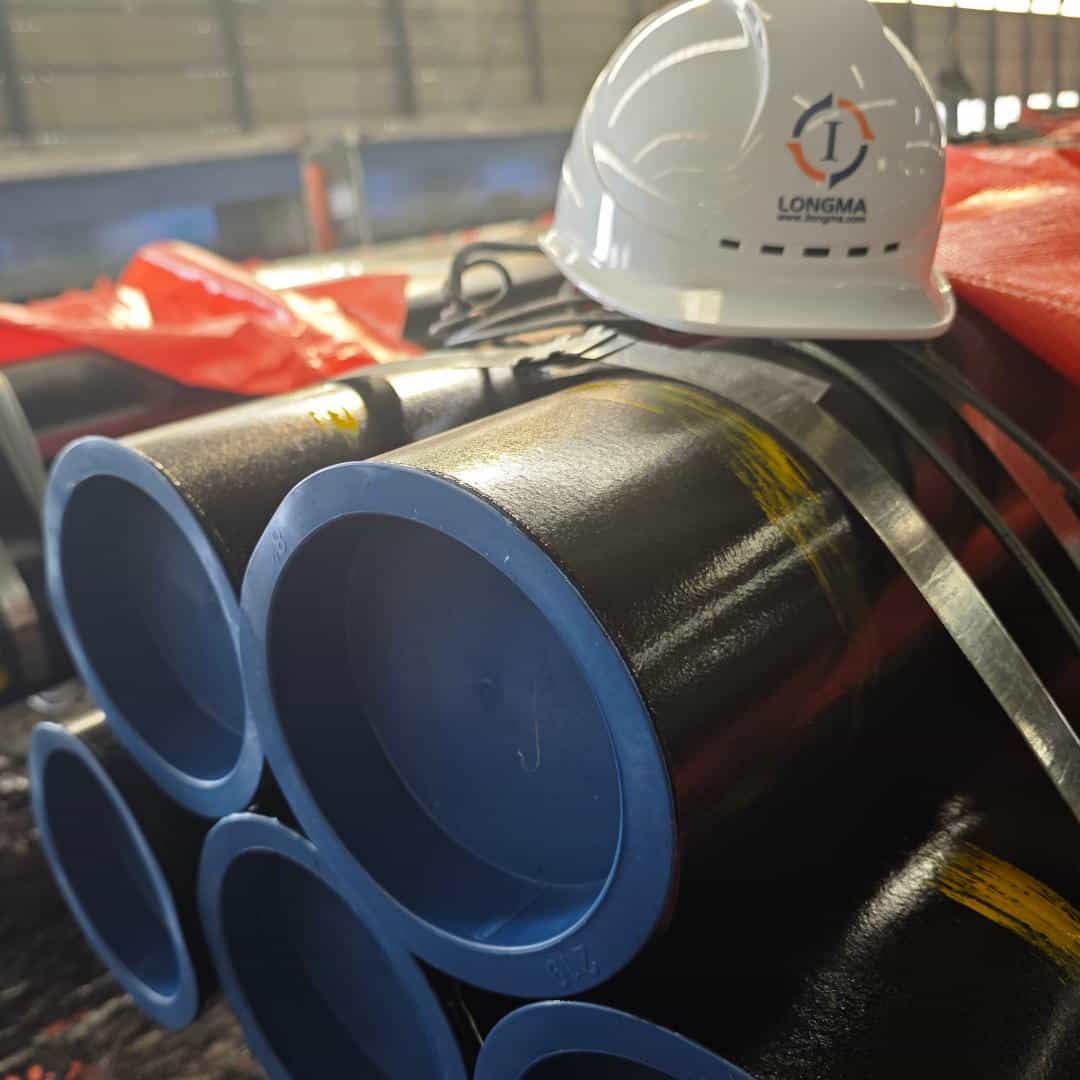
LONGMA focuses on round ERW and LSAW steel pipe for pipeline and infrastructure projects. The production base covers approximately 230,000 square meters, with annual production exceeding 500,000 tons. Buyers can submit the required API 5L edition, grade, PSL, dimensions, manufacturing route, coating and inspection requirements for technical review. MTC, NDT and third-party inspection requirements should be agreed according to the purchase order.
FAQ
- What is the difference between a manufacturer and a stockist?
A manufacturer produces pipe at its own facility within its manufacturing capability, while a stockist supplies finished inventory sourced from one or more mills.
- Can a trading company supply compliant API 5L pipe?
Yes, provided the supplied material meets the purchase specification and the buyer can verify the originating manufacturer, documentation and traceability.
- Does every API 5L supplier need its own API Monogram license?
No. For Monogrammed product, verify the license and relevant scope of the originating manufacturer. API describes the Monogram Program as voluntary; the purchase specification determines whether Monogrammed product is required.
- Is seamless always preferable for high-pressure or sour service?
No. Manufacturing route should be selected from the project specification, dimensions, grade, design conditions and qualified manufacturing capability. API 5L covers seamless and welded line pipe.